
Why the Japanese Walking Method Is Britain’s Fastest-Growing Fitness Trend of 2026 – And the 20-Year-Old Study Behind It
PureGym’s annual Fitness Report tracks what the world is searching for, and this year’s winner is a strange one. The Japanese walking method – three minutes brisk, three minutes gentle, repeated for half an hour – saw search interest rise 2,968% year on year, making it the fastest-growing fitness trend of 2026. Not hot reformer Pilates. Not another Hyrox spin-off. Walking, with a timer.
In This Article
- What the Japanese walking method involves
- The 2007 trial TikTok keeps half-quoting
- Why hard-then-easy beats steady, in plain terms
- Where the 10,000-step rule actually came from
- Why this trend deserves to survive when most don’t
- Who it’s for – and who can skip it
- What it won’t do
- Making it work on British pavements
And unlike almost everything else that goes viral in fitness, this one turned up with two decades of published research already behind it, including a trial in Mayo Clinic Proceedings that produced blood pressure drops in the range you’d normally associate with medication.
That combination – massive hype, actual evidence – is rare enough to be worth a proper look.
What the Japanese walking method involves
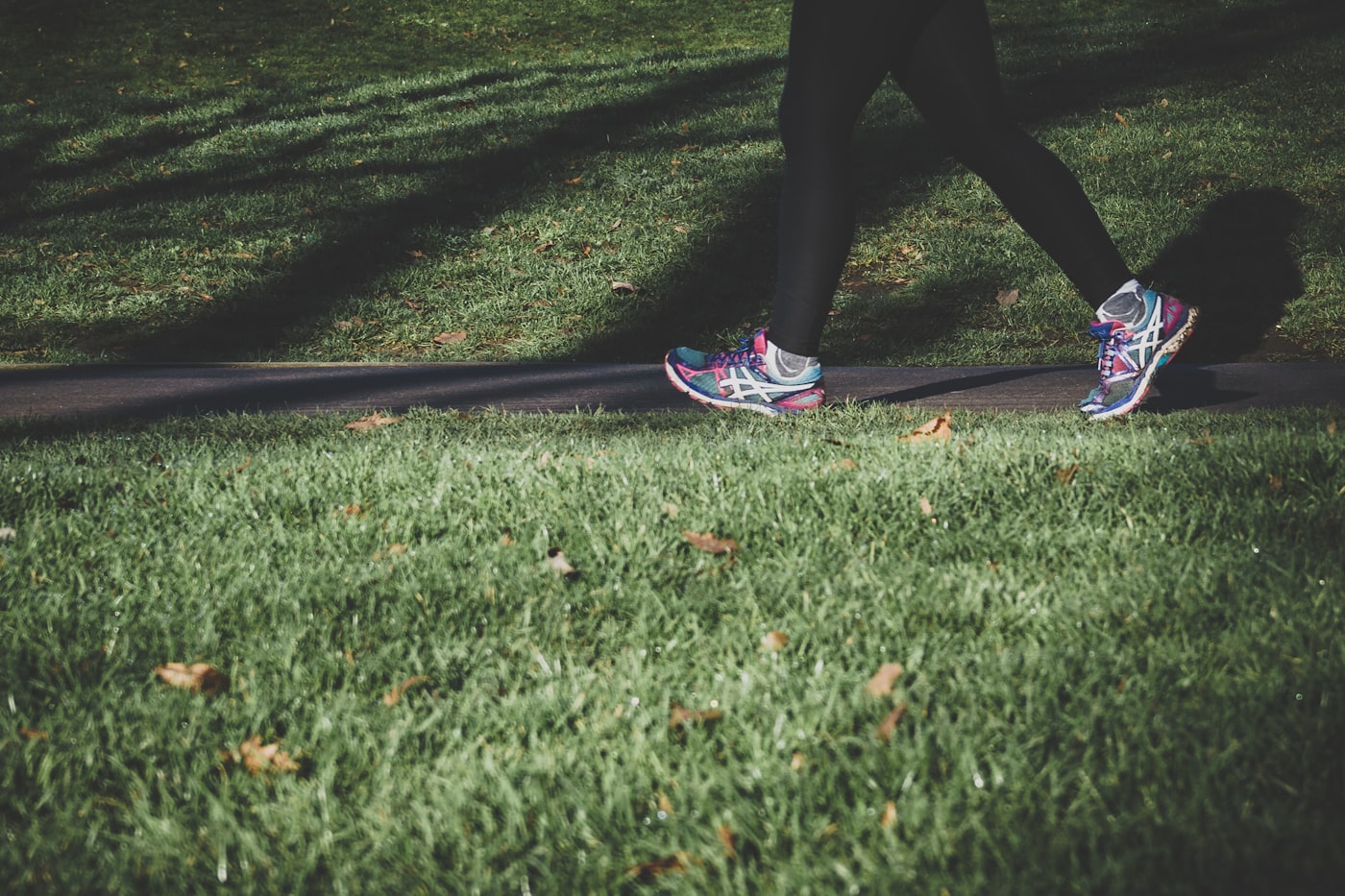
The protocol comes out of Shinshu University in Matsumoto, a Japanese city ringed by mountains, where physiologists Hiroshi Nose and Shizue Masuki spent years working out how to get an ageing population fitter without building them gyms. Their answer was interval walking training: walk fast for three minutes, at an effort where you could still speak but wouldn’t enjoy it, then walk gently for three minutes to recover. Repeat the pair five times. Do that four or more days a week.
The brisk intervals should sit at roughly 70% of your maximum effort. Think noticeably quick, arms swinging, slightly annoying. The slow intervals are a proper amble – not a guilty half-jog, an amble.
That’s the entire method. No kit, no membership, nothing to stir into water.
Which probably explains why it took twenty years to trend.
The 2007 trial TikTok keeps half-quoting
The study behind the headlines is real, and it holds up better than most viral fitness claims. In 2007, Nose’s team published results in Mayo Clinic Proceedings from 246 middle-aged and older adults, average age 63, who trained for around five months. One group did interval walking. Another walked continuously at a moderate pace, aiming for 8,000 steps or more a day. A third group carried on as normal.
The interval group’s results were striking for a walking programme. Systolic blood pressure fell by roughly 9 mmHg and diastolic by about 5 – a reduction in the territory of a first-line blood pressure tablet. Thigh strength rose by 13% in the knee extensors and 17% in the flexors, numbers you’d expect from a resistance programme rather than from going for a walk. Peak aerobic capacity climbed too. But the detail that matters most is the comparison: the continuous walkers, putting in a similar amount of time on their feet, improved far less on nearly every measure. The difference wasn’t the walking. It was the contrast between hard minutes and easy ones.
The usual caveats apply. Five months isn’t a lifetime, the participants were volunteers rather than a random slice of the public, and those figures are averages that individual results will scatter around. The same lab has kept the programme running in Matsumoto ever since, though, with follow-up papers tracking participants over years rather than months – a research tail most trends can only dream of.
If you’re on blood pressure medication already, this isn’t a swap you make on your own. It’s a conversation with your GP first.
Why hard-then-easy beats steady, in plain terms
The mechanism isn’t mysterious, it’s just rarely explained. During the brisk three minutes, your heart rate climbs into a zone that steady walking never reaches, and holding it there forces the heart to move more blood per beat. That’s the stimulus that improves aerobic capacity. The gentle three minutes then let your heart rate fall back, which is what makes the next hard effort possible at full quality. It’s the same logic as high-intensity interval training on a bike or a track – the recovery isn’t the weak part of the workout, it’s the part that lets the hard part exist.
The strength gains have a separate explanation. Walking quickly, arms driving, recruits the larger fibres in your thighs that a stroll leaves dormant. Ask them to work four days a week for five months and they adapt, which is how a walking study ended up reporting double-digit strength improvements in people in their 60s.
As for why three minutes rather than five or ten – the Shinshu team has said the figure came from watching what their participants could actually sustain. Older walkers couldn’t hold a properly brisk pace much longer than that, so the protocol was built around the effort, not the other way round. It’s a rare example of a fitness prescription designed down to fit real bodies rather than up to look impressive.
Compliance is the quiet star of the research. Most exercise studies lose a big slice of their participants before the end. The walking trials reported completion rates most programmes would kill for, presumably because the barrier to lacing up and leaving the house is so much lower than the barrier to driving to a gym you resent.
Where the 10,000-step rule actually came from
Here’s the part that should sting a little. The 10,000-step target that’s ruled wrist-worn guilt for years didn’t come from a lab. It traces back to a Japanese pedometer sold in the mid-1960s called the manpo-kei – literally “10,000-step meter” – marketed around the time of the Tokyo Olympics. A round number chosen because it sounded good, which then calcified into global health folklore.
The modern evidence is kinder to lazier people. A large meta-analysis in The Lancet Public Health, led by researchers at the University of Sydney and covering 57 studies, found that compared with 2,000 steps a day, 7,000 steps was associated with a 47% lower risk of dying from any cause. Pushing on to 10,000 added almost nothing – the benefit curve flattens out well before the magic number.
Step counts also share one blind spot: they measure volume and ignore intensity. Ten thousand shuffled steps around the kitchen register the same as ten thousand quick ones up a hill. The NHS guidance has quietly reflected this for years – the target is 150 minutes of moderate activity a week, where “moderate” means raising your heart rate, and a brisk ten-minute walk counts. Japanese walking is that principle with a stopwatch attached. It fixes the thing step counting can’t see.
Phil Carpenter, a personal trainer and assistant general manager at PureGym Portsmouth, put it plainly in coverage of the report: “Step counts can be a helpful way of tracking your fitness goals, but you should try not to hold yourself to them. Unless you are on a very regimented training plan for an event or competition, you should always avoid chasing numbers.”
Why this trend deserves to survive when most don’t
Read the rest of PureGym’s 2026 report and it’s mostly a graveyard tour. Wall Pilates is collapsing. Remote personal training is down 81%. The high-intensity boutique formats that dominated the late 2010s are sliding down the table one by one. (Reformer Pilates, the studio version with the sprung beds, is the exception – its waiting lists tell a different story.)
The trends that die tend to have something in common: they needed you to buy something, or believe something, to keep going. Japanese walking needs neither. There’s no rig to assemble, no subscription to lapse, no influencer certification scheme. The fitness industry ignored interval walking for twenty years for exactly that reason – there was nothing to sell. A trend nobody can monetise has to spread on results, and this one has.
Second place on the same growth list, for contrast, went to “walking yoga”, up 2,414%. I’d happily take the unfashionable position that this is a solution in search of a problem – walking is already meditative if you leave your headphones at home, and no amount of rebranding makes a slow stroll into yoga. One of these trends will be in next year’s report. The other won’t.
Who it’s for – and who can skip it
The honest answer is that Japanese walking is aimed at the people fitness content usually ignores. If you’re in your 40s, 50s or beyond, do little structured exercise, and your last blood pressure reading came with a raised eyebrow, this is one of the best-evidenced low-cost interventions available. The original research was done on people averaging 63, not on athletes. It meets you where you are, which is more than can be said for most of what the algorithm serves up.
The scale of the audience is worth pausing on. Sport England’s Active Lives survey has put the proportion of adults in England classed as inactive – under 30 minutes of activity a week – at roughly one in four for years. That’s millions of people for whom the gap between “nothing” and “a structured 30-minute walk four times a week” represents the single largest health improvement available to them. Nobody in that group needs a Hyrox plan.
But if you’re already training properly, skip it. Anyone doing structured zone 2 sessions or chasing a VO2 max number will find brisk walking intervals register as a rest day. The physiology only works if the fast minutes are hard for you, and for a trained runner they won’t be.
It also slots neatly into the wider midlife-health picture we’ve covered before – the same audience that should know their grip strength number is the audience this protocol was designed for.
What it won’t do
A few honest limits, because the TikTok versions skip them. Japanese walking isn’t a weight-loss programme. The interval groups in the research did lose more body fat than the steady walkers, but the amounts were modest – if fat loss is the goal, diet still does the heavy lifting and no walking protocol changes that.
It also does nothing for your upper body, and it’s not a substitute for resistance training. The thigh-strength numbers are impressive for walking, but they’re still walking numbers. NHS guidance pairs those 150 weekly minutes with strength work twice a week for a reason, and a carrier bag of shopping in each hand doesn’t count.
And it won’t feel dramatic. There’s no post-workout wreckage to post about, no personal best to screenshot. The payoff arrives as a blood pressure reading a few points lower and a hill that’s stopped being an event. For a lot of people that’s exactly the problem – the results are real but boring, and boring doesn’t retain followers. It does, however, retain walkers. It’s the quiet opposite of the ice bath boom, where the shivering is half the content. It’s the quiet opposite of the ice bath boom, where the shivering is half the content.
Making it work on British pavements
July is the easiest month of the year to start. Light until nine, pavements dry more often than not, and no excuse about the dark.
You don’t need an app, though free interval timers exist if you want one. A £6 kitchen timer does the job, and plenty of people just use landmarks – brisk to the third lamppost, easy to the postbox, repeat. Canal towpaths are ideal because they’re flat and uninterrupted; so are seafronts, retail park perimeters and the long way round the school run. The pace check is the talk test: during the fast three minutes you should be able to answer a question but resent being asked one.
Footwear is whatever you already own. Trainers, comfortable flats, it doesn’t matter – and you certainly don’t need to go down the barefoot shoe rabbit hole for this. Rain is the only real obstacle, and it’s walking. Wear a coat.
If you want a social anchor, Saturday parkrun welcomes walkers at every event in the country, and a 5k is almost exactly five brisk-slow cycles long. That’s not a coincidence you can plan around, just a happy one.
The real test of Japanese walking won’t be this summer’s search graph – it’ll be whether people are still doing it when the clocks go back. Two weeks in, the question worth asking isn’t whether you’ve lost anything. It’s whether the third lamppost arrives sooner than it used to. Where would your three brisk minutes go – the towpath, the seafront, or the long loop home?
If you want something worth listening to while you walk, our guide to the best wellness podcasts in the UK sorts the evidence-based shows from the snake oil.
If the interval method has you checking a step count afterwards, read our look at how many steps a day actually matter first. The 10,000 target was never a medical number.
And if the daily walk has you eyeing up the whole commute, our guide to the best commuter e-bikes under £1,500 runs the numbers against a year of rail fares.
Related reading: How often you should exercise.