Manchester Pride 2026: The Charity Collapsed, the Village Rebuilt It, and Monday Is Free
The entire line-up for this weekend’s Manchester Pride 2026 cost £20,000 less to book than one single headliner did last year. That’s not a cost-cutting footnote. It’s the whole story of what’s happened to one of Britain’s biggest Prides in the ten months since the charity that ran it collapsed – and it might quietly be the most interesting thing on the August bank holiday.
In This Article
- What happens when a Pride goes bust
- Mardi Gras, GayFest, Pride: this event has died before
- Manchester Pride 2026 is really Village Pride – and the difference is the point
- A line-up built like a local bill, priced like one
- What it costs, and what's free
- Manchester borrows Edinburgh's oldest trick
- The vigil is still the point
- Whether the reset holds
Because Manchester Pride, the organisation, no longer exists. What’s happening from Friday 28 to Monday 31 August is called Manchester Village Pride: rebuilt from scratch by a community-led team, staged entirely in and around the Gay Village, with day wristbands at £28, a free Monday, and a £5 ticket for anyone on a low income. The theme is ‘No Place Like Home’. For once, a festival theme that’s doing some actual work.
What happens when a Pride goes bust
Last 22 October, Manchester Pride announced it was entering voluntary liquidation “with enormous sadness”. The trustees pointed to rising costs, falling ticket sales and a failed bid to host EuroPride 2028. What made it a scandal rather than a sad story was the other detail: dozens of performers from the summer’s festival were still waiting to be paid, some of them thousands of pounds out of pocket, nearly two months after the event. ITV News reported the collapse; the Charity Commission had already been assessing concerns. Liquidators have since been selling off the organisation’s assets to recover debts of around £230,000.
Be clear about what died there, though. Not Pride in Manchester – the thing itself, the parade and the vigil and the Village – but a particular model of it: the charity with a corporate events arm, the arena-scale main stage, the annual bidding war for a pop star.
The unpaid-performer detail is what stung the city most, and it’s why the collapse still colours everything about this weekend. Drag artists and musicians – many of them local, few of them wealthy – had done their sets, promoted the event, and then spent the autumn chasing invoices from a charity that no longer existed. Some of that money will never arrive; liquidators pay creditors in order of legal priority, and a drag queen’s fee sits a long way down the queue. Manchester’s queer performance scene has a long memory. The new organisers know it.
And the collapse didn’t come from nowhere. Manchester had spent years testing how far the big-money Pride model could stretch. The high-water mark was 2019, when Ariana Grande headlined and weekend tickets pushed past £60 – a price that turned a civil rights march’s afterparty into something closer to an arena pop residency with a parade attached. Plenty of people in the Village said so at the time. It took an insolvency to prove them right.
Mardi Gras, GayFest, Pride: this event has died before
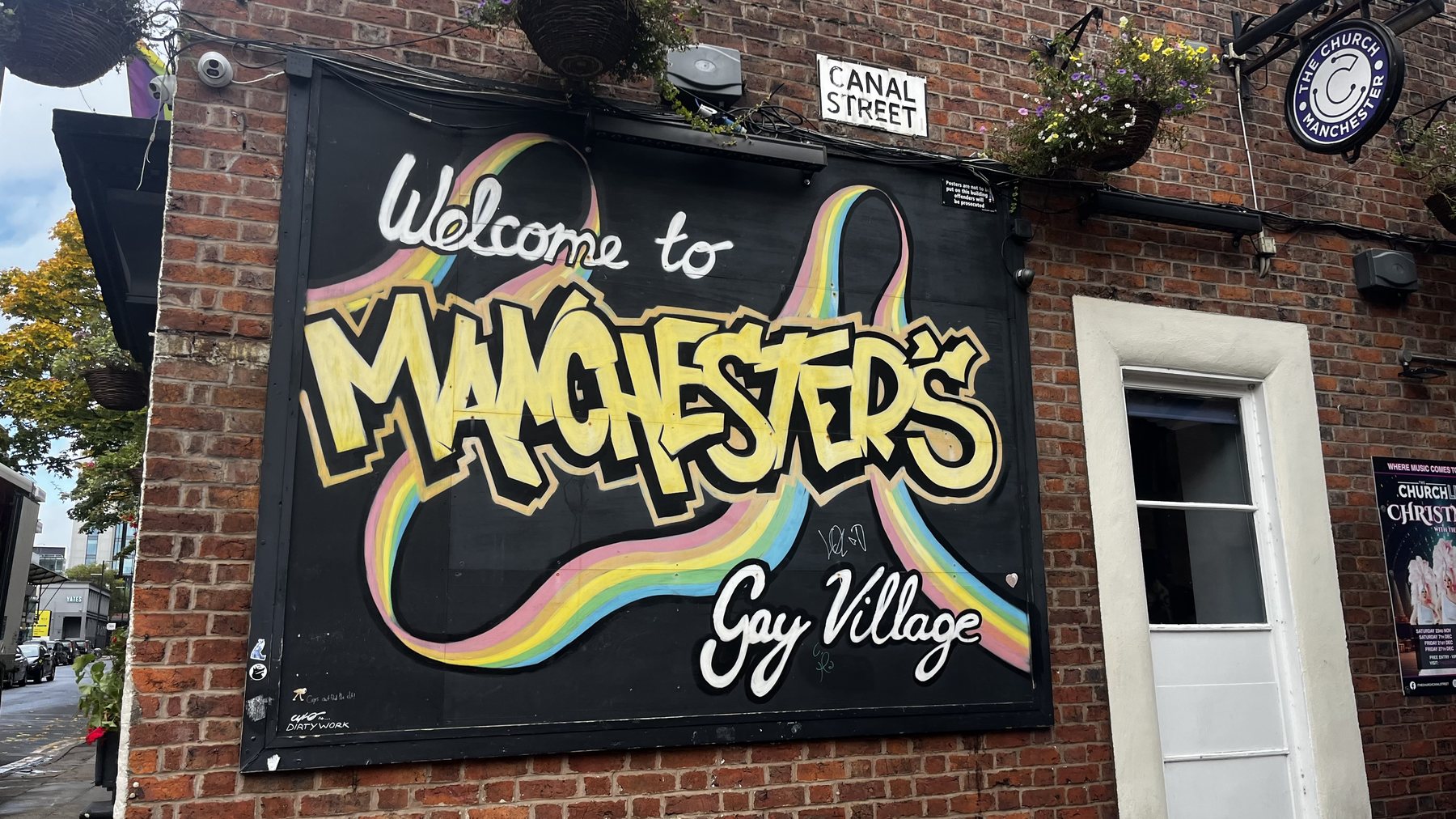
Some perspective helps here, because the branding has changed more often than the party. Manchester’s August bank holiday celebration is usually dated back to the mid-1980s, when Canal Street’s bars ran a scrappy fundraising weekend – jumble stalls, drag acts, buckets being rattled for what would become HIV and AIDS causes – at a time when being visibly gay in Manchester meant regular police attention. Through the 1990s it grew into Mardi Gras, the era when Canal Street became nationally famous and Queer as Folk put the Village on television. Then came a spell as GayFest, and from 2003 the Manchester Pride name and the charity structure that lasted until last October.
Four names in four decades. Each rebrand marked a fight about the same two questions this weekend answers again: how commercial should it be, and who should it belong to?
Seen that way, Village Pride isn’t a novelty. It’s a reversion – the event going back to roughly the shape it had before the corporate era, with better production values and a union agreement. The people running bars on Canal Street in 1985 would recognise the 2026 edition instantly. They might struggle more with what it briefly became in between.
Manchester Pride 2026 is really Village Pride – and the difference is the point
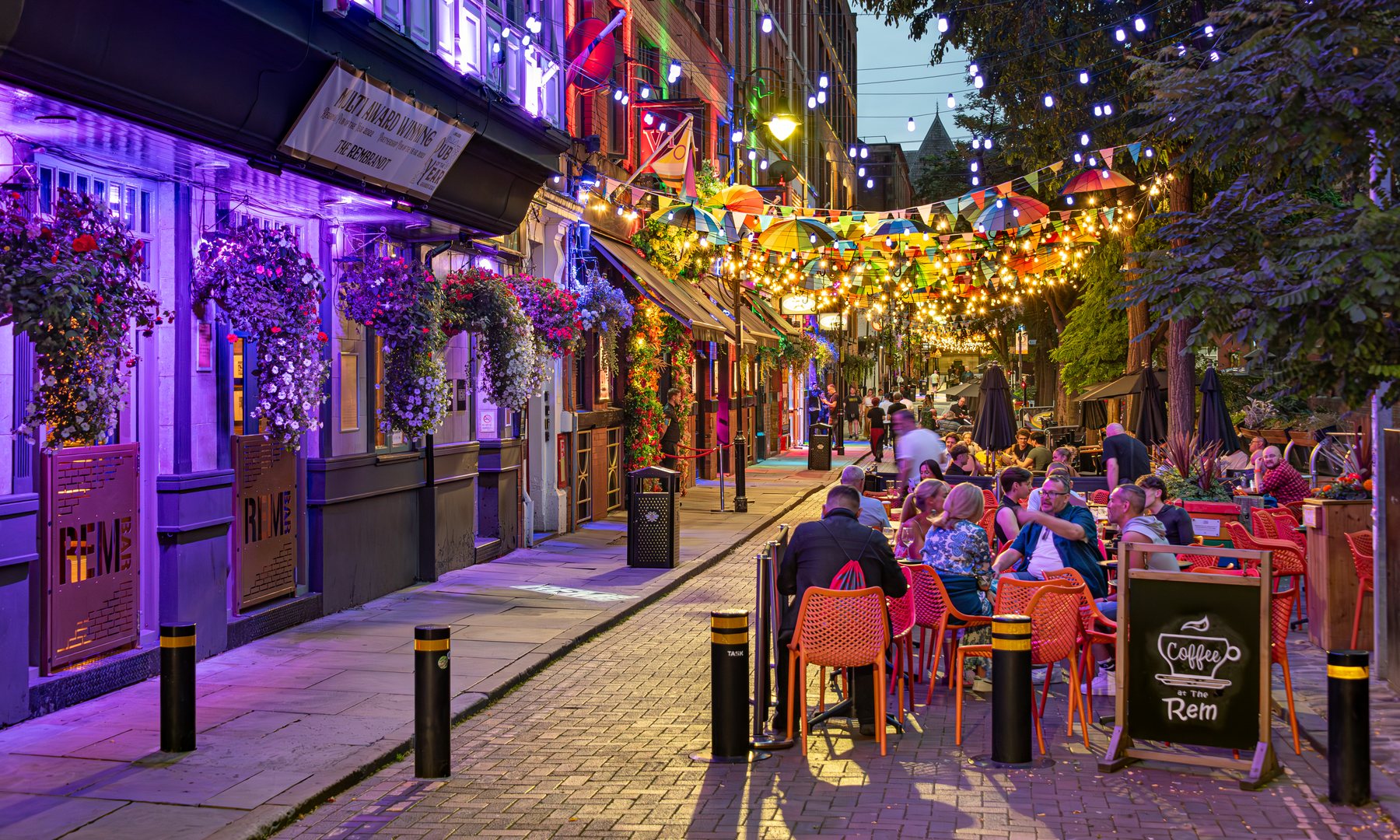
The new event’s first decision was geographic. After years of stages scattered across the city – Mayfield Depot, First Street, wherever the production budget wandered – everything comes home to the Gay Village. Gates open at 6pm on Friday, noon on Saturday and Sunday, and 10am on Monday for the Family Fun Day.
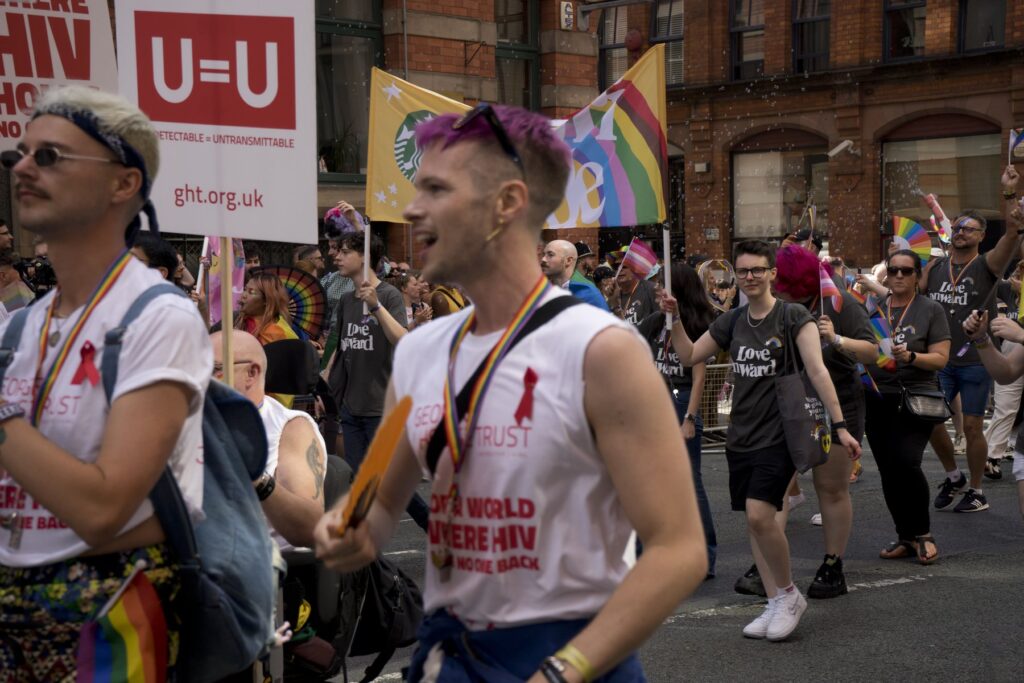
The parade still takes over the city centre on Saturday 29 August, setting off from Liverpool Street around midday and winding down Deansgate, Peter Street, Oxford Street and Portland Street before finishing in the Village at about 4pm. Watching it costs nothing, as ever. The candlelit vigil – the weekend’s still point, and for many people its reason – remains free too.
But the sharpest break with the old regime isn’t on the map. Manchester Village Pride has signed an agreement with Equity, the performers’ union – the first deal of its kind with a UK Pride, according to Arts Professional – guaranteeing terms for the acts on its stages. You don’t need a long memory to see what that’s for. When your predecessor died owing its performers money, “we will pay the artists” stops being small print and becomes the founding principle.
A line-up built like a local bill, priced like one
So who’s actually playing? Nadine Coyle. Kate Nash. Cascada. Gareth Gates. Danny Beard. Rowetta. Around them, a long bill of Manchester drag queens, DJs and local artists.
Look closer and the bookings have a logic to them. Rowetta is Manchester royalty – the Happy Mondays voice, a woman who’s been singing to this city for three and a half decades. Danny Beard is the north-west’s biggest drag export since Lily Savage. Cascada is there for the same reason Vengaboys play every Pride in Europe: because at 6pm on a bank holiday Sunday, nothing on earth beats several thousand people screaming ‘Everytime We Touch’ at a stage in the rain. This isn’t a bill assembled to impress a booking-industry panel. It’s one assembled by people who’ve stood in that crowd.
It’s easy to be snobbish about that list, and one or two people will be. They’ll be wrong. It’s a proper Pride bill – camp, loud, half-nostalgic, half-local – and the booking maths behind it is the most eloquent statement any British festival has made this year. The Manc reports that the whole line-up cost £20,000 less than the old organisation spent on one headliner in 2025. One act. The comparison does more damage to the old model than any post-mortem could.
There’s a wider truth in it about where British live music has drifted. The same weekend this is happening, Creamfields is charging £290 and Reading and Leeds £325 for their bank holidays. Against that backdrop, a four-day city-centre event for £44.80 all-in reads like a typo. It isn’t. It’s what the price looks like when nobody’s trying to outbid an arena tour.
What it costs, and what’s free
The full price list, since this is the rare festival where you can read it without wincing: a weekend wristband is £44.80 including the booking fee, day tickets for Friday, Saturday and Sunday are £28, and Monday – the Family Fun Day – is free entry for everyone. If money’s tight, there’s a low-income ticket at £5 a day, applied for through a simple form rather than proven with a means test at the gate.
That £5 line deserves a moment. Festivals talk endlessly about access; almost none of them price for it. A fiver to get into four stages’ worth of programming, on application and trust, is the most quietly radical thing in the whole price list.
You do still need a wristband to get into the Village itself over the weekend, and the organisers have been upfront about why: for those four days the Gay Village legally becomes a licensed live event space, and the licence requires a secure perimeter. No perimeter, no outdoor stages, no outdoor bars. It’s the same trade-off the old Pride ran, minus the pretence that the wristband was funding a superstar.
One practical note if you’re travelling: it’s a bank holiday weekend, which means engineering works are a near-certainty somewhere on the way, and Manchester’s hotels have known about Pride for months. Check the trains before you commit, book a bed sooner rather than later, and remember the Village is a ten-minute walk from Piccadilly station – no shuttle buses, no park-and-ride, no camping in a field. City-centre festivals have their advantages.
Manchester borrows Edinburgh’s oldest trick
The other new arrival this year is a first-ever Pride Fringe – LGBTQ+ film and television at the SCENE festival, comedy nights, club nights, exhibitions, walking tours, shopping events and family programming spread across venues citywide, much of it raising money for local LGBTQ+ charities.
The name is a tell. A fringe is what grows around an institution when the institution stops trying to contain everything itself – Edinburgh has run on that logic since 1947, and it wraps up its own vast August this very Monday. Manchester adopting the model in year one of the rebuild suggests the new team understands something the old one didn’t: a Pride’s job is to be a platform, not a promoter.
The vigil is still the point
Amid the wristband prices and the union agreements, one part of the weekend needs no rebuilding, because it never broke. The candlelit vigil – held in Sackville Gardens, the small park beside the Village that holds both the Alan Turing Memorial and the Beacon of Hope, Britain’s first permanent memorial to those lost to HIV and AIDS – remains the moment the whole event turns quiet.
It costs nothing and it books nobody. Thousands of people stand in a park at dusk holding candles, the names are read, and for half an hour the biggest party in the north of England remembers what it’s actually descended from: funerals, wards, and a community that had to build its own institutions because nobody else would. Every argument about Pride’s commercialisation – and Manchester has now had that argument more thoroughly than any city in Britain – eventually runs aground on the vigil. You can’t sponsor it. You wouldn’t dare ticket it. It’s the part every organiser, charity or community-led, has always got right.
If you go to nothing else all weekend, go to that.
Whether the reset holds
Here’s the uncomfortable opinion, so it’s said plainly: the collapse of Manchester Pride was the best thing to happen to Pride in Manchester in a decade. Not for the performers left unpaid – that was a disgrace, and the Equity deal exists precisely because it was a disgrace. But the old model was failing on its own terms, with declining ticket sales, before it failed legally. The reset was coming either way; the liquidation just decided the terms.
The harder question is durability. Community-led festivals run on goodwill and volunteer hours, and both deplete. The wristband perimeter will annoy people by Sunday, as it always does. And somewhere down the line, a big sponsor will offer the new team serious money to put a superstar back on a big stage, because that’s how the last arms race started too. The test of Village Pride isn’t this weekend – the sun, the parade and Rowetta will carry this weekend. It’s whether the £28 ticket and the union agreement still exist in 2029.
There’s a version of British live culture being fought over right now, from the £1 arena levy down to a £5 hardship wristband in the Gay Village, and the question underneath is always the same: who is this for, and who ends up paying? Manchester just gave one of the clearest answers any British event has given in years.
If you’re within striking distance of Manchester this weekend, go – Saturday for the parade, Monday if you’ve got kids and no budget. And if you’ve been to Pride in the big-headliner years and the community-bill years both, which one actually felt like Pride?