
Met Gala 2026: A UK Viewer’s Guide to Fashion Is Art and the Year’s Biggest Red Carpet
Met Gala 2026: A UK Viewer’s Guide to Fashion Is Art and the Year’s Biggest Red Carpet
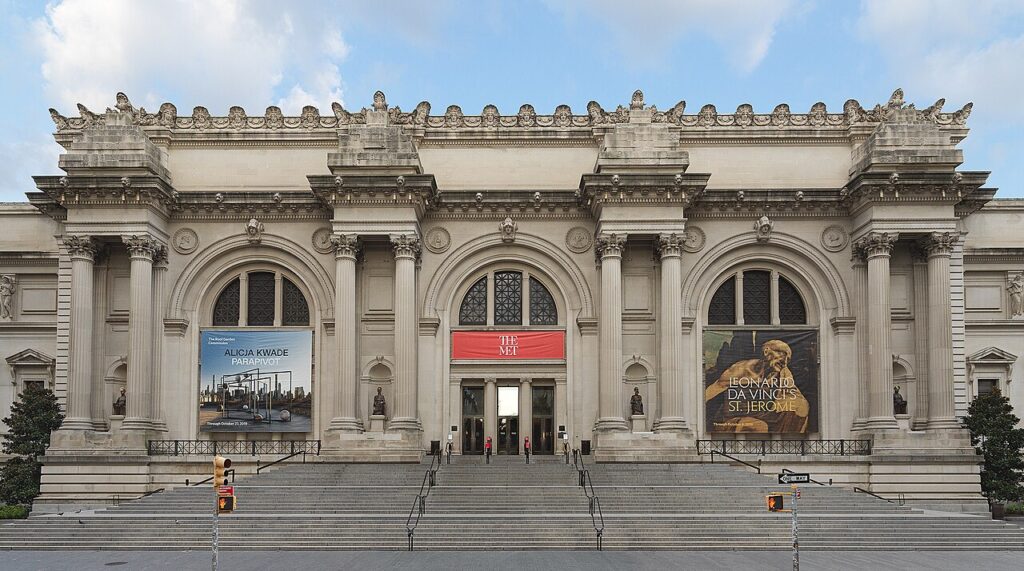
The Met Gala 2026 lands on Monday 4 May, and for once the dress code feels like it might actually be obeyed. The theme is “Costume Art”, the dress code “Fashion is Art”, and the Costume Institute is using the night to inaugurate the new Condé M. Nast Galleries, a permanent fashion wing inside the Metropolitan Museum of Art. For UK readers tuning in from a sofa five hours behind New York, this year’s edition is shaping up to be one of the more interesting in recent memory – more curated, less meme-bait, and built around a genuinely unusual exhibition. Here is what to know before the carpet rolls out.
In This Article
- Met Gala 2026 at a glance: when, where and why it matters
- The theme: “Costume Art” and what “Fashion is Art” really asks of guests
- Co-chairs and the hosting committee
- How to watch the Met Gala 2026 live from the UK
- The British names worth tracking on the carpet
- What “Fashion is Art” might actually look like on the night
- Why the Met Gala still matters in 2026
- The bottom line
Fashion on screen is having quite the year – see also The Devil Wears Prada 2 – but the Met steps remain the main event.
Met Gala 2026 at a glance: when, where and why it matters
The Met Gala 2026 takes place on Monday 4 May at the Metropolitan Museum of Art on Fifth Avenue. Guests start arriving from around 6pm New York time, which is 11pm in the UK, with the bulk of the carpet running until well past midnight British Summer Time. The gala is a fundraiser for the Costume Institute – the Met’s fashion department – and it doubles as the unofficial opening of that department’s annual exhibition.
This year the exhibition is titled Costume Art, and it sets roughly 200 garments alongside about 200 works from the museum’s wider art collection, asking the viewer to read fashion in the same register as a Vermeer or a Rodin. It is the first show staged in the new Condé M. Nast Galleries, a 12,000 square foot permanent space that finally gives fashion its own dedicated wing inside the Met. That alone is news. The Costume Institute has historically lived in temporary basement galleries between blockbuster shows, so a permanent home is a meaningful shift in how the museum treats clothing as art.
The theme: “Costume Art” and what “Fashion is Art” really asks of guests
Met Gala themes are notoriously slippery. Guests interpret them anywhere from literal cosplay to a vaguely-on-brand designer dress, and the gap between exhibition theme and dress code usually causes most of the confusion. This year the curators have been firmer than usual. The exhibition theme – what the show is actually about – is “Costume Art”. The dress code, what guests are asked to wear, is “Fashion is Art”.
The Met has briefed attendees to dress in a way that engages with how the body has been depicted across art history, which is shorthand for: come ready to be photographed against a four-hundred-year tradition of portraiture. There is also a quiet warning about extreme “naked dressing”, the sheer-and-strategic-tape look that dominated the 2024 carpet. The institute would prefer references to Klimt, Sargent, Schiele and Bronzino over thinly-veiled scaffolding, and stylists across New York, London and Paris have been working on that brief for months. Whether Hollywood listens is another matter, but the framing should produce a denser, more ideas-driven carpet than the last couple of years.
Co-chairs and the hosting committee
The 2026 co-chairs are Beyoncé, Nicole Kidman, Venus Williams and, as ever, Anna Wintour. It is a notably grown-up line-up – three of the four are over 50 – and a useful corrective after a run of co-chair benches stacked with younger pop stars. Wintour’s presence is the constant; she has chaired or co-chaired every gala since 1995 and her return after stepping back from American Vogue’s editor-in-chief role last summer underlines that the gala remains her event in all but name.
The wider hosting committee, which the Met traditionally announces in dribs and drabs in the weeks before the event, is expected to lean into the art-history brief, with curators, gallerists and a handful of British actors and musicians on the list. UK readers used to the more literary tone of the BAFTAs or the Booker can think of it as the closest American equivalent: a single night where editorial taste-makers, performers and very rich patrons share a step-and-repeat for charity.
How to watch the Met Gala 2026 live from the UK
The carpet is streamed every year by Vogue on YouTube and Vogue.com, and the 2026 edition will follow the same pattern. UK viewers can expect coverage to begin around 11pm BST on Monday 4 May, with the main red carpet running until roughly 1am Tuesday morning. The stream is free and does not require a subscription, although Vogue’s commentary – which usually pairs an editor-at-large with a name guest host – sits behind the channel’s standard ad load.
British outlets will run their own live blogs on the night. The Guardian and Vogue UK typically file rolling galleries by 1am, with the Times and Telegraph running fashion-desk verdicts by breakfast on Tuesday. If you only watch one segment, the “arrivals” window between 11.30pm and 12.30am BST is when the better-dressed attendees tend to surface; the early carpet is mostly committee members and emerging actors paying their dues.
The British names worth tracking on the carpet
The Met Gala has become an increasingly British affair over the last decade. London-trained designers – Erdem, JW Anderson, Simone Rocha, Harris Reed, S.S. Daley – now dress a significant slice of the carpet, and a regular cast of UK actors and musicians has been dependable on the night. Without naming names that are not yet confirmed, the categories worth watching are the same as ever: a handful of British leads from awards-season films looking for a final image push before the autumn release calendar; a music contingent led by names whose festival summer benefits from a viral red-carpet moment; and the small but loyal group of British editors and stylists who tend to outdress most of the celebrities.
For a sense of how this awards-and-fashion overlap works, our piece on the BAFTA TV Awards 2026 predictions is a useful primer on which UK-based talent is currently in the public eye. The Met Gala sits in a similar slot – more red carpet than awards ceremony – and the same names tend to recur across both nights. The Cannes 2026 lineup, which opens just over a week later, will pick up where Monday’s carpet leaves off.
What “Fashion is Art” might actually look like on the night
If the Costume Institute’s briefing notes are any guide, expect three loose visual currents. First, a wave of explicit references to specific paintings: Klimt’s gold-leaf portraits are the easiest shorthand, and at least a handful of stylists will reach for them. Second, sculptural shapes drawn from Greco-Roman statuary and the Met’s European decorative arts collection – draped, marble-coloured, structural. Third, what one Manhattan stylist has called “the frame”: outfits that play with the literal idea of being a portrait, including custom gilded edging, painted details and embroidered backdrops.
That is all hopeful reading; in practice a third of the carpet will arrive in a polite black tie and a quarter will simply wear a designer’s most recent runway look with the tags taken off. The interesting tension is whether enough guests engage with the brief to give the night a coherent visual identity, or whether “Fashion is Art” ends up being yet another vague filter through which to push next-season silhouettes. The Guardian’s fashion desk has been running a useful pre-gala explainer in the run-up; their fashion section is worth a bookmark before Monday night.
Why the Met Gala still matters in 2026
It is fair to ask whether a charity dinner for very wealthy people on the steps of a museum still warrants the cultural attention it gets. The answer, for now, is yes – though for narrower reasons than its critics or its boosters tend to claim. The gala remains the single biggest annual moment of fashion-industry visibility, generating a third of the Costume Institute’s annual budget in one night, according to figures the museum published last year. The exhibition it bankrolls regularly draws over half a million visitors and shapes how clothing is read inside major museums for the next year. That is a lot of cultural weight for one evening on Fifth Avenue.
It also functions as an unofficial reset point for the year’s pop-culture conversation. Outfits that work on the Met Gala carpet on a Monday night reliably reshape Instagram, TikTok and the British tabloid front pages by Tuesday lunchtime, and the consequences ripple through summer fashion shoots, festival styling – see our guide to UK festival outfits 2026 – and autumn campaign casting. The 2026 edition lands at a moment when fashion media is still recalibrating after a difficult few years of shrinking print budgets and shifting platforms; whether the “Fashion is Art” framing produces a real cultural moment or an over-curated dud will say something useful about where the industry is heading. According to the BBC Culture, the British contingent in particular has been treating Monday as a serious editorial date rather than a celebrity meet-and-greet, which is its own answer to the question.
The bottom line
Met Gala 2026 is not the most overtly high-concept theme the Costume Institute has ever attempted – Heavenly Bodies in 2018 set a high bar – but the “Fashion is Art” dress code, the new Condé M. Nast Galleries and a tightly-edited co-chair line-up should produce a more grown-up night than recent editions. Set the alarm, pour a tea, and have Vogue’s livestream open by 11pm on Monday 4 May.
Which Met Gala carpet from the last decade is the one you would most like 2026’s guests to live up to – and what would it take from the British attendees to get us there?
If the Met Gala has you in the mood for the year’s other big spectacles, our guide to The Mummy 2026 UK release walks through cast, release date and what to expect.



Always end up watching the carpet on YouTube at lunchtime the next day rather than staying up til 3am for it. The Costume Art angle does sound like it could actually pull a half-decent dress code response for once though. Anyone else expecting the usual five people to ignore the brief entirely, or do you reckon a museum-anchored theme might actually land this year?
Honestly the Costume Art brief feels narrow enough that the usual suspects can’t just turn up in a vague gown and call it interpreting the theme. Fingers crossed for genuinely museum-anchored looks rather than the parade of generic black tie we got the year of Sleeping Beauties. The carpet at lunch the next day is the only sensible way to watch it though.