
Slow Horses Season 6 Review: Fewer Jokes, More Bodies – and Why You Should Wait Until 21 October to Pay Apple £9.99
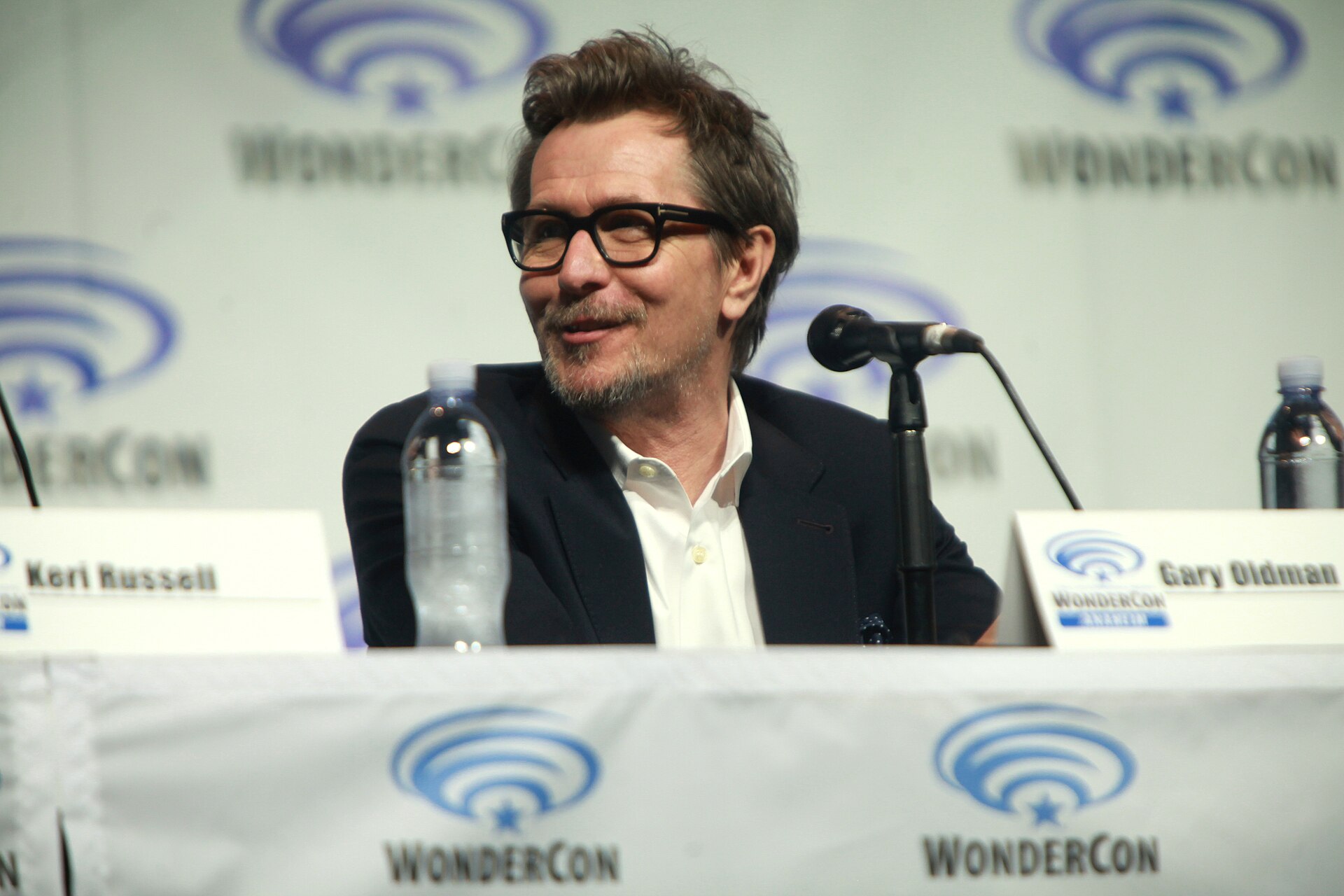
For a week now, a small but loud corner of the internet has been arguing about whether Slow Horses is still funny. This Slow Horses season 6 review starts from the other end of that argument. The jokes have thinned since Will Smith handed over the writing, yes. And two episodes in, that’s the best thing to happen to Apple TV’s spy drama since Gary Oldman first put his feet up on a desk in Slough House.
In This Article
- The Will Smith question, and why the critics can't agree
- What Slow Horses season 6 gets right in its first two episodes
- Two books in six episodes is the real risk
- Oldman, the crisps and the Lamb problem
- An Emmy, a renewal and a 100% score: how Slow Horses got here
- The £9.99 question: watch weekly or wait until 21 October
- Verdict
The sixth series landed on Wednesday 16 September and runs weekly until the finale on 21 October. It’s the first run without Smith as showrunner, the first to squeeze two Mick Herron novels (Joe Country and Slough House) into a single six-episode season, and the first to arrive with a directing Emmy freshly on the shelf. That’s a lot of change for a show whose appeal has always rested on things staying grimly the same.
Here’s where it’s landed.
The Will Smith question, and why the critics can’t agree
Smith, the comedian and Thick of It writer who shaped the show from the start, stepped aside after series five and called it a practical decision – the production had been writing one series while shooting the next, and something had to give. Gaby Chiappe now leads the writing, with Edward Docx picking up episode two. Adam Randall directs all six.
British critics have split more sharply than at any point since 2022. Jack Seale gave it three stars in the Guardian, arguing that the show had been “retooled as a conventional thriller” and was starting to run out of ideas, even if it remained slick and confident. Rebecca Cook in Metro called it a very good batch of episodes that didn’t “quite click”, complaining that the Lamb-isms weren’t up to scratch and the best gags had all gone in the trailer. On the other side, Ben Dowell in the Times called it “as brilliant as ever” and Ed Power in the Telegraph said it had once again pulled off “the perfect balancing act between dark humour and misanthropic spycraft”, according to The Week’s round-up of the reviews.
The disagreement is really about what people think the show is. If you came to Slow Horses for Jackson Lamb’s insults and the office-comedy rhythm of a room full of failures sniping at each other, series six will feel like something’s missing, because it is. The banter has been turned down by a notch or two. The body count has gone up by rather more than that. Bruce Dessau at Beyond the Joke, a site that writes about comedy for a living, put it neatly: he’d never reviewed Slow Horses before because he never saw it as a comedy, and he didn’t think it had lost its comic touch anyway. But if you came for the thriller – the dread, the sense that the Service would happily sacrifice any of these people to save a headline – then this is the most focused the show has been since series two.
I’m in the second camp. The Guardian’s three stars feel like a verdict on the show it used to be rather than the one on screen.
What Slow Horses season 6 gets right in its first two episodes
No big spoilers here beyond what the opening minutes give away. Episode one, “Circle of Life”, opens with a former Slow Horse being killed, and it isn’t subtle about it. Within the hour, it’s clear that someone is working through a list of everyone who has ever passed through Slough House, and that the Service itself has quietly erased the department from its payroll and database. River Cartwright (Jack Lowden) is grieving his grandfather. Diana Taverner (Kristin Scott Thomas), now First Desk, is being leaned on by Peter Judd and a mystery investor. Lamb is eating crisps.
That set-up is the smartest structural decision the show has made in years. For five series, the Slow Horses have been dragged into other people’s operations. This time they’re the target, which means every scene in the office carries a bit of threat, and the running joke about how little anyone cares about these people turns into the plot. Being forgotten used to be a punchline. Now it’s how you end up dead.
Episode two, “Daddy Issues”, widens things out: a right-wing media owner, Damien Cantor (Harry Lloyd, enjoyably slimy), turns up as the money behind Judd, Hugo Weaving’s Frank Harkness is back doing what he does, and Lenny Rush appears as Reece, a boy who has seen something he shouldn’t have. Seale in the Guardian said Rush “immediately improves anything he’s in”, and on this evidence he’s right. The final minutes also bring back a face that anyone who watched series one will remember, and I won’t say more than that.
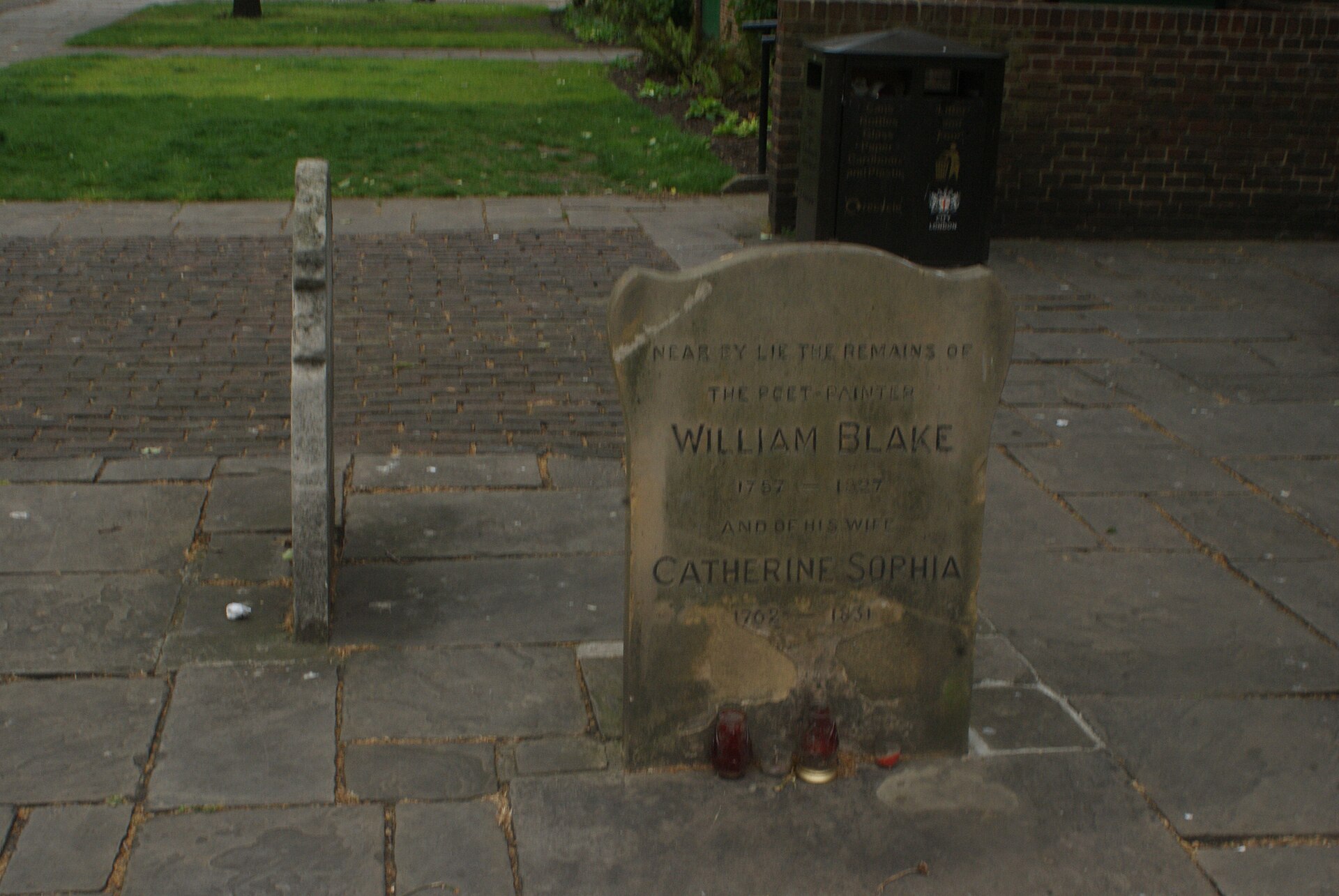
Two things work especially well. The pair of killers (Kyle Soller and MyAnna Buring) are played with a flat, domestic calm that’s far more unsettling than the usual Eurothriller menace, even if Dessau is fair to point out that killer couples have become a bit of a TV habit lately. And the show has finally started using London’s geography properly – the second episode’s order to scatter and regroup at William Blake’s grave in Bunhill Fields is the kind of small, specific detail Herron’s readers will love.
Two books in six episodes is the real risk
The thing that could go wrong isn’t the jokes. It’s the arithmetic.
Every previous series adapted one Herron novel across six episodes, which gave the writers room for the digressions that make the books feel lived in: Catherine Standish’s recovery, Roddy Ho’s delusions of competence, the long silences in the office. Joe Country and Slough House are both full-length novels with their own villains and their own endings. Folding them together means cutting something, and the early signs are that the cutting has fallen on the quiet scenes. Episode two, in particular, has so many moving parts (Cantor, Harkness, the killers, Taverner’s television interview, the search for Reece) that Saskia Reeves’s Standish barely gets a moment to herself. My brother-in-law, who has read every Slough House book at least twice and treats the TV series as an interesting cover version, watched the first two episodes with me and spent most of the second saying “they’ve moved that” under his breath.
That’s the fair version of the Guardian’s complaint. It isn’t that the show has become a conventional thriller – it’s that a conventional thriller moves at a pace that doesn’t leave space for the melancholy. If episodes three to five manage to slow down once the pieces are in place, the season could end up the best of the lot. If they don’t, it’ll be a very good chase with a slightly hollow middle.
The reason I’d back it is that Chiappe has already shown she knows what to keep. The episode-one funeral is written with real sadness, and the idea of the Service deleting its own people is handled as a slow-burning scandal rather than a twist. Those aren’t the choices of someone who thinks the show is just about gunfights.
Oldman, the crisps and the Lamb problem
Here’s the contrarian bit: fewer Lamb-isms is a good thing.
By series five, Jackson Lamb had started to drift towards catchphrase territory. Every scene needed a fart, a crisp or a withering one-liner, and while Oldman delivered them beautifully, they’d become a tic. The best Lamb moments in the books aren’t the insults; they’re the moments where you realise he’s been three steps ahead the whole time and has been using the insults to keep people from noticing. Series six gives Oldman more of that. He says less, watches more, and when he does go for a line it lands harder because it isn’t the fifth one in the scene. Dowell in the Times singled out Oldman “chomping crisps next to a dead body”, and that image sums up where the character is now – the grossness is still there, but it’s sitting on top of something colder.
Lowden, meanwhile, finally gets to play River as something other than an eager puppy. Grief has made him stubborn in a more interesting way, and his scenes with Weaving have an edge that the father-son storyline lacked when it was introduced in series four. Kristin Scott Thomas remains the best thing about any scene she’s in, and Taverner’s discomfort at being First Desk while someone else pulls the strings gives her more to do than just being icy.
If anyone gets short-changed, it’s the supporting Horses. Aimee-Ffion Edwards’s Shirley and Christopher Chung’s Roddy each get a strand, but Rosalind Eleazar’s Louisa has been pushed to the edges so far. That’s the two-book squeeze again.
An Emmy, a renewal and a 100% score: how Slow Horses got here
It’s worth remembering how unlikely all this looked in 2022. Slow Horses launched on a streaming service most British households didn’t pay for, based on books that were a word-of-mouth hit rather than a phenomenon. Apple still doesn’t publish viewing figures, so there’s no way to know how many people in the UK are actually watching, and anyone who tells you otherwise is guessing.
What we do have is critical and industry data. Series six sits at 100% on Rotten Tomatoes from 21 reviews and 85 on Metacritic from 12 – up from 79 for series five, the lowest score of the show’s run. On 14 September, two days before the new series launched, Saul Metzstein won the Emmy for outstanding directing in a drama series for his work on series five, beating The Pitt. The show had nine nominations, including drama series and acting nods for Oldman, Lowden and Jonathan Pryce. And the day after the ceremony, Apple confirmed an eighth series, based on Clown Town, with series seven (Bad Actors) already in the pipeline.
So the Guardian’s sense that the show is “starting to run out of ideas” is up against two more series already commissioned and the best reviews in two years. That doesn’t make Seale wrong about the tone shift. It does make the obituary feel early.
There’s a wider point here about British drama, too. Slow Horses is a British show in every sense that matters – London locations, a British novelist, a largely British cast, made by See-Saw Films – yet it’s paid for by an American tech company and watched on a subscription most people take out just for it. That model has kept it alive and well-funded. It has also kept it off the radar of millions of viewers who’d love it, which is part of why the BBC-versus-streamers argument is more complicated than the headlines suggest.
The £9.99 question: watch weekly or wait until 21 October
This is where it gets practical. Apple TV costs £9.99 a month in the UK after a seven-day free trial, according to Apple’s UK site. In the US, Apple pushed the price up from $12.99 to $14.99 on 28 August – the fourth rise in four years – but so far the UK price hasn’t moved. Apple One, the bundle with Music and iCloud storage, is £18.95 a month for an individual.
The series drops one episode every Wednesday until 21 October. If you start the free trial today and watch weekly, the trial runs out around 1 October and one £9.99 month carries you past the finale. If you wait until 21 October, take the trial then and watch all six in a week, it costs nothing at all. Add a month if you want to rewatch series five first, which I’d recommend, because the opening episode assumes you remember who Struan Loy is.
That’s the approach we laid out in our guide to rotating streaming subscriptions this autumn, and Slow Horses is close to the perfect case for it. Apple TV is a small, prestige-heavy library; you can get through what you want in a month and cancel.
But – and it’s a real but – this is a show that works better weekly. The cliffhangers are built for a seven-day wait, and a series that runs on paranoia gains something when you have time to think about who’s next. We argued earlier this year that British TV has relearned the value of the weekly drop, and Slow Horses is one of the reasons why. If you’re already a fan, the £9.99 is worth it. If you’re curious and have never watched it, wait, and start from series one.
Verdict
Slow Horses season six is darker, faster and less funny than what came before, and it’s better for it – at least for now. Two episodes in, it’s the most confident British drama on any platform this autumn, with a sharper premise than series five and a cast that seems to have been given permission to stop performing for laughs. The risk is the two-book squeeze, and the next three weeks will show whether Chiappe can make room for the quieter stuff that made Slough House feel like a real, damp, miserable office.
Four stars, with a fifth on hold until the finale.
If it’s new to you, it belongs near the top of the pile alongside the rest of our best British box sets of 2026. And if you’ve been watching since 2022, I’d like to know: which Slow Horse are you most worried about losing before 21 October?