Stevie Wonder UK Tour 2026 Tickets: The £101 Seat, Four Arena Nights and the First Full Songs in the Key of Life Since Hyde Park 2016
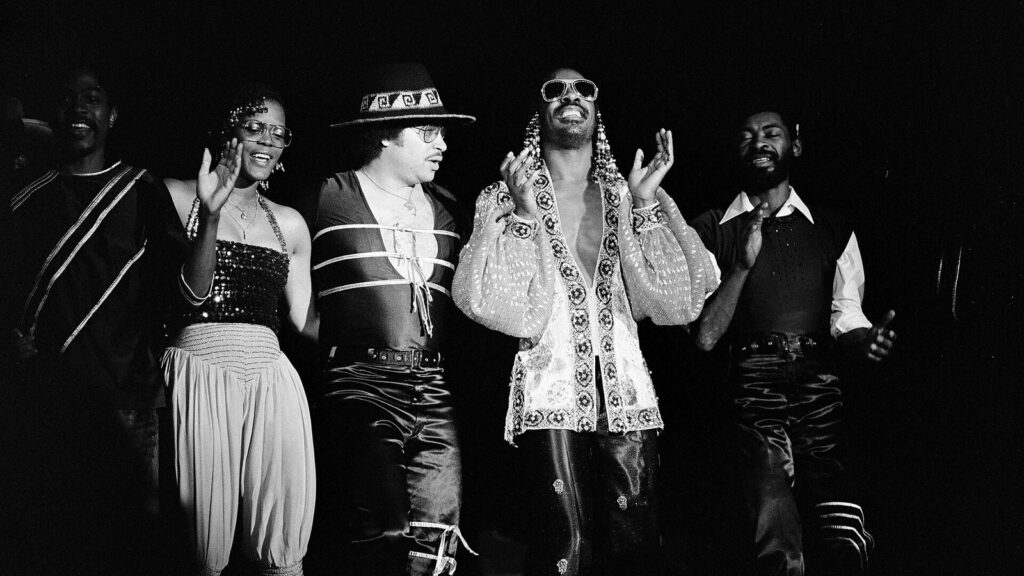
Stevie Wonder UK tour 2026 tickets go on general sale at 10am this Friday, 11 September, and the cheapest seat in the building is £101. That number is going to annoy people. It shouldn’t. For once, the expensive ticket and the interesting ticket are the same thing: four arena nights in October and November where a 76-year-old plays Songs in the Key of Life, all 21 tracks, start to finish, in the order he sequenced them in 1976. He has never done that in a British arena. He did it once in this country, on a Sunday in Hyde Park in July 2016, and then went back to greatest-hits sets for a decade.
In This Article
- What Stevie Wonder UK tour 2026 tickets actually cost
- Why the full-album show is a different proposition from last summer
- The album, briefly, and why 1976 still matters in 2026
- Is £101 too much? A contrarian view
- Which of the four UK dates to go for
- How to actually get one on Friday
- What else British live music has on sale this autumn
The dates are Utilita Arena Birmingham on Tuesday 13 October, The O2 in London on Tuesday 3 November, Co-op Live in Manchester on Sunday 8 November and the OVO Hydro in Glasgow on Wednesday 11 November. Dublin’s 3Arena gets a night on 1 November. That’s it for these islands. Twelve cities across Europe, four of them here.
What Stevie Wonder UK tour 2026 tickets actually cost
Live Nation hasn’t published a single national price list, so the numbers below are pieced together from the venues and the first presales. The Scotsman, working from the Hydro’s listing, put Glasgow standard tickets at £101 to £208 including the admin fee, with “venue premium” seats at £249.75 to £264.75. Fulfilment is on top. Birmingham, Manchester and London haven’t shown their full pricing at the time of writing, but the O2 has never been cheaper than the Hydro for the same tour, so budget for London to run a little higher at the top end.
Dublin is the useful comparison. Irish music site Nialler9 listed the 3Arena tiers as €141, €151, €171 and €201, rising to €500 before fees. Convert that and the cheapest Dublin ticket is roughly £120. So the £101 Glasgow seat is the bargain of the run, which isn’t a sentence anyone expected to write about a Stevie Wonder show.
To compare seat prices with a cheaper arena show, see Hear’Say Liberty X tour tickets 2027.
Presales are running now. OVO Live and O2 Priority opened at 10am on Wednesday 9 September, the Live Nation and Ticketmaster presales open at 10am on Thursday 10 September, and general sale is 10am Friday. Note the O2 in London sells through AXS rather than Ticketmaster, which matters when you’re refreshing three tabs at 9.59.
Why the full-album show is a different proposition from last summer
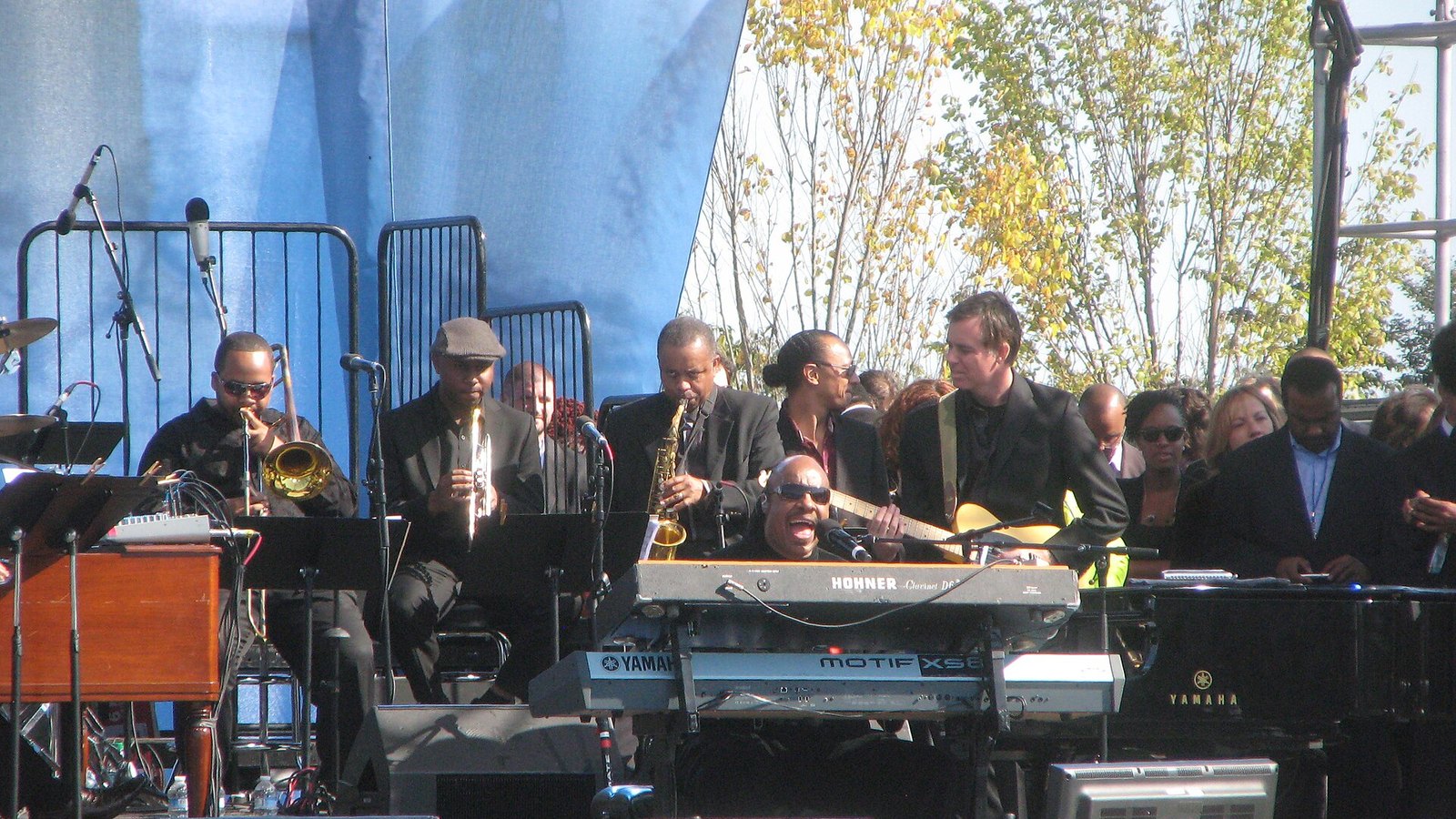
If you saw him in 2025 you might reasonably ask why you’d go again fourteen months later. The Love, Light & Song run last July – Lytham, Co-op Live, Birmingham, Blackweir Fields in Cardiff, then the BST Hyde Park closer – was a hits set. Twenty-two songs, according to Time Out’s rundown of the Cardiff setlist: Master Blaster, Higher Ground, Superstition, I Just Called to Say I Love You, a Sly Stone cover, the lot. Wonderful, obviously. But it was the set he’s played, give or take, since the mid-2000s.
This is not that.
Songs in the Key of Life is a double LP with a bonus EP stapled to it. Twenty-one tracks. Roughly an hour and three-quarters if he plays it straight, and he won’t play it straight, because nobody has ever seen Stevie Wonder play anything straight. When he last performed it in full – a run of American shows in 2014 and 2015, then that one Hyde Park date – reviews described nights running past two and a half hours with the album as the spine and a short encore of hits bolted on the end. Expect the same shape here.
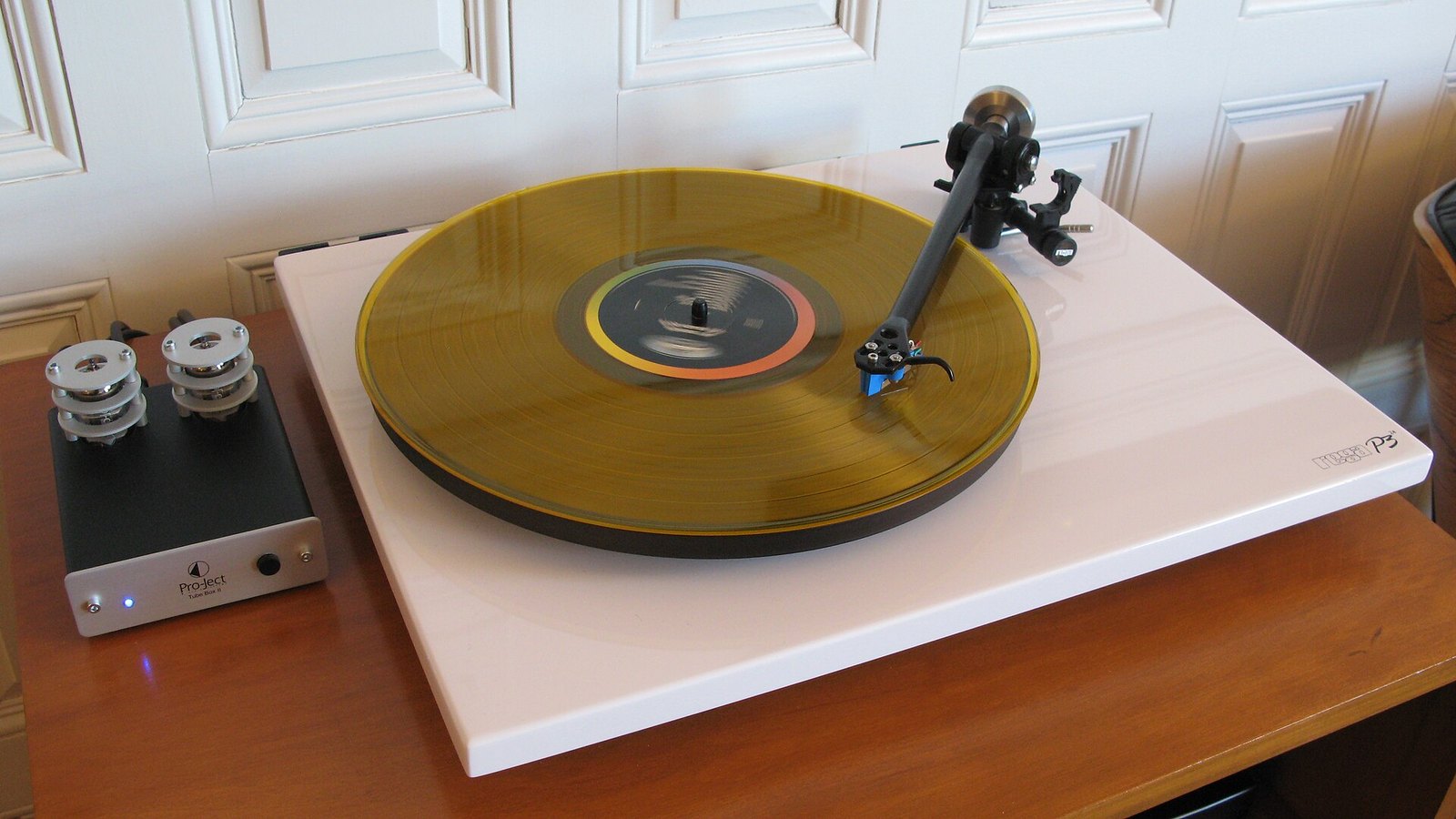
What you get for your £101, then, is the deep album cuts he never plays. Village Ghetto Land with its string quartet. Contusion, the instrumental fusion track that sounds like Weather Report on a good day. Black Man, all eight and a half minutes of it, with the call-and-response history lesson in the outro. Ngiculela, which he sings in Zulu, Spanish and English. Saturn and Ebony Eyes from the EP, which most people who own the record on vinyl have never actually heard because the seven-inch was tucked into the sleeve and lost by 1979. My mate who’s been to eleven Stevie shows since the nineties has heard Contusion live precisely never. That’s the sell.
The album, briefly, and why 1976 still matters in 2026
It came out on 28 September 1976 after two years of delays, which at the time felt like an eternity. Wonder had already made Talking Book, Innervisions and Fulfillingness’ First Finale in a three-year burst, won Album of the Year twice, and Motown had just paid him a reported $37 million over seven years to stay, the biggest recording contract in history at that point. The expectation was absurd. The record met it. It entered the Billboard chart at number one, which only two albums had ever done before, stayed there fourteen weeks, and won him a third Album of the Year Grammy in 1977. In Britain it peaked at number two, kept off the top by, of all things, a Bert Weedon compilation. Sir Duke went to number two here as a single. I Wish reached five.
It’s gone Diamond in the States, which means ten million copies, and sits in the Library of Congress National Recording Registry. But the sales figures aren’t why people talk about it. The reason is that it’s the last time a pop superstar at the absolute peak of his commercial power made a sprawling, uncommercial, politically angry, deeply spiritual double album and had it treated as a mainstream event rather than an indulgence. Nobody’s been allowed to do that since. Not Prince, not Kanye, not Beyoncé. The closest British equivalent is probably Blur letting Damon do 13, and that sold a fraction.
Its afterlife is everywhere. Coolio built Gangsta’s Paradise on Pastime Paradise in 1995 and it became the biggest single of that year. Will Smith did Wild Wild West off I Wish. As has been covered by George Michael and Mary J Blige, Isn’t She Lovely has been sung at more weddings and christenings than any song except Wonderwall, and half the neo-soul records of the late nineties are just people trying to get the drum sound off Knocks Me Off My Feet.
Is £101 too much? A contrarian view
Here’s the position most coverage will take this week: Stevie Wonder is a national treasure and the prices are a scandal. I don’t buy it, and not because £101 is cheap. It isn’t. It’s a lot of money for a Tuesday night in Birmingham.
But compare it with what British arena pricing looked like this year. The Fontaines DC arena run for 2027 went on sale this week with general-entry tickets from £39 to £91 and sold out in a morning; that’s a band four albums in. All Points East charged £70 for a day in Victoria Park. Last summer’s BST Hyde Park Stevie show started at around £100 for a standing spot in a field, in 30-degree heat, with a two-hour set. For roughly the same money you now get a seat, a roof, and a longer, rarer, more musically serious show. If anything the Glasgow price looks like it was set by someone who hadn’t checked what Oasis charged. Since then Mariah Carey’s UK arena dates have gone up with a £60 floor, which makes the £101 Glasgow seat look even more like the price of the setlist rather than the name.
Where I do think people are being taken for a ride is the “venue premium” tier. £249.75 to £264.75 at the Hydro buys you a slightly better sightline and a lounge with a bar. It doesn’t buy you a different concert. Stevie doesn’t do a B-stage. The sound in a modern arena is engineered so the back of the lower tier hears roughly what the floor hears. Spend the difference on the train and a hotel and you’ve had a better weekend.
And the caveat: he’s 76. His voice was still remarkable last summer – the falsetto on Overjoyed in Cardiff was the kind of thing you don’t forget – but a two-and-a-half-hour album show is a physical ask, and the 2014 American dates leaned on a big band, backing singers and long instrumental passages to give him room to breathe. That’s not a criticism. It’s just worth knowing you’re buying an ensemble performance of the record, not a man alone at a Fender Rhodes.
Which of the four UK dates to go for
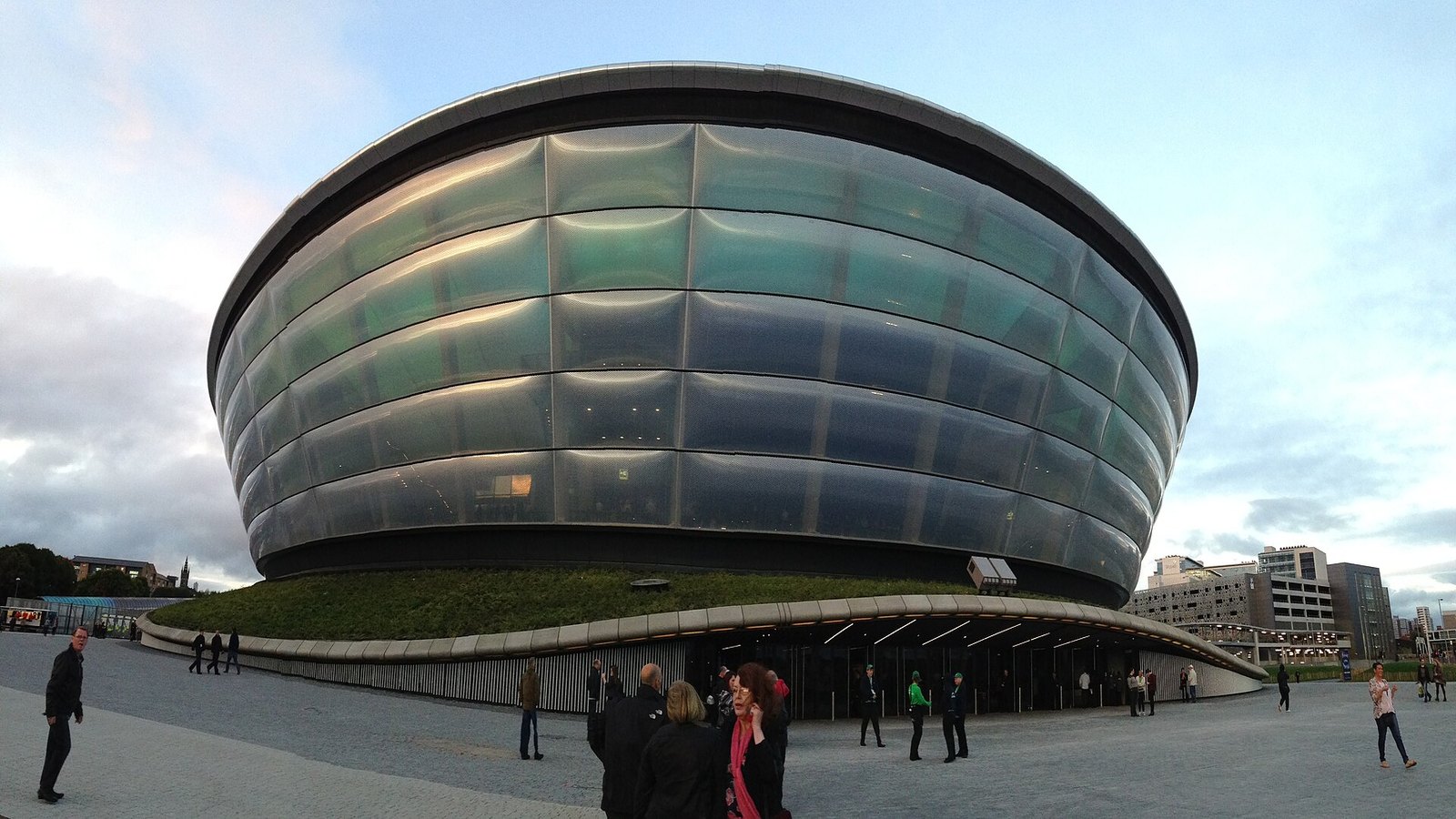
Glasgow, if you can. Not just because it’s cheapest. The Hydro is the best-sounding of the four rooms, it holds 14,000 rather than the O2’s 20,000, and Scottish arena crowds for soul and Motown acts are reliably the loudest in the country. It’s also the last date of the whole European tour, and last nights tend to run long.
Manchester’s Co-op Live has had a rocky reputation since its delayed 2024 opening, but the acoustics are excellent now the snagging’s done, and a Sunday night show means he goes on at eight and you’re on a tram by eleven. Birmingham is the opener, which cuts both ways: first night energy, but also the night where the setlist and the pacing are still being worked out. The O2 is the O2. Biggest room, hardest ticket, most expensive parking in the western world.
Whichever you pick, the seats worth targeting are the lower tier blocks off to either side of the mixing desk, roughly level with the stage lip. Front floor rows at any of these venues will be sold as a premium package and you’ll pay double for the privilege of looking up at his keyboard from below.
How to actually get one on Friday
Four rooms, one night each, the only full-album Stevie shows Britain has had in a decade. These will go. Not Fontaines-in-a-morning fast – the pricing and the age of the core audience both slow things down – but the £101 and £120-ish tiers will be gone in the first hour at every venue, and what’s left by lunchtime will be the £200 seats and the premium packages.
The presales are the real sale. O2 Priority and OVO Live opened on Wednesday, and if you have a Virgin Media or O2 account the Priority app is your best route to a cheaper seat. The Live Nation presale on Thursday at 10am only needs a free My Live Nation account and it’s worth setting up tonight. By general sale on Friday morning the bottom tier at Glasgow may already be thin.
Two things to set up beforehand. Register and log in to the right ticketing site for your venue before 9.55: AXS for the O2, Ticketmaster for Birmingham, Manchester and Glasgow. And have your card details saved, because the queue systems now time out baskets in under ten minutes. Everything else is luck.
Resale will be the usual mess. All four venues run official face-value resale, and Live Nation’s terms mean tickets bought through other secondary sites can be cancelled. Whether Live Nation adds the £1 grassroots levy to these tickets is worth watching; the pressure on big promoters to do it has only grown this year, and a pound off a £101 seat to keep a 200-cap room open in Glasgow is the right result.
What else British live music has on sale this autumn
September has turned into the month when next year’s calendar gets decided. Glastonbury 2027 registration needs doing before the autumn sale, and most people leave it too late. Fontaines DC’s stadium dates go on sale on Thursday. The Mercury Prize plays out in Newcastle on 22 October, with all twelve shortlisted acts performing. Radio 2 in the Park has been and gone. And Stevie’s four dates sit in the middle of it all, the one on-sale this month where the artist is older than the venue by fifty years. And if you want a cheaper Sunday-night fix this weekend, Radio 2 in the Park in Stirling has Simple Minds for £84.
That’s the frame to see it in. Every arena tour is a nostalgia exercise to some degree. This one is a 76-year-old choosing, for what may well be the last time in Britain, to play the hardest, longest, strangest record he ever made rather than the safe set. The ticket price reflects that. So does the fact that you’re reading this on Wednesday with two days to sort out a presale login.
If you could only afford one of the four nights, which record from that 1972-76 run would you rather hear in full – this one, or Innervisions?