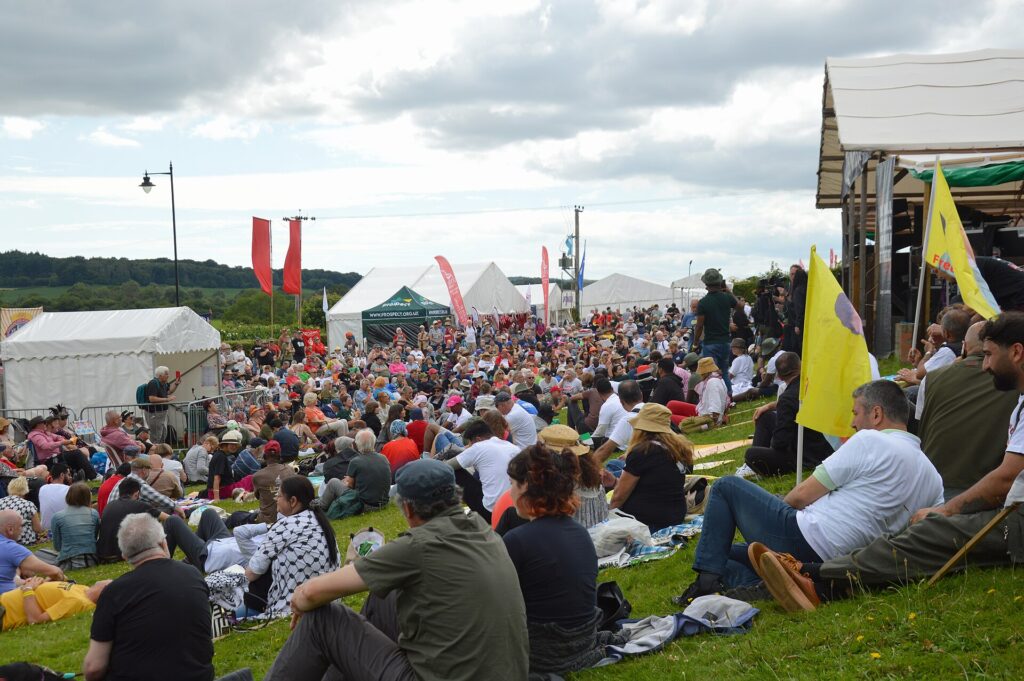
Radio 2 in the Park 2026: Simple Minds’ Only UK Gig Costs £84 – and Scotland’s Festivals Say They Paid for It
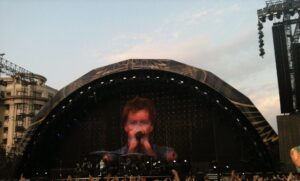
Simple Minds are playing one gig in Britain this year. One. It’s on a Sunday night in a park in Stirling, it costs £84, and it’s being put on by a radio station. That single fact tells you more about where Radio 2 in the Park 2026 sits in the British live music year than any line-up poster could. The BBC’s biggest annual event has turned into the kind of booking that arena promoters used to fight over, and it’s doing it on a council-owned field under a castle, with tickets priced closer to a decent theatre seat than a festival weekend.
In This Article
- Radio 2 in the Park 2026 in numbers: £43, £84, £146 and 30,000 a day
- Simple Minds' only UK show of the year is the whole reason to buy a Sunday ticket
- Saturday is the better day, and it isn't close
- The £43 Friday: five presenters playing records, and it'll probably be the best night
- The row the BBC would rather you didn't read about
- What £4 million bought Chelmsford, and what Stirling wants from it
- Practicalities: no camping, no parking, and check the trains
- So why pay £84 for something the BBC will broadcast for free?
It runs from Friday 11 to Sunday 13 September at City Park. Chaka Khan headlines the Saturday, Simple Minds the Sunday, and the Friday is a £43 DJ pre-party fronted by the station’s own presenters. Nobody had declared a sell-out as this piece went up, which for a 30,000-a-day site a week out is worth knowing before you assume it’s gone.
But it’s also the festival that a chunk of Scotland’s independent promoters say cost them their summer. Both things are true at once, and you should go in knowing both.
Radio 2 in the Park 2026 in numbers: £43, £84, £146 and 30,000 a day
The pricing is simple, which is rarer than it should be. Friday’s pre-party is £43 including the booking fee. Saturday and Sunday general admission is £84 each (that’s £79 plus a £5 fee), and it’s the same price whether you bring a folding chair or not. VIP on either main day is £146 and buys you a separate entrance lane, a covered bar, posher food and better toilets. There’s no weekend ticket. If you want all three days you’re paying £211 and sorting your own bed, because there’s no camping.
Set that against the rest of the year. All Points East charged about £70 a day for younger, hungrier bookings in Victoria Park. Creamfields wanted £290 for a weekend in a Cheshire field. And the Proms sold £8 standing tickets all summer for the best orchestras on earth, which remains the yardstick every other BBC event should be embarrassed by. At £84, Radio 2 in the Park is neither a bargain nor a rip-off. It’s a fair price for eight hours of live music from acts who’d charge you £60-plus for a single arena show on their own.
Daily capacity is 30,000, according to the eFestivals listing. Thirty per cent of tickets were held back for Stirlingshire postcodes when they went on sale in June, with the leftovers released to the rest of the UK a week later. Gates open at 4pm on Friday and 11am on Saturday and Sunday, and the whole thing wraps by around 10pm.
The BBC broadcasts every set live on Radio 2, BBC Sounds and iPlayer. Which raises the obvious question of why anyone would pay £84 to stand in a field in September for something they can watch on the sofa for nothing. I’ll come back to that.
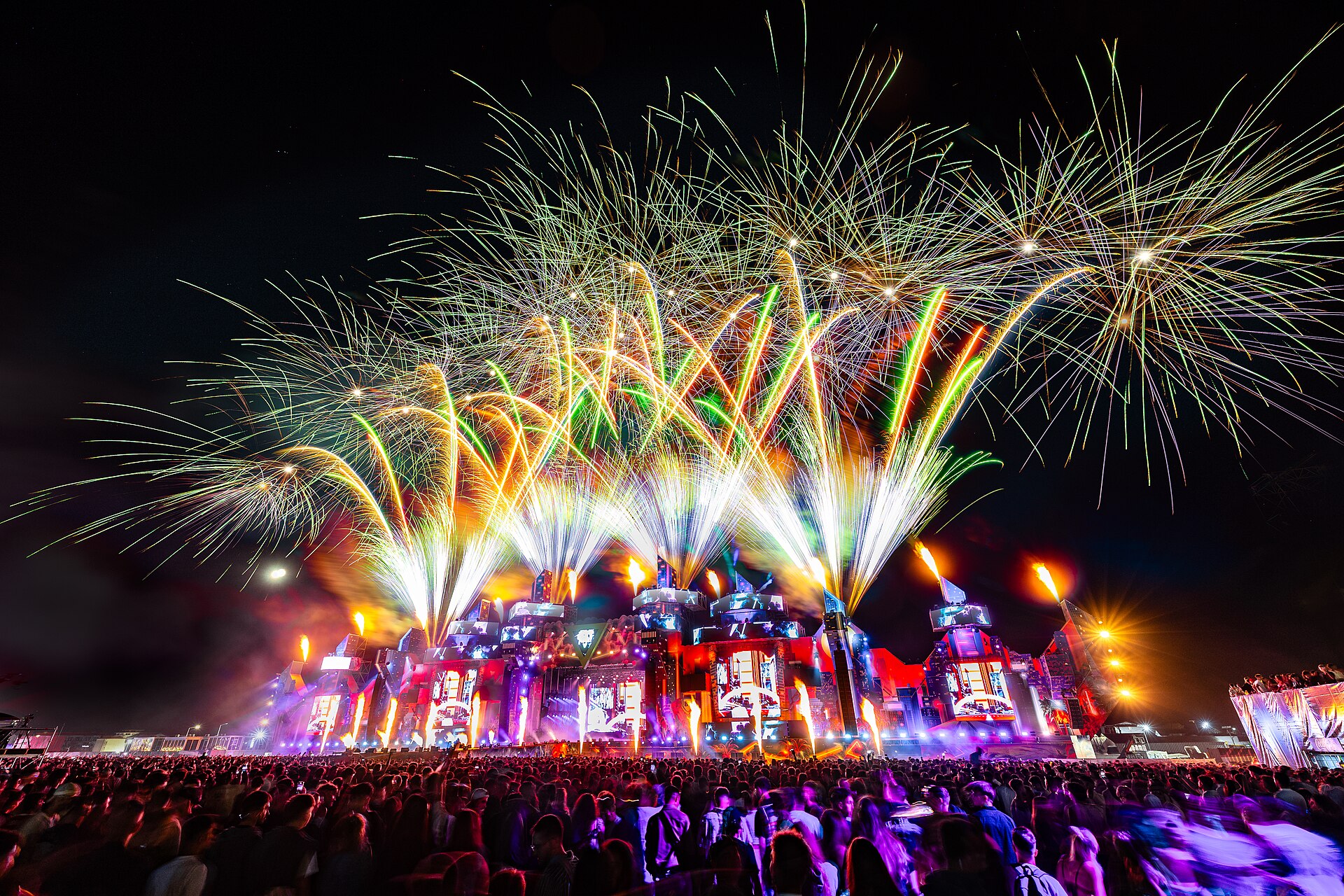
Simple Minds’ only UK show of the year is the whole reason to buy a Sunday ticket
Jim Kerr, speaking when the line-up was announced on the Radio 2 breakfast show in June, called it Simple Minds’ “first and only gig in the UK this year”. That’s not press-release puff. The Stirling date is a home fixture in every sense: they’re a Glasgow band, City Park is 40 minutes up the M80, and they were booked to headline this same event in Leeds in 2022 before it was cancelled at 24 hours’ notice after the Queen died. They never got to play that set. Sunday night in Stirling is the deferred version, four years late.
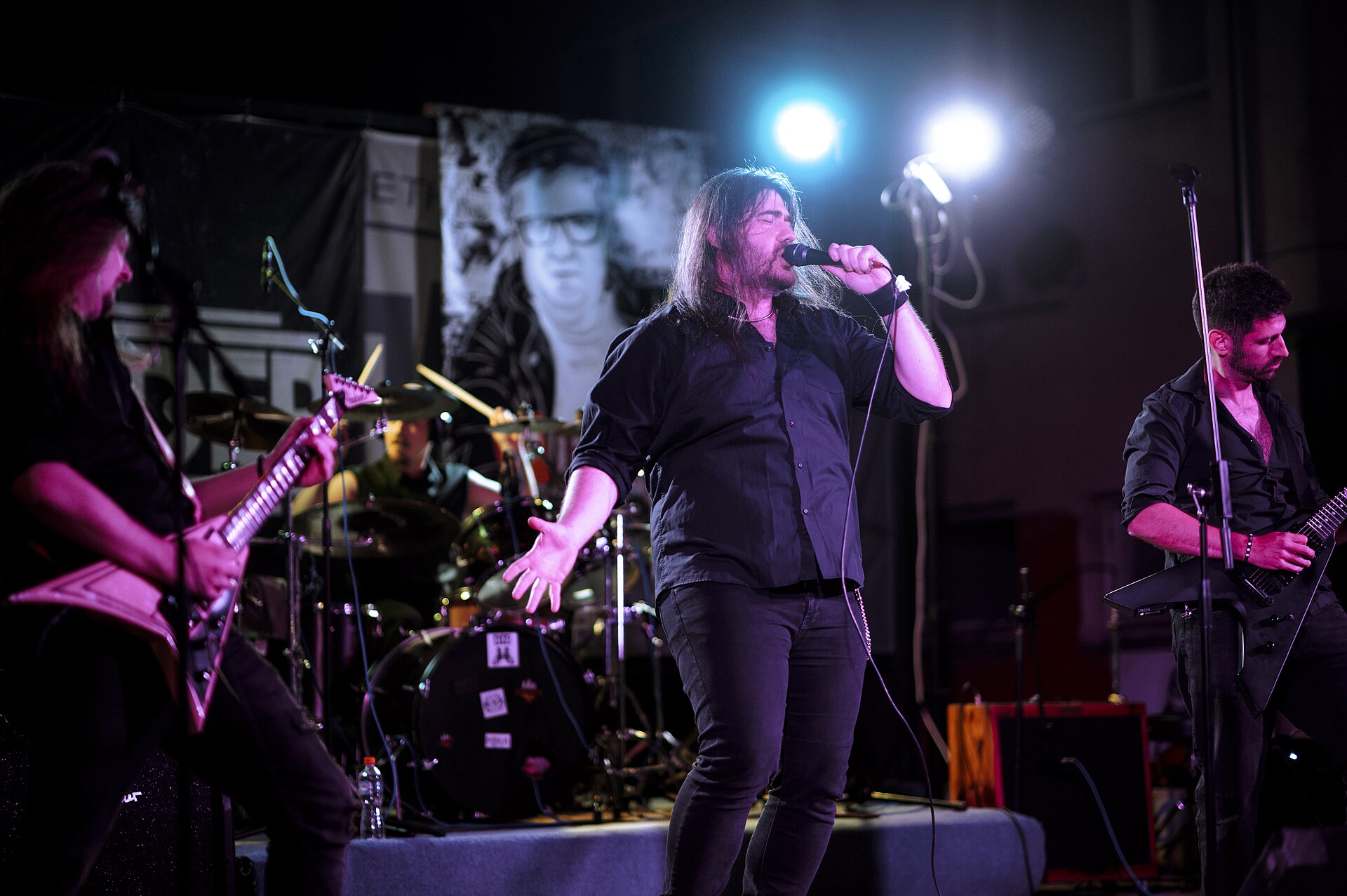
Anyone who’s seen them recently knows what you’re getting. Kerr still works a crowd like it’s 1985. The set will be front-loaded with Don’t You (Forget About Me), Alive and Kicking and Waterfront, because they know exactly why 30,000 people are there, and it’ll finish with the whole park doing the “la la la” bit without being asked. It’s not subtle. It’s also one of the few stadium-sized British bands still playing at full tilt, and £84 for that plus Level 42, James Blunt, Deacon Blue and Cast on the same bill is decent value by 2026 standards.
Deacon Blue at 1pm is the sleeper. They’ll have the Scots in the crowd singing Dignity before most people have found the bar. Cast at 3pm are a Britpop nostalgia act with a good back catalogue and John Power’s voice still intact. Blue at 4pm are the weak link; nothing wrong with them, but a boyband in daylight is a boyband in daylight.
Saturday is the better day, and it isn’t close
This is the bit where I disagree with the general drift of coverage, which has treated Simple Minds as the main event and Chaka Khan as the co-headliner. Look at the Saturday bill again. Texas open at 1pm on their home turf. Lulu at 2pm. Jack Savoretti, ABC, Emeli Sandé, The Script, then Chaka Khan at 8pm.
That’s a proper day. Texas are a better live band than most people give them credit for and Sharleen Spiteri will treat a hometown opening slot like a headline. ABC’s Martin Fry still sings The Look of Love in the original key, which at 68 is more than a lot of his contemporaries can manage. Emeli Sandé is a Scottish artist singing to a Scottish crowd in the tea-time slot when the light’s going. And Chaka Khan, at 73, remains one of the great voices in soul music; I’m Every Woman and Ain’t Nobody in a park at dusk is not something you get offered often in Britain at any price.
The Script at 6pm are the price you pay for the rest of it. Fine. Get a drink.
If you’ve got one £84 to spend, spend it on Saturday. The Sunday has the bigger name and the better closing 40 minutes. Saturday has the better afternoon, and afternoons are most of a festival.
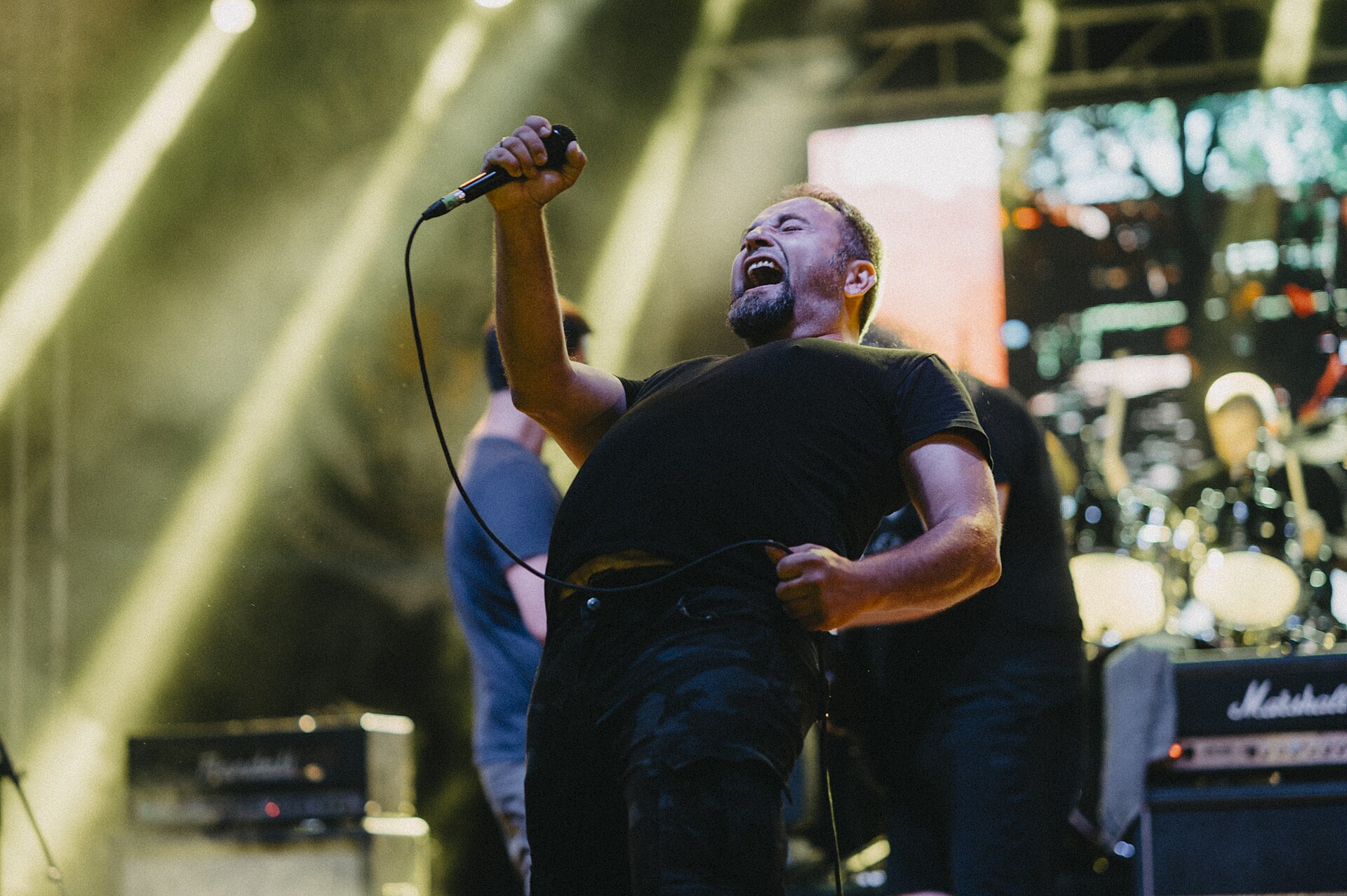
The £43 Friday: five presenters playing records, and it’ll probably be the best night
The Friday pre-party has no bands. Sara Cox at 5pm, DJ Spoony at 6, Gary Davies’ Sounds of the 80s at 7, Michelle Visage’s Handbag Hits at 8, then Rylan closing with what the BBC insists on calling Rybiza Anthems. Doors at 4pm, done by half ten.
On paper that’s £43 to watch radio presenters press play. In practice, if you were at Preston in 2024 or Chelmsford last year, you’ll know the Friday is where the actual dancing happens. It’s a Radio 2 listener club night with the volume up, the crowd is mostly over 40 and doesn’t care, and Rylan’s set is a proper event rather than a novelty. The satisfaction survey the BBC commissioned after Chelmsford had 97 per cent of visitors satisfied across the weekend, and it wasn’t the Saturday afternoon people were raving about on the way home.
Is £43 a lot for that? Yes, a bit. A comparable club night at a Glasgow venue would be £15 to £20. But you’re paying for a festival site, a licensed field in the middle of a city, and the odd chance of a Sara Cox stage invasion. It’s the ticket I’d buy if I only had one night and wanted to be sure of a laugh.
The row the BBC would rather you didn’t read about
Now the uncomfortable part. When the BBC announced Stirling, it originally pencilled in 7 to 9 August. Scottish independent festival organisers, who’d already booked their summers, complained loudly enough that the BBC moved it to September. That was presented as a fix. It wasn’t the end of it.
The Courier in Dundee has been on this story for months. Replay Festival in Perth, a nostalgia event that had booked Natalie Imbruglia and Blue for mid-August, postponed until 2027 and blamed the BBC directly, saying ticket sales across several Scottish festivals fell by more than half once Stirling was announced. Discovery Festival in Dundee was cancelled. The boss of Summer’s End in Brechin told the paper sales had “fallen off a cliff”. The organisers formed a group, the Scottish Independent Festivals Association, and say the BBC told them across five meetings that there’d be only one overlapping act. Then the Stirling bill came out with Blue, Level 42 and Emeli Sandé on it, all of whom had been booked for those smaller events.
The BBC’s line is that it engaged in good faith, moved the dates as a significant step, and disagrees with SIFA’s account of any assurances on crossover artists. Pete Wishart, the Perth and Kinross-shire MP and a former member of Runrig, has written to the Director General asking for the impact assessment to be published.
I don’t know who’s right about what was said in those meetings, and neither does anyone outside the room. But the pattern is hard to argue with. A licence-fee-funded broadcaster with a 12.4 million weekly audience (Radio 2 is still the UK’s biggest single station, per the Q2 RAJAR figures) can walk into a region, book the same middle-of-the-road acts the local promoters rely on, promote the thing on air for three months for free, and price it at £84. Nobody independent can compete with that. It’s the same argument people made about the £1 arena ticket levy and why grassroots venues need it: the top of the market doesn’t just take its own audience, it takes everyone else’s too.
None of that is a reason not to go. It’s a reason to be honest about what you’re going to.
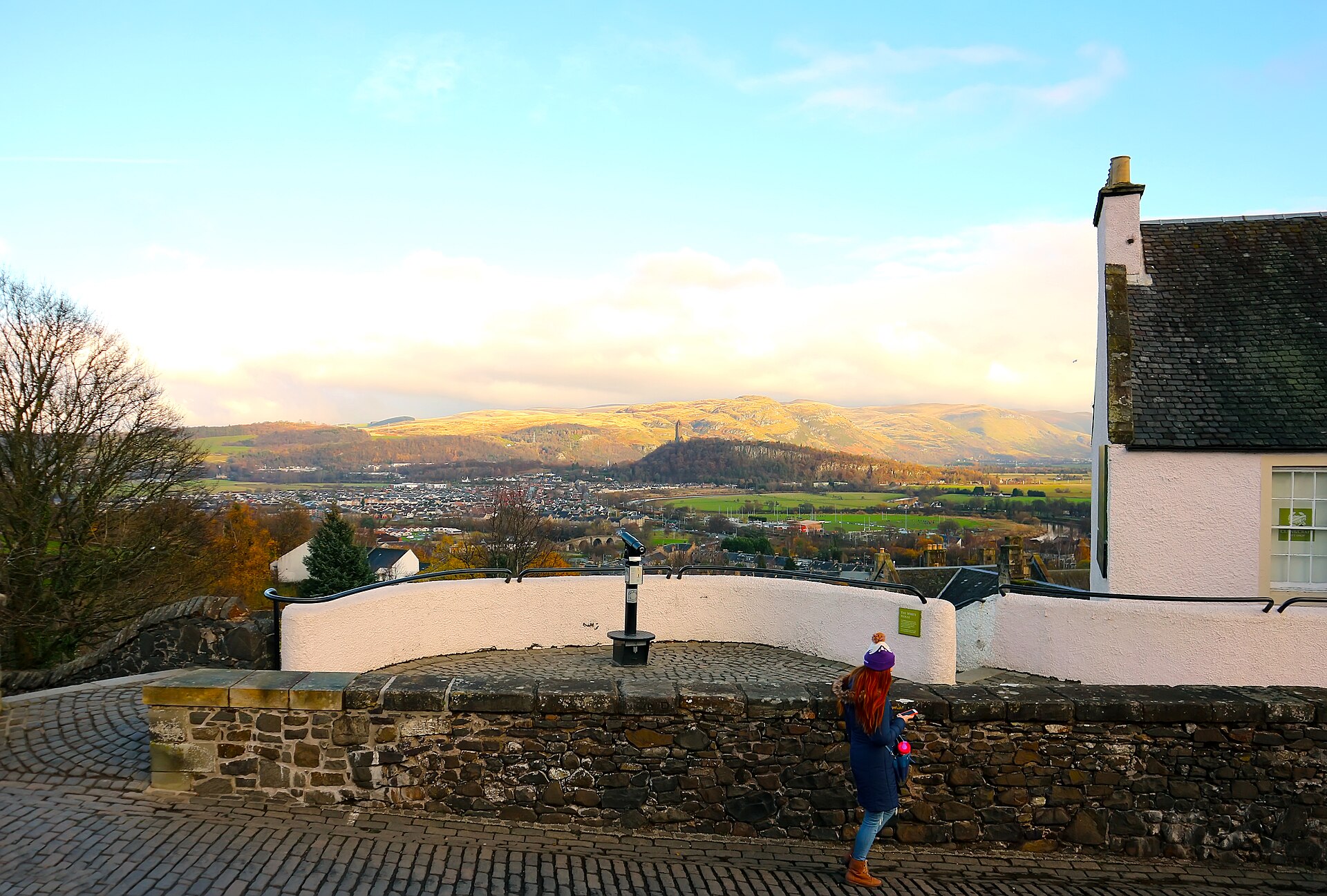
What £4 million bought Chelmsford, and what Stirling wants from it
The reason cities bid for this thing is the money. The BBC-commissioned report on last year’s Chelmsford edition, published in March, put the total economic impact at £4.1 million. Eighty-four per cent of visitors came from outside the city; hotels took an estimated £370,000; locals spent another £458,000 on top. For a mid-sized council that’s a very good weekend, and Stirling’s leadership has been open about wanting the same. The city was named the UK’s best place to visit in 2026 by one travel body earlier this year, and a three-day BBC broadcast with the castle in every wide shot is worth more than any tourism ad they could afford.
It’s also why the BBC tours it now rather than parking it in Hyde Park every September as it did from 2011 to 2019. Leicester, Preston, Chelmsford, Stirling: each one a city that doesn’t get this scale of booking otherwise, each one grateful. The Hyde Park years drew 45,000 people to a single Sunday. The touring version does 30,000 a day for two days plus a Friday, in cities where the hotels are cheaper and the local paper runs road-closure maps as front-page news.
It’s a clever model. It’s also, if you’re a promoter in Perth, exactly the problem.
Practicalities: no camping, no parking, and check the trains
The stuff that actually matters once you’ve bought the ticket.
There’s no public parking at the site. Pre-booked spaces are being sold through the official BBC event parking scheme at dedicated car parks around the city, with a pick-up and drop-off point at Castleview. Five full road closures and a resident protection zone go in around City Park, so don’t plan on driving close. Stirling station is about a mile’s walk, which is fine on the way in and less fine at 10pm in the rain. Engineering works are expected to hit the direct Edinburgh to Stirling line that weekend, and the Courier’s advice, which is sound, is to check ScotRail before you leave, especially on the Friday. Happy Bus is running official coaches from multiple Scottish towns on all three days.
One bag per person, A4 size or smaller. Sealed empty water bottles are allowed, glass isn’t. Food is fine if it fits in the bag. It’s a cashless site. Under-18s need an adult with them; under-twos don’t need a ticket. If you’re bringing a folding chair, it has to be within 60cm wide, 98cm tall and 68cm deep, which rules out most garden furniture and leaves you with the camping-shop kind that costs about £12 in Go Outdoors.
And it’s Stirling in mid-September. The forecast will change four times between now and then. Bring a proper coat, not a festival coat.
So why pay £84 for something the BBC will broadcast for free?
Because the broadcast version is a highlights package with presenters talking over the changeovers, and the live version is standing in a park with the castle behind you while a Glasgow band play their only British show of the year to a crowd that knows every word. That’s the whole answer. If it doesn’t move you, save the money and stick iPlayer on.
For the people it does move, and there are a lot of them, this is the last big outdoor weekend of the British year with a line-up that isn’t aimed at 22-year-olds. Glastonbury’s next sale is weeks away and won’t be for another nine months’ worth of waiting. The Last Night of the Proms is the same Saturday and is mostly sold. Stirling is the one you can still get into.
Buy the Saturday. Bring the coat. And when the Simple Minds sing-along kicks off on the Sunday and it’s being beamed into 12 million kitchens, ask yourself whether the Perth promoter who lost his August would have been in that crowd too, or whether he’s the one act the BBC never had to book.
Are you heading to Stirling, or have you decided the sofa and BBC Sounds will do the job this year?