
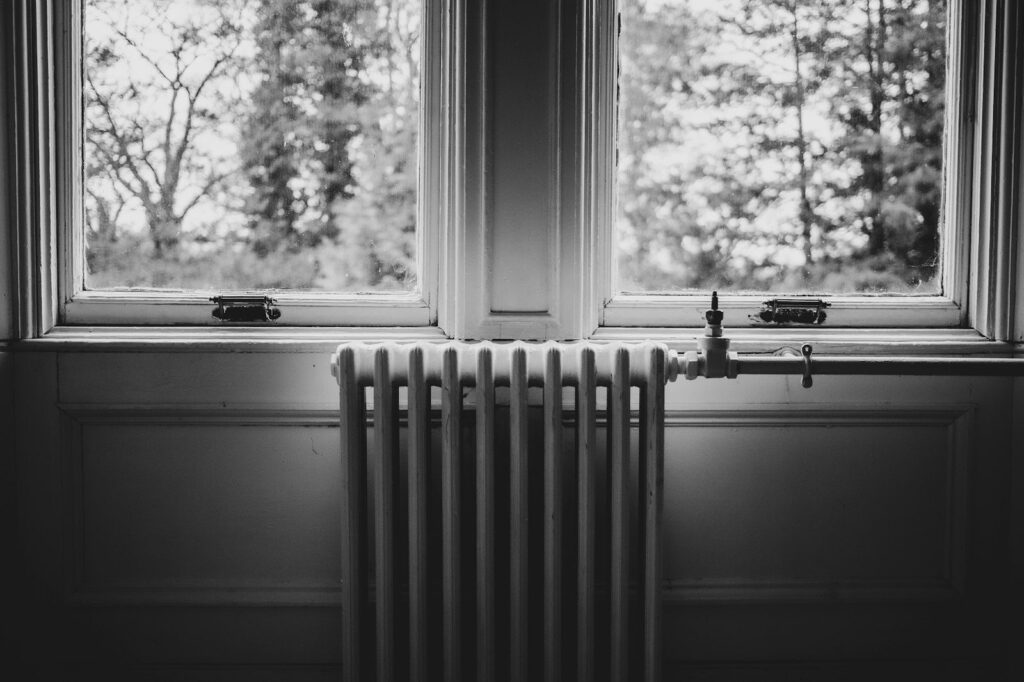
Why Britain Fell Back in Love With Column Radiators in 2026 – And the £150 Screwfix One That Beats the £1,200 Cast Iron
The white panel radiator under the window has had a forty-year run, and it’s over. Walk into any Victorian terrace that changed hands since about 2023 and you’ll find column radiators in the hallway, the sitting room and increasingly the bedrooms too: fat, ribbed, painted the same green as the walls, and costing anywhere between £75 and £1,200 a go. Appliances Direct’s search data shows interest in coloured column radiators up 179% year on year, and the cast iron version up 267%. Ofgem’s price cap goes up 4% on 1 October, gas by 8%, and this is the fortnight when half of Britain looks at the heating and decides something needs replacing before it goes on. The window above it is changing too: this autumn’s curtain trends have lined curtains and pelmets back over the sash.
In This Article
So it’s worth being clear about what a column radiator is actually for. Because it isn’t warmth.
Column radiators became the new kitchen island
Every decade has an object that signals “this house has been done properly”. In the 2000s it was the granite worktop. In the 2010s it was the Crittall-style door and the island (which, as we wrote recently, British kitchens are now quietly ditching). For 2026 the tell is a column radiator in a colour that isn’t white.
The logic is the same each time. The object is visible from the doorway, it’s expensive enough to imply money was spent, and it reads as a deliberate choice rather than a leftover. A panel radiator says the previous owner never got round to it. A column radiator in Farrow & Ball Green Smoke says somebody made a decision.
Estate agents have noticed. Sam Carter at Appliances Direct, whose figures are behind most of the 2026 trend pieces, puts it plainly: radiators are now part of how a house is presented and perceived, not a necessity hidden behind the sofa. The Property Daily carried his data in January and it’s been recycled by every radiator retailer since, but the underlying numbers hold up against what you see on Rightmove. Warm neutrals are the growth colour – searches for “beige radiator” up 85% – which tracks with the wider drift from grey to stone, putty and clay across British interiors.
And the trend has a practical driver too. The same dataset shows people are 34% more likely to search for how to fit a radiator themselves than to search for a plumber’s price. A column radiator is one of the few interiors upgrades a moderately handy person can do on a Saturday with two spanners and a bucket, which makes it a far cheaper “done up” signal than a new kitchen.
The output myth, with the Screwfix numbers
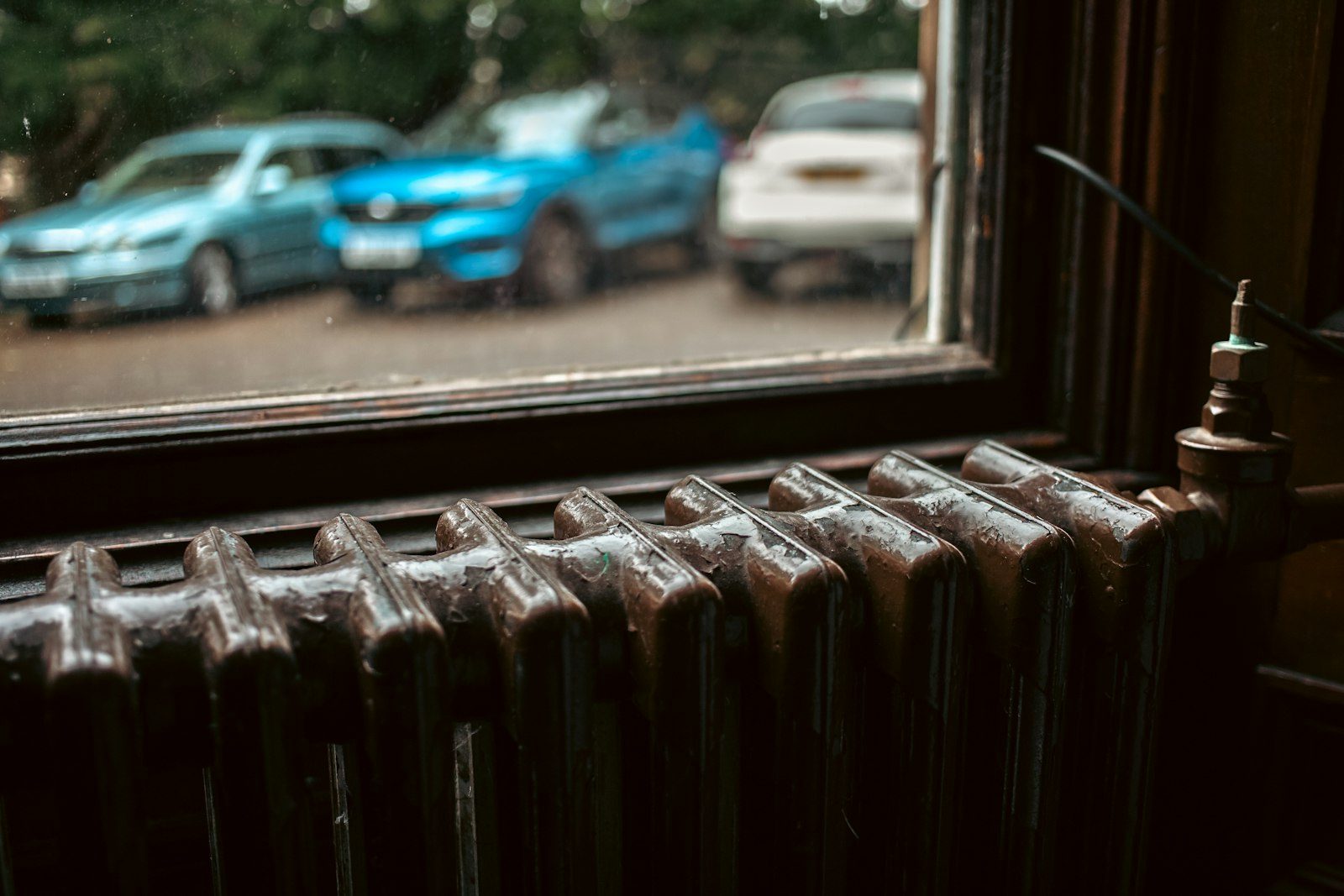
Here’s the contrarian bit, and it matters more than the colour chart. Retailers will tell you column radiators “radiate heat outward into the room” while panel radiators “only push warm air up to the ceiling”, and that a room “feels warmer faster” with columns even when the BTU figure is lower. This is marketing. It appears, almost word for word, on Stelrad’s blog, BestHeating’s, Planet Radiators’ and half a dozen others. None of them cite a test.
What we do have are the EN 442 ratings on the box, all measured at the same ΔT50 test condition, and they’re not close.
Screwfix’s own-brand Flomasta Type 22 panel radiator, 600mm high and 1,000mm wide, is rated at 5,832 BTU (1,709W) and costs £59.99. The Flomasta three-column radiator at almost exactly the same size, 600mm by 1,010mm, is rated at 4,366 BTU (1,280W) and costs £149.99 in black, £159.99 in anthracite. Go up to the Acova three-column, which is a Zehnder radiator with a Screwfix badge, and the 600mm by 1,042mm version gives you 4,571 BTU for £314.
Read that again. The column radiator costs two and a half to five times as much and produces roughly a quarter less heat from the same patch of wall. The 15-year guarantee on the panel is longer than the 5 years Acova offers. On every measurable heating metric, the £60 panel wins.
So buy the column radiator because you like how it looks. That’s a perfectly good reason – it’s the reason people buy most things in their house – but don’t let a salesman tell you it’s the efficient choice, and size it properly. A three-column at the width of the panel it’s replacing will leave a north-facing sitting room a degree or two short in January. Go up a column, or go wider. That’s another £50 to £100 you should budget for and most people don’t.
What £75 to £1,200 actually buys
The market splits into four tiers, and the gaps between them are about finish and guarantee, not heat.
£75 to £160: the steel budget tier. Flomasta at Screwfix (a two-column 600mm by 605mm is £74.99), Reina, Azur and the Milano Windsor range from BestHeating, which is the one you’ll see recommended on every Mumsnet thread. These are Chinese or Turkish steel, powder-coated, and they’re fine. The Windsors have a 20-year guarantee against Flomasta’s 10, and forum consensus for years has been that the Milano costs about a quarter more than the equivalent Acova but you get the longer guarantee for it. The finish is where you notice the price: the white is a slightly cold blue-white, and the anthracite shows fingerprints for the first fortnight until it’s had a coat of dust.
£150 to £400: Acova and the branded steel tier. Zehnder-made, heavier gauge, welds you don’t see. If you’re buying more than two or three, the difference between this tier and the one below is around £100 a radiator and you’ll see it every day for twenty years, so it’s usually worth it in the rooms you actually sit in. Not worth it in a box room.
£200 to £700: raw metal, vertical and coloured. This is where the trend is being sold. Victorian Plumbing’s Buxton two-column vertical in lacquered raw metal is £199.95 and looks three times that. BestHeating’s lacquered raw-metal Windsor is the version Livingetc shot in February. Factory colours from the big brands – Acova and Stelrad do RAL-matched finishes – add £80 to £200 over white, which is a lot to pay for something you could do yourself with a tin of radiator enamel and a Saturday. More on that below.
£400 to £1,200 and beyond: cast iron. Castrads, the Manchester firm that’s become the default for period-house renovations, prices by the section: bare metal from £31 plus VAT per section, with a branded paint finish another £6.92 a section, and a sitting room radiator is typically eight to twelve sections before you’ve added feet and valves. Reclaimed Victorian six-column radiators from the salvage yards run £500 to £1,200 restored, and “restored” is doing heavy lifting in that sentence – ask whether it’s been pressure tested, because an original 1890s casting that hasn’t been will find the weak spot in your new carpet within a winter.
The fitting bill nobody puts in the mood board
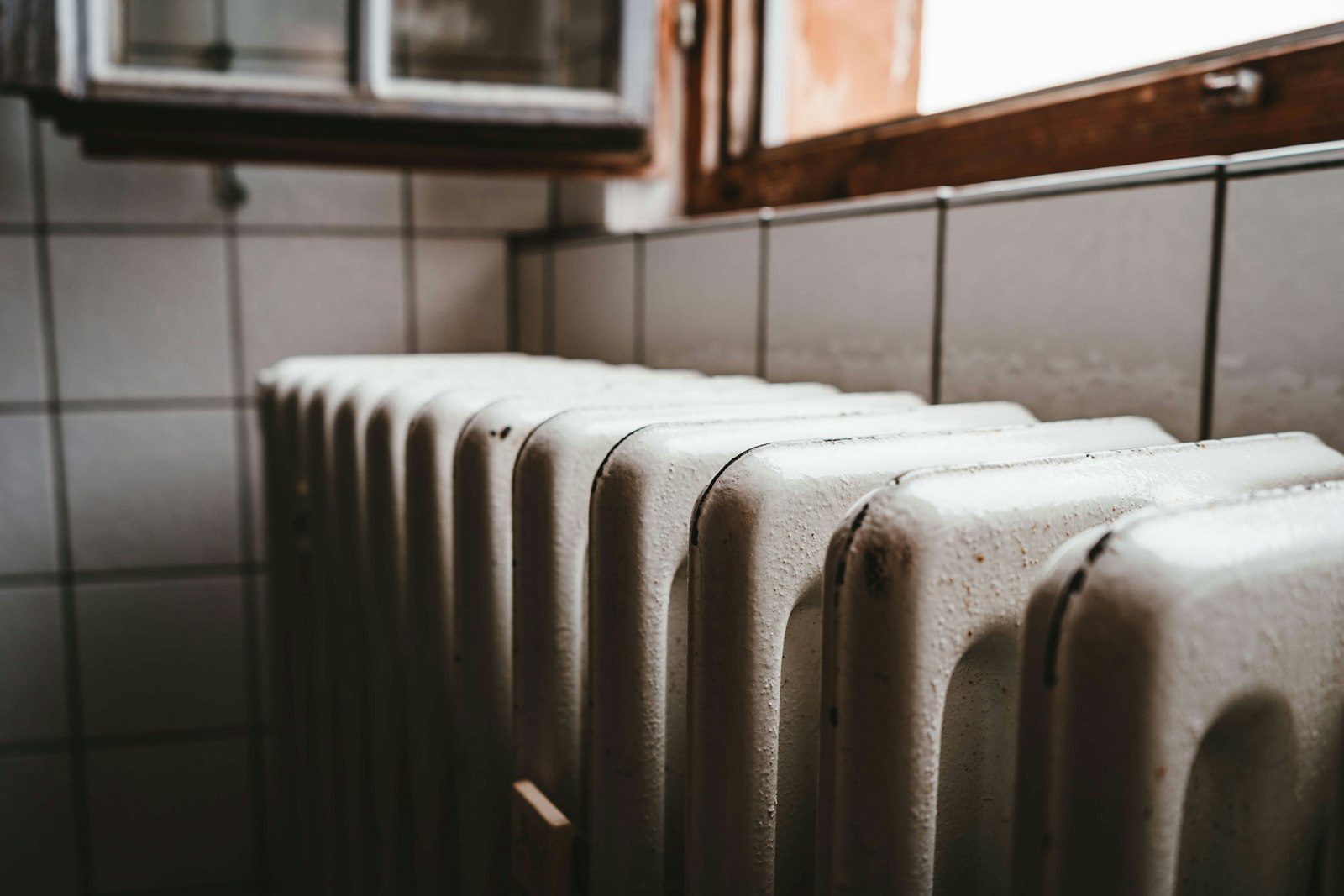
Checkatrade’s June 2026 cost guide puts the labour for a straightforward swap at £200 to £300, and column radiators sit at the top of their supply-and-fit table at £220 to £400 because they’re heavier, they often need new brackets, and the pipe centres almost never match the panel that came out. Cast iron is worse. A ten-section Castrad weighs the same as a fridge-freezer, needs floor-standing feet and usually a plumber who’s willing to reroute the tails.
Which means that on a three-radiator hallway-and-sitting-room job, the fitting can cost as much as the radiators. Budget the full number before you fall in love with a colour.
There’s also the heat pump question, which is going to matter to more people every year. A radiator’s rated output assumes 75°C water. A heat pump runs closer to 55°C, and at that temperature – ΔT30 in the jargon – a radiator gives out roughly half its rated figure. If there’s any chance you’ll be on a heat pump within the life of these radiators, you want the big four-column steel ones, or you want to leave the panel where it is. Cast iron’s slow, heavy thermal mass is the opposite of what a low-temperature system wants.
The £16 version
The single best-value move in this whole category is to paint the radiator you already have. Livingetc’s February feature on making radiators look good led with exactly this, and the designers they spoke to were split between two camps: paint it the wall colour so it disappears, or paint it a contrasting shade so it becomes the thing in the room. Both work. Neither costs more than a £16 tin of Rust-Oleum or Hammerite radiator enamel and some wet-and-dry paper.
A few things they don’t tell you. Take the radiator off the wall if you possibly can; painting in situ means the back and the fins stay white and it looks half-done from the sofa. Don’t paint the valves – they look terrible and you’ll gum up the TRV. And if it’s a column radiator, use a small foam roller for the flats and a 1-inch sash brush for between the columns, because a spray can in a British hallway in October with the windows shut is a good way to feel very ill.
A column radiator hand-painted in Little Greene’s Sage Green – a tin from a decorating merchant in Bristol for about £28, plus two hours’ work – versus a factory-coloured Acova at £180 over the white price. There’s no contest.
Where the trend goes wrong
Three or four rooms in, people start putting column radiators everywhere, and it stops working. The whole point of the column radiator in a 2026 house is contrast: the fat ribbed thing under the sash window in an otherwise plain room. Put one in every room and it reads as a catalogue. The bathroom is the one exception, where a column doubles as the towel warmer; our bathroom trends 2026 piece covers the brushed finishes taking over from chrome in there.
The other mistake is the radiator cover. Column radiators are a decorative object; covering one defeats the purpose and knocks a sizeable chunk off the heat output. If the radiator’s ugly enough to need a cover, replace it – or, per above, paint it.
And be careful with the boot room and hallway. We wrote last week about how the boot room became Britain’s most wanted space, and a column radiator is the standard fitting there, but a hallway with a front door opening onto the street needs more output than the room’s floor area suggests. A modest two-column is exactly the wrong choice in a draughty terrace hall. Go three-column, or better, a tall vertical: the Acova 2,000mm by 490mm three-column gives 6,244 BTU from a strip of wall 49cm wide, for £369.99.
What to actually buy before the heating goes on
If you’re replacing a panel in a room you sit in and you want the look: the Acova three-column in white, 600mm by 812mm at £199.99, or by 1,042mm at £314, painted yourself in the wall colour. Register the guarantee.
If you’re doing a landing, a box room or a utility where nobody’s looking: the Flomasta three-column at £149.99. It’s the same shape from across the room and nobody’s ever going to inspect the welds.
If you want a tall one in a hall: the Buxton raw metal vertical from Victorian Plumbing at £199.95, and pair it with a proper TRV, because a vertical radiator by a front door spends half its life fighting a draught.
If you’re renovating a period house and cast iron is the point: Castrads, sized by their own calculator, and ask for a rough-cast bare finish so you can paint it. Skip reclaimed unless you’ve seen the pressure test certificate and you’ve got a plumber who’s done one before.
And if what you actually want is a warmer room for less money on the October tariff, the honest answer is still the £59.99 Type 22 panel, a thermostatic valve, and the £35 electric blanket we covered on Monday. The lamps will do more for how the room feels at 7pm in November than the radiator will. Some things are worth paying for because they’re beautiful. Just be clear that’s why you’re paying.
Is a column radiator going to be the first thing you see when you walk into your own house this winter, or the last thing you’d spend £300 on before the bills go up?