
All Points East 2026: Twenty One Pilots Close the £70 Festival That Won Britain’s Summer
Tonight, when Twenty One Pilots walk out in Victoria Park, All Points East 2026 will close the books on ten days that quietly settled the biggest argument in British live music. Not the argument about ticket prices, though we’ll get to that. The argument about what a festival actually is. While Glastonbury sat this year out and another 20 independent festivals folded before June was over, a fenced-off stretch of east London parkland sold out day after day at £69.95 a head. No tents. No trench foot. Home on the Central line by midnight.
In This Article
The destination festival – the pilgrimage, the wellies, the four nights of canned lager and regret – is no longer the default. The day festival won. And All Points East is the clearest evidence we have.
Ten days, one postcode
The 2026 edition ran across two long weekends, 21 to 30 August, and the shape of it tells you how confident the organisers have become. Lorde opened the first Saturday with a set The Line of Best Fit called “a next-gen pop coronation”, starting – cheekily – with Royals. The following day Deftones headlined the Outbreak takeover, a full hardcore and metal day dropped into the middle of a pop festival’s run, which would have been unthinkable programming five years ago. Then Tyler, the Creator did two nights back to back on the second weekend, a residency move borrowed straight from the arena playbook.
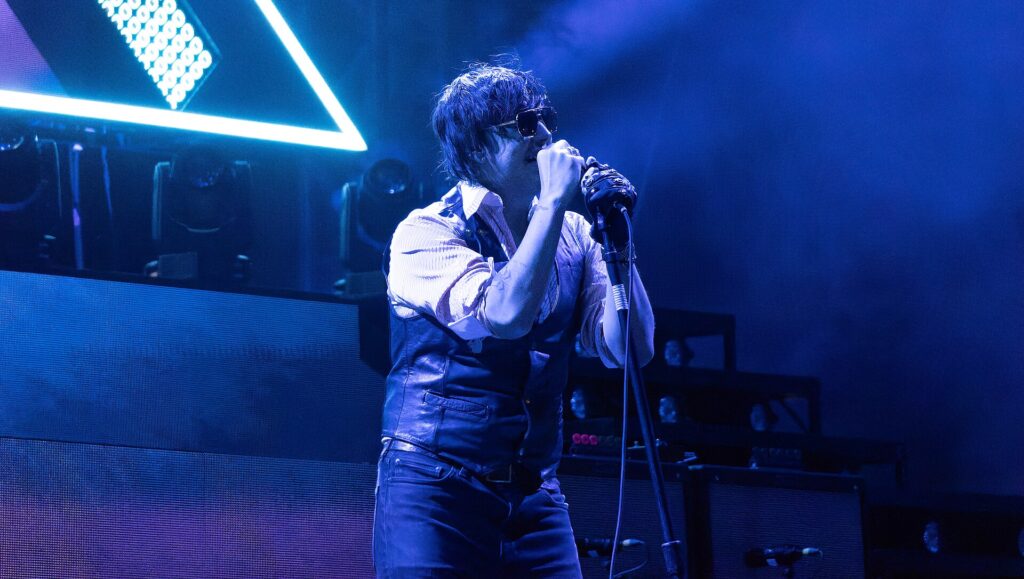
And tonight it ends with Twenty One Pilots playing a UK festival exclusive, with Wunderhorse, Ren and Gang of Youths further down a bill that runs from early afternoon. Time Out was still pointing readers at last-minute tickets this week, which tells you the closing day didn’t need a British headliner to shift its allocation. Hold that thought, because we’re coming back to it.
Spread across the run you also had Jorja Smith, Tems, Ayra Starr, RAYE and Chase & Status – a spread of bookings that doesn’t describe one festival audience so much as five different ones taking turns with the same postcode. Pop kids one Saturday, metalheads the Sunday, rap fans twice over the following weekend, and whatever you call the Twenty One Pilots faithful tonight, each paying for exactly the day they wanted and nothing else. It’s less a festival than a series of one-day festivals sharing a fence. Which sounds like a criticism. It isn’t. It’s the whole point.
The Outbreak day deserves a moment on its own, actually. Handing an entire day of your festival to a hardcore promoter – different crowd, different merch, different everything – is the kind of thing you only do when the format is strong enough to carry it. No camping festival could risk it; the audiences would be stuck with each other for four days. A day festival just resets overnight. Monday morning, the park doesn’t remember the mosh pits.
The £69.95 argument
General admission for a headline day started at £69.95 through AXS, with VIP topping out around £159.95, and payment plans available at checkout for anyone who’d rather split it across a few paydays. That’s not cheap for a day out. But price it against the alternatives and the logic gets uncomfortable for the traditional model very quickly.
Creamfields charged £290 for its August bank holiday weekend. Reading sold out its camping and its best value was arguably the £125 Sunday day ticket – a day ticket, note, at a camping festival, which rather gives the game away. Add coach travel, a tent you’ll abandon in a field, £7 pints for three days rather than one, and the true cost of a “proper” festival weekend sits somewhere north of £500 for most people. A day at Victoria Park, even with the tube fare and two overpriced burritos, comes in under £120.
The same weekend, up the M62, Manchester Pride makes a decent case for skipping the field altogether – a ticketed city-centre Gay Village with none of the tent-abandoning.
For a 24-year-old on London rent, that’s not a lifestyle choice. It’s arithmetic.
The day ticket also changes how people decide to go at all. A camping festival is a commitment you make in February, on faith, before a single act is confirmed for your Sunday. A day festival is a decision you can make on Wednesday because your group chat got excited. That flexibility is worth actual money to people whose annual leave, childcare and overdrafts don’t stretch to speculative purchases six months out. Promoters used to treat early commitment as loyalty. It was never loyalty. It was the absence of an alternative, and now the alternative exists.
Worth pausing on those payment plans, too. Spreading a £69.95 ticket over instalments would have seemed absurd a decade ago; now it’s standard checkout furniture, and promoters will tell you uptake is strongest among the under-25s. You can read that as accessibility or as a warning light about where live music pricing has drifted. Both readings are correct. It’s also, quietly, another advantage for the day festival: it’s much easier to talk yourself into financing one perfect day than four muddy ones.
The comparison that really stings, though, is the one nobody in festival marketing wants to make. The BBC Proms will still sell you an £8 standing ticket to hear a world-class orchestra this same week. Live music in Britain has never been simultaneously this expensive and this cheap, depending entirely on which queue you join.
All Points East 2026 and the death of the tent
Here’s the context that makes All Points East 2026 look less like a nice weekend out and more like a structural shift. The Association of Independent Festivals counted 20 UK festivals cancelled, postponed or closed by mid-June this year, following 43 losses in 2025 and a record 78 in 2024. Around 206 festivals have disappeared since 2019. WOMAD Glasgow went this year, citing low ticket sales. And in June, NME reported that Heritage Live pulled its entire season – shows featuring Eric Clapton, Richard Ashcroft and Christina Aguilera – for the same reason.
Read that list again. Those aren’t fringe events run by optimists with a field and a dream. Clapton doesn’t usually struggle to shift tickets.
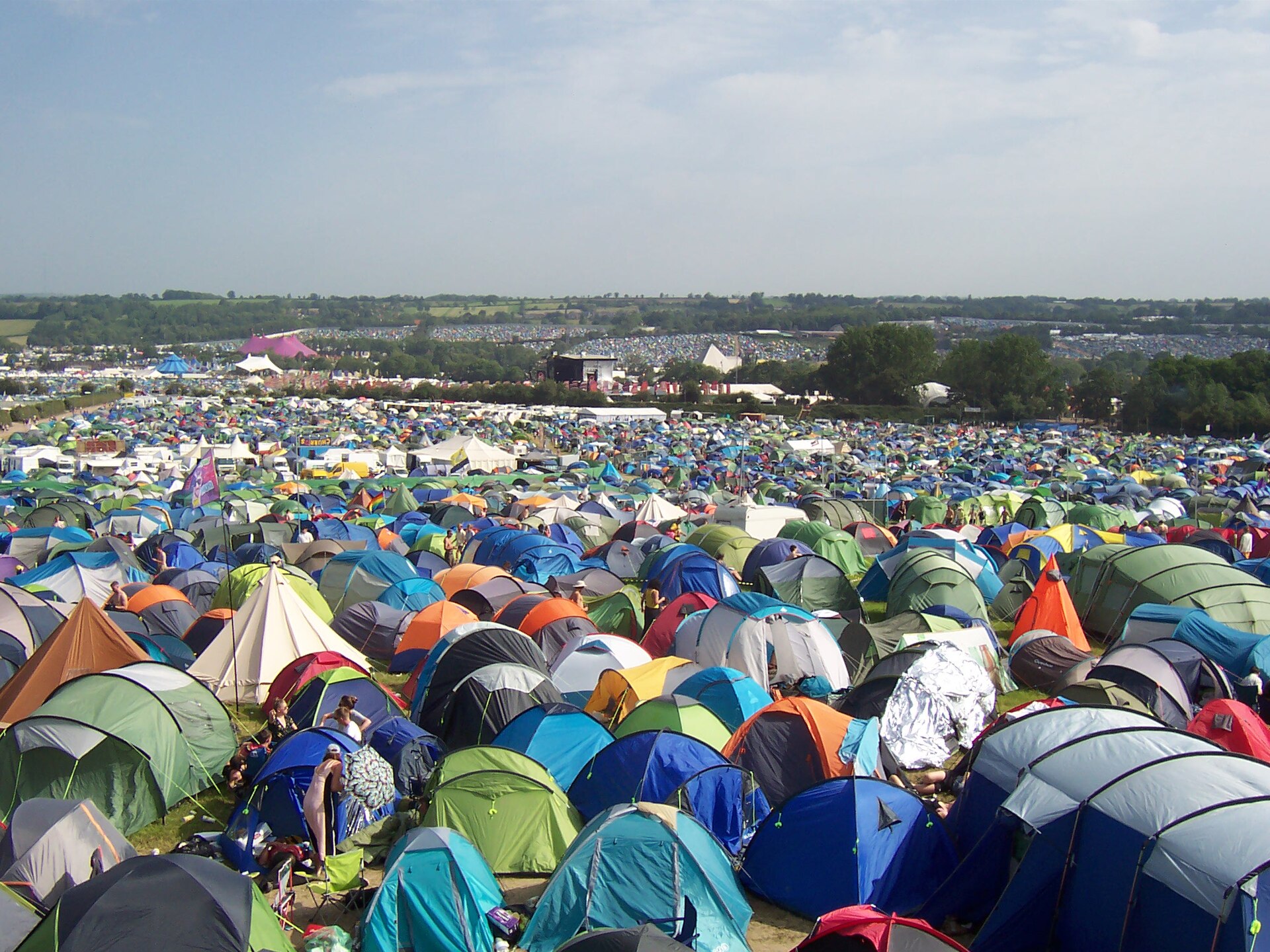
What’s collapsing isn’t demand for live music – arenas and stadiums had a monster year, and the £1 ticket levy exists precisely because the top of the market is swimming in money. What’s collapsing is a specific product: the mid-sized, multi-day, camp-in-a-field festival, squeezed between production costs the AIF says are still running 30% above pre-2019 levels and an audience that has quietly decided sleeping in a tent is a premium experience it no longer wishes to pay for.
The day festival dodges nearly all of that. No campsite infrastructure, no 24-hour security rota, no five-day licence, no armies of volunteers litter-picking a temporary town back into a field. The park is already there. The tube is already there. Your bed is already there. The festival borrows a city’s infrastructure instead of building its own from scratch, and the savings show up in a ticket price that still feels – just about – defensible.
There’s a demographic story underneath the economics as well. The audience that built the British camping festival in the 90s is in its fifties now and has firm views about mattresses. The audience that should be replacing it grew up with cheap flights to European city festivals and has done the maths on what £500 buys in Lisbon. The camping festival’s natural customer is getting older every year, and nobody younger is applying for the vacancy.
The free week hiding in the middle
Between the two paying weekends, something odd happens in Victoria Park: the fences stay up, and the park fills with free stuff. In the Neighbourhood, run with Tower Hamlets Council and local organisations, puts on a midweek programme of free entertainment, workshops and community events, most of it sourced from groups based around Tower Hamlets and Hackney.
Cynics will say this is the rent All Points East pays for occupying a public park for the best part of a fortnight, and the cynics are right. That’s exactly what it is. But it’s rent worth collecting. A family on one of the estates bordering the park gets a free week of things to do on their doorstep that would cost serious money anywhere else in London. My mate who lives off Roman Road treats it as an annual fixture and has never once paid to go inside the fence.
Compare it with the standard model, where a festival descends on somewhere rural, extracts £290 a head, churns the ground into soup and leaves. The urban day festival, whatever its faults, has to live with its neighbours for the other 355 days of the year. That changes its behaviour in ways that mostly benefit the people who live there – and it’s a template other cities’ councils have definitely noticed, because a fortnight of licensing income from a park you already own is about the easiest money local government can make.
The bit that doesn’t add up: where are the British headliners?
Now for the uncomfortable part, because this format’s victory came with a cost that not enough people are talking about.
Count the 2026 headliners: Lorde (New Zealand), Deftones (California), Tyler, the Creator (California), Twenty One Pilots (Ohio). RAYE, Jorja Smith and Chase & Status were on the bills, and strong on them. But the top line of Britain’s most successful day festival didn’t feature a single British headline act across ten days. Thirty-one years ago Blur played Mile End Stadium, a mile down the road, at the absolute peak of a scene this corner of London helped build. In 2026, east London’s flagship festival imports every closer from an ocean away.
You can defend it commercially. American acts sell, festival exclusives sell harder, and a UK exclusive from Twenty One Pilots fills a park faster than a fourth appearance from any homegrown indie band you’d care to name. But a festival that borrows its city’s parks, its transport and its goodwill while booking as if British music stopped producing headliners is making a choice, and it deserves to be called one. The format won the summer. The booking policy handed the trophy ceremony to someone else.
That’s the contradiction the day festival now has to resolve. It’s the most locally embedded model British live music has – and, at the very top of the bill, the least locally invested.
What next summer already looks like
The direction of travel isn’t subtle. Glastonbury returns in 2027 to a market that has changed underneath it, and the smart money says the fallow year did the day festival a favour it can’t take back – a full summer of headlines proving that nobody actually needs the tent. Expect more takeover days like Outbreak, more two-night residencies like Tyler’s, and more cities copying the Victoria Park template with parks of their own. The clearest sign of where guitar music’s money has gone is Fontaines DC booking five outdoor shows for 2027.
And it’s not as if the template lacks proof elsewhere. BST Hyde Park has been running the one-day stadium-in-a-park model for over a decade. Wireless owns Finsbury Park every July. TRNSMT filled the gap T in the Park left in Scotland by ditching the camping entirely, and nobody in Glasgow seems to mourn the tents. What’s changed in 2026 isn’t the existence of the day festival – it’s that the day festival now sets the terms, and the camping weekend is the one that has to justify itself.
The mid-sized camping festival won’t vanish. But it’s becoming what vinyl became: a format people choose for the ritual rather than the music, and priced accordingly. There’s no shame in that. There is, however, a much smaller market for it than the British summer calendar is currently built around, and the AIF’s closure figures are what that correction looks like in real time.
Tonight, though, belongs to the winners. Somewhere around half ten, Twenty One Pilots will finish, tens of thousands of people will stream out towards Mile End and Bethnal Green stations, and by half eleven most of them will be home with the kettle on. That, more than any line-up announcement, is the sales pitch every British festival will be competing with from now on.
So here’s the question for next August: when the day festival can give you Tyler, the Creator on Friday night and your own bed by midnight, what exactly would it take to get you back in a tent?