
Are Nicotine Pouches Safe? Stoptober 2026 Starts in Two Weeks, 770,000 Britons Are Already on Them – and the Entire Trial Evidence Is 269 People
The lad on the rowing machine next to me last Tuesday had never smoked a cigarette in his life. I know this because he told me, unprompted, while tucking a small white pouch under his top lip between sets. “It’s not tobacco,” he said. “It’s just nicotine.” He’s 24, he trains five days a week, and he gets through a tin every two days. Which raises the question a lot of people are typing into Google this month: are nicotine pouches safe? The answer’s more awkward than either the gym crowd or the tabloids would like, and with Stoptober starting on 1 October and a new age-of-sale law landing on 29 October, this is the fortnight to get it straight.
In This Article
- Are nicotine pouches safe? The honest answer fits in a paragraph
- 770,000 users, and a law that arrives on 29 October
- What seven trials and 269 people actually tell us about quitting
- The gym crowd who never smoked
- Your gums: what a Newcastle dental review predicts
- The strength problem: 3mg, 17mg and the imports nobody's checking
- If you're doing Stoptober: where pouches fit and where they don't
Are nicotine pouches safe? The honest answer fits in a paragraph
Safer than smoking, almost certainly. Safe, full stop? Nobody can tell you that, because the studies don’t exist yet. That’s not me hedging – it’s the position of Action on Smoking and Health, the Cochrane Collaboration and the British Dental Journal, and they’re not organisations that agree on much.
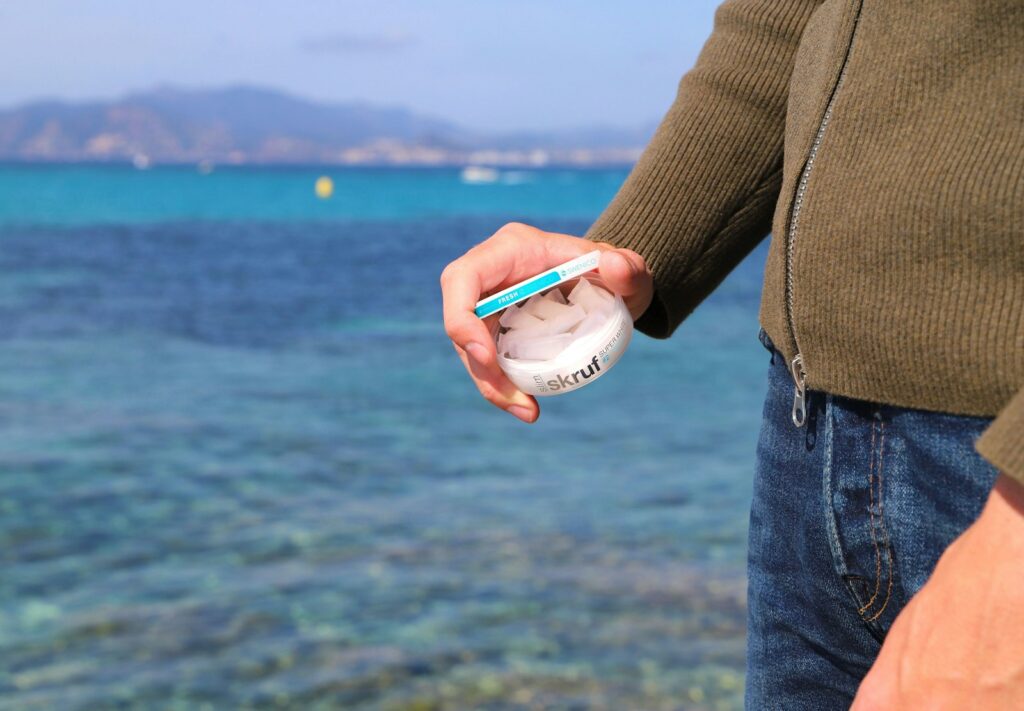
The product itself is simple. A pouch is a teabag-sized sachet of plant fibre, flavouring and nicotine salt, parked between the lip and gum for 20 to 40 minutes. No tobacco leaf, no smoke, no vapour. The nicotine crosses the lining of the mouth into the bloodstream. Because there’s no combustion, you skip the tar, carbon monoxide and the several thousand other compounds that make cigarettes the single biggest cause of preventable death in Britain. On that basis alone, a smoker who switches completely is doing themselves a favour.
But “less harmful than the most harmful legal product on sale” is a low bar. The relevant questions are different for different people. If you smoke, the question is whether pouches actually help you stop. If you’ve never smoked, the question is what you’re signing up for. And if you’re a parent, the question is why a product with no age limit is on the counter next to the chewing gum. Take those one at a time.
770,000 users, and a law that arrives on 29 October
ASH’s 2026 survey, run by YouGov across 13,259 adults in February and March, puts current pouch use at 1.4% of adults in Great Britain. That’s roughly 770,000 people. Another 6.6% have tried them at least once. Small numbers next to vaping, but the direction of travel is what matters: among 18 to 34-year-olds, use went from 1.2% in 2023 to 3.0% this year. Men are twice as likely to use them as women (2.0% against 0.9%). Awareness has climbed from 45% of adults to 62% in three years, which is what happens when a product goes from behind the counter at a Polish corner shop to a branded fridge by the till in every Tesco Express.
The bit that should bother people is the children’s data. ASH’s youth survey found 3.2% of 11 to 17-year-olds have tried a pouch – around 180,000 kids – and nearly half of that age group now know what they are, up from 38% two years ago.
Here’s the part most users don’t realise: right now, in September 2026, it’s legal to sell nicotine pouches to a 12-year-old. They fall outside both tobacco law and vape law, so they’re governed by nothing more than general consumer safety rules. No age limit. No cap on nicotine strength. No restrictions on flavours or advertising, which is why you’ve seen them on football hoardings and in Formula 1 paddocks.
That changes on 29 October 2026, when the Tobacco and Vapes Act brings in an age of sale of 18 and bans free distribution (the handing-out-samples-outside-a-festival model). An advertising and sponsorship ban follows on 1 June 2027. The Act also gives ministers the power to cap strength and restrict flavours and packaging, but those need a separate consultation first, so don’t expect them before 2027. A trade campaign called 20isPlenty is lobbying for a 20mg per pouch ceiling, which tells you something about how high the imports go.
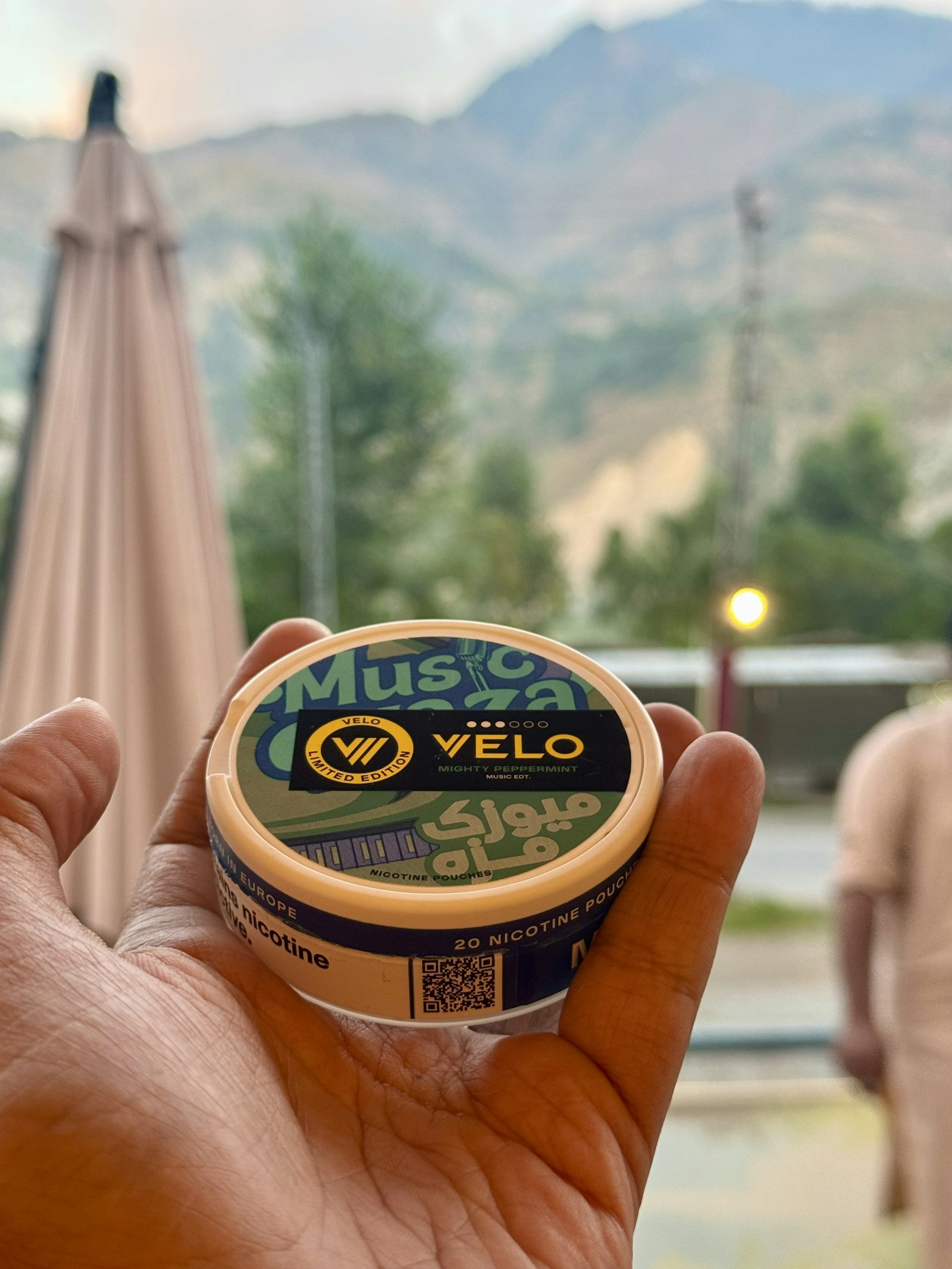
Worth knowing too: most of the big pouch brands in Britain are owned by tobacco companies. Velo is BAT. Zyn is Philip Morris. Nordic Spirit is Japan Tobacco. “Tobacco-free” is true of the ingredients and misleading about the business model.
What seven trials and 269 people actually tell us about quitting
If you smoke and you’re planning to use pouches for Stoptober, this is the section that matters, and the evidence is thinner than the marketing suggests.
A systematic review in the journal Addiction last year pulled together every randomised trial it could find. Seven trials. 269 participants in total. Across those, pouches reduced the number of cigarettes people smoked, they were rated more satisfying than nicotine gum, and they were tolerated well. But on the outcome anyone actually cares about – stopping smoking – there was no statistically significant benefit over other products or over nothing at all. The authors’ conclusion was blunt: the current evidence doesn’t support using pouches for cessation.
Cochrane reached the same place by a slightly different road. Their 2025 review, led by Jamie Hartmann-Boyce, is current to January 2025 and its summary is a lesson in how to say “we don’t know” politely. They’re uncertain whether pouches help people quit compared with no support. Low-certainty evidence from one small study suggests people given pouches may be slightly less likely to quit than people given an e-cigarette. On biomarkers and side effects, the evidence was rated very low certainty, meaning no conclusions could be drawn. The three studies that reported serious adverse events found none, which is reassuring as far as it goes, but three short trials in a few hundred people can’t tell you much about a product people use for years.
Two other things about that evidence base. Most of it was funded by the manufacturers, which doesn’t make it wrong but does mean the independent replication hasn’t happened yet. And NICE, which decides what the NHS will recommend, doesn’t list pouches as a stop smoking aid. Patches, gum, lozenges, sprays, varenicline and vapes are all on the menu. Pouches aren’t.
So if you’re a smoker weighing up your options for 1 October, the ranking by evidence goes: a licensed nicotine replacement product or varenicline with support from a local stop smoking service, then a vape, then a long gap, then pouches. That’s not because pouches are dangerous. It’s because we know the others work and we don’t yet know that pouches do.

The gym crowd who never smoked
Now for the part that I think is the real story, and where I’ll disagree with a fair chunk of the public health world.
The panic about pouches has mostly been framed as a smoking story – are they a gateway back in, will they undo decades of progress. But look at who’s actually using them. ASH’s data shows use is heavily concentrated among current smokers (5.1%) and ex-smokers (2.1%). Among people who’ve never smoked, it’s 0.3%. That’s low. The thing is, 0.3% of never-smokers in a population this size is still tens of thousands of people, they’re overwhelmingly young men, and from what I can see at my own gym, they’re the fastest-growing group.
The pitch to them isn’t about quitting anything. It’s focus, “clean energy”, a pre-workout you can use in the office. There’s a whole subculture on TikTok and in Hyrox changing rooms where a 10mg mint pouch before a session is treated as no different from a black coffee. Some of the same lads are doing Sober September and treating the pouch as the healthy vice.
And this is where I part company with the harm reduction purists who wave it all through. Nicotine is not caffeine. It’s one of the most dependence-forming substances in common use, it raises heart rate and blood pressure acutely, and the withdrawal – irritability, poor sleep, the low-level fog that lifts the moment you take another – is exactly what keeps smokers smoking. A never-smoker who starts on pouches isn’t reducing any harm. They’re acquiring a habit that costs about six quid a tin and that they will, on current evidence, find fairly hard to put down. For that person the sensible dose is zero.
I’d go further. The “tobacco-free” branding, the sports sponsorship and the mint-and-mango flavour range aren’t aimed at 50-year-old Lambert & Butler smokers. They’re aimed at exactly the 24-year-old on the rower. The industry knows it. The Act’s advertising ban next June is an admission that the government knows it too.

Your gums: what a Newcastle dental review predicts
Ask a dentist and you get a different set of worries entirely. In 2023 the British Dental Journal published a review for the dental team, led by Richard Holliday at Newcastle University, and its honest framing was that the direct research barely exists, so clinicians have to reason from what’s known about nicotine gum, lozenges and Swedish snus.
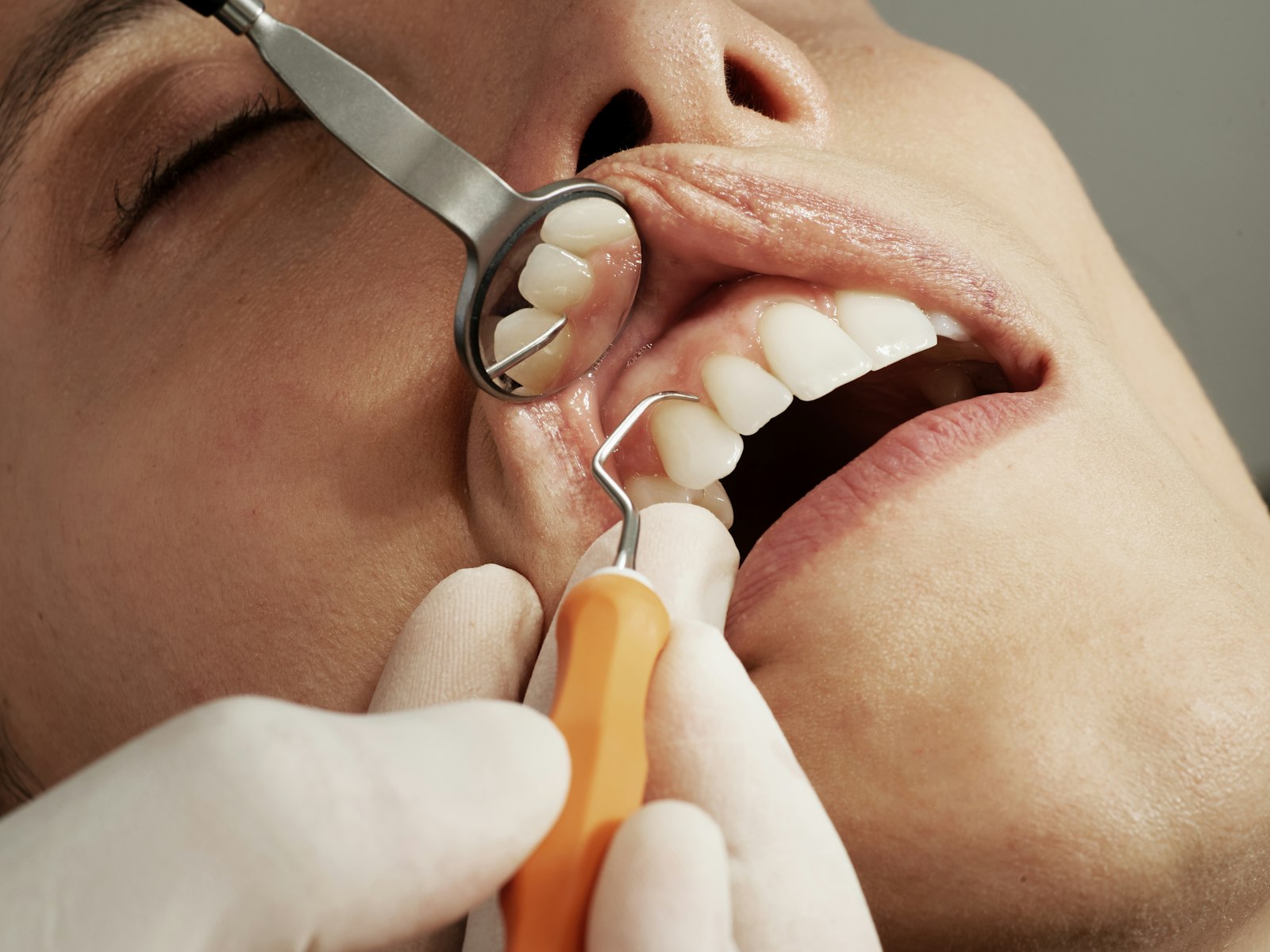
What that reasoning produces: the most likely problems are local. Soreness where the pouch sits. Small ulcers. And gum recession at the exact spot a user habitually parks it, because nicotine constricts blood vessels and the pouch is physically pressed against the same few millimetres of tissue for hours a day. Recession doesn’t grow back. Once the root surface is exposed you get sensitivity, a longer-looking tooth, and eventually a conversation about grafts.
Nicotine on its own isn’t linked to oral cancer the way tobacco is, which is a real point in the pouch’s favour over snus or chewing tobacco. But “won’t give you cancer” and “won’t damage your mouth” are different claims. Dentists I’ve spoken to informally are already seeing the pattern: a young patient, otherwise healthy, with a neat little patch of recession on one side of the upper jaw. It’s become a tell.
Practical advice if you’re using them and not about to stop: rotate where you put the pouch, keep it in for less time, and mention it at your check-up – it takes a dentist ten seconds to spot early recession and they can’t look for what they don’t know you’re doing. The “moist” or “wet” formats some brands sell are gentler on tissue than the dry ones, at the cost of releasing nicotine faster.
The strength problem: 3mg, 17mg and the imports nobody’s checking
This is the thing that would worry me most if I had a teenager. Because there’s no legal cap, the strength range on sale in Britain is enormous. The mainstream brands run from around 3mg per pouch at the bottom to about 17mg at the top – Velo’s “extra strong” sits at 17mg, Zyn tops out around 11 to 12mg in most shops, Nordic Spirit goes to 9 or 11 depending on the line. For context, a cigarette delivers roughly 1 to 2mg of nicotine to the bloodstream, and a piece of nicotine gum is 2mg or 4mg.
Then there are the imports. Online and in some independents you’ll find pouches labelled 30mg, 40mg and above, often with cartoonish branding and no meaningful ingredient list. These are the products the 20isPlenty campaign is trying to distance the big brands from, and they’re the ones most likely to end up in a school bag because they’re cheap and sold by people who don’t check ID.
A first-timer who puts in a 17mg pouch, let alone a 40mg one, will typically feel it within minutes: nausea, dizziness, a cold sweat, sometimes vomiting. ASH lists exactly those effects. It’s not dangerous in the sense of an overdose for most healthy adults – the body’s warning system is quite effective, and you spit the thing out – but it’s a rough introduction, and it’s also how a tolerance gets built quickly. Users tend to ratchet up. The 6mg you started on stops doing anything after a few weeks, so you buy the 10, then the 14.
Pouches also stay in for much longer than a cigarette takes to smoke, which means a steadier, higher total nicotine exposure across a day for heavy users. Whether that matters for long-term cardiovascular health is one of the questions nobody’s answered yet, because the product’s been mainstream for about six years.
If you’re doing Stoptober: where pouches fit and where they don’t
Stoptober’s own numbers are worth repeating. The Department of Health says smokers who make it through 28 days are around five times more likely to stay off cigarettes for good than those who don’t reach the milestone. The free package – the NHS Quit Smoking app, daily emails, access to a local stop smoking service – is better than most people expect, and it’s free, which £6 a tin isn’t. Use it. If you’ve already sorted the flu jab and a sensible autumn supplement shelf, a quit attempt is the single biggest health lever left.
Where a pouch does make sense: you’ve tried patches and gum more than once, they didn’t hold, and the alternative is a cigarette. In that specific case a pouch is a reasonable bridge, and a complete switch is far better than cutting down. Keep the strength low – 4 to 6mg is enough for most 10-a-day smokers – set an end date, and treat it as a stepping stone to nothing, not a permanent replacement.
Where it doesn’t: as a bolt-on to smoking (the evidence is for people who switch completely, not people who use both), as a “healthy” pre-workout, as a way to get through the pub, or as a sleep aid, which for reasons I can’t fathom is a thing some people online now claim, alongside taping their mouths shut. Nicotine is a stimulant. It’ll wreck your sleep.
And two groups should steer clear entirely. Anyone pregnant or trying to conceive – nicotine crosses the placenta and the NHS position is licensed NRT under supervision only. And anyone under 18, which from 29 October will finally be the law rather than just my opinion.
My own view, for what it’s worth: the pouch is probably the least bad way to take nicotine that’s ever been sold, and it’s being marketed to the people who have least to gain from it. Both of those things are true at once. The smoker who switches has my full support. The 24-year-old on the rower has a habit he didn’t need, dressed up as a supplement.
So which one are you – and if it’s the second, what exactly did the pouch give you that a coffee didn’t?