
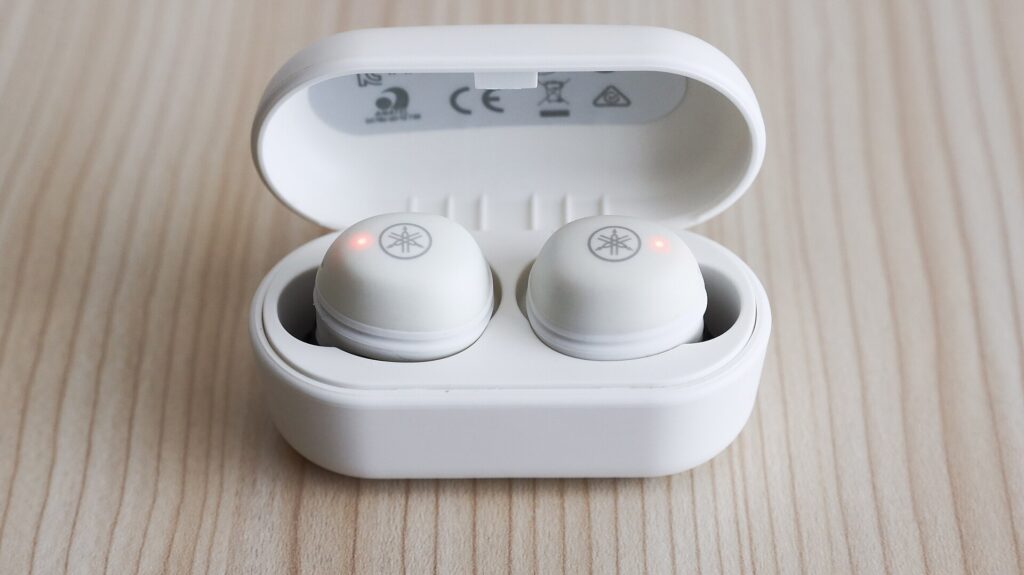
Best Noise Cancelling Earbuds Under £100: What £49 to £80 Buys for the September Commute – And Where the AirPods Money Goes
The quietest train of the year runs this week. By Tuesday it’s gone.
In This Article
- Why £100 became the line
- Sony WF-C710N: the default answer, from about £69
- Soundcore Space A40: the £49 stalwart with one big flaw
- Nothing Ear (a): the pair I’d spend my own money on
- EarFun Air Pro 4: for the spec sheet obsessives
- What noise cancelling can’t do (and nobody tells you)
- Three more that nearly made the cut
- The ones to skip
- What the extra £150 actually buys
- How to choose the best noise cancelling earbuds under £100
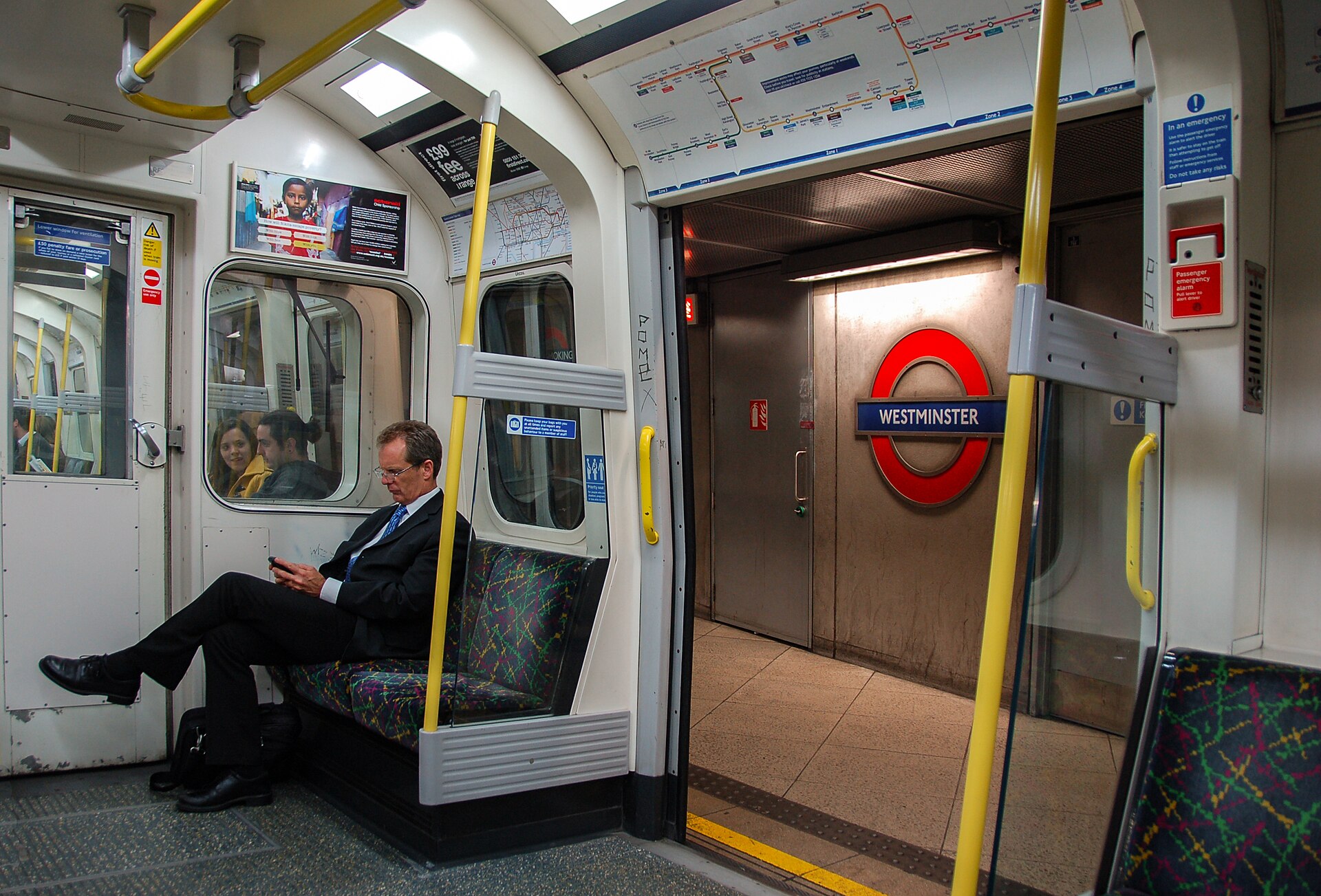
Schools in England go back on 1 and 2 September, the three-days-in-the-office crowd shuffles in behind them, and the carriage that spent August half empty becomes a wall of speakerphone TikTok and someone else’s drum and bass. If you’re going to fix your commute for less than a month of station car parking, do it now. And the timing is kind: the best noise cancelling earbuds under £100 have closed so much of the gap on the £250 pairs that what’s left is mostly software polish, call quality and a nicer case.
I’ve spent the summer switching between the main contenders on trains, buses and one regrettable delayed flight out of Luton. Four of them are worth your money. A couple of traps are not. Here’s how it shakes out.

Why £100 became the line
Four years ago, cheap noise cancelling was a punchline. The buds would cut a bit of engine hum, add a hiss of their own, and die before Reading. What changed is boring and industrial: the chips that do the cancelling got cheap, the Chinese brands that lived on Amazon got good, and Sony decided it would rather own the budget shelf than leave it to them. The result is that £60 to £80 now buys cancellation that would have cost £250 in 2021, and the big names have had to respond by getting better at the top instead of coasting.
Above £100, you’re paying for refinement. Below £50, you’re gambling. The £50 to £100 band is where the actual value sits, which is why every pair in this guide lives there.
One thing to ignore while you shop: “adaptive” noise cancelling. On sub-£100 buds it’s mostly a dimmer switch with a press release attached, nudging the strength up and down in ways you’ll never consciously notice. What matters is how much low-end rumble the buds kill and whether the ear tips seal properly when you jog for a platform. Fit beats firmware. Every time.
If you’d rather have over-ears – better battery, warmer sound, more obvious “do not talk to me” signal – our guide to noise cancelling headphones under £100 from April still holds up, and prices on most of those picks have drifted down since.
And if the money for all this comes from skipping a £1,099 handset upgrade, you’re thinking along the right lines – the case for a refurbished iPhone over this month’s new ones is the same value argument in a bigger font.
Sony WF-C710N: the default answer, from about £69
If you want the shortest possible version of this article: buy these.
The WF-C710N launched at £100 in spring 2025 and has spent most of this year hovering between £69 and £80, which at the lower end is silly money for what you get. The cancellation is the strongest of anything I tried under £100 – it takes the diesel drone of a Turbostar down to a background murmur and does better on aircraft than a £100 product has any right to. Battery is roughly eight and a half hours from the buds with cancelling on and about 30 with the case. Multipoint pairing is here, so they’ll sit connected to your laptop and phone at once, and the transparent Glass Blue finish is the rare piece of tech design that looks more expensive than it is. TechRadar called them the best earbuds for noise cancellation at the price, and for once the superlative survives contact with a crowded train.
They’re not perfect. The case is light, plasticky and doesn’t charge wirelessly. There’s no support for LDAC or any of the hi-res codecs, so Android audio nerds will sniff at the spec sheet. And the touch controls occasionally register a nudge as a skip when you’re adjusting your coat collar, which by January will have annoyed you at least twice.
None of that changes the maths. For most people, on most commutes, this is the pair.
Soundcore Space A40: the £49 stalwart with one big flaw
The Space A40 came out in 2022 and refuses to die, because nobody has managed to beat it at its price. It’s still the budget pick in Wirecutter’s budget wireless earbuds guide, and at the £45 to £55 it usually sells for, the spec list reads like a misprint: LDAC hi-res audio, wireless charging, multipoint, and a claimed 50 hours of total battery from a case small enough to disappear into a jeans pocket.
The cancellation is a step behind the Sony on train rumble – call it 80% as effective – but comfortably ahead of anything else at £50. For a student heading back this week, or as a spare pair for the gym bag, it’s the obvious call. Kitting out for term? Pair these with a machine from our best student laptop under £500 round-up and the whole setup comes in under £600.
The flaw: calls. The microphones make you sound like you’re phoning from inside a wheelie bin, and no firmware update in four years has fixed it. If your commute involves taking Teams calls on the move, spend more. There’s also no wear detection, so the music carries on merrily without you when you pull a bud out to order a coffee. Small things, but you’ll live with them daily.
Nothing Ear (a): the pair I’d spend my own money on
Here’s my one properly contrarian position: the Ear (a) is more enjoyable to listen to than pairs costing three times as much, including some you’d recognise from the top of the bestseller lists.
Nothing’s cheaper bud launched at £99 and has spent much of 2026 on sale under £80, dipping to about £50 more than once. The 45dB cancellation is nearly level with the Sony, it has the LDAC support the Sony lacks, and the tuning is the fun kind – warm, punchy bass that makes a grim Tuesday feel slightly cinematic without smearing the vocals. The yellow version is the best-looking object in this price bracket, and the pinch controls on the stems are far harder to trigger by accident than anyone’s touch panels. Squeeze to pause. Nothing else happens. Revolutionary stuff.
Trade-offs, because there are always trade-offs: battery with cancelling on is around five and a half hours from the buds, the weakest here, and the case skips wireless charging. Fine for a commute, marginal for a long-haul flight. But of the four pairs I rotated through this summer, this is the one I kept reaching for on days when I wasn’t testing anything.
EarFun Air Pro 4: for the spec sheet obsessives
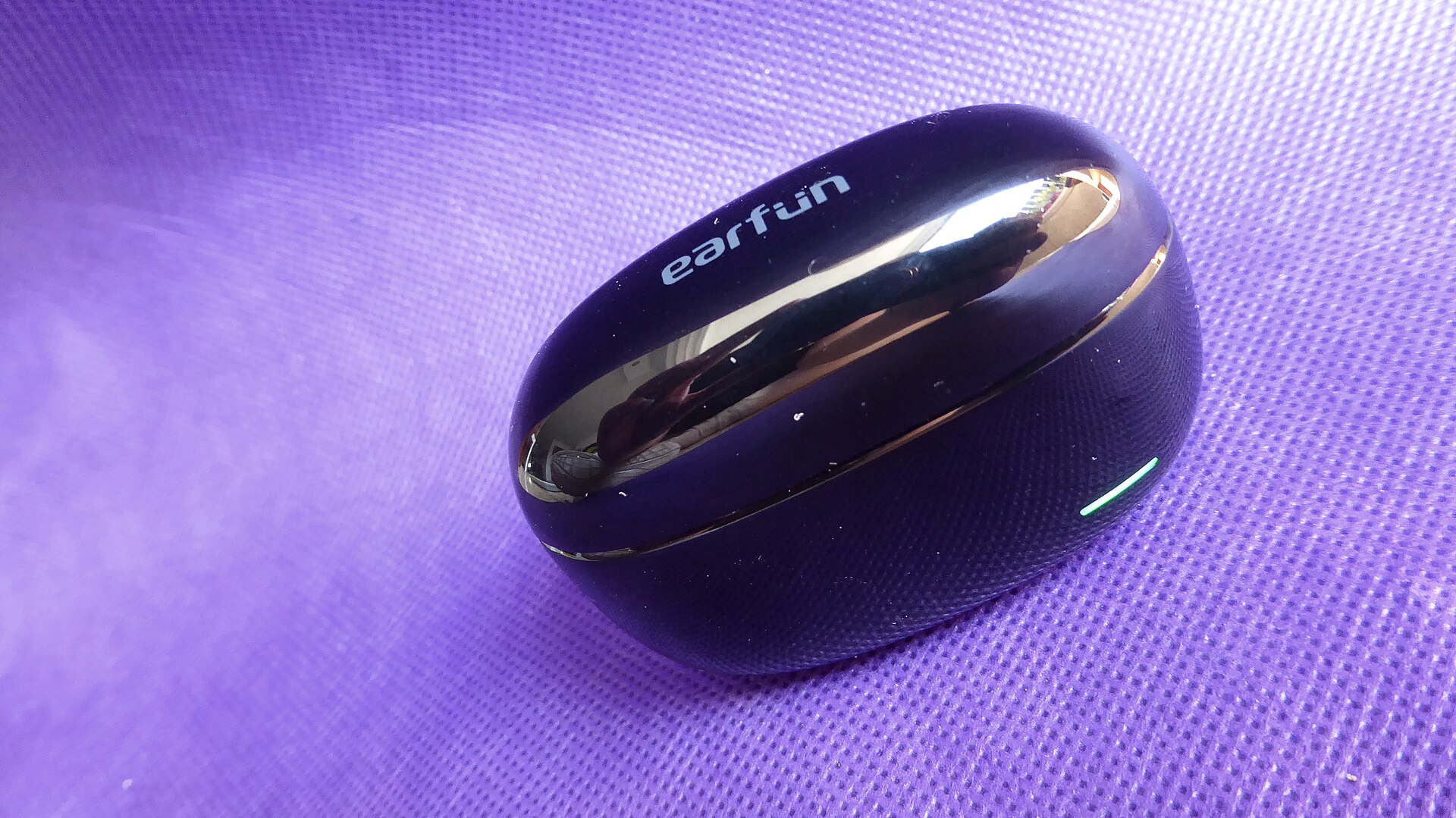
Barely known on the high street, well known on Reddit. The Air Pro 4 packs aptX Lossless, LDAC, and a claimed 50-plus hours of total battery into a £70-something package, and the cancellation is close enough to the big names that you’d need quiet and concentration to rank them.
The catch is everything around the sound. The app is cluttered, the default tuning needs ten minutes of EQ fiddling to stop the bass swallowing everything, and the case feels like it came free with something else. Buy them if you enjoy tinkering. Skip them if you want to open the box and get on the train.
What noise cancelling can’t do (and nobody tells you)
A quick expectations reset before you spend anything, because the technology has a shape and the marketing hides it.
Active cancellation is brilliant at constant, low-frequency sound: engine drone, air conditioning, the rumble of wheels on rails. That’s physics – steady sounds are predictable, and predictable sounds can be inverted and erased. It’s far weaker against the sounds that actually annoy you most. Voices, a crying toddler, the tsss-tsss of leaking earphones two seats over, the automated announcement apologising for the delay to the 08:14 – all of these are irregular and mid-frequency, and every pair on this page will only muffle them, not remove them. The £250 pairs muffle them slightly more. None of them make a chatty carriage silent.
What closes the gap is music at moderate volume on top of the cancelling. The buds take out the floor of noise, your audio covers the rest, and you get silence’s useful cousin: not hearing anything you didn’t choose. That combination works at £49 nearly as well as at £249.
Two side effects to know about. Some people feel a faint pressure sensation with cancelling on, like the start of a yawn – it fades for most, but if it doesn’t, that’s what return windows are for. And on quiet walks, strong cancellation can be unnerving around traffic, so learn where the transparency toggle lives before you need it at a crossing.
Three more that nearly made the cut
Our spring roundup backed a different set of picks, and they haven’t stopped being good just because the Sony arrived. CMF Buds 2 Plus (around £69), from Nothing’s budget sub-brand, measured among the strongest cancellation we’ve seen at the price – low rumble from train engines and air conditioning in particular – with a bass-heavy tune you’ll want to flatten in the app and about six and a half hours with cancelling on. Cambridge Audio Melomania A100 (£89.99) is the one for people who care about the music more than the silence: LDAC and aptX Lossless support, a more measured cancelling that avoids the pressurised feeling, and a slightly bulkier bud as the price. And JBL Live Pro 2 (around £79.99) is the battery pick, with roughly eight hours of cancelled listening per charge and a comfortable fit for a long day.
None of them beats the Nothing Ear (a) for me. But if the Sony is out of stock, or you can find the CMF under £60, they’re all better buys than the marketplace no-names below.
The ones to skip
The marketplace no-names first. Amazon is carpeted with £25 buds claiming “55dB noise cancelling” and five-figure review counts, and having tried a couple so you don’t have to: the claims are fiction, the cancelling is a faint hum-reduction at best, and the review counts are doing a lot of heavy lifting. RTINGS’ measured rankings are a useful antidote here – the gap between marketing decibels and measured performance is a chasm below £40.
Watch out, too, for the station-shop impulse buy. The £29 pairs hanging by the tills at WHSmith exist for people who left theirs at home, not for people choosing on purpose.
And one warning about a name you trust: Sony’s WF-C510, the £40-ish little sibling of my top pick, has no active noise cancelling at all. It’s a perfectly decent cheap earbud, but the packaging says “noise isolating”, which is marketing for “it blocks sound the way any earplug does”. More than one person has grabbed it thinking they were getting the real thing. Read the box.
What the extra £150 actually buys
So should anyone still pay £180 for AirPods Pro or £250-plus for the Bose QuietComfort Ultra? Sometimes. It’s worth being precise about what the money gets, because it mostly isn’t cancellation any more.
It gets you better microphones – the premium pairs make you sound human on calls in a way nothing in this guide quite manages, the Space A40 least of all. It gets you transparency modes so natural you forget they’re on, which matters if you need to hear platform announcements without pausing anything. On AirPods it gets you the hearing test features and the effortless handoff between Apple devices, which is a real pleasure and entirely worthless to anyone on Android. And Bose still holds the outright cancellation crown, by a margin you’d describe as a notch rather than a gulf.
On a rattling Northern line carriage last winter, I A/B tested the Bose against the Space A40. The Bose won. It did not win £200 worth. If most of your listening is podcasts and audiobooks rather than lossless jazz – and given 39% of British podcast listeners just want the audio anyway – the sensible move is a £70 pair and £150 kept back. That buys a year of Audible with change, and we’ve got nine British audiobooks worth starting with.

How to choose the best noise cancelling earbuds under £100
Whichever way you lean, four things matter more than the spec sheet suggests.
Fit first. Cancellation is half electronics, half rubber: a badly sealed ear tip throws away more performance than any chip can add back. Try the other tip sizes in the box before judging anything – the mediums that come fitted suit fewer ears than manufacturers pretend.
Treat battery claims the way we learned to treat power bank capacity claims at festivals: as lab numbers. Quoted figures are usually measured with cancelling off at moderate volume. Knock a third off for real-world commuting and see if the number still works for you.
Multipoint matters if you work between a laptop and a phone; its absence is the single most common regret in one-star reviews. And buy from somewhere with painless returns, because a pair that doesn’t fit your ears is a bad pair regardless of what any reviewer says. John Lewis and Argos both take opened audio back within 30 days; the marketplace seller with the algorithmic brand name does not.
Prices on all four picks will wobble again around Black Friday, and if you can happily wait twelve weeks, waiting is rational. But Black Friday is in late November, and the loud carriages start Tuesday. How many mornings of somebody else’s phone speaker is £30 of savings actually worth?
Thinking of waiting for the sales? Our Black Friday 2026 tech deals guide looks at which products are worth holding out for.