

Tongkat Ali UK 2026: The Testosterone Herb Britain’s Gym Crowd Swears By – And Where The Evidence Falls Short
A British supplement company turned down free money this February. Nature’s Best, which has sold vitamins by mail order since the 1970s, published a short blog post with a blunt headline: Tongkat Ali: Why We Don’t Sell It. Their reasoning was that there are “very few studies of Tongkat Ali in humans, so there is insufficient data to support any health claims.” That’s a shop choosing not to stock one of the fastest-growing products in its own category.
In This Article
- What tongkat ali actually is
- What the testosterone research actually shows
- The libido and fertility claims, untangled
- The dosing and quality problem the ads skip
- Why a respected British retailer won’t stock it
- How people actually take it, and who shouldn’t
- Who might feel something, and who’s funding the hype
- The cheaper bets with better evidence
Tongkat ali is everywhere right now. It’s in the pre-workout your gym mate swears by, in the “natural testosterone” stacks all over Instagram, and increasingly on the shelves at the bigger UK chains. One Malaysian brand reported a 57% jump in daily sales over a single quarter last year. So what’s the gap between the marketing and what the science can actually back up, and is any of it worth your money in 2026?
I’ve spent a fortnight reading the trials, the brand claims and the small print so you don’t have to. The short version: there’s a real effect hiding under a mountain of nonsense, and most people buying it are buying the nonsense.
What tongkat ali actually is
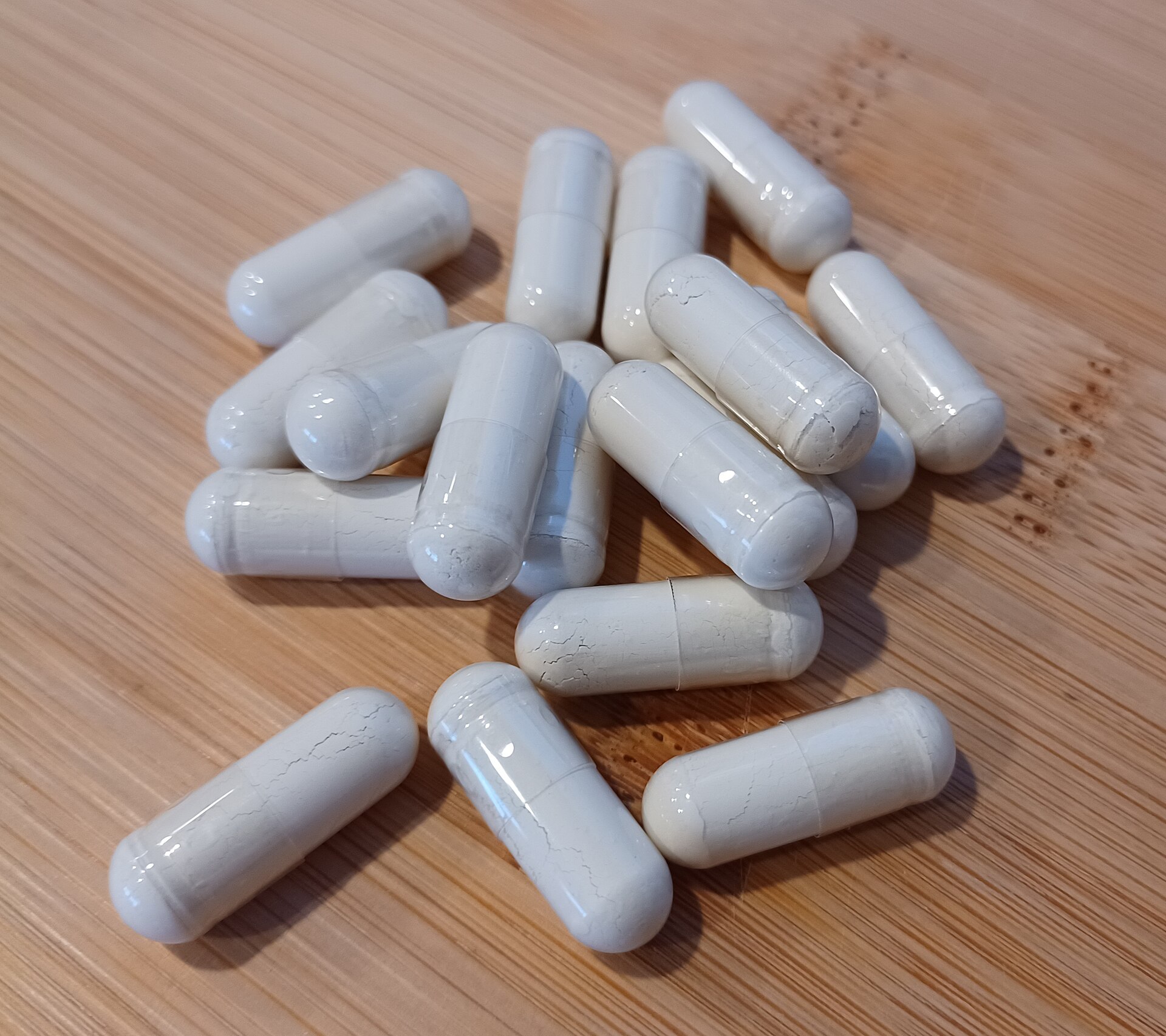
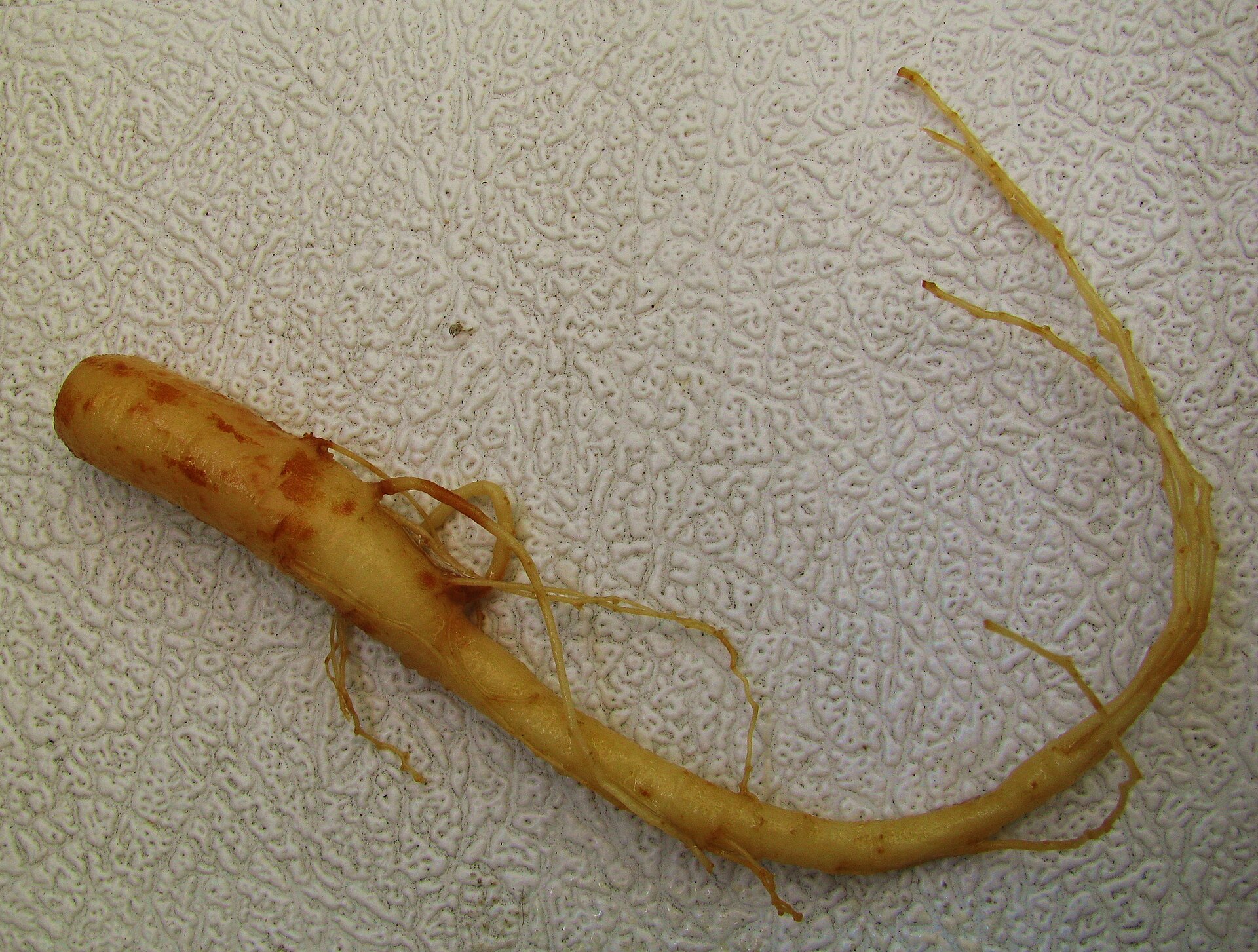
Tongkat ali is a herbal extract taken from the root of Eurycoma longifolia, a slender shrub that grows across Malaysia, Indonesia and Thailand. You’ll also see it sold as longjack or Malaysian ginseng, though it isn’t related to true ginseng at all. In Southeast Asia the root has been brewed as a bitter tonic for generations, usually for energy, fever and male fertility. The taste, by the way, is genuinely grim, which is why almost nobody takes the traditional decoction and almost everybody takes capsules.
The modern pitch is narrower. Sellers talk about three things above all: testosterone, libido and stress. The active compounds people point to are a group called quassinoids, the best known being eurycomanone, plus a scattering of flavonoids. When a product is “standardised”, it’s usually standardised to a percentage of eurycomanone, and that number matters far more than the headline milligram count on the front of the tub. Hold that thought, because it’s where most of the money gets wasted.
What the testosterone research actually shows
Here’s where it gets more interesting than either side admits. There is real human research on tongkat ali, and it isn’t nothing. A 2022 systematic review and meta-analysis pooled the available trials and concluded that Eurycoma longifolia does raise serum total testosterone in men compared with placebo. That’s a genuine finding from peer-reviewed work, not a brand’s press release, and it’s the bit the sellers are technically right about.
But read the trials underneath the headline and the picture softens fast. Most are small, often a few dozen men. Many run for a matter of weeks rather than months. The extracts vary wildly from study to study, so a result from a tightly controlled lab supplement doesn’t automatically transfer to the £12 tub of loose powder you found on a marketplace. And the men who respond most tend to be older, or starting from a low or borderline testosterone level to begin with.
A six-month placebo-controlled trial in ageing men with low testosterone found improvements in hormone levels and symptoms, which sounds impressive until you notice it paired the supplement with structured exercise. When you bolt a herb onto a training programme and the men get stronger, working out exactly how much credit the capsule deserves becomes guesswork. Exercise alone raises testosterone and lifts mood. The trial design makes the supplement look better than a clean test might.
So the fair summary is this. Tongkat ali probably nudges testosterone in men who are older or already low, the effect is modest, and the quality of the product decides whether you get the studied version or a bag of disappointment. If you’re a healthy 28-year-old with normal levels, the research has almost nothing to say about you.
The libido and fertility claims, untangled
The testosterone story bleeds straight into the libido one, because that’s what most buyers are really after. Some trials do report better self-reported sexual wellbeing and, in a few small fertility studies, improvements in sperm quality among men with fertility problems. That last point is worth taking seriously if you’re actually struggling to conceive, though it’s also a reason to involve a doctor rather than a marketplace seller.
The stress angle has slightly cleaner support than the muscle claims. A frequently cited trial in moderately stressed adults found lower cortisol and better mood after several weeks of supplementation. And honestly, if tongkat ali does anything reliable for the average person, “a bit calmer and less frazzled” is a more believable claim than the libido fireworks the ads promise. Lower stress can improve sleep and sex drive on its own, which may be the real mechanism dressed up as a testosterone miracle. If it’s the cortisol angle that drew you in, our look at the cortisol detox trend covers why most of what’s sold under that banner doesn’t survive contact with the evidence.
The dosing and quality problem the ads skip
This is the part that gets buried. The trials showing an effect mostly used standardised extracts at around 200mg a day, made to a known eurycomanone content and produced under proper manufacturing controls. A lot of what sells in Britain is nothing like that.
Walk through a few product pages and you’ll see “600mg” or “1000mg” splashed across the label as if more is obviously better. It isn’t. A gram of poorly extracted root powder can contain less of the active compound than 200mg of a properly standardised extract. The big number is doing marketing work, not pharmacology, and it’s preying on the reasonable-sounding assumption that you get what you pay for.
There’s a safety wrinkle too. Imported root powders have been flagged for heavy-metal contamination in testing over the years, which is exactly the sort of thing you can’t see, smell or taste. If you’re going to take it at all, a branded, standardised, third-party-tested extract is the only version worth buying. The bargain loose powder is a false economy and possibly worse than that. This is one of the rare cases where I’d say spend more or don’t bother.
Why a respected British retailer won’t stock it
Back to Nature’s Best, because their position is the most useful thing a shopper can read on the subject. This is a long-standing UK supplement company with an in-house nutrition team, and it has decided the evidence doesn’t clear its own bar. Their nutritionist’s verdict was that the research “is inconclusive in terms of long-term intake and safety.” A business that profits from selling supplements deciding not to sell a popular one tells you something a thousand affiliate reviews won’t.
What they recommend instead is telling. Rather than tongkat ali, their advisors point to Korean ginseng and zinc, on the grounds that both have firmer evidence behind them. Zinc in particular carries an approved health claim for helping maintain normal testosterone levels, which is more than tongkat ali can legally say.
And that regulatory point is worth sitting with. In the UK, tongkat ali is sold as a food supplement, not a licensed medicine. There’s no MHRA authorisation, no NHS assessment, and no official dosing guidance. That doesn’t make it dangerous by itself, but it does mean the entire job of judging whether a given product is decent falls on you, the person holding the credit card.
How people actually take it, and who shouldn’t
If you’ve read this far and still fancy a go, a bit of practical sense helps. The studied dose sits around 200mg a day of a standardised extract, usually taken in the morning because some people find it a touch stimulating and don’t want it near bedtime. Many regular users “cycle” it, taking it for a few weeks then having a break, partly to see whether it’s doing anything and partly out of caution about the thin long-term safety data.
Some people should give it a miss entirely. If you’re on medication, have a hormone-sensitive condition, or you’re trying for a baby and tempted to self-prescribe, talk to a GP or pharmacist first. It’s not a sweetie. And if you’re under 40 with no symptoms, chasing a hormonal edge you don’t need, the most likely outcome is an expensive wee and a placebo glow that fades in a fortnight.
The one group I’d never argue with is men who’ve already done a blood test, found their testosterone genuinely low, and want to try something alongside proper medical advice. That’s a sensible experiment. Buying a tub because a 22-year-old influencer flexed at you is not.
Who might feel something, and who’s funding the hype
Time for the unfashionable opinion. For most men under 40 with normal testosterone, tongkat ali is money you won’t get back. If your levels are healthy, nudging an already-normal number does very little you’ll actually notice, and the tiredness or flat mood you’re trying to fix usually traces back to something duller: broken sleep, too much booze, a stalled training routine, carrying a stone you’d rather not.
The men most likely to feel a real difference are older, genuinely run-down, or sitting at the low end of the range. Even then, the smart move is a blood test through your GP first. NHS advice on low testosterone is to get it properly diagnosed rather than self-medicate, partly because the symptoms overlap with thyroid problems, depression and plain exhaustion, and partly because persistently low testosterone deserves a doctor’s eye, not a tub from an overseas seller.
If you’re sober-curious and cutting back anyway, you may find the gains you were chasing turn up without any supplement at all. We’ve written before about how cutting alcohol quietly improves sleep and energy, and that single change tends to outperform anything you can swallow in a capsule.
The cheaper bets with better evidence
If the goal is more energy, better training and steadier mood, your money goes further elsewhere. None of these are exotic, which is rather the point.
It also helps to be honest about what a supplement can and can’t fix. No capsule rescues a routine built on five hours’ sleep, a skipped breakfast and three pints on a Tuesday. The men I know who actually transformed how they felt in their forties did the dull stuff first and only then went looking for marginal gains. Tongkat ali, at best, is a marginal gain. Treating it as the main event is the mistake.
Creatine is the obvious one. It’s among the most studied supplements in existence, it’s cheap as chips, and the evidence for strength and even cognition keeps growing. Our piece on creatine for women covers why it’s no longer just a bodybuilder’s tub, and the same logic applies to men twice over. Then there’s the boring brilliance of fixing your diet: most people chasing a hormonal quick fix are quietly under-eating protein and fibre, and sorting that out moves the needle on energy more than any root extract.
Training matters more than any pill. Lifting heavy things and the kind of unglamorous steady cardio we covered in our zone 2 guide will do more for how you feel at 45 than a shelf of capsules ever could. If you want a supplement with a clearer research story than tongkat ali, the case for lion’s mane on focus is at least being taken seriously by scientists now, which is faint praise but more than the longjack powder has earned.
I’m not telling you tongkat ali is a con. The research is real, just smaller and more modest than the marketing suggests, and the product you buy matters enormously. If you’re older or running on empty and you’ve already nailed the basics, a tested, standardised extract is a reasonable thing to try for a month. For everyone else, the honest answer is that the cheap, dull stuff works better and you knew that already.
So before it goes in the basket: have you actually fixed your sleep, your training and your drinking yet, or are you asking a capsule to do the job those three would do for free?
Read next: is shilajit safe? The Himalayan resin sold on much the same testosterone promise rests on a single trial of 96 men, and lab tests keep turning up heavy metals. Another supplement Britain’s gym crowd is throwing money at is colostrum – we looked at whether the £88 tubs of bovine colostrum actually do anything.