
Hyrox Injuries in 2026: What Two New Studies Say About Knees, Tendons and Who Should Steer Clear
Three in ten Hyrox athletes had some kind of health problem in any given week of training. That’s not a figure from a gym forum or a physio’s anecdote – it’s from a 12-week University of Bath study published this year, and it’s the best piece of hyrox injuries evidence we’ve got so far.
In This Article
- Hyrox injuries in 2026: what the Bath study actually measured
- The knee gets the bill
- The preprint number that should worry you more
- Hyrox isn't the villain, and that's the uncomfortable bit
- Who should steer clear (for now)
- If you're doing it anyway: what the numbers suggest
- A sensible twelve weeks if you're starting from scratch
- What neither study can tell you
- One question before you book
It’s also a smaller, messier piece of evidence than the headlines suggest. So here’s what the two newest studies actually found, where they disagree, and who should think twice before booking a race.
Hyrox injuries in 2026: what the Bath study actually measured
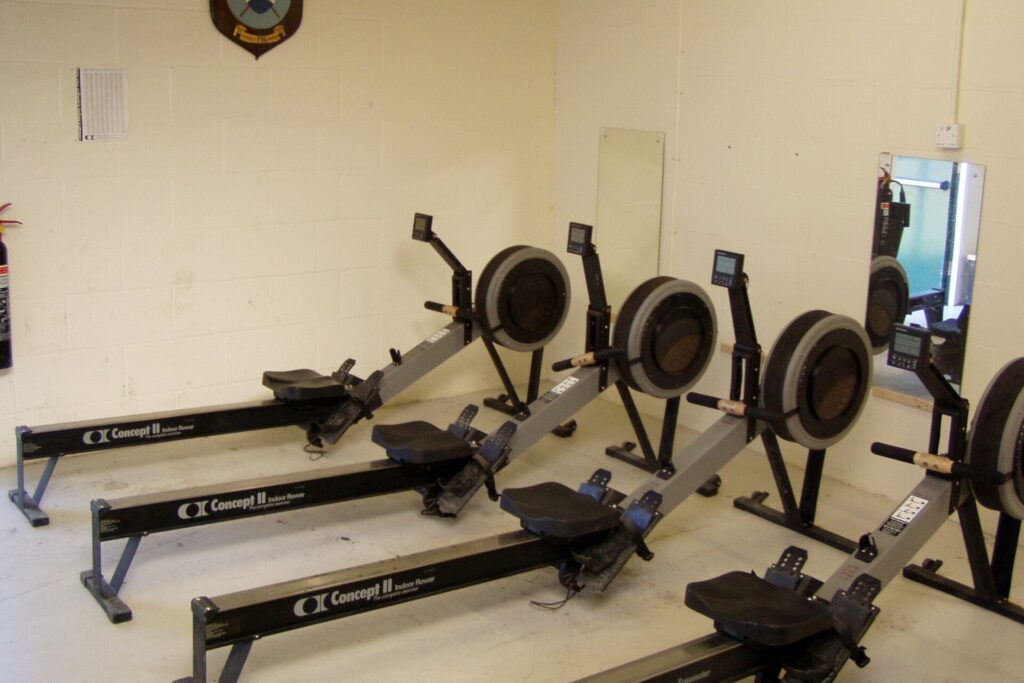
If you’ve somehow missed it, Hyrox is a race of eight 1km runs, each followed by a station: SkiErg, sled push, sled pull, burpee broad jumps, rowing, farmers carry, sandbag lunges and 100 wall balls. It has gone from niche to a fixture of British gym timetables in about three years, and I’ve covered the basics in our Hyrox for beginners guide.
The Bath team, led by Sean Williams at the Centre for Health and Injury and Illness Prevention in Sport, followed 89 Hyrox athletes for 12 weeks between December 2025 and March 2026. Participants reported weekly. Here’s what came back, according to the paper in Frontiers in Sports and Active Living:
- 30% had a health problem in an average week (95% CI 24-37%)
- 18% had a problem serious enough to affect training or performance
- 15% lost training time
- 13% had a problem the athletes themselves put down to Hyrox
- 73% of all injuries were overuse injuries, not sudden ones
The injury rate worked out at 14.4 per 1,000 hours of training. For comparison, that’s a figure that sits comfortably in the range you’d expect from running-heavy sports, which matters for a point I’ll come back to.
One line from the authors is worth quoting in full: “Only half of problems involved time-loss, so missed-training-day surveillance understates the burden.” In plain English, if you only count people who stop training, you miss the ones grinding through it.

The knee gets the bill
Knees. Every time.
In the Bath data the knee accounted for the biggest share of injury burden, with 14 episodes (22% of the total). Hip and groin came next with 7, then the foot with 6, the lower leg and Achilles with 5 and the elbow with 4. The authors’ own summary was that the burden was “led by the lower limb, consistent with the sport’s running load”.
That makes sense when you look at what the race asks of you. You run 8km in total, but you do it on legs that have just pushed a heavy sled, lunged with a sandbag across your shoulders or thrown a ball at a target 100 times. Nobody runs a clean 1km after 100 wall balls. Your gait is off, your hips are tired and your knees are absorbing impact with muscles that have already done the heavy lifting.
And the sandbag lunges are the station I’d watch most closely. Walking lunges under load, in the second half of a race, with fatigued quads, is exactly the sort of thing that irritates the front of a knee that was already a bit grumpy.
The preprint number that should worry you more
The Bath study has a small sample. A separate preprint on medRxiv, posted in August 2026, went wider: 418 Hyrox athletes surveyed on their injuries over 12 months. Nearly half – 49.8% – reported at least one injury.
The sites were familiar: knee at 20.8%, spine and back at 15.2%, lower leg at 13.7% and hip and groin at 13.2%. But the tendon figure is the one that stuck with me. Tendon-related complaints made up 41.6% of injuries, and most came on gradually rather than from one bad rep.
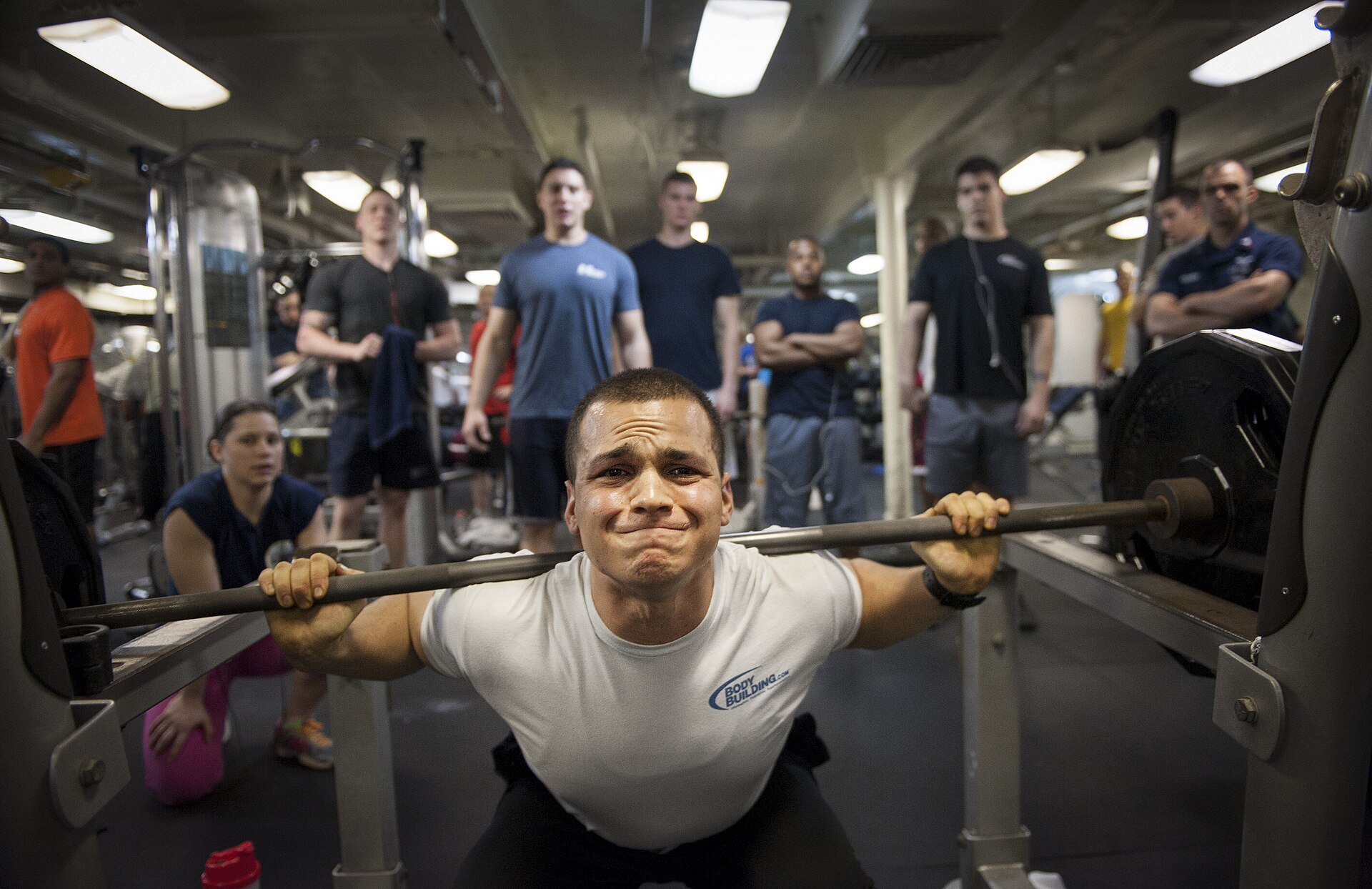
Then there’s the finding that I’d tape to the wall of every Hyrox gym. Higher Hyrox-specific training frequency was the only factor independently linked to reporting an injury (adjusted odds ratio 1.61). Age and experience didn’t reach the same bar. More Hyrox-style sessions, more injuries – and among those injured with data, 20.3% had more than 28 days off or never got back to their previous level.
Two caveats, and they’re big ones. It’s a preprint, so it hasn’t been peer reviewed. And it’s a survey of people who chose to answer a survey about Hyrox injuries, which tends to pull in the injured. I’d treat 49.8% as a ceiling for the “typical” experience, not the middle of the road.
Hyrox isn’t the villain, and that’s the uncomfortable bit
Here’s my slightly contrarian view: the “Hyrox is dangerous” take is lazy, and so is the “Hyrox is totally fine” reply.
Running injuries have been a reliable fact of life for decades. Knees and Achilles tendons take the hit in running clubs up and down the country, and nobody writes alarmed headlines about parkrun. A rate of 14.4 per 1,000 hours for a hybrid sport that includes a lot of running isn’t shocking. What’s different is how the typical new Hyrox athlete arrives.
The Bath cohort was 62% less than a year into the sport. These are people adding sled work, loaded lunges, rowing and running to a body that may have mostly done spin classes and the odd 5K. The injury risk isn’t the format as such. It’s the speed at which people ramp up, usually because there’s a race date in the diary and a group chat full of people posting their weekly sessions.
And the training advice online makes it worse. Plenty of Hyrox plans stack four or five race-simulation sessions a week, which, going by the preprint, is precisely the training pattern linked to more injuries. If I were choosing one thing to ignore on Instagram, it would be the “race sim every Saturday” culture.
I’d also say the sport’s fans are right about one thing. Strength training and running are both good for you, and the NHS recommends adults do muscle-strengthening activity at least two days a week alongside 150 minutes of moderate activity. The NHS physical activity guidelines are a sensible floor. Hyrox is nowhere near a floor.
Who should steer clear (for now)
The Bath paper found one risk marker with a reasonably firm estimate: a previous time-loss injury. Athletes who’d had one had a rate ratio of 2.60 (95% CI 1.00-6.75), rising to 2.95 for problems they blamed on Hyrox. The confidence interval is wide and only just clears 1.0, so this is a signal rather than a verdict, but it points in a sensible direction.
Age and sex estimates were wider still. Athletes aged 40-49 had a rate ratio of 3.37, and those 50 and over 3.47, but the intervals (0.51-22.22 and 0.96-12.51) are so broad that I wouldn’t put any weight on them. Women came out at 1.35 with an interval running from 0.56 to 3.28. Nothing to see there statistically.
So, my honest shortlist of people who should wait or take a slower route in:
- Anyone coming back from a knee, Achilles or hip problem in the last six months
- People who haven’t run regularly for at least a few months. Eight 1km runs on tired legs is not the place to rediscover running
- Anyone whose only gym experience is machines and classes, with no loaded carries or lunges
- Those planning to jump from zero to race in under eight weeks
That isn’t a ban. It’s a case for doing the boring base work first. If you’re comparing it with other high-impact trends, the picture in our padel injuries piece is similar: the sport isn’t the problem, the sudden jump from sofa to weekly sessions is.

If you’re doing it anyway: what the numbers suggest
Neither study tested an injury-prevention plan, so none of this is proven. Treat it as inference from where the injuries landed.
Cap the Hyrox-specific sessions. The preprint’s only independent link was training frequency, so two race-style sessions a week is plenty for most people, with the rest of the week going to easy running and ordinary strength work. That alone probably removes the biggest risk factor.
Train the lunge and the carry on their own, lighter and slower, for weeks before you ever do them at the end of a run. The knee data points straight at that sandbag station.
Build the running up gradually. If a 5K isn’t comfortable, a 1km repeat done eight times with heavy work between is a big ask. Our steps-per-day piece covers how much easy volume most people actually do, and the answer is usually less than they think. And if you’re running in carbon-plated trainers because the race-day posts say you should, read our take on carbon plate shoes first – they change how load reaches your calves and Achilles.
Pay attention to pain that comes on slowly. With 73% of Bath injuries being overuse and 41.6% of the preprint’s being tendon complaints, the warning sign is rarely a pop. It’s a tender spot on the tendon that’s still there on Wednesday after a Monday session. That’s the moment to back off, not push through.
And don’t assume a supplement fills the gap. Creatine is the one with decent evidence for strength and recovery, and we’ve written about creatine for women, but it won’t toughen a tendon. Neither will a vibration plate, whatever the sales page says – our vibration plate review goes through why.
A sensible twelve weeks if you’re starting from scratch
This is my own suggestion, built from where the injuries landed, not a protocol anyone has tested. Take it as a starting point and change it if you’ve got a physio telling you otherwise.
Weeks one to four: forget Hyrox entirely. Run three times a week at a pace where you can talk, add two ordinary strength sessions with squats, hinges, rows and loaded carries, and keep every session short enough that you finish wanting more. It sounds dull because it is. It’s also the phase where tendons adapt, and tendons adapt more slowly than muscle does.
Weeks five to eight: bring in the stations one at a time, lightly. Sled pushes on a Tuesday, sandbag lunges at half the race weight on a Thursday. Still no full simulations. The point is to learn the movements while you’re fresh, because that’s when your technique is best and your knees are least likely to complain.
Weeks nine to twelve: one half-simulation, at most, then a taper. You’ll finish the race slower than the people who’ve been doing it for two years. That’s fine. Entering the race with two healthy knees beats a personal best you get through a physio’s door.
And be wary of any plan that promises a sub-90-minute finish in ten weeks. Nobody’s published data showing that kind of timeline is safe for beginners, and the Bath numbers suggest the opposite for anyone carrying an old injury.
What neither study can tell you
The Bath cohort was small and UK-weighted, mostly digitally engaged people who’d signed up to a research project. Only 62% of weekly check-ins were completed, everything was self-reported, and the 12 weeks sat in winter, so a summer racing season could look different. The authors themselves describe the risk estimates as underpowered.
The preprint has the opposite problem: a bigger sample but a retrospective survey, no peer review and a likely skew towards people with something to report.
What both agree on matters more than where they differ. Lower limb, overuse, tendon-heavy, and linked to doing a lot of Hyrox-style work. That’s consistent enough that I’d be comfortable acting on it, while waiting for the proper long-term data.
One question before you book
The honest advice is slower than the social media version: build a running base, get the lunges and carries solid in a normal strength programme, and then enter a race. You’ll probably enjoy the day more, too.
So if you’ve got a Hyrox date in the diary, how many weeks of proper preparation have you actually given your knees?