
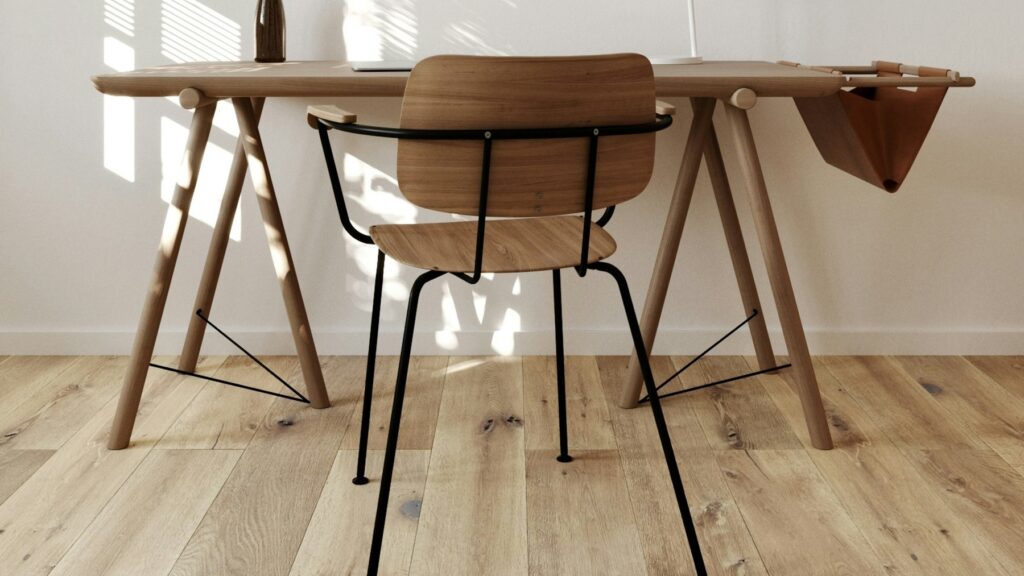
Buying Antique Furniture in the UK in 2026: The Victorian Chest That Costs Less Than Flatpack – And the Fee Nobody Mentions
A Victorian mahogany chest of drawers – solid timber, hand-cut dovetails, made by somebody in the 1870s who expected it to outlive them – will go under the hammer at a regional English saleroom this week for somewhere between £40 and £90. A new chest in chipboard with a printed oak effect will cost you more than that at almost any retail park in the country. The gap has been open for the better part of fifteen years.
In This Article
- Brown furniture fell off a cliff and never really got back up
- The fee nobody puts in the trend pieces
- What's actually cheap, and what isn't
- The flatpack comparison, done properly
- The bits that will annoy you
- Where to look, and where not to bother
- Is the "comeback" real? Sort of
- A sensible first purchase: buying antique furniture in the UK without getting burned
Buying antique furniture in the UK is now, on the raw numbers, the cheapest way to furnish a house. It’s also the most irritating, and the trend pieces telling you brown furniture is back tend to skip that second half entirely.
I’ve bought about a dozen pieces at auction since 2023, mostly out of stubbornness after a flatpack wardrobe collapsed under the weight of four coats. Some of it was a bargain. One piece cost me nearly double the hammer price by the time it was standing in the room, which is the bit I want to talk about properly, because nobody else seems to.
Brown furniture fell off a cliff and never really got back up
Between roughly 2005 and 2020 the market for what the trade calls brown furniture – Georgian and Victorian mahogany, walnut and oak case pieces – came apart. Estimates vary depending on who you ask and what you count, but the general picture is that many mid-range pieces sell today for something like 30 to 50 per cent below their early-2000s peaks once you adjust for inflation. Some categories fell further. A perfectly decent Edwardian wardrobe can be almost unsellable.
The reasons are not mysterious. Rooms got smaller and more open. Walls went magnolia, then grey. A generation of buyers grew up with the Ikea flatpack as the default and treated furniture as something you replace when you move rather than something you keep. And a heavy mahogany sideboard is a nightmare to shift up a flat staircase, which matters when a third of the country rents.
Meanwhile the mid-century stuff went the other way. Ercol, G Plan, teak sideboards, anything with tapered legs – all of it got expensive, because it photographs well and fits a small room. That’s the thing worth understanding about the antiques market: it’s not one market. It’s a dozen sub-markets moving in different directions, and only some of them are cheap.
The fee nobody puts in the trend pieces
Here’s where people get caught. The hammer price is not the price.
Every UK auction house charges a buyer’s premium on top of what you bid, and it isn’t small. Regional salerooms typically sit somewhere between 20 and 25 per cent plus VAT, which lands you at roughly 24 to 30 per cent inclusive. Bid online through a platform like the-saleroom and there’s a further surcharge of around 4.95 per cent plus VAT on top of that.
Run the numbers on a real-ish example. You win a Victorian chest at £60. Add 24 per cent premium including VAT and you’re at £74.40. Add the online surcharge and you’re a shade over £79. Now you need to get a piece of solid mahogany weighing perhaps 45kg from a barn outside Melton Mowbray to your bedroom. A man with a van will want £60 to £150 depending on distance, and most salerooms give you three to five working days to clear your lot before storage charges start.
So the £60 chest is a £160 chest. Which is still good value for something that will be standing in 2126. But it isn’t the £60 you told your partner about, and the difference is exactly why so many first-time auction buyers do it once and never again.
Two ways round it. Bid in the room if you can get there, which cuts the online surcharge and lets you open the drawers before you commit. Or buy several lots in one sale so the transport cost spreads across four pieces instead of one. I’ve found the second approach works better in practice, though it does mean walking out of a Saturday morning committed to a hall stand you didn’t intend to own.
What’s actually cheap, and what isn’t
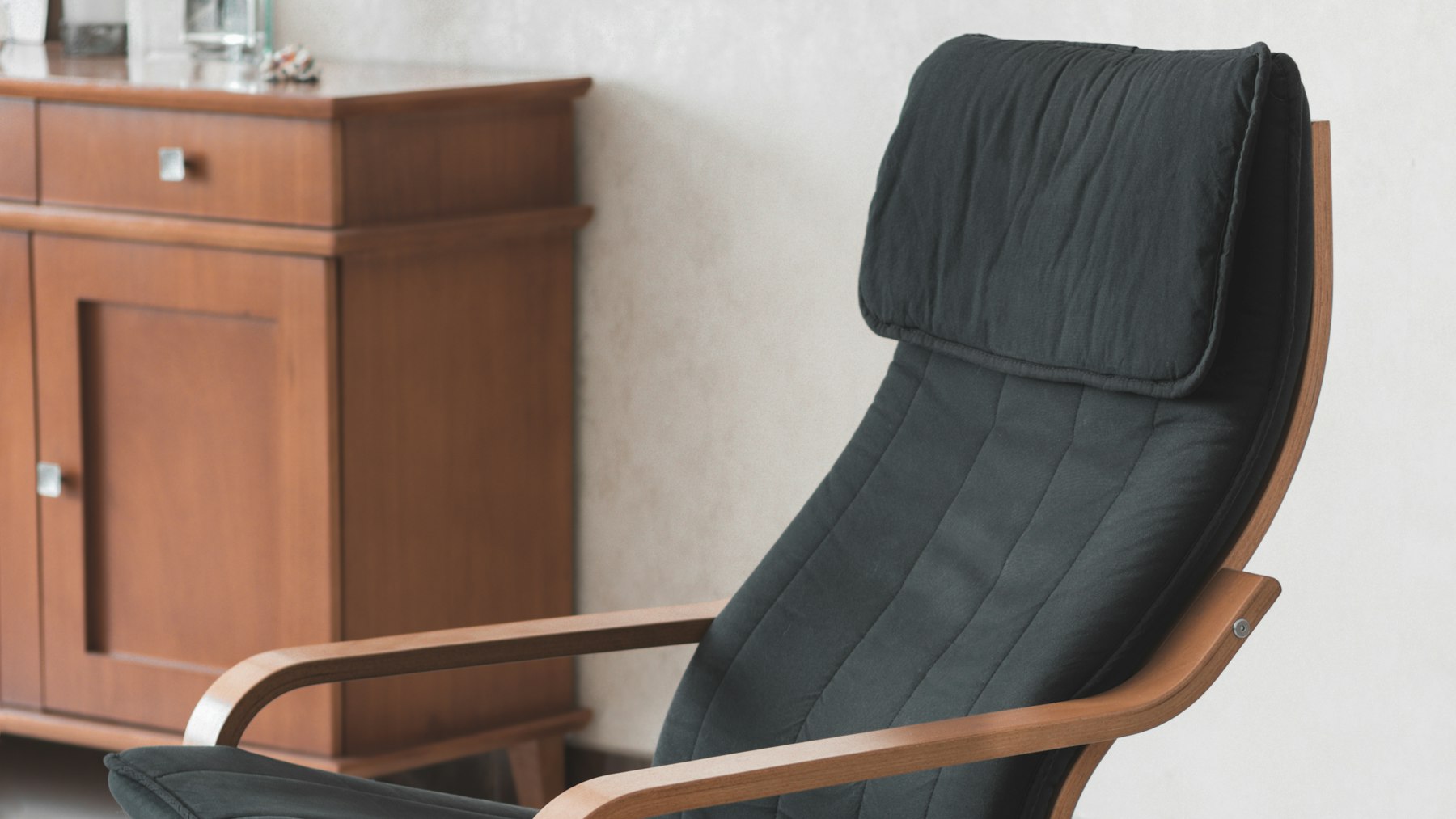
The bargains cluster in a fairly predictable set of categories, and they’re the categories nobody Instagrams.
Chests of drawers. The single best value in British antiques. Victorian and Edwardian mahogany chests turn up in every provincial sale, usually in the £40 to £120 bracket, and the construction is better than anything you can buy new under £600. Solid sides, dovetailed drawer boxes, oak drawer linings. Check the runners.
Dining chairs. Sets of four or six Victorian balloon-backs or Edwardian oak chairs regularly sell for less than £15 a chair. Reupholstering the seats costs about £25 each if you pay someone, or an afternoon with a staple gun and a metre of fabric if you don’t. Best value in the sale, most weeks. It pairs neatly with the fact that the separate dining room is having a genuine revival in British houses, and a set of six proper chairs around a table changes a room more than almost anything else you can buy for £90.
Bookcases and glazed cabinets. Cheap because they’re tall, awkward and don’t suit open-plan. If you have a wall, you have an advantage. Fill it floor to ceiling and you have arrived at the bookshelf wealth look for a fraction of what the new-build version costs.
Mirrors. Gilt and mahogany overmantel mirrors go for very little, weigh a fraction of a chest, and fit in the back of an estate car. If you want one antique thing in a modern room, start here.
What isn’t cheap: anything mid-century, anything with a stamped maker’s name that collectors chase, anything already painted in chalk paint by a dealer (you’re paying for their labour and the paint is usually hiding something), and small decorative items that dealers hoover up to resell. Skip the “shabby chic” end entirely. It’s the one part of the market where you’re competing with people who do this professionally, and the pieces underneath are often the ones nobody wanted in the raw.
The flatpack comparison, done properly
Comparing an antique to flatpack on price alone flatters the antique. Let’s be fairer than that.
A new chipboard chest of drawers from the usual high street sources starts around £100 and runs to about £200 for a larger one. Solid pine or oak from a mid-market retailer is generally £300 to £600. So an all-in £160 saleroom chest sits between the two on cost, and beats both on materials.
Where flatpack genuinely wins: it’s light, it comes in a box that fits through a standard door, it’s a known quantity, and if you’re renting a first flat and moving annually then a 45kg mahogany chest is a liability, not an asset. Anyone telling you otherwise hasn’t carried one down two flights.
Where the antique wins is the long tail. A Victorian chest has already survived 150 years and will survive your ownership. It holds a resale value – not a spectacular one, but you’ll get most of your money back at the same saleroom, which isn’t true of anything with a cam lock in it. And there’s the waste question, which is worth stating plainly rather than moralising about: the North London Waste Authority has put the number of furniture items thrown away in the UK at around 22 million a year, much of it reusable. Buying second-hand isn’t a moral achievement. It just isn’t part of that number.
The bits that will annoy you
Auction listings are written fast and generously. “Some old worm” in a catalogue description can mean anything from historic and inactive to a leg you can push your thumb through. Look for fresh, pale dust around the flight holes, which suggests something is still living in there. If in doubt, don’t, or budget for treatment and keep the piece out of contact with anything else wooden for a few months.
Veneer is the other common problem. Victorian case furniture is frequently mahogany veneer over a pine or deal carcass, which is perfectly normal and not a sign of cheapness, but veneer lifts when it gets damp and the repair is fiddly. Run a hand over the top. If it feels like a relief map, walk away unless you enjoy that sort of thing.
Then there’s the smell. Old furniture that’s spent thirty years in a damp cottage smells like a damp cottage, and it takes months of an open window and a bowl of bicarbonate in each drawer to shift. Nobody warns you about this. It’s the single most common complaint I hear from people who bought their first piece online without seeing it.
And measure your doorways. Not the room – the doorways, the stair turn and the landing. A Victorian wardrobe usually comes apart into a carcass, doors and a cornice, but a chest of drawers doesn’t come apart at all, and neither does a bookcase over about five feet. Two people I know have ended up selling a piece straight back to the saleroom because it wouldn’t go up the stairs, losing the premium and the transport both ways for the privilege.
Where to look, and where not to bother
Geography does most of the work here. The cheapest brown furniture in Britain is sold a long way from London, in the general or “interiors” sales that regional houses run weekly or fortnightly – the ones with 600 lots, no glossy catalogue and a lunch break. Yorkshire, Lincolnshire, the Welsh borders and the far south west are all reliably cheaper than the home counties for the same piece.
What you want is the sale that isn’t specialist. A dedicated fine furniture auction attracts dealers and collectors, and the estimates reflect it. A Tuesday general sale that also has a lawnmower, four boxes of Pyrex and somebody’s coin collection in it is where a mahogany chest goes for £45, because the room is full of people who came for something else.
House clearance sales are the other reliable source, though you need to be quick and unsentimental. Charity furniture warehouses are worth a look too, especially the larger ones run by hospices, where pricing is often based on what looks saleable rather than what things are worth. I picked up a pair of oak bedside cupboards from one in Herefordshire for £30 the pair, which felt slightly like theft.
Skip eBay for anything large. The listings are full of dealers, the collection-only ones are usually priced at retail, and you have none of the protection of a saleroom’s condition report. And skip the antique “emporiums” in market towns unless you’re browsing for pleasure – the rents are high and the prices follow.
Is the “comeback” real? Sort of
Every auction house and dealer blog in the country is currently running a version of the same headline: brown furniture is back, mahogany is having a moment, the market has turned. Tennants reported traditional brown furniture selling strongly in a recent country house sale, and the interiors press has been enthusiastically on board, with designers making the case for old brown furniture as the fastest route to character in a new-build room.
I’d take that with some caution. The people announcing the recovery are, without exception, the people who own the stock. A strong result in one country house sale is not a market turning, and the mid-range provincial lots – the ones most readers would actually buy – are still going for very little. That’s the honest position as of August 2026.
But it doesn’t matter much either way, and this is the part I’d push back on. If you’re buying a chest of drawers to live in your bedroom for twenty years, you’re not an investor and you shouldn’t behave like one. The reason to buy is that it’s better made and cheaper than the alternative right now. If prices rise, fine. If they don’t, you still have a nicer chest of drawers.
What’s genuinely shifting is context rather than price. Brown furniture reads completely differently against a deep, saturated wall than it did against magnolia, which is why it’s turning up in so many of the rooms that have gone in for colour drenching or limewash. Warm wood against a flat chalky green looks intentional. The same piece against builder’s white looks like it was inherited. That’s a styling shift, not a market one, and it’s doing more for the trend than any auction result.
A sensible first purchase: buying antique furniture in the UK without getting burned
Start with a chest of drawers or a set of dining chairs, from a saleroom within an hour’s drive, viewed in person, with a hard ceiling written on your hand before the bidding starts.
Viewing days are usually the day before the sale and they’re free. Open every drawer. Pull them right out and look at the joints – hand-cut dovetails are slightly irregular, machine-cut ones are perfectly even, and either is fine, but it tells you roughly when the piece was made. Rock it gently to check for a wobble. Look at the back, which nobody does, because the back tells you whether it’s been messed with.
Set your ceiling at what you’d pay retail minus a third, then remember to divide that by 1.3 to account for the premium. Most people work it the wrong way round and overshoot.
Then bid on the second thing you like rather than the first. The first lot you fall for is the one you’ll chase past your limit, and there is always another Victorian chest next month. Always.
If salerooms feel like too much, the alternative worth trying is a Sunday antiques fair or one of the big architectural salvage yards, where the prices are higher but there’s no premium, no clearance deadline and you can usually haggle ten per cent off by asking. It’s the softer entry point, and it’s how most people I know got started before graduating to the auction house.
The bigger question is what happens as more of the housing stock gets furnished this way. Britain has spent two decades treating furniture as disposable, and the rooms that have gone the other way – broken-plan kitchens, dining rooms with doors, living rooms lit from the corners – all seem to want older, heavier things in them. So what does your house look like in ten years if nothing in it was designed to be thrown away?