
The Renter’s Smart Home Kit: What £300 Buys Without Drilling A Single Hole In 2026
The average UK private renter now stays in the same flat for just under four years, according to the latest English Housing Survey – long enough to want the place to feel like home, short enough that anything involving a drill, a Rawlplug, or a polite email to the landlord feels like overkill. That awkward middle ground is exactly where a smart home for renters has quietly grown up into something genuinely useful in 2026.
In This Article
- The £300 brief: what we are trying to do
- Layer one: smart plugs are the least glamorous, most useful thing in the kit
- Layer two: the lighting question every smart home for renters gets wrong
- Layer three: voice control, and why the speaker choice matters more than people think
- Layer four: the renter-friendly security question
- Layer five: the small luxuries that make the kit feel finished
- The £300 tally, line by line
- What we would skip, and why
The kit on the market in 2026 looks almost nothing like the wired-in, hub-heavy systems of five years ago – more like the broader pattern we covered in our “no big light” trend piece, where renters are simply ignoring the fittings they cannot change. Most of it sticks on with adhesive pads, plugs into a normal three-pin socket, screws into an existing bulb fitting, or clips onto the curtain rail that is already there. Matter – the cross-brand standard that finally lets Apple, Google and Amazon devices talk to each other – has moved from “promising” to “mostly working”, which means a renter can now build a setup that survives moving house and switching phone.
The question is how much you actually need to spend to get something that feels properly useful, rather than a single Echo Dot and the vague sense you should be doing more. The answer, after pricing it all up with current UK retailers, is about £300 – and only if you are sensible about which corners to cut.
The £300 brief: what we are trying to do
Before any of the kit, it is worth being honest about what most renters actually want from a smart home. In our case the brief is: lights that respond to a voice or a phone, a way to switch off the standby drain on the television and the kettle, a doorbell-shaped reassurance, a curtain that opens itself in the morning, and ideally none of it screwed into anything permanent. Nothing flashy. No talking fridge.
£300 is a deliberately tight cap. It rules out the satisfying-but-expensive options (Apple HomePod, a full Philips Hue colour starter kit, a Yale smart lock fitted by a locksmith) and forces you into the bracket where most renters actually shop. It also happens to be roughly the price of a decent single piece of furniture, which feels like a fair comparison: this is what we are buying instead of a new armchair, not on top of one.
There are five layers to a sensible renter setup, and you do not need them all on day one. The order below is roughly the order they earn their keep.
Layer one: smart plugs are the least glamorous, most useful thing in the kit
If you only buy one category of smart device, make it plugs. They are cheap, they are reversible (you take them with you), and they do something a normal socket cannot: they switch off the standby load on whatever is plugged in, and they tell you how much that load is costing you.
The TP-Link Tapo P110M is the obvious anchor here. It sits at an RRP of around £16.99 but drops to roughly £10 in any half-decent sale, and a four-pack regularly turns up at Amazon and Argos for well under £40. It supports Matter, which matters more than it sounds: it means the same plug will still work if you move from an Alexa household into a Google or Apple one. It also has real-time energy monitoring built into the app, which is the feature that quietly justifies the whole purchase the first time you spot how much your old TV draws overnight.
T3’s review and Trusted Reviews have both rated the P110M as the pick of the budget Matter plugs in the last twelve months, and it has earned that. The competition – the Amazon Smart Plug at £24.99, the Eve Energy at £35-£50 – either lacks energy monitoring or is overkill for a renter who just wants the lamp in the corner to come on at sunset.
Four P110M plugs at sale price: roughly £40. That covers the television/console stack, the kettle (so it heats itself five minutes before your alarm if you are that sort of person), a lamp, and one spare for whatever you forget you needed it for.
Layer two: the lighting question every smart home for renters gets wrong
This is where renters get fleeced. The default advice is “buy Philips Hue”, and Hue is genuinely the best smart lighting system on the market – the Zigbee mesh is more reliable than Wi-Fi, the app is the most polished, and the bulbs last. But a Hue starter kit with the bridge and three colour bulbs runs £130-£180, which is more than half your entire budget gone on lighting alone.
The 2026 fix is the Philips Hue Essential range, which Signify launched specifically because it kept losing budget-conscious customers to Govee. Essential starter kits begin at £69.99, drop the bridge requirement by going Bluetooth-and-Matter only, and crucially still play nicely with the rest of the Hue ecosystem if you upgrade later. TechRadar’s review called the budget price and the colour quality “shockingly good for the money”, which is not faint praise from a publication that has historically defended the full-fat Hue tax.
The honest alternative is Govee. A four-pack of Govee A19 colour bulbs lands around £35-£40 in the UK, and the bulbs themselves are very good – bright, properly coloured, with the app’s built-in scenes that Hue has only recently caught up to. The catch is reliability. The Govee app has historically been clunky, the Wi-Fi connection can drop, and Tom’s Guide’s reviewers have repeatedly noted that Hue is the more dependable system if you are using lights as your main interface to the home. For two or three rooms in a flat, Govee is fine. For ten bulbs across a house, you will eventually wish you had paid the Hue premium.
For our £300 brief, the Hue Essential starter kit at £69.99 is the right call. It is the only one that survives a tenancy move, an ecosystem change, and a future upgrade to proper Hue if you ever buy a place.
Layer three: voice control, and why the speaker choice matters more than people think
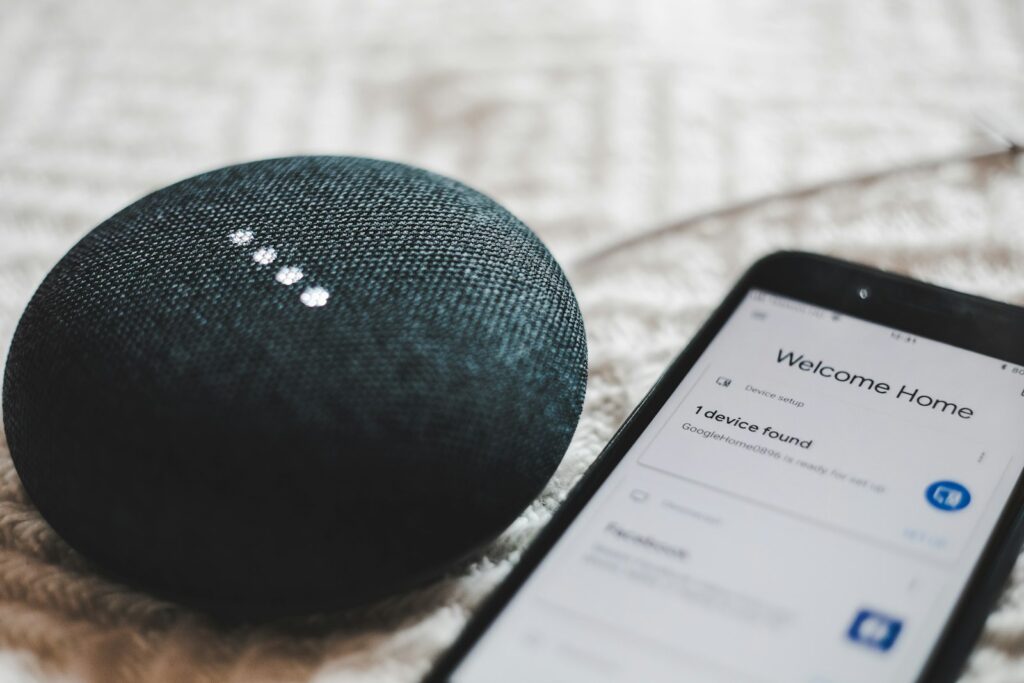
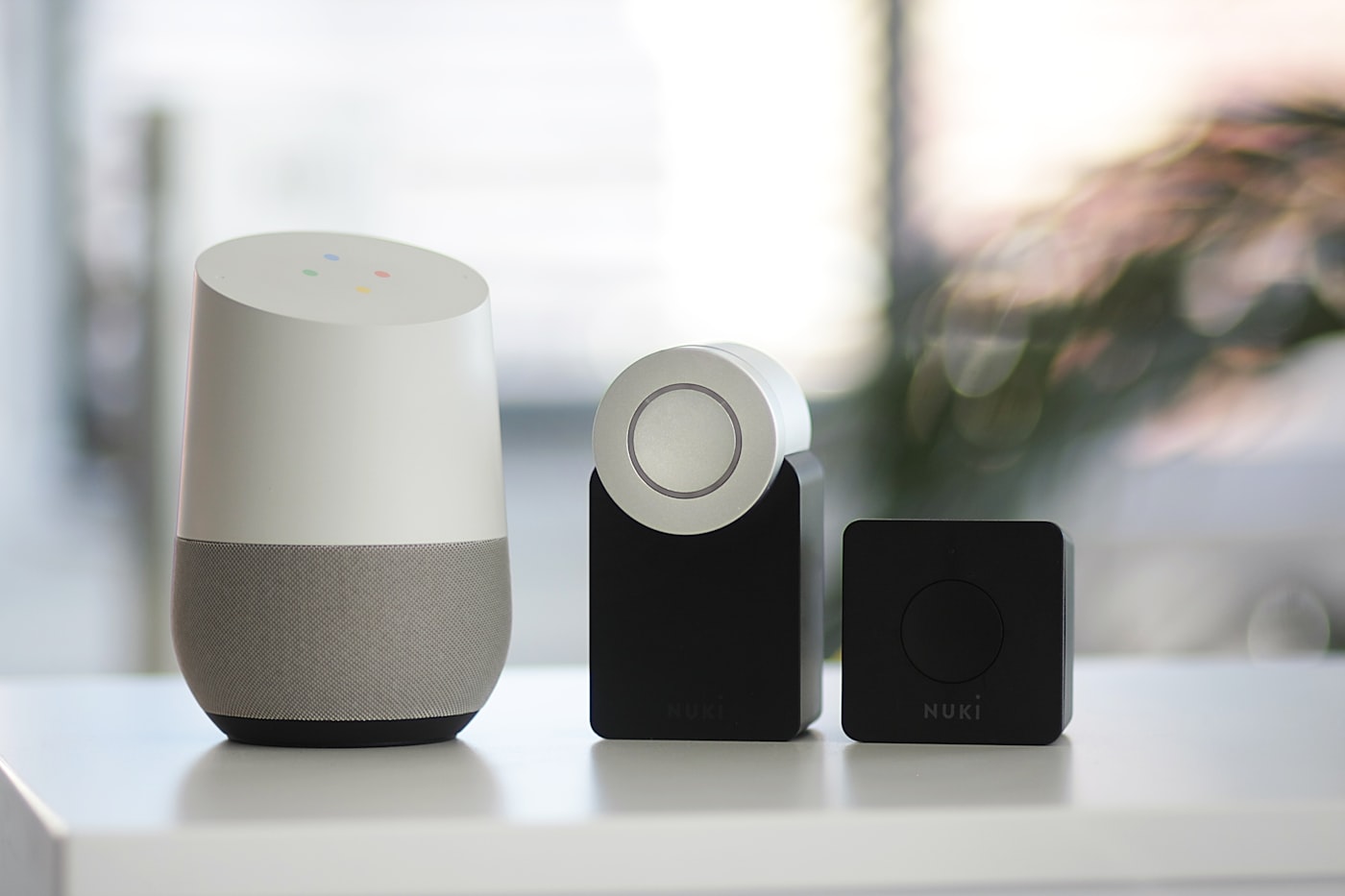
If you are building a smart home for renters in 2026, the speaker is the bit you will live with most. It is also the bit most readers already own in some form – which is fine. An existing Echo Dot, a Nest Mini bought in a sale three years ago, or a HomePod Mini inherited from a flatmate will all happily run this setup. There is no reason to buy a new one just to play.
If you do not already have one, the Echo Pop at £44.99 is the cheapest sensible entry point and is on sale roughly half the time at £24.99. The Nest Mini at £49 is fractionally nicer to listen to. The HomePod Mini at £99 is the right answer only if your phone is an iPhone and you genuinely care about audio quality, in which case it is also the speaker your music will sound best on.
The reason this layer matters is not the voice command – those have been a solved problem for years – but the routine. Setting a “Good Morning” routine that opens the curtains, turns off the bedroom lamp, switches on the kitchen light and tells you the weather is the moment the kit stops being a novelty and starts being a system. (If your routines keep stuttering at the lights step, the cause is almost always Wi-Fi rather than the bulbs themselves – our guide to reliable home Wi-Fi for UK flats is the unsexy first fix.) None of the individual devices do anything magical on their own. The speaker is what stitches them together.
If you are starting from nothing, budget £25-£50 here depending on the sale.
Layer four: the renter-friendly security question
This is the layer where the rules genuinely matter. Most UK private tenancy agreements include a clause prohibiting alterations to the property without written consent, and depending on how strictly your landlord interprets that, a screwed-in doorbell or a replaced cylinder lock can count. The new Renters’ Rights Act, which comes into force from 1 May 2026 for new tenancies, does not specifically address smart devices but generally pushes the principle that landlords cannot “unreasonably withhold” consent on minor changes. The practical advice from Shelter England is still the same: ask, in writing, before you fit anything that needs screws.
The renter-safe option for a doorbell is a battery-powered, adhesive-mount Ring or Eufy. Both stick on with a 3M pad and a backup screw if you want extra peace of mind, and both can be peeled off at end of tenancy with a hairdryer and patience. The Ring Battery Doorbell Plus at £159.99 is the conventional pick. The Eufy Video Doorbell E340 at £179.99 is the better one in 2026 – it stores video locally on its base station rather than charging a Ring Protect subscription, which over a four-year tenancy adds up to more than the doorbell itself.
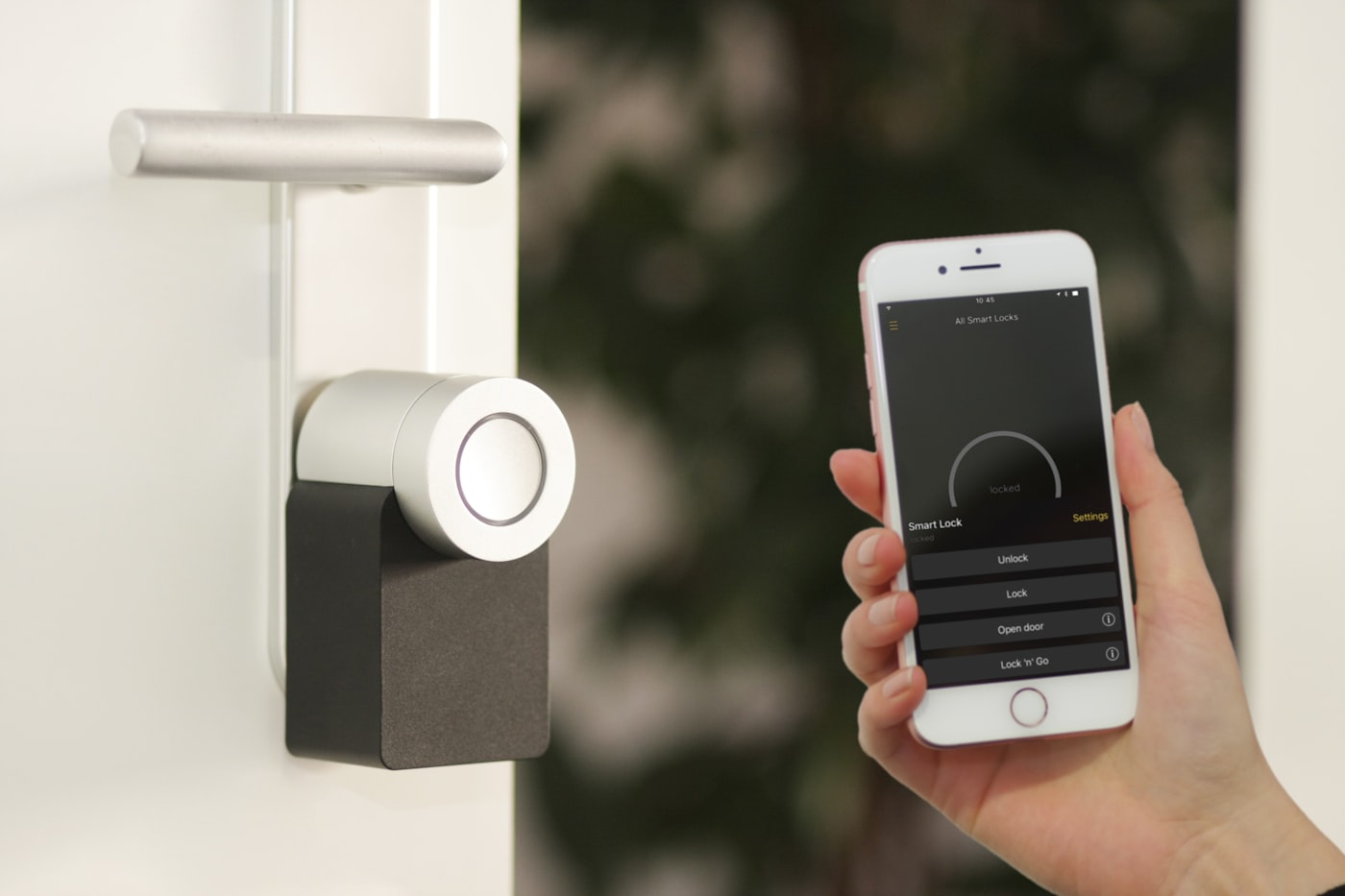
The smart lock conversation is more complicated. The Nuki Smart Lock 4.0 (£199-£229) and Yale Linus L2 (~£249) both retrofit over an existing Euro cylinder without removing the original, which means a landlord-friendly install that you can reverse in ten minutes. Both now support Matter. But at this price point we are already over budget, and the question is whether a smart lock is actually solving a problem you have. For most renters in a flat with a buzzer-controlled communal door, the answer is no. We are leaving this off the £300 list.
The doorbell stays. Eufy E340: £179.99 at the lower end of the sale cycle, closer to £150 if you wait for Prime Day or Black Friday.
Layer five: the small luxuries that make the kit feel finished
This is where the SwitchBot Curtain earns its place. It is a small motor that clips onto an existing curtain pole or U-rail, learns the open and closed positions, and pulls the curtain on a schedule. The Curtain 3, the current version, has a small solar panel built into the side which means it almost never needs charging – a genuinely useful design upgrade on the older models. Trusted Reviews has consistently liked it, with the caveat that the Hub Mini connection is occasionally flaky.
The maths is £69 for a single curtain, £99 for a pair. For our £300 brief, one curtain in the bedroom is the right call – the morning routine is the moment automation pays off, and most living-room curtains are open all day anyway. Add the SwitchBot Hub Mini Matter at £39 if you want the curtain to respond to your speaker rather than only the SwitchBot app, which most readers will. Total here: roughly £108.
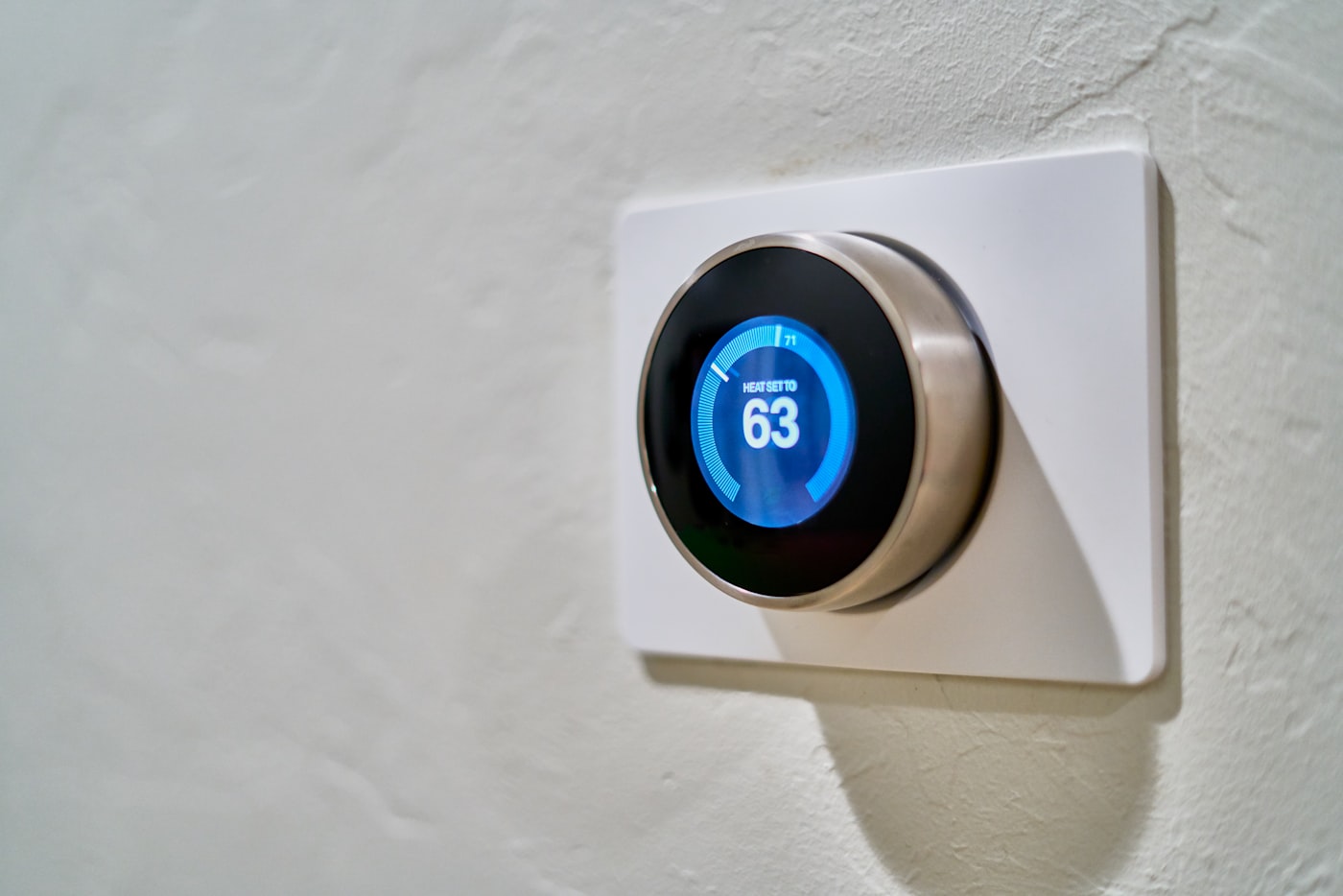
The last bit of the kit is climate, and the honest answer is: skip it for now. A Tado smart thermostat is £150 minimum, will need wiring in by a landlord-approved engineer, and may save you very little if you are in a flat where the heating is communal or already controlled by a building system. The Tapo S200H smart button at £12 is a fine substitute for “I want to turn the heating up from the sofa” if your boiler has a smart-ready receiver, and is a much better use of £12 than another bulb. The same logic – “what does this actually replace?” – is the one we apply in our small-space home office guide and our small kitchen storage piece: rented flats reward kit that earns its square footage.
The £300 tally, line by line
The full kit as built: four Tapo P110M smart plugs at around £40, a Philips Hue Essential starter kit at £69.99, an Echo Pop on sale at £25, a Eufy Video Doorbell E340 at £159.99, a SwitchBot Curtain 3 at £69, and a SwitchBot Hub Mini Matter at £39. That comes to £402.98 at sticker price, or roughly £335 if you buy across Black Friday week and the post-Christmas sales.
To hit £300 precisely, the easiest cut is the doorbell. Drop the Eufy and the total falls to £242.99 at full price, leaving room for an extra two-pack of plugs or a second Hue Essential bulb for the hallway. This is the version most renters in flats with communal entrances will end up with, and is the kit we would recommend if you are starting from genuinely zero.
If you already own a smart speaker (which most readers do), the £25 Echo Pop also comes out, and you arrive at £218 for a setup that covers plugs, lights, curtain and hub. The remaining £80 of headroom is the difference between a starter kit and a properly fitted-out flat – a second Hue Essential bulb, two more plugs, and a Tapo cube button on the bedside table.
One quieter benefit of dimmable smart lighting in a rented flat is sleep hygiene – it makes it much easier to dial down the evening blue light without rewiring anything, which pairs well with the other low-cost sleep habits we have covered, like mouth taping for nasal breathing.
What we would skip, and why
Three things repeatedly tempt renters that are genuinely not worth the spend in a rente
For renters with outdoor space, a robotic mower is the other no-drill upgrade worth considering – our guide to robotic lawn mowers that work in UK gardens compares the better models.
If a video doorbell is the piece you actually want, our guide to the best video doorbells under £100 sticks to models that don’t need a drill anywhere near the brickwork.
And if you have run out of indoor rooms to improve, here is what a garden room actually costs in the UK this year.
Patchy signal is the usual smart-home headache, so see whether you need mesh Wi-Fi or a cheaper extender first.