
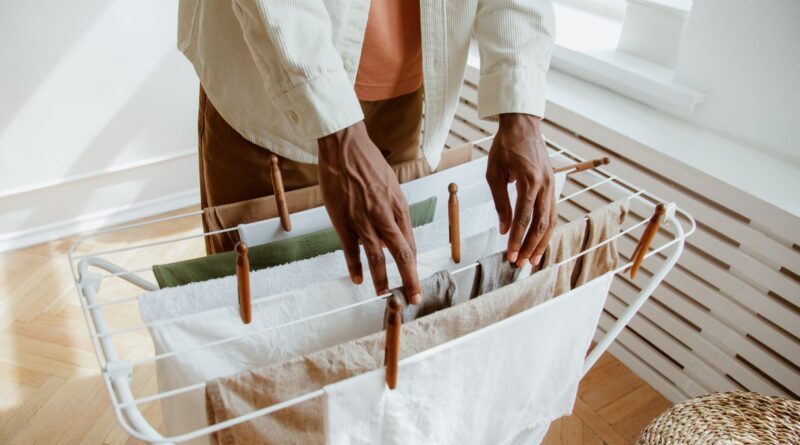
Best Heated Clothes Airer Under £100 for Autumn 2026: The ‘3p an Hour’ Claim Doesn’t Survive October’s Price Cap – And the £79 Argos One That Does
Somebody, somewhere, decided a heated clothes airer costs “3p an hour” to run, and the number has been copied across half the internet ever since. It’s wrong. A standard three-tier airer draws 300 watts, and at the 26.32p unit rate Ofgem has set for 1 October, that’s just under 8p an hour – and it’ll be on for six. So before the heating goes on and the washing stops drying, here’s an honest look at the best heated clothes airer under £100, what it really costs per load, and the two households that should ignore the whole category and keep the tumble dryer.
In This Article
- What October's price cap does to the maths
- The best heated clothes airer under £100 right now
- Why the winged ones aren't the bargain they look
- The drying pod problem
- The two households that should keep the tumble dryer
- The bit nobody mentions: where the water goes
- Covers, timers and the £16 upgrade
- Where to put the thing
- What I'd buy this week
The timing matters. Mid-September is the awkward fortnight where it’s too cold to dry outside and too early to justify the boiler. Britain’s radiators are about to grow a second skin of damp school uniform, and the retailers know it: Argos has already cut its own-brand three-tier from £105 to £78.75, Lakeland has knocked £15 off the Dry:Soon Mini, and Aldi’s £69.99 upright will be back in the middle aisle before the clocks change on 25 October.
What October’s price cap does to the maths
Ofgem’s October to December 2026 cap puts the average electricity unit at 26.32p per kWh and the overall typical bill up 4% to £1,723. The twist is that the government has removed VAT from electricity between 1 October and 31 March, so electricity is roughly flat while gas takes the hit. That quietly favours anything that runs on a plug rather than the boiler, which is the same logic behind the electric blanket boom we covered last week.
Run the wattages through 26.32p and you get the real per-hour figures. A 220W winged airer costs about 5.8p. A 300W tiered one costs 7.9p. The 198W Dry:Soon Mini comes in at 5.2p. A 1,000W drying pod costs 26p, and the JML DriBuddi, which Which? measured at 1,200W, is nearer 32p.
Per hour tells you very little, though. What you want is cost per load, and that depends on how long the thing stays on. Which? found the tiered airers it tested took between four and seven hours to dry a 2.15kg cotton load – a week’s washing for one person – with regular turning. Call it six hours at 8p and you’re at 47p a load. A drying pod does the same load in about two hours at 26-32p, so 55p to 65p. The tumble dryer figure Ideal Home quotes is around £1.40 a cycle, but that’s for a full drum, not 2.15kg.
And that’s the whole argument in one paragraph. The airer is cheaper per small load. It isn’t cheaper per kilogram once you’re drying for a family.
The best heated clothes airer under £100 right now
I’ve kept this to what you can actually buy for under £100 this month, because the Dry:Soon Deluxe everyone recommends is £169.99 at best and £199.99 most of the year. A very good airer, too. Also twice the budget.
Argos Home 3-Tier Heated Airer – £78.75 (was £105). This is the one to buy. It’s 300W, has 15.3 metres of drying space across 24 bars, takes 15kg and folds to under 10cm. Which? has tested it and while the running-cost figure is behind their paywall, the wattage tells you it’ll sit with the rest of the 300W pack at around 8p an hour. It lacks a timer, which is the one thing I would actually miss, and the bars are a fraction narrower than the Lakeland ones so a double duvet cover is a two-tier job. But for £21 less than the cheapest Dry:Soon it does the same work.
Aldi Upright Heated Airer – £69.99, in-store only, back around late October. Three tiers, a peg hanger for socks, and Aldi’s usual approach of selling out in a weekend and not restocking until January. If you can get one, get one. If you can’t, don’t wait for it – the Argos one is £9 more and available today.
Dunelm 3-Tier A-Frame Heated Airer – around £100. Right on the limit. It’s 330W, holds 30 T-shirts and Dunelm sells a matching cover for £16, which brings the drying time down noticeably. The extra 30 watts costs you less than a penny an hour. Worth it if Dunelm is your nearest shop; not worth a special trip.
Minky Sure Dri Heat Pod Pro – £45 to £60. A different idea: a fan motor and a zip cover that turns the ordinary three-tier airer you already own into a drying pod. Ideal Home rated it their best pod system. I’m less sure. It’s 1,000W, so 26p an hour, the assembly is fiddly and the washing at the top and edges still needs rotating. It does dry towels and sheets faster than any bar-only airer, so if speed matters more than pennies it earns its place. If you’re buying it to save money, it won’t.
Status Portable Winged Airer – £35 to £60. The cheapest way in and, I think, a false economy. More on that below.
Why the winged ones aren’t the bargain they look
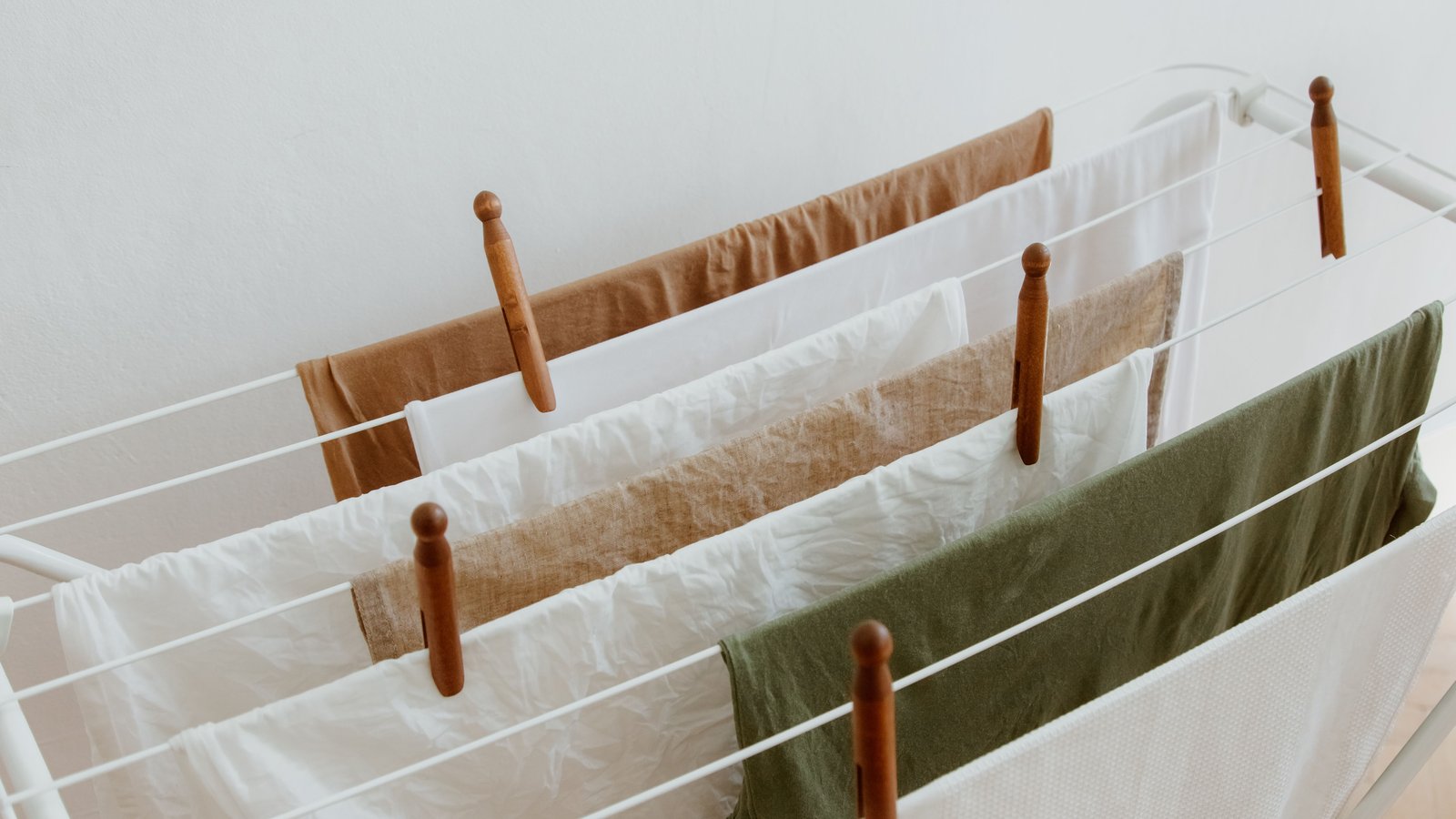
A winged heated airer is a single flat panel with fold-out sides. It’s usually 220W, costs £35 at Robert Dyas and takes up a surprising amount of floor for what it dries. The problem is contact. Heated airers dry the parts of the garment touching the bars and do very little for the parts hanging off them, which is why Which? is blunt that their drying times assume you’ll rotate the load regularly. On a winged frame, a pair of jeans dangles a good 40cm below the heat.
Ideal Home’s kitchen appliances editor uses one daily in winter and admits she has to keep shuffling the clothes around so every section gets a turn on the bars. That’s the honest review. You save £40 upfront and spend the winter turning your trousers over every hour like sausages.
Buy tiered. Even the cheapest tiered airer puts three layers of bars in the same footprint and the airflow between tiers does half the work for you.
The drying pod problem
Drying pods – the JML DriBuddi and Dry:Soon’s own version – are the fastest way to dry indoors. Warm air, zipped tent, done in two or three hours, and because everything hangs on hangers you skip most of the ironing. Every review in the country loves them.
Here’s my contrarian position: for most people they’re the wrong buy. Which? found they cost about twice as much to run as a heated airer per load, hold far less (18 items on hangers is not a washing-machine load), can’t take a bedsheet, and the fan is loud enough that Ideal Home’s testers wanted it behind a closed door. You pay £79 for something that dries a PE kit brilliantly and nothing else. If you have a child who needs the same kit clean for tomorrow, fine. Otherwise the tiered airer at the same price does more, quieter, for less.
The two households that should keep the tumble dryer
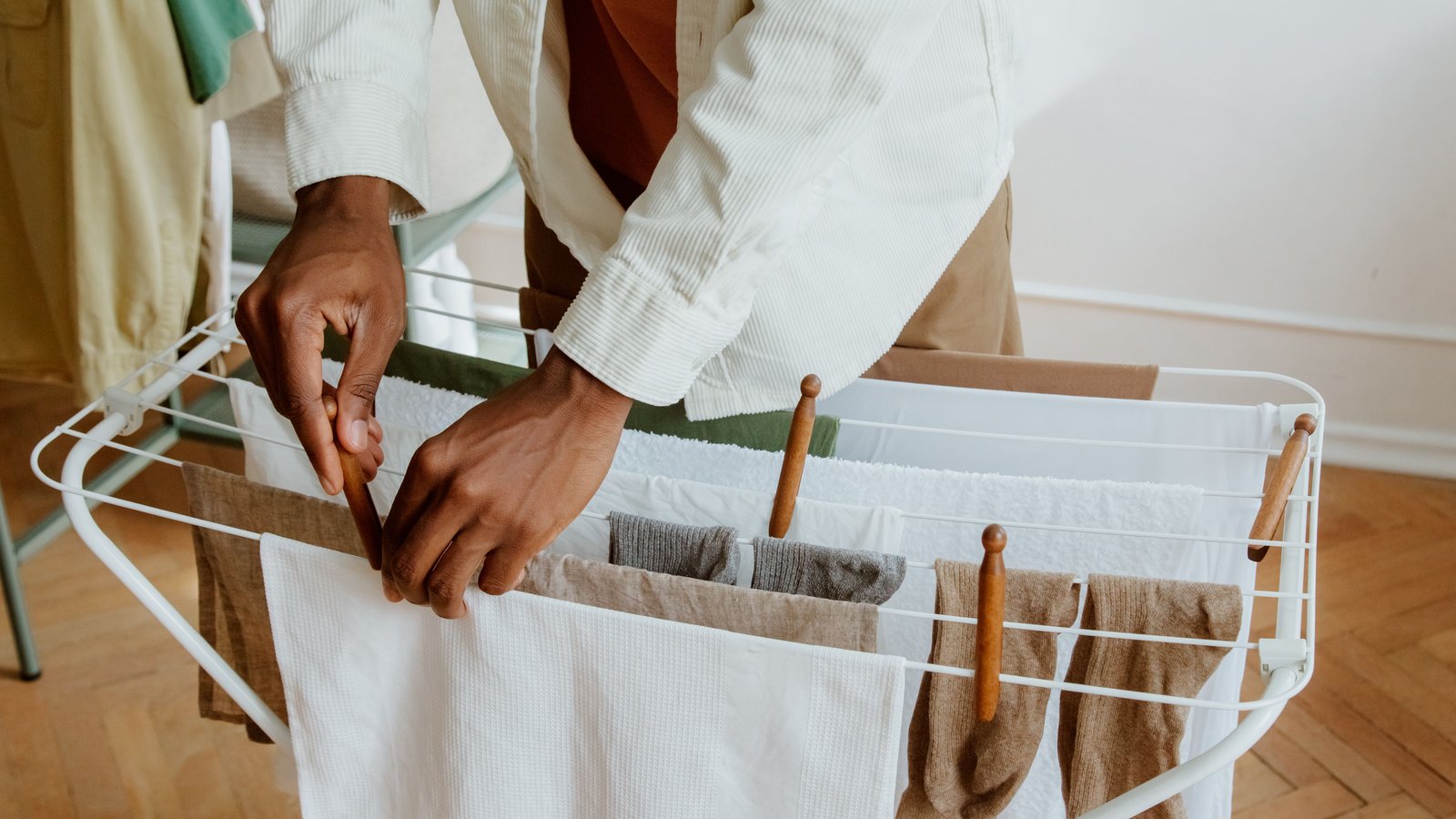
Which? ran the annual numbers and they don’t flatter the airer as much as the marketing does. Drying three small cotton loads a week on a heated airer costs a bit over £46 a year. The same on a condenser dryer is around £79, and on a vented one about £93. That’s the saving everybody quotes, and for a single person or a couple it’s real.
Now do it for a family. Three large loads a week costs around £58 in an average tumble dryer, but to dry the same volume on a heated airer you’d have to run it several times over, and Which? puts that at roughly £112 a year. The dryer wins by more than fifty quid, and it also finishes in ninety minutes rather than a day and a half.
The other exception is anyone who already owns a heat-pump tumble dryer. Which? found them just as cheap as a heated airer for small loads, and for large loads the heat pump costs about £46 a year against the airer’s £112. If you spent £500 on an A+++ dryer in the last few years, you have already solved this problem. Don’t buy the airer.
So the honest audience for a heated airer is narrower than the January sales suggest: one or two people, no tumble dryer or a very old one, and a flat or house where hanging washing outside isn’t an option from now until April. That is still a lot of Britain. It’s just not everybody.
The bit nobody mentions: where the water goes
A wet load of washing carries well over a litre of water. A heated airer doesn’t destroy it – it evaporates it into your living room, where it heads for the coldest surface it can find. In October, that’s the window and the wall behind the sofa. If you’ve ever wondered why the black speckle appears in the corner of the bedroom ceiling every November, this is a big part of the answer.
Which means the cheapest heated airer setup is rarely the airer on its own. It’s the airer plus a dehumidifier in the same closed room, which pulls the moisture out of the air and, as a bonus, makes the washing dry noticeably faster. We went through what £120 to £250 buys in a dehumidifier last month and the advice hasn’t changed: buy it now, not when the walls are already wet.
Two more things Which? is firm about. Don’t dry washing on radiators – it makes the boiler work harder for the same result and dumps the moisture straight into the room. And don’t leave a heated airer running overnight while you sleep. They run cooler than a dryer but they’re still a heating element under 15kg of fabric, and the risk climbs if it’s overloaded, pushed against curtains or plugged into a cheap extension lead. The Argos one has no timer, so this means remembering to switch it off. Set an alarm on your phone.

Covers, timers and the £16 upgrade
The one accessory that changes the result is a cover. It traps the warm air, turns the airer into a slow, silent, cheap version of a pod, and in Lakeland’s own figures brings a full load from 4-8 hours down to 3-5. Dry:Soon sells theirs as a bundle; Dunelm’s three-tier cover is £16 and fits most of the standard-size frames if you check the dimensions first. An old double bedsheet draped over the top with a gap at the bottom does most of the same job for nothing.
A timer is the other feature worth paying for, and it’s the main thing the sub-£100 airers give up. The Dry:Soon Deluxe and the Minky four-tier both have one. The Argos and Aldi models don’t. If you know you’ll forget to switch it off, a £10 mechanical plug-in timer from Screwfix solves it.
Castor wheels, eye-level controls and a fourth tier are nice and none of them is worth doubling the budget for.
Where to put the thing
The dirty secret of heated airers is that they’re ugly, they’re 1.4 metres tall, and once October arrives they never fold away because there’s always another load. This is a large part of why the boot room and the £150 hallway version has become the most wanted space in British homes – people are trying to find somewhere for the airer that isn’t the living room.
The practical answer for most flats is the bathroom with the door shut and the extractor running, or the smallest bedroom with a dehumidifier. Bar-type airers are silent so a bedroom works. Anything with a fan doesn’t. And if you’ve gone down the column radiator route this year, resist the urge to drape things over it; the airer is cheaper and the radiator stays a radiator.
What I’d buy this week
One or two people, no dryer, under £100: the Argos Home three-tier at £78.75, a £16 cover, and a plug timer. Total about £105 and you’re done for the decade. If you can wait until Aldi’s returns and don’t mind the scramble, the £69.99 upright does the same job.
Family with a working condenser or heat-pump dryer: nothing. Spend the money on a dehumidifier or the energy-saving kit that pays back instead.
Someone who needs one school uniform dry by 7am: the DriBuddi, and accept that it’s a specialist tool, not a dryer replacement.
The “3p an hour” airer will keep doing the rounds on Facebook every October regardless. The real number is closer to 8p, or about 50p a load, and for the right household that’s still the cheapest way to dry washing in Britain this winter. The question is whether you’re one of them – or whether you’ve been talked into a £180 Lakeland airer to replace a dryer that was already winning.