Heritage Open Days 2026 Is the Best Value in Britain’s Autumn Calendar – and the Good Slots Are Already Going
At midday today the booking system for London’s Open House Festival went live, and within the hour the tours people actually wanted – the BT Tower, a private house in Kew, a morning class with the English National Ballet dancers – had started closing off. That happens every August. What almost nobody outside the sector clocks is that Open House is the small one. Heritage Open Days 2026 runs 11 to 20 September across England, opens more than a thousand buildings that are normally shut or charge you to walk in, and costs nothing at all. It’s the largest festival of its kind in the country, it happens every year, and most people who’d love it have never heard of it.
In This Article
- What Heritage Open Days 2026 Actually Gets You Into
- The Word "Free" Is Doing a Lot of Work Here
- Skip the Stately Homes
- Four Festivals Wearing One Name
- Everyday Histories, and Why the Theme Barely Matters
- Who Pays for a Festival That Charges Nothing
- Six Things Worth Putting in the Diary
- How to Not Waste the Ten Days
That gap between scale and profile is the interesting bit.
Britain spends the summer arguing about the price of live culture. Glastonbury tickets, stadium seats, the Fringe’s accommodation problem. Then in the second week of September a festival with more open buildings than Glastonbury has stages quietly opens its doors and the coverage amounts to a few local papers and a Which? explainer. There’s a lesson in that about how we decide what counts as an event.
What Heritage Open Days 2026 Actually Gets You Into
The rules for organisers are simple and they explain the whole character of the thing. To register an event, a site has to meet one of three conditions: it isn’t usually open to the public, or its normal entry charge is waived for the festival, or the event has been made just for Heritage Open Days. Registration is free. There’s no fee, no commission, no ticketing cut.
What comes out the other end is genuinely strange, and the festival’s own description of itself is unusually good on this point. It promises everything from “a Cold War bunker to a crematorium, a museum to a mandir, a lido to a lighthouse, a canal boat to a colliery, a signal box to a submarine”. Read that list again. No arts organisation would design that programme. It’s what you get when you remove the gatekeeper and let two thousand-odd local groups put forward whatever they’re proud of.
The 2026 numbers are big. Which? reports that more than 1,000 buildings are expected to take part in England alone, on top of thousands of talks, walks, workshops and performances. Last year’s festival listed over 5,800 locations and events. Norfolk on its own has more than 340 things happening. Across a normal year the festival claims around three million visitors and something in the region of 40,000 volunteers.
The Word “Free” Is Doing a Lot of Work Here
Here’s the part the press releases skip. Free doesn’t mean available.
A large slice of the best events are ticketed, and free tickets go faster than paid ones because there’s no financial friction at all. Which? was blunt about it earlier this month: some popular events were already fully booked in early August, five weeks before the festival opened. If you turn up on the 11th expecting to wander into whatever takes your fancy, you’ll spend a decent chunk of the day reading laminated signs on locked doors. It’s the same lesson July’s Bayeux Tapestry sell-out taught at scale – culture with a deadline moves fast.
The booking dates are scattered, which makes this worse. London’s tickets went live at noon today. In Norfolk, most ticketed events open at 10am on Wednesday 26 August. The Sainsbury Centre releases its architecture tour slots at 10am on 29 August. Northern Ireland, Scotland and Wales all run to their own calendars. There’s no single national on-sale moment, which is fair enough for a volunteer-run festival but does mean the reward goes to whoever happens to be paying attention in their particular county on the right morning.
My honest advice: treat it like a gig on-sale. Find the events you want in the national directory now, note the release date for each one, set an alarm. It feels absurd to set a phone reminder for a free tour of a watermill in Cumbria. Do it anyway, because the alternative is finding out in September that the interesting half of the programme went in a fortnight.
Skip the Stately Homes
Here I part company with most of the coverage.
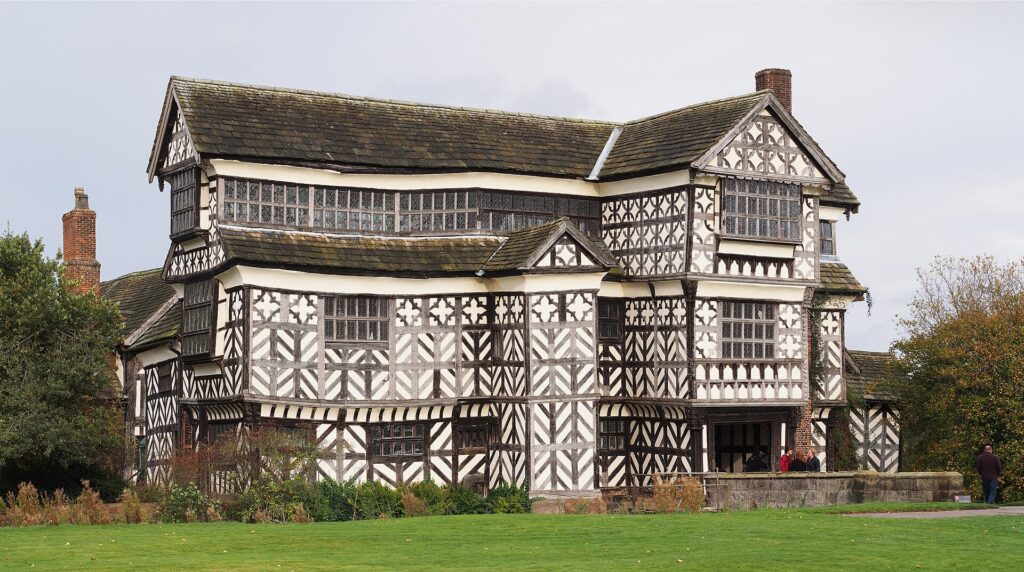
Every year the round-ups lead on National Trust properties – Killerton, Wallington, Nymans, Little Moreton Hall, Felbrigg. Lovely buildings, all of them. But if you’re a Trust member you can visit those on any wet Tuesday in February, and if you’re not, they’ll be there in March. Leading a Heritage Open Days guide with a stately home is like reviewing Glastonbury by talking about the burger vans.
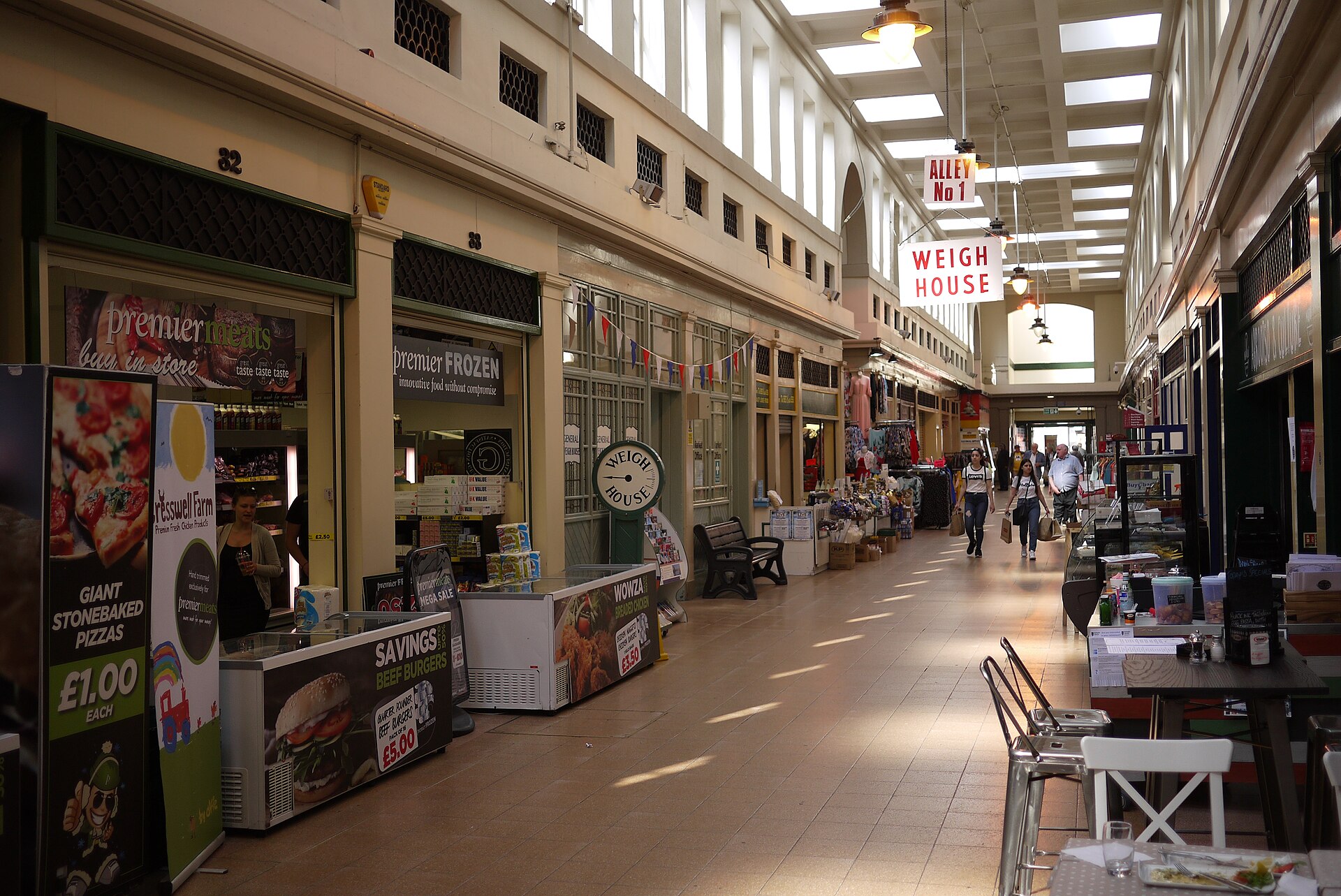
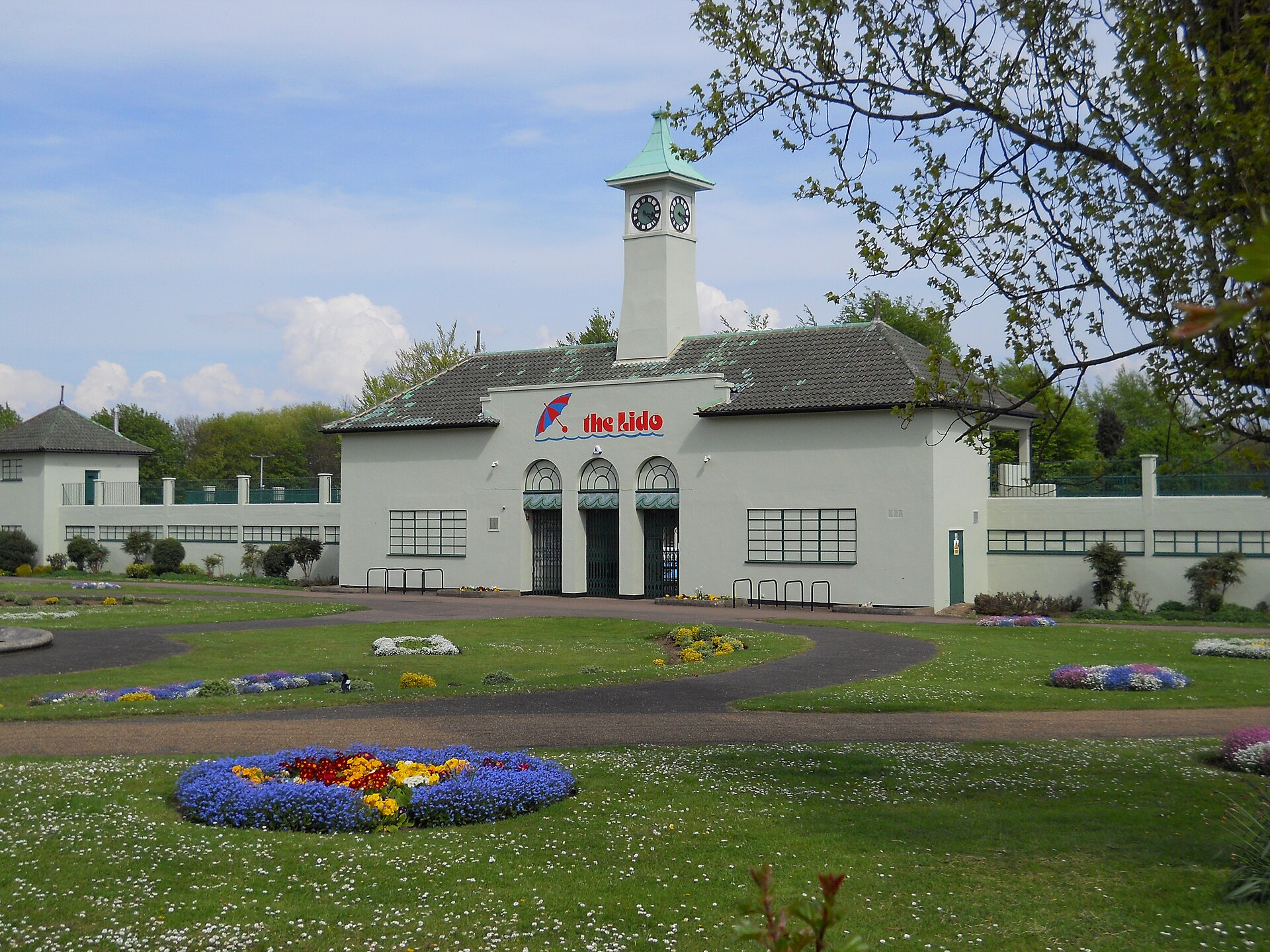
The festival’s actual value sits in the buildings that have no other way in. A signal box. An air ambulance base. A working Victorian printing press at the Bodleian that you get to operate yourself. Peterborough’s art deco lido, where you can swim for free in a 1936 open-air pool that most of the country doesn’t know exists. Wanstone Battery on the Kent coast. The Grainger Market in Newcastle, which is a functioning covered market rather than a heritage attraction, running an exhibition about its own everyday history.
None of those will appear on a postcard. All of them are the reason the festival exists. And the working buildings tend to be the ones where you end up talking to somebody who’s spent thirty years in the place, which is worth more than any audio guide.
Four Festivals Wearing One Name
A quiet source of confusion: Heritage Open Days is an England-only brand. The other three nations run parallel festivals under different names and on different dates, all sitting under the European Heritage Days umbrella that the Council of Europe started back in 1985.
In Scotland it’s Doors Open Days, coordinated by the Scottish Civic Trust, and it runs across the whole of September with each region taking a different weekend. Edinburgh alone opens the National Library of Scotland, study rooms at the National Galleries, the Museum of Scottish Fire Heritage in a working fire station on McDonald Road, and the Camera Obscura. Check the regional timetable before you plan anything, because Aberdeen’s weekend is not Glasgow’s weekend.
Wales runs Open Doors through Cadw, with over 200 sites. Penrhyn Castle and its garden are free on 13 and 14 September, no booking, which matters more than usual now the slate quarries around it hold World Heritage status. Powis Castle is also in, and Which? members rate it the best historic attraction in Wales at 83%.
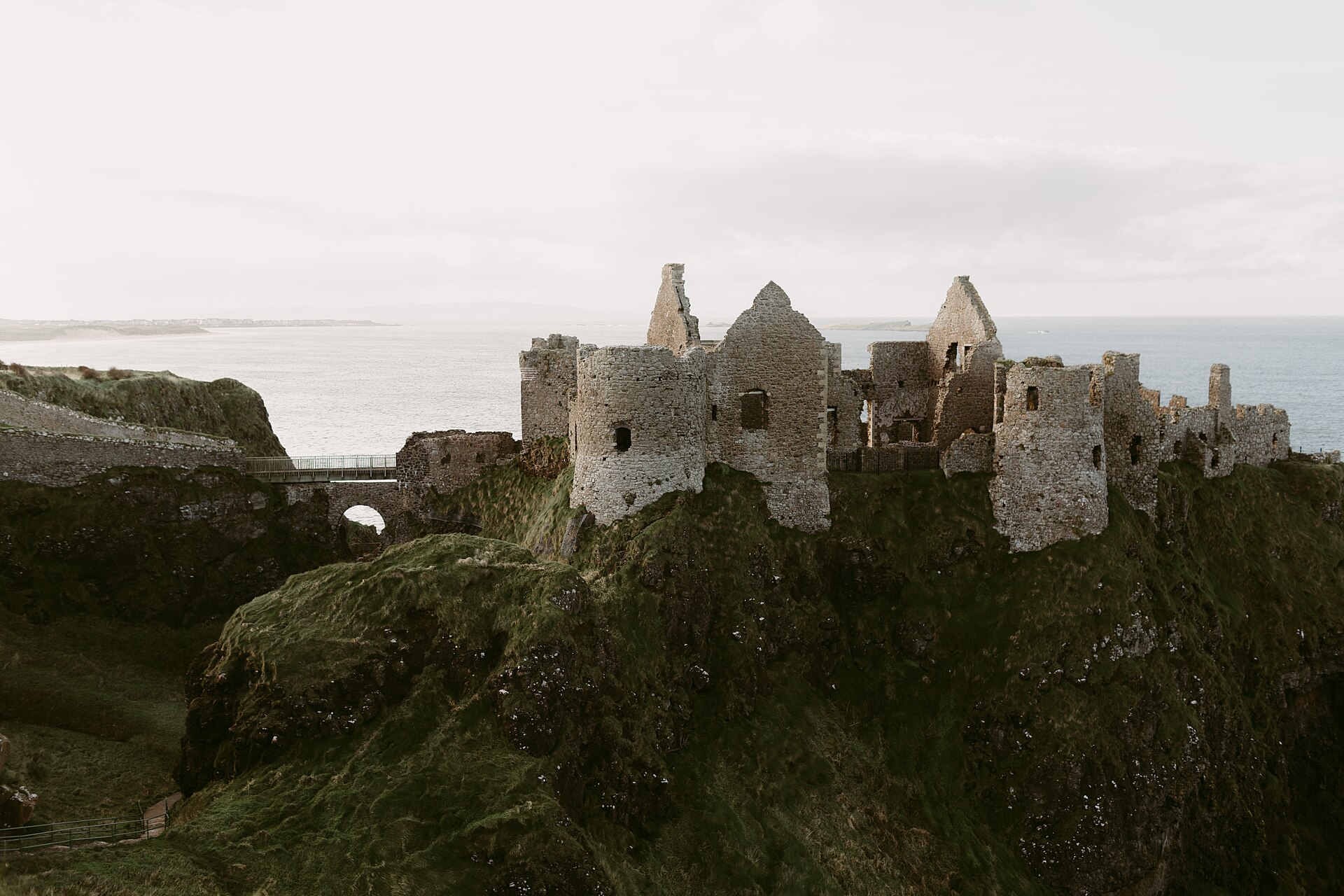
Northern Ireland compresses the whole thing into one weekend – 12 and 13 September – under the European Heritage Open Days name, with a theme of “Heritage at Risk: Revive, Resist, Reimagine”. Dunluce Castle on the Antrim coast, Hillsborough Fort and Courthouse, the Ulster Aviation Society’s hangars, and a twelfth-century Augustinian tomb at Dungiven are all confirmed. Two days is tight. Plan accordingly.
London, awkwardly, sits inside England but keeps its own name, its own dates and its own booking system. Open House runs 12 to 20 September and this is the 35th edition. It suggests a £7 donation, the only sum of money that appears anywhere in this festival, and it’s optional. The 10 Downing Street ballot closed on Monday, so that particular ship has sailed for another year.
Everyday Histories, and Why the Theme Barely Matters
Each year the festival picks a theme. 2026’s is Everyday Histories, presented by the family history site Findmypast, and the brief is to look at working lives – “from learning a craft to establishing routines and cherished rituals”, as the organisers put it. Factory floors, workhouses, high streets, kitchens, schools. Working-class stories rather than the aristocratic ones that heritage tourism usually runs on.
It’s a good theme. It’s also, in practice, close to optional. The organisers state plainly that following it isn’t a requirement, and it exists mainly to give volunteer groups a prompt when they’re staring at a blank registration form in March. So don’t use the theme as a search filter and assume you’ve seen the good stuff, because plenty of the strongest events won’t be tagged with it at all.
Where the theme does earn its keep is in shifting what gets registered. A covered market putting on an exhibition about its own traders, an air ambulance base opening its doors, a working printing press – these are exactly the kind of sites that wouldn’t have thought of themselves as “heritage” ten years ago. That’s a slow, real change in what English institutions think their history is, and it’s happening through a free festival rather than through any national policy.
Who Pays for a Festival That Charges Nothing
Somebody has to, and the answer is a slightly precarious mix. The National Trust coordinates nationally. Players of the People’s Postcode Lottery provide funding. European Heritage Days contributes, along with several smaller partners. Beyond that it runs on a festival community of more than 2,200 organisations and a volunteer workforce that dwarfs anything in the paid events sector.
Compare that with what else is in the diary. The Proms sells standing tickets at £8 and is rightly celebrated as the best value in British live music. The Edinburgh Book Festival caps its tickets at £21. Notting Hill Carnival stays free at a cost of £5.6 million in policing, cleaning and infrastructure. Heritage Open Days achieves a comparable public good on a budget that would barely cover a mid-tier festival’s site fencing, because the buildings already exist and the labour is donated.
That’s the fragility, too. A model built on volunteers and lottery money is one funding decision away from a much smaller programme, and the venues taking part are often the exact community buildings under the most financial pressure right now. Nobody’s suggesting the festival is at risk this year. But a thing that depends on 40,000 people giving up a weekend is not a thing to take for granted, and “it’s free so it must be fine” is a bad assumption about anything.
There’s a second-order point buried in the volunteer numbers. A paid festival has to guess what an audience wants and programme accordingly, which is why so much of the ticketed calendar converges on the same handful of safe bets. Heritage Open Days has no such pressure. Nobody at a Cumbrian watermill is worrying about whether the mill will shift enough units to justify the slot, so what gets offered is simply what the people running the place find interesting about it. That produces a lot of unevenness – some events are a bloke with a folder and a lot of enthusiasm – and it also produces the moments no commercial programmer would ever have commissioned.
You take the rough with the smooth. I’ve had one September afternoon in a parish church where the guide had clearly rehearsed for a month and it was better than most paid tours I’ve done, and another where the promised “guided walk” turned out to be four of us following a man who kept losing the thread. Both were free. Only one of them was a waste of time, and even that one had a good church.
Six Things Worth Putting in the Diary
Not a ranking, and deliberately weighted away from the obvious houses.
- Peterborough Lido – a free swim in a 1936 art deco open-air pool. The single most enjoyable entry in the programme, and you don’t need to care about architecture to get it.
- The Bodleian’s Victorian printing press, Oxford – hands on the machine, ink on your fingers. Family-friendly without being aimed at children.
- East Anglian Air Ambulance base, Norfolk – behind the scenes at a working emergency service. There’s a waiting list, which tells you how popular it is.
- Grainger Market, Newcastle – an Everyday Histories exhibition inside a Grade I listed John Dobson building that’s been trading since 1835. Go on a busy day rather than a quiet one.
- Wanstone Battery and the White Cliffs walk, Kent – wartime gun emplacements above Dover, plus a guided walk on the cliff-top herbs and wildflowers. Two very different registers in one afternoon.
- Acorn Bank Watermill, Cumbria – a restored working mill, and the kind of place that’s far more interesting in person than it sounds in a listing.
If you’re in London, the English National Ballet morning class is the one I’d fight for, followed by the ceilidh on the 19th. Both were on the drop-in or booked list when the programme went up on 15 July. Both will have moved by the time you read this.
How to Not Waste the Ten Days
Search the national directory by postcode rather than by keyword. Keyword search rewards the famous names, and the famous names are the ones you don’t need this festival for. Postcode search shows you the chapel down the road you’ve walked past for eleven years without going in.
Use the sold-out filter. It exists, it works, and it saves a lot of disappointment.
Then pick one day and stay local. The temptation with a ten-day free festival is to drive across three counties collecting buildings, and it doesn’t work – you spend the day parking. Two or three sites within walking distance of each other, with a decent lunch in the middle, beats six sites and 90 miles. This is the same argument I’d make about the free strand at the Edinburgh Fringe, where the people who enjoy themselves most are the ones who pick a venue and stay put.
One last thought. Roughly three million people go to Heritage Open Days each year, out of a country of 57 million. That’s a rounding error for the biggest free cultural event England runs. Compare it with the noise around a ticketed London blockbuster show and you start to wonder whether we’ve quietly decided that culture only registers as culture once somebody charges for it.
So – which building have you walked past for years without ever getting through the door, and is it on the list this September?