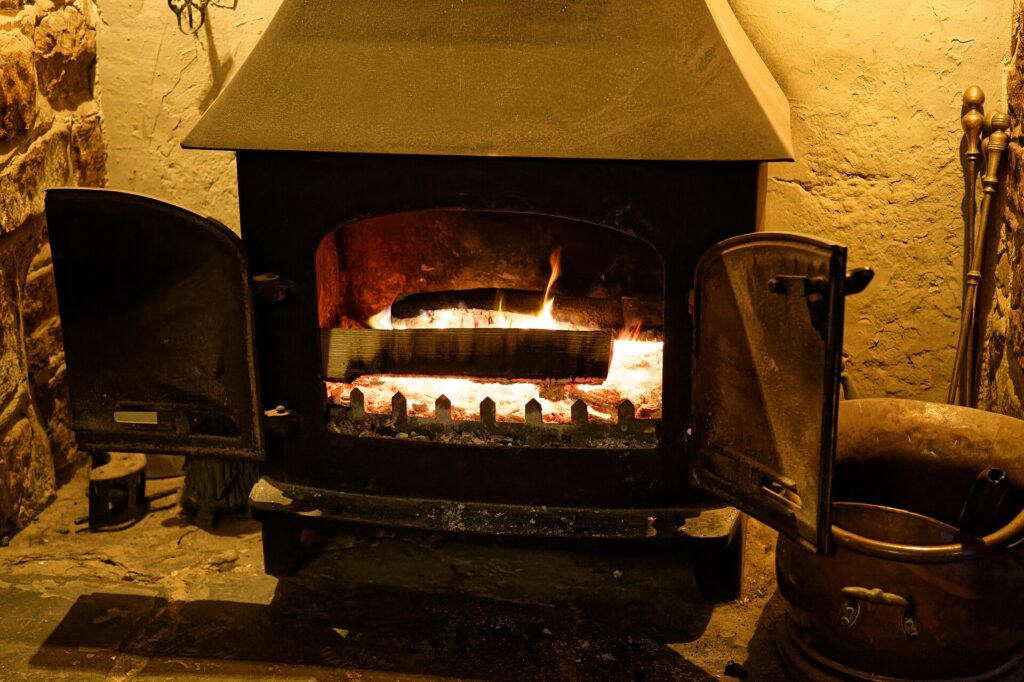
Log Burner Rules in 2026: Three Fines, 10,600 Complaints, and Why August Is When You Book the Installer
Councils in England received more than 10,600 complaints about domestic smoke in the two years after January 2022. They issued three fines. Not three hundred – three.
In This Article
That gap, reported by Which? from council data, tells you most of what you need to know about the log burner rules in 2026. On paper they’re tightening. In practice, enforcement barely exists, and the thing most likely to cost you money isn’t a council officer at the door – it’s the £3,000 you spend on an installation that was never going to heat your house the way you imagined.
So before you join the autumn rush, here’s what the rules actually say, what Defra has proposed changing, and what a stove genuinely costs to put in and run.
What the log burner rules in 2026 actually say
Start with the myth, because it’s the one that drives half the panic-buying every September. Wood burners have not been banned. There’s no phase-out date, no requirement to rip out an existing stove, and no proposal on the table that would force you to.
What exists is a layered set of controls that mostly bite at the point of sale rather than the point of use.
If you live in a Smoke Control Area – which covers most urban England, all of Greater London, and large parts of Scotland and Northern Ireland – you can only burn in an appliance that’s on the Defra exempt list. Those appliances are tested to emit no more than three grams of smoke an hour. Burn in an open fire or a non-exempt stove in one of those areas and you’re breaking the rules, though good luck getting a straight answer from your council on whether your street is inside the boundary. Many of the maps date from the 1960s and 70s.
Checking is genuinely awkward, and the fact that it’s awkward is part of why enforcement is so thin. There’s no single national map. You ring the environmental health team at your council, or dig through their website until you find a PDF scanned from a paper original, and the boundary often follows a road rather than anything you’d guess from looking at the street. A Victorian terrace and the 1990s estate behind it can sit on opposite sides of it. Ask before you order a stove, not after.
Fuel rules are separate and apply across England regardless of where you live. Traditional house coal and wet wood sold in units under two cubic metres have been off the market for domestic use since 2021. Anything you buy in a bag should carry the Ready to Burn logo, which certifies moisture content below 20%.
And every stove sold new since 2022 has had to meet Ecodesign standards, which is why the second-hand market for pre-2022 stoves is quietly thriving among people who think they’re getting one over on the system. They’re mostly getting a less efficient stove.
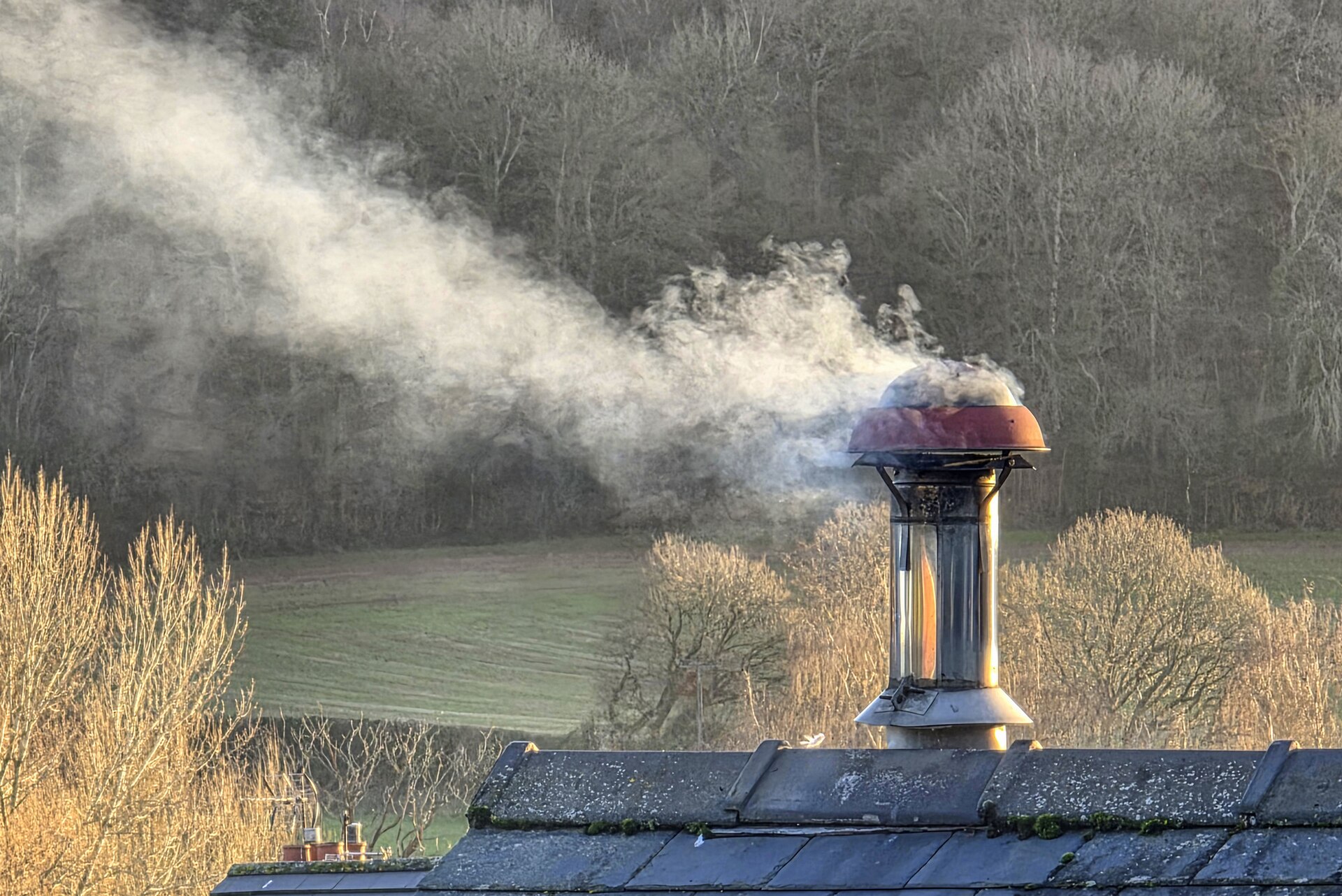
Penalties, when they land, are modest. Councils in England can issue fixed penalty notices generally in the £175 to £300 range, with more serious or repeated breaches – selling unauthorised fuel, for instance – carrying fines up to £1,000. But as the complaint figures show, the number of people who ever see one is vanishingly small.
The consultation that started the panic
On 22 January 2026, Defra opened a UK-wide consultation on domestic solid fuel burning, run jointly with the Scottish and Welsh governments and DAERA in Northern Ireland. It closed on 19 March. The headlines that followed were, predictably, about bans.
Read the actual document and the proposals are narrower than the coverage suggested. The big one is cutting the smoke emission limit for new stoves entering the market from 5g an hour to 1g an hour – a genuinely significant tightening that would reshape what manufacturers can sell. Alongside it sit mandatory A-to-C labelling at point of sale, periodic retesting of appliance models, and stiffer penalties for fuel retailers who breach the standards.
None of it touches stoves already installed in people’s homes.
The House of Commons Library briefing on domestic burning controls is the clearest summary if you want the detail without the trade-body spin. As of this summer, the government response hasn’t been published, so nothing has changed in law. If you’re buying now, you’re buying under the existing 5g/hr regime – which is worth knowing, because a stove bought this autumn will still be perfectly legal to use if and when a 1g limit arrives for new sales.
The context behind the consultation is the emissions data, and it’s less damning than it was. Domestic combustion accounted for roughly 20% of the UK’s total PM2.5 emissions in 2024, down from 28% in 2020. Wood burning makes up around three-quarters of that domestic figure. Twenty per cent is still a lot – comparable to road transport – but the direction of travel is downwards, largely because Ecodesign appliances replaced older ones and wet wood left the retail shelves.
Does a stove save you money? Mostly no
I’ll lose some people here.
The energy-saving case for a log burner is much weaker than the industry likes to suggest, and if saving money is your main reason for installing one, you should probably put the money somewhere else. The arithmetic doesn’t work the way people assume.
Kiln-dried logs in 2026 run somewhere between £160 and £230 for a bulk bag of roughly a cubic metre, depending on species, volume and how far the lorry has to come. Trade estimates put typical seasonal use at around 3.5 cubic metres for evenings and weekends from mid-October to mid-April. That’s £560 to £800 a winter if you’re buying kiln-dried at retail prices, and rather less if you have a friendly local supplier, a dry log store and the patience to season wood yourself.
Per unit of heat, wood lands roughly where gas does – call it 10p to 20p per kWh against gas at around 10p. So you’re not obviously winning. What you’re actually buying is the ability to heat one room properly while leaving the central heating off, and whether that saves anything depends entirely on whether you’d otherwise have been heating the whole house to be comfortable in the sitting room.
For a lot of British households the honest answer is that a log burner is a lifestyle purchase. It’s furniture that produces heat. There’s nothing wrong with that – people spend more on a sofa they like less – but it belongs in the same mental category as reinstating a separate dining room or limewashing the walls, not in the same category as loft insulation. If you want measurable savings this winter, the gadgets that pay for themselves before the October cap are a far better use of a few hundred quid.
What £1,500 to £5,500 actually buys
The stove itself is the cheap bit, which catches people out constantly.
Entry-level Ecodesign stoves from brands like Aarrow start around £539 for something like the Acorn View 4. Move up to a Hamlet Solution 5 or a Charnwood Country 4 BLU and you’re looking at four figures, though the Charnwood’s ten-year warranty and three-year consumables guarantee make it easier to justify than most. The Cranmore 5 is the one I’d point most people towards in the 5kW class if the budget stretches.
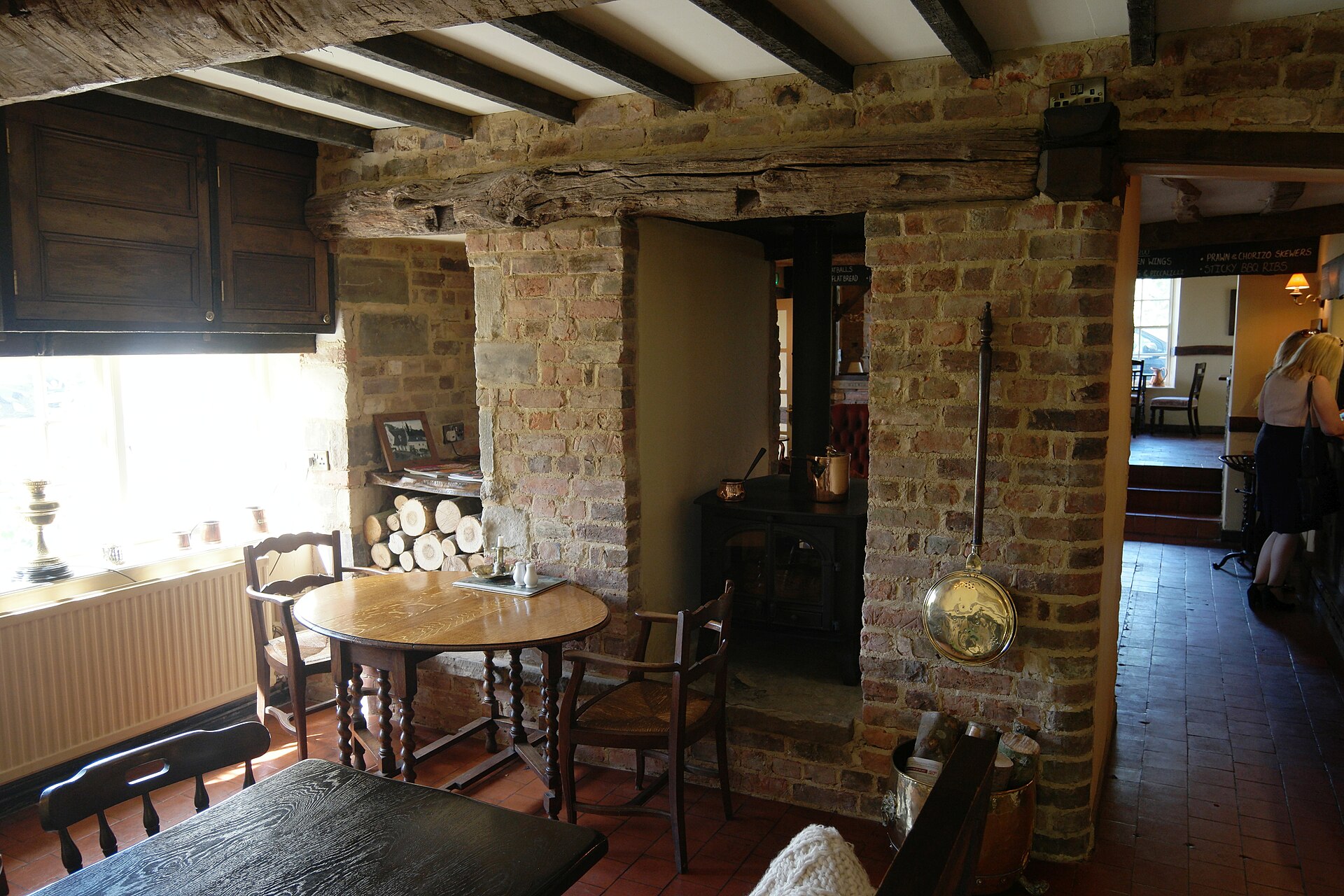
Then the costs stack. A stainless flue liner for an existing chimney is £400 to £1,000 before fitting. No chimney at all and you need a twin-wall system, which starts around £1,500 and goes up fast depending on how many storeys it has to climb. HETAS-registered labour runs £300 to £1,000; a straightforward one-day install with a two-person team lands around £500 to £700. Add a hearth, register plate, and the almost inevitable “your chimney needs work” conversation.
All in, most standard installations with a usable chimney come out between £2,500 and £3,500. The full range across the market is roughly £1,500 for the simplest jobs to £5,500 for anything involving structural work. Anyone quoting you £1,200 fitted either isn’t HETAS-registered or is about to discover something in your chimney.
Buy the smallest stove that fits your room. This is the single most common mistake in British sitting rooms – people specify an 8kW or 10kW stove for a space a 4kW would heat, then spend every winter running it half-throttled with the air starved, which is exactly the condition that produces smoke, tar and a filthy glass door. A stove burning properly at full output is cleaner than a big one being choked.
The installer diary is the real deadline
Here’s the practical reason this is an August article rather than an October one.
HETAS-registered installers get booked out. From about mid-September the phone starts ringing, and by the time the clocks go back the good ones in most regions are quoting lead times into December or January. Sweeps go the same way – you’ll wait weeks for an appointment in November that you could get in a fortnight now.
The same logic applies to almost every winter-prep job. It’s the reason we’ve argued for buying a dehumidifier in August rather than November. Demand for anything that makes a British house habitable in winter is brutally seasonal, and the people who sort it out in late summer get better prices, better availability and someone who isn’t rushing to the next job.
If you’re getting quotes, get three, and check the HETAS register yourself rather than taking a certificate on the van at face value. Self-certification is what keeps you the right side of Building Regulations, and without it you’ll have an awkward conversation when you sell the house.
The fuel mistake that causes most of the trouble
Almost every complaint about a neighbour’s stove traces back to what’s going into it, not the appliance.
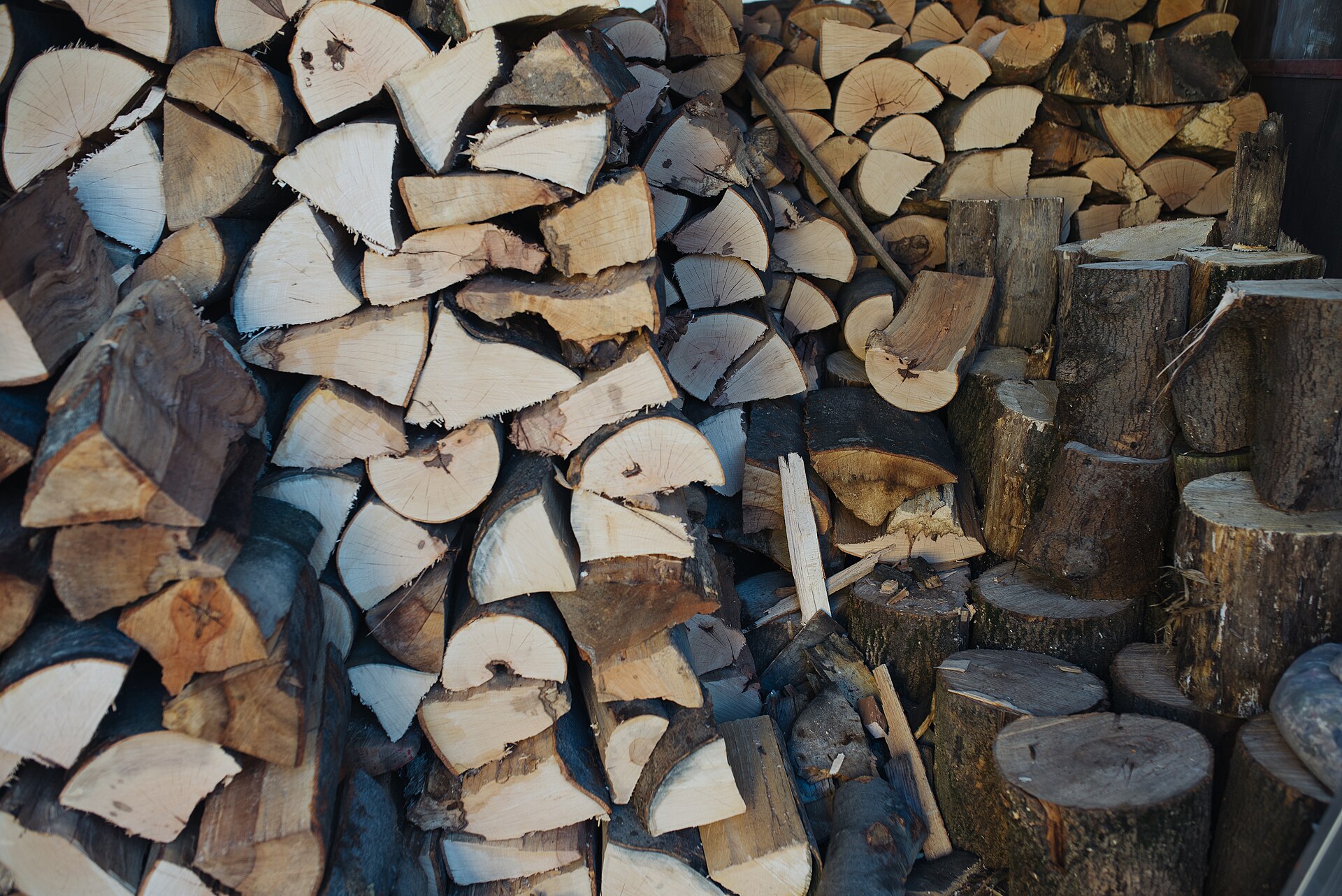
Wet wood is the culprit. Timber above 20% moisture spends its energy boiling off water rather than producing heat, which is why a badly fuelled stove smokes, smells and coats the flue in tar. Burning skip wood, pallets, old fence panels or anything painted or treated is worse again, and it’s the fastest route to a chimney fire.
Get a moisture meter. They’re about a tenner, they take five seconds, and they settle the argument with whoever sold you the logs. Split a log and test the fresh face, not the outside.
Season your own if you can. Two years under cover with air moving through the stack, cut and split before storage, will get most hardwoods well under 20% for a fraction of what kiln-dried costs. The bulk bag of “seasoned” logs from a garage forecourt is the worst value in the entire category – you’re paying a premium for wood that’s frequently nowhere near dry enough.
Who should skip a log burner entirely
Mid-terrace houses with neighbours four metres either side. Homes with a small child or anyone with asthma sleeping in the room. Any property where installing one means a twin-wall flue up an external wall, because the cost stops making sense and the aesthetics rarely survive contact with reality.
And if you rent, obviously – though it’s remarkable how many people ask.
For most of those households an electric stove-effect fire is the sensible compromise, and I say that as someone who finds them slightly depressing. The good ones from Gazco or Dimplex sit around £700 to £1,200, need no flue, no sweep and no annual argument about moisture content, and produce heat at whatever your electricity unit rate is. That last part is the catch: they’re expensive to run as a primary heat source. Use one as an occasional evening thing and it’s fine. Use one instead of the central heating and you’ll notice.
The Defra consultation makes the direction of policy clear enough: cleaner appliances, better labelling, more enforcement teeth for the fuel trade. None of that is a reason to rush out and buy before some imagined deadline, because there isn’t one. But it’s a reason to buy the cleanest appliance you can afford rather than the cheapest, and to burn properly once it’s in.
A stove done well is one of the few things that changes how a room feels rather than just how it looks – the same trick a good lamp-only lighting scheme pulls off, but with heat. Done badly, it’s three grand of cast iron that annoys your neighbours and never quite draws.
If the stove is going into a small second sitting room rather than the main space, the room deserves as much thought as the appliance. Our guide to snug room ideas for 2026 covers the layout, the lighting and where the stove sits in it.
Which one you end up with is mostly decided in the fortnight you spend choosing an installer. So who are you ringing first?