

How Much Protein Do You Need in 2026? The 45g Answer the Supermarket Protein Boom Would Rather You Missed
A woman weighing 60kg needs about 45g of protein a day. That’s the official NHS-backed figure, and it’s roughly what you get from two eggs, a small pot of yoghurt and a modest portion of chicken. Walk down any British supermarket aisle in October 2026 and you’d think the real number was triple that.
In This Article
- The number on paper, and why it's so boring
- What 45g actually looks like on a plate
- The protein premium: what you're really paying for
- Who genuinely does need more
- How much protein do you need if you lift?
- The "protein for weight loss" claim, tested
- Can you have too much?
- Powders, bars and the stuff nobody should bother with
- Reading a label without getting played
- A sensible rule for the rest of us
Protein porridge. Protein crisps. Protein bagels, protein milk, protein ice cream, protein “mug cakes” that cost more than the mug. So how much protein do you need, and does the answer justify any of it?
For most adults, no. For a few groups, yes – and those groups are probably not who the marketing is aimed at.
The number on paper, and why it’s so boring
UK guidance sets the reference intake at 0.75g of protein per kilogram of body weight per day. In practice that works out at around 45g for the average woman and 55g for the average man. An NHS trust dietitian, writing on the Mersey Care NHS site earlier this year, gave the same figures and suggested most healthy adults simply eat protein-rich foods like pulses, dairy, eggs and fish in two or three meals a day.
That’s it. No powder, no macros app.
The bit that rarely makes the packaging is that most of us already clear the bar. A 2018 consumer analysis from the consumer watchdog Behind the Label, reported by NutritionInsight, put average UK intake at around 55% above the recommendation. It’s an older figure and the picture will have shifted a little, so treat it as a rough guide rather than gospel. But the direction is hard to argue with. Britain isn’t short of protein. Plenty of us are short of fibre, and nobody’s launching a fibre-enhanced crisp.
I’m going to be blunt about where I’ve landed on this. The recommended figure is a minimum to avoid deficiency in the general population, not a target for people who lift weights, are getting older or are trying to lose fat. That’s a fair criticism of the 0.75g number. It’s just a different argument from the one the supermarkets are making.
What 45g actually looks like on a plate
Numbers on their own mean nothing, so here’s a rough day. These are approximations from typical UK labels, and brands vary, so check the back of the pack.
Two medium eggs for breakfast get you somewhere around 12-13g. A tin of chickpeas (drained) in a lunchtime salad adds roughly 18-20g. A palm-sized piece of chicken or a fillet of fish at dinner is another 25-30g. You’ve passed 55g and nobody’s opened a tub of whey.
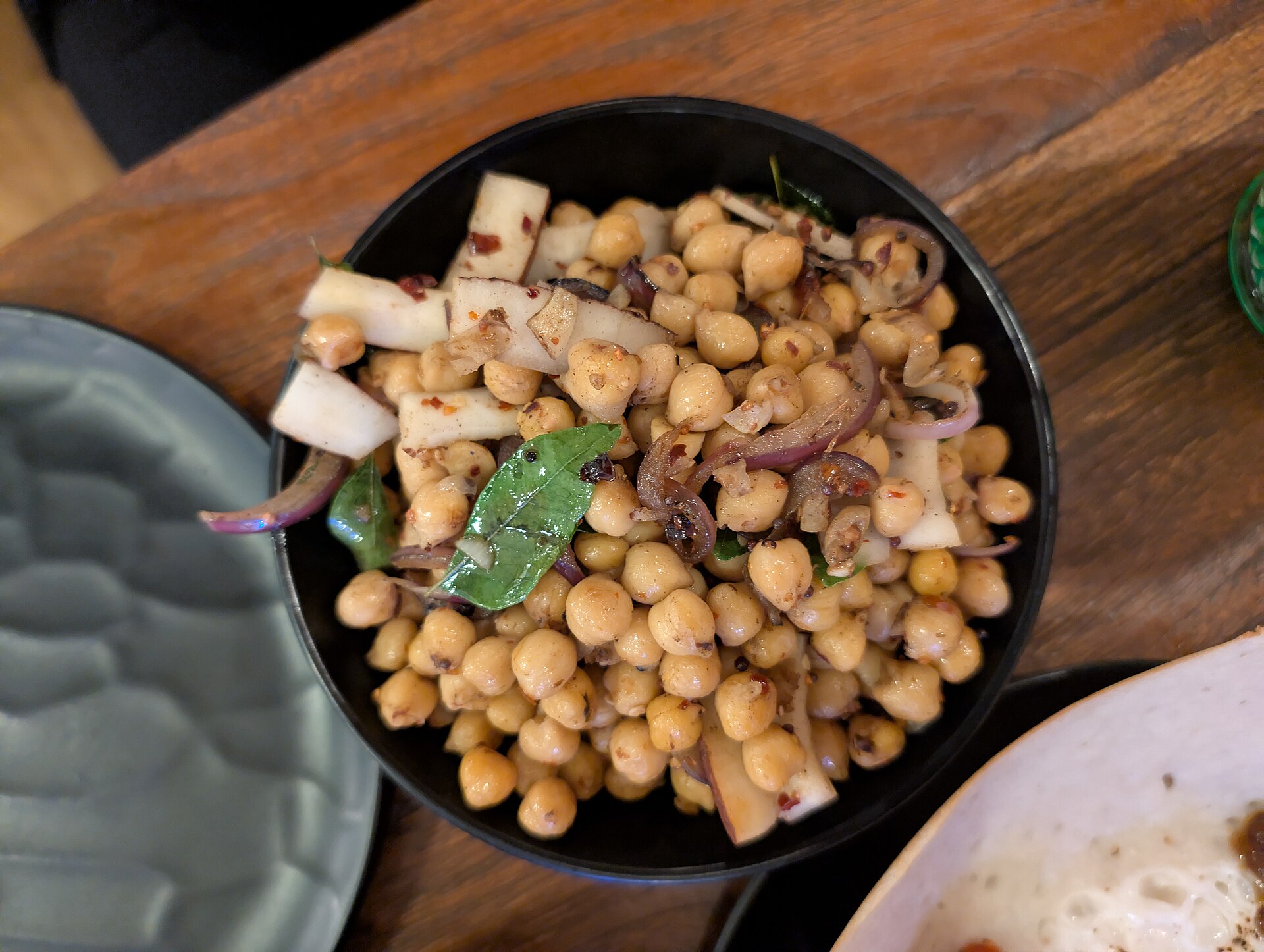
And that’s before bread, milk, cheese, oats or the handful of nuts you eat while the kettle boils. Everyday food adds up quickly, which is exactly why “high protein” labels do so little for most people. You’re paying extra for something already in the cupboard.
The protein premium: what you’re really paying for
Behind the Label’s 2018 comparisons are still the clearest illustration I’ve found, even if the prices have moved since. A branded fruit and nut protein mix at £2.25 against a supermarket nuts-and-raisins mix at 63p, with a protein difference of just 2g per 100g. A “pro-yo” yoghurt at £1.08 against a standard skyr at 50p, a gap of 1.1g per 100g. A protein bagel that, on the numbers they published, contained less protein than the ordinary wholemeal one next to it.
Prices today will be different, so check your own shop. But the pattern is one you can test in thirty seconds in any aisle: flip the pack, compare protein per 100g, then compare price per 100g. If the gap in protein is one or two grams and the price has doubled, you’ve bought a sticker.
Some protein-fortified products are fine. A decent high-protein yoghurt is, honestly, a good snack. But “fine” isn’t the same as “worth double”. The nutritionist quoted in that 2018 piece, Charlotte Stirling-Redd, put it plainly: unless a medical professional has advised it, you don’t need protein-specific products.
Who genuinely does need more
Here’s where the story flips, and where I’d be doing readers a disservice by writing a pure takedown.
The NHS dietitian piece lists several groups who benefit from eating more than the baseline: people over 40 trying to hold on to muscle, menopausal women, pregnant and breastfeeding women, and people who train seriously. The age angle matters most. Muscle becomes less responsive to protein as we get older, which is why a 28-year-old and a 68-year-old eating the same chicken breast don’t get the same return. Reports on older UK adults have repeatedly suggested a large share of them aren’t eating enough, which makes the overfed-Britain headline a bit of a half-truth. Some of us are drowning in protein bars. Others skip lunch because they live alone and can’t be bothered cooking.
If you’re in the menopause bracket, our look at menopause supplements in 2026 covers what’s worth spending on and what isn’t. Protein sits firmly on the “food first” side of that list.
How much protein do you need if you lift?
This is the question behind most protein tubs sold in the UK, so it deserves a proper answer.
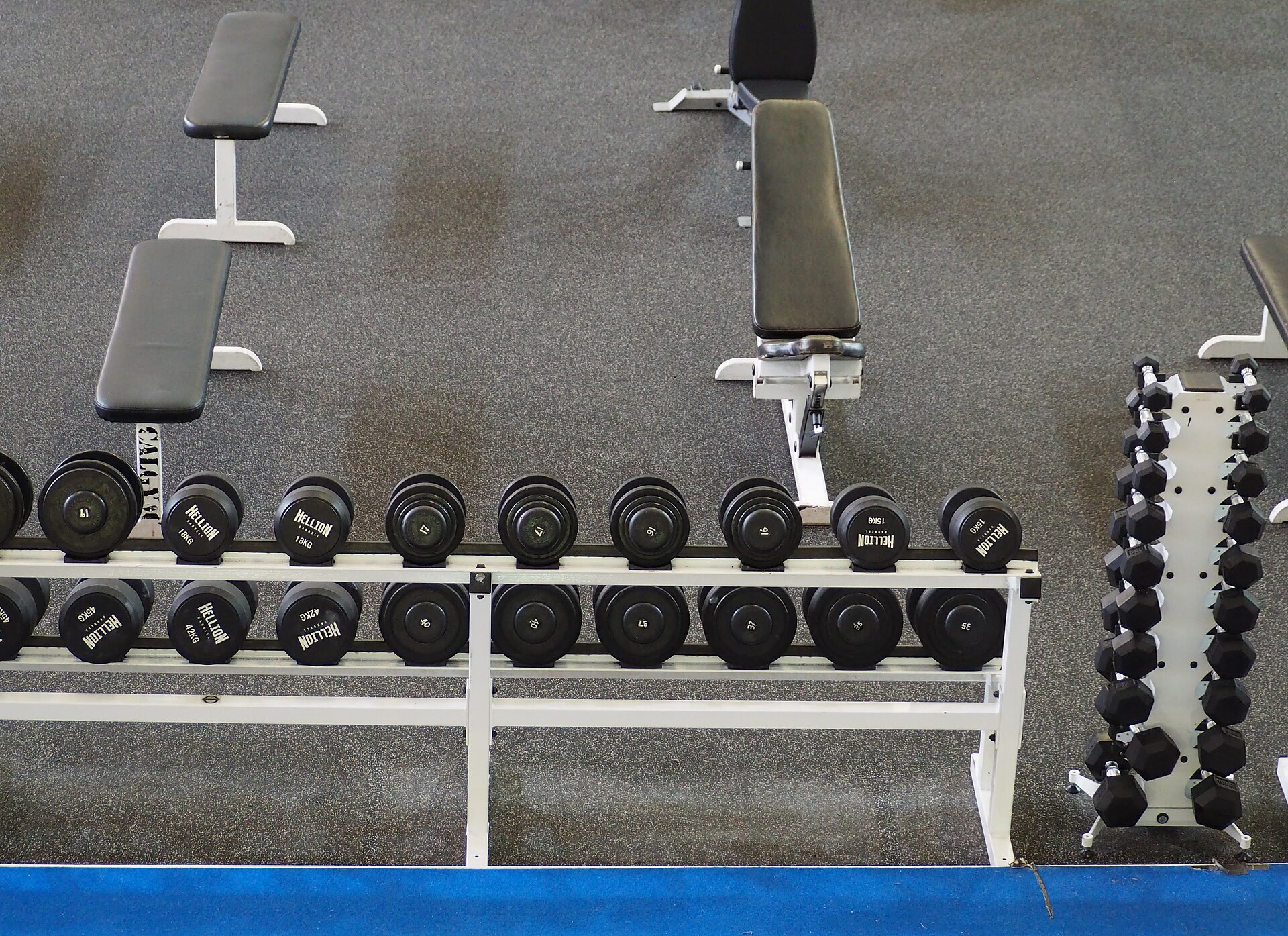
The best-known evidence is a 2018 meta-analysis led by Robert Morton in the British Journal of Sports Medicine. It pooled 49 trials covering nearly 1,900 people doing resistance training. The headline finding was that extra protein helped muscle gains, but the benefit levelled off at roughly 1.6g per kilogram of body weight per day. The upper end of the confidence range stretched to about 2.2g/kg, which is where the “eat 2g per kilo” rule of thumb comes from.
Run the sums for a 75kg lifter. The NHS baseline is about 56g. The evidence-based ceiling for muscle gain is around 120g, with the upper estimate near 165g. That’s a big jump from the baseline, and it explains why gym culture treats 0.75g/kg as a joke.
But look at what the research does and doesn’t say. It says people training hard may benefit from roughly double the baseline. It doesn’t say you need 200g. It doesn’t say a shake is better than chicken. And the gains from going from 1.6g to 2.5g per kilo are, on that analysis, basically nil.
If you train three times a week and eat reasonably, you’re probably already near 1.2-1.5g/kg without trying, and a scoop of whey is a convenience rather than a necessity. If you’re a vegetarian lifter or you hate cooking, it’s a handy way to close a gap. Fine. Just don’t let anyone convince you it’s mandatory.
We’ve written separately about creatine for women, which has far stronger evidence behind it than most protein add-ons and costs less per day than a flat white. If I had to pick one supplement for a gym regular on a budget, it would be creatine ahead of the protein tub. I’d say that to anyone.
The “protein for weight loss” claim, tested
Higher protein does help with fat loss, and it’s one of the few diet claims that holds up reasonably well. Protein keeps you fuller than carbohydrate or fat, and the body uses more energy digesting it. When you cut calories, a higher intake also helps protect muscle.
But that benefit comes from eating more protein within a sensible calorie budget, not from buying a “high protein” cereal that’s still 400 calories a bowl. Fancy packaging doesn’t change the energy balance. If you’re curious how this plays with eating windows, our piece on intermittent fasting for weight loss looks at whether squeezing meals into fewer hours makes protein targets harder to hit.

Can you have too much?
For healthy people, going over the recommended amount isn’t dangerous in the short term, and the scare stories about protein wrecking healthy kidneys are mostly overblown. But the same NHS dietitian does flag that very high intakes can put extra strain on the kidneys and liver and raise the risk of dehydration and kidney stones. If you have existing kidney disease, that’s not a theoretical worry, and you should speak to your GP before changing anything.
There’s also a plain cost argument. Protein you don’t need is either burned for energy or stored, and it’s an expensive way to do either.
Powders, bars and the stuff nobody should bother with
Let’s rank the protein aisle by how much I’d actually spend on it.
Whey or a plant-based powder is the only category I’d call genuinely useful. It’s cheap per gram of protein compared with almost everything else on the shelf, it keeps for months and it’s easy to use if you don’t eat meat. A tub that works out at a pound or so per serving is fair. Pay double for a celebrity logo and you’re funding the logo.
Protein bars are mostly sweets with better PR. Many sit at a similar calorie count to a chocolate bar, and the protein comes with a long ingredient list and a price that makes a tin of tuna look like a bargain. Tuna, by the way, is the unglamorous hero here. Cheap, tinned, 20-odd grams of protein per tin and absolutely no marketing budget.
The ones I’d skip entirely are the fortified everyday foods: the protein bread, protein cereal, protein crisps and protein water. Each takes something you already eat and adds a little protein and a lot of price. If you like the taste, fine. If you’re buying them because you think you’re falling short, you’re not.
Reading a label without getting played
The front of a pack is advertising. The back is the legal bit, and it’s where the truth lives.
Look at protein per 100g first, since it lets you compare across pack sizes. Then check calories per 100g, because a “high protein” snack with 450 calories isn’t doing you favours if you’re trying to lose fat. Then compare the price per 100g against the plain version. In the UK, a product can usually only make a “high protein” claim if at least 20% of its energy comes from protein, which sounds impressive until you realise a plain chicken breast clears that without trying. The claim tells you about the ratio, not about whether the product is good value or good for you.
And watch the serving size. A bar showing 20g of protein per bar looks great until you spot that you’re eating one. A cereal showing 15g per serving may be quoting a 40g portion that nobody pours. I’ve done it myself, out of habit, and ended up with half the protein and double the milk. A bit of a faff, but ten seconds with the label saves a lot of pennies.
A sensible rule for the rest of us
If you’re an average adult who doesn’t lift heavily: eat a protein source at each meal, ignore the fortified aisle, and stop counting grams. You’re almost certainly fine.
If you’re over 40, in perimenopause or menopause, or starting strength training: aim a bit higher, somewhere between the baseline and 1.2-1.6g/kg, mostly from food. Add a shake only if you struggle to get there.
If you’re a serious lifter: 1.6g/kg is the number the evidence supports. Beyond it you’re mostly buying peace of mind. The same logic runs through our look at whether vibration plates actually work: the basics usually beat the gadget.
The protein boom isn’t a scam, exactly. Some of the products are decent. But the loudest claim, that most of us are under-eating protein and need to fix it with packaging, doesn’t stand up against the figures we’ve got.
So here’s a question to take to the supermarket this week: next time a “high protein” label catches your eye, turn it over and check the protein per 100g against the ordinary version. How big is the gap, and would you have paid for it if the front of the pack hadn’t told you to?