
Creatine Gummies in 2026: Lab Tests Found Four in Six Had Almost No Creatine – And Who Should Skip Them
Send six popular creatine gummies to an accredited lab and, on the most recent round of testing, four of them come back with almost no creatine in them at all. Not “a bit under the label claim”. Barely any. One brand would need you to chew through something like 800 sweets to hit a proper 5g dose. Another, closer to 2,000.
In This Article
- What the lab actually found in the creatine gummies
- Why a gummy struggles to hold creatine in the first place
- The maths that quietly kills the gummy
- Who’s actually buying all this creatine
- How gummies got so popular in the first place
- The one case where I’d leave the gummies alone
- How to buy creatine that actually does something
- Can’t you just get it from food?
- Is creatine itself safe?
That’s the state of creatine gummies in 2026. They’re the fastest-growing corner of a supplement that’s having its biggest moment in years, and a chunk of what’s on sale is fruit-flavoured sugar with a picture of a dumbbell on the tub.
It’s part of the same wave that has put protein in everything from Weetabix to Mars bars – the supplement aisle has escaped into the rest of the supermarket.
I want to be fair here, because the powder crowd can get smug about this. Gummies solved a real problem. Plenty of people never stuck with creatine because scooping gritty powder into a shaker every morning is a faff (a faff people pay handsomely to avoid across the aisle too – it’s half the sales pitch for £97 greens powders), and the stuff never fully dissolves. So the idea is sound. The execution, for a lot of brands, is where it falls apart.
Creatine isn’t the only supplement getting the glow-up treatment either – NMN supplements are having a similar moment among the longevity crowd.
What the lab actually found in the creatine gummies
The testing that kicked this off was run through an ISO-accredited independent lab, with products bought off Amazon like any shopper would. Five creatine powders and six gummies went in. All five powders passed comfortably, landing within a couple of percent of what their labels promised. The gummies were carnage. Four of the six failed on identity and potency, meaning the creatine either wasn’t there or was present in trace amounts that no reasonable person would call a dose.
The numbers are worth sitting with. A serving of creatine that works is 3 to 5 grams. Some of the failed gummies were delivering a fraction of one per cent of that. You could eat the whole tub in a sitting and still be short of a single day’s worth.
And these weren’t obscure brands hiding in the fourth page of search results. Several carried Amazon ratings north of 4.4 stars, thousands of glowing reviews, the lot. Reviews measure whether people liked the taste and the packaging. They can’t measure whether there’s any active ingredient inside, because nobody chewing a sweet can feel 4 grams of creatine going in.

Why a gummy struggles to hold creatine in the first place
This isn’t only about dodgy manufacturers cutting corners, though there’s plenty of that. There’s a chemistry problem baked into the format.
Creatine monohydrate is stable when it’s dry. Tip it into water and it slowly converts to creatinine, a useless breakdown product your body just excretes. The warmer and wetter it gets, the faster that happens. A gummy is, at its core, a wet product that’s been heated during manufacturing and then sits on a shelf for months, sometimes in a warm warehouse. Every step of that is working against the creatine surviving to the point where you eat it.
Good manufacturers can account for this. They can overdose the batch so that after the expected losses you still land near the label figure, and they can test each batch to prove it. That costs money and slows production down. The brands that skip it end up selling a product that might have been accurate the day it left the factory and is a shadow of that by the time it reaches your kitchen cupboard.
So the honest position on gummies isn’t “they never work”. It’s that the format is harder to get right, the failures are invisible, and unless a brand shows you a recent batch test you’re taking it on trust. That’s a lot of trust for something that costs what these cost.
The maths that quietly kills the gummy
Here’s where I lose patience with the category. Even when a gummy does contain what it says, you’re paying through the nose for it.
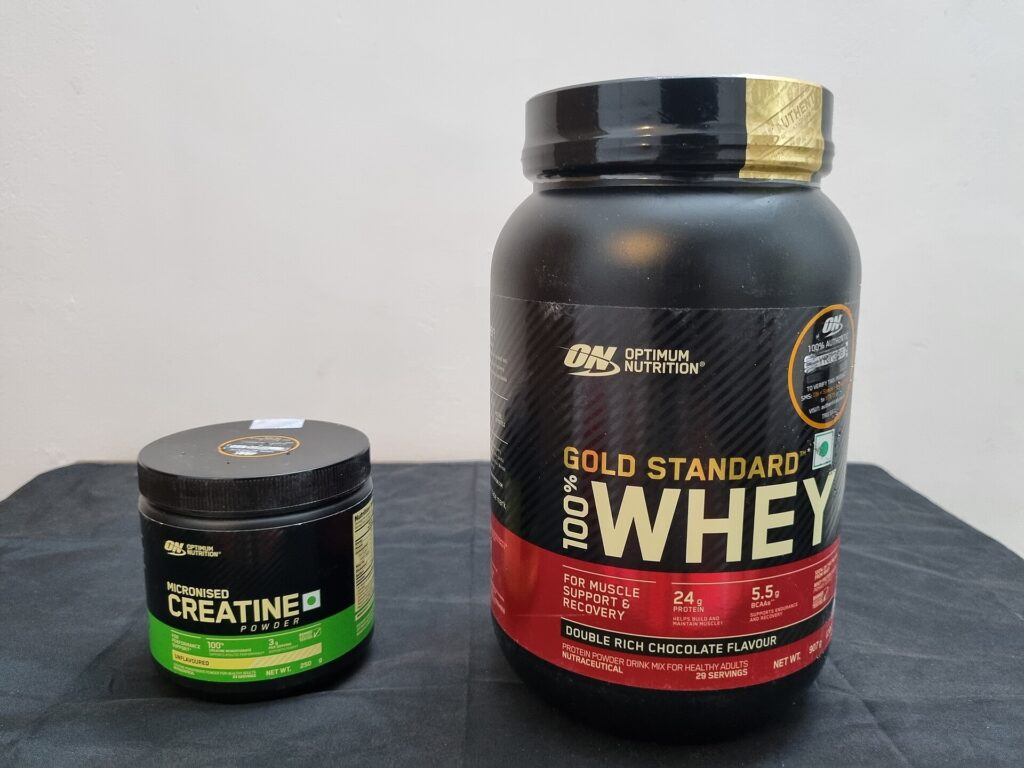
Creatine monohydrate powder in the UK runs from about 10p a serving at the budget end to maybe 30p for a Creapure-certified tub, the kind you find in most high-street supplement shops. A kilogram bag is roughly 200 servings and can cost under twenty quid. It’s one of the best-value things in the entire supplement aisle, which is part of why it’s been studied to death for thirty years without anyone finding a reason to charge more.
Gummies routinely land around a pound a serving, sometimes more. That’s three to ten times the price for a format that’s less stable, harder to verify, and comes loaded with sugar or sweeteners you didn’t ask for. You’re paying a premium for the privilege of a worse product. The convenience is real, but it’s not a-pound-a-day real, not when the alternative is stirring powder into your morning coffee or a glass of squash and getting on with your life.

Who’s actually buying all this creatine
The gummy boom didn’t come from teenage lads in the weights room. That market was already saturated years ago. The new money is women and older adults, and the growth is steep. Sales of creatine among women jumped by as much as 320% in early 2025 compared with the year before, and women now make up close to a third of all creatine buyers. For a supplement that spent two decades marketed almost entirely at blokes, that’s a genuine shift. We’ve looked separately at what creatine actually does for women – the evidence is stronger than the products serving it.
The interest is well founded. The research on creatine for women, especially around and after menopause, has moved fast. A two-year controlled study of 237 postmenopausal women found improvements in bone geometry when creatine was paired with resistance training. More recent trials looking at perimenopausal and postmenopausal women have reported gains in lower-body strength, better sleep quality, and improvements in cognitive test scores over a few months of daily use alongside training. We’ve written before about why strength coaches now put creatine near the top of the list for women, and the evidence base has only firmed up since.
But here’s the catch, and it’s why the gummy scandal matters more than it would have five years ago. The people newest to creatine are exactly the ones most likely to reach for a gummy, because the powder feels like gym-bro territory and the sweet feels approachable. So the group with the most to gain is being funnelled towards the format most likely to be a dud. That’s the bit that annoys me.
How gummies got so popular in the first place
None of this happened by accident. It’s a marketing story before it’s a supplement one.
Creatine spent years with an image problem. It was the stuff bodybuilders piled into pint glasses, wrapped up with vague fears about bloating and kidneys and “is it basically a steroid” nonsense that never went away no matter how many studies said otherwise. Then two things shifted. The science on cognition, bone density and healthy ageing started reaching people who’d never set foot in a hardcore gym, and social media did what it does with any wellness product. Short videos of women in their fifties talking about sharper focus and easier training got millions of views. The demand arrived faster than the newcomers’ comfort with powder did.
A gummy closes that gap. It looks like a vitamin, not a pre-workout. It tastes of raspberry. It sits next to the multivitamins in the bathroom cabinet and doesn’t announce that you’ve joined some intense fitness subculture. For a first-time buyer who’s slightly nervous about the whole thing, that lower barrier is the entire appeal, and brands know it. The trouble is that the format chosen precisely because it’s unintimidating is also the one most likely to short-change you, and the buyer least equipped to spot a dud is the one being sold it. The wellness aisle has a habit of doing this – see the way a decades-old walking study got repackaged as a brand-new trend this year.
UK supplement regulation doesn’t help much either. These products are sold as foods, not medicines, so nobody is routinely checking that the creatine on the label is the creatine in the tub before it hits the shelf. Enforcement is complaint-driven and stretched thin. In practice the testing that exposed the failures came from private labs and industry groups, not a regulator. That means the burden of working out whether your gummy is real falls on you, which is a poor deal when you’ve already handed over a pound a day.
The one case where I’d leave the gummies alone
I’ll break my own argument for a second, because a blanket “never buy gummies” is lazy.
If you have tried powder and genuinely won’t take it, a verified gummy beats no creatine at all. Adherence is the whole game with this stuff. Creatine only works if you take it most days for weeks on end while your muscles saturate, and a supplement sitting unopened in a drawer does nothing for anyone. I know two people who bounced off powder three times and only got consistent once they switched to a tablet or a gummy they’d actually take. For them, paying more for something they’ll stick with is a reasonable trade.
The condition is that word: verified. If you’re going down the gummy route, buy from a brand that publishes a recent, batch-specific certificate of analysis from a named lab, not a vague “third-party tested” badge on the label. If they won’t show you the numbers, assume the worst, because the testing suggests you’d often be right. Tablets are worth a look too. They dodge some of the moisture problem that plagues gummies and tend to be cheaper.
How to buy creatine that actually does something
Strip away the marketing and this is one of the simpler decisions in the supplement aisle. Creatine monohydrate is the form with the mountain of evidence behind it. Ignore the fancier-sounding versions – creatine HCL, ethyl ester, “buffered” blends – which charge more and haven’t shown they beat plain monohydrate at anything that matters. If a tub says Creapure on it, that’s a German-made monohydrate with a solid purity record, and it’s worth the small premium over generic.
Dose is 3 to 5 grams a day, every day, including rest days. You don’t need to bother with a loading phase unless you’re impatient; skipping it just means you reach full saturation in three or four weeks instead of one. Take it whenever suits you, with or without food. The timing obsession is another thing the supplement industry invented to sell you a specific product.
Mix the powder into something with a bit of flavour rather than plain water and the grittiness stops being an issue. Coffee’s fine, despite the myth that heat destroys it – a hot drink you finish in ten minutes isn’t going to undo anything. If powder truly isn’t for you, a verified tablet or gummy is the fallback, at a price you go into with your eyes open.
And if you’re new to all of this and wondering what else is worth your money, we’ve taken the same sceptical look at electrolyte powders, fibre supplements and the cortisol detox trend. The pattern repeats more often than the wellness aisle would like you to notice.
Can’t you just get it from food?
You can, a bit, and it’s a fair question that the supplement industry would rather you didn’t ask. Creatine occurs naturally in red meat and fish. A steak has roughly a couple of grams per pound of raw weight, herring a little more, salmon somewhat less.
The snag is the quantity. To hit a supplement-level daily dose from food alone you’d be eating a pound or more of meat or oily fish every single day, and cooking degrades some of the creatine before it reaches your plate. That’s a lot of money, a lot of saturated fat depending on the cut, and frankly a lot of chewing. For most people a spoon of powder is cheaper and easier than restructuring their entire diet around herring.
It does explain one thing worth knowing: vegetarians and vegans tend to have lower baseline creatine stores because they’re getting almost none from food, and studies suggest they often see a bigger response when they start supplementing. If you don’t eat meat or fish, creatine is one of the few supplements with a decent case for being genuinely useful rather than just topping up something you already had plenty of.
Is creatine itself safe?
Worth addressing, because the gummy mess can make the whole category sound dodgy. Creatine monohydrate is one of the most studied sports supplements there is, with a long safety record in healthy adults at normal doses. The old worry about kidney damage came from confusing creatine with creatinine on blood tests, and hasn’t held up in people with healthy kidneys. If you’ve got existing kidney trouble, check with your GP first, as you would with any supplement. Some people notice a little water retention in the first week or a slightly upset stomach if they take a big dose on an empty stomach, both of which usually settle.
The safety question was never really the problem. The problem is whether the thing you bought contains any creatine to be safe about, and with gummies that’s a coin toss unless the brand proves otherwise.
So the trend itself is fine. Better than fine, for a lot of people. It’s the packaging of it – the sweet, the premium price, the invisible failure – that deserves the scepticism. If you’ve switched to a creatine gummy recently, would you actually know whether it’s working, or are you taking it on faith and a nice fruit flavour?
Creatine isn’t the only aisle where the label and the lab disagree. We ran the same sceptical exercise on fibre supplements – one cheap powder earned its place, and the gummies failed there too.
Sources: independent lab testing via SuppCo’s creatine gummy analysis; sales trend data reported by MedicalXpress on women and older adults driving creatine sales; menopause research summarised in the Journal of the International Society of Sports Nutrition.