
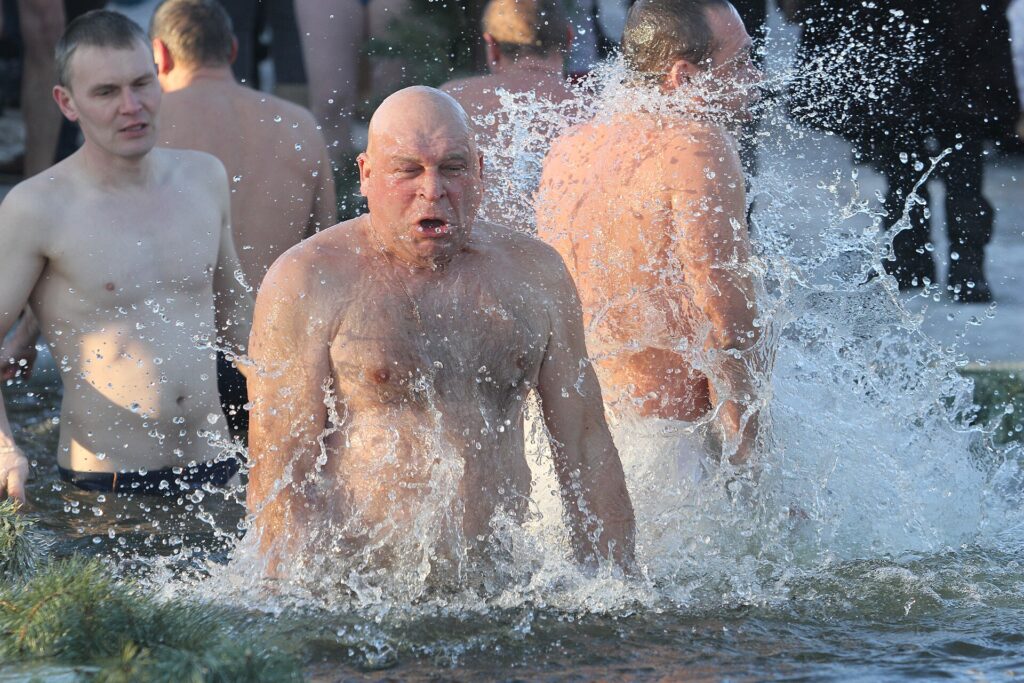
Ice Bath Benefits in 2026: Who Actually Gains From the Cold – and Who’s Paying £5,000 to Shiver
The awkward thing about Britain’s ice bath obsession is that the claim doing all the selling – cold water speeds up muscle recovery – is the one with the weakest science behind it. The ice bath benefits that actually hold up are quieter: a modest edge on next-day soreness, a reliable mood jolt that lasts the morning, and possibly fewer sick days, though not for the reason you’d think. And the strongest evidence of all concerns what happens when you get the cold wrong. For the sea rather than the tub, our piece on cold water swimming benefits goes through the (surprisingly small) mood evidence and who should stay on the beach.
In This Article
- How Britain talked itself into the wheelie bin
- The ice bath benefits that survive contact with the evidence
- The muscle claim is backwards
- Sick days, cold showers and a Dutch study everyone misquotes
- Does the sauna-plunge combo change the maths?
- Cold shock: the bit the reels don't show
- Who actually gains – and what to buy if you must
None of that has slowed anything down. This summer the plunge has gone fully mainstream. Run clubs finish at the lido. Boutique gyms have swapped a treatment room for a row of chiller tubs at £15 a session. Garden centres that were selling pizza ovens two years ago now stock insulated plunge barrels, and market analysts expect European cold plunge tub sales to keep growing at nearly 8% a year into the 2030s. At the other end of the market, Ideal Home spent June rounding up ice baths that start at £15 – which tells you most of what you need to know about how wide this trend now runs.
So it’s worth asking the question the reels never do. Who actually gains from this? And who’s paying £5,000 to shiver in the garden?
How Britain talked itself into the wheelie bin
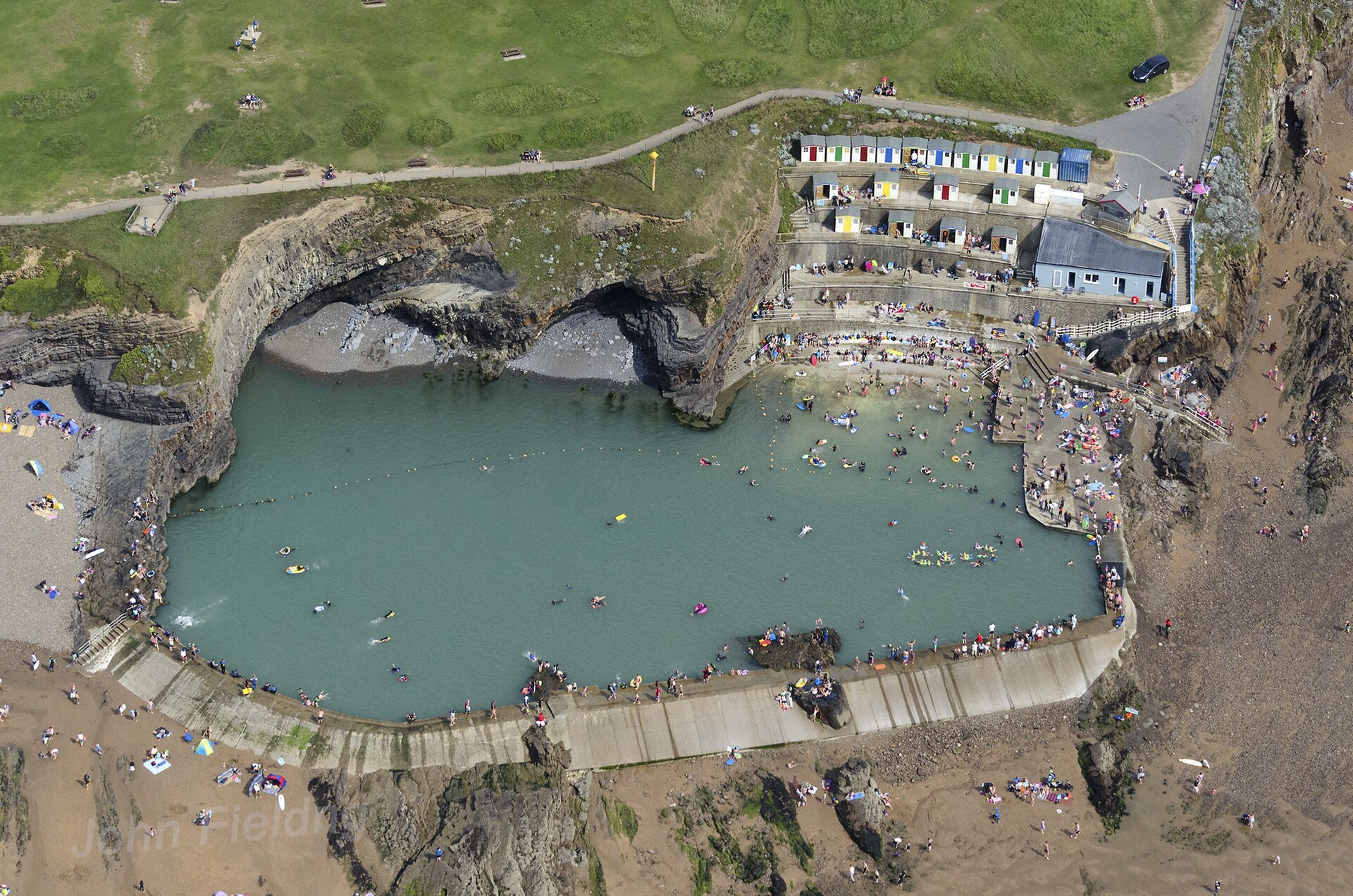
The pipeline is easy to trace. Wim Hof made cold tolerable as an idea a decade ago. Elite sport made it look professional – Premier League clubs have been dunking players since the 2000s, and recovery culture trickles down faster than tactics ever do. Then lockdown sent thousands of people into the sea for want of anything else to do, and a lot of them never came back in. The dry robe went from niche kit to high street uniform in about three years.
Social media did the rest. A plunge films brilliantly: the gasp, the timer, the steam off the shoulders. It’s visible effort in a ten-second clip, which is more than you can say for interval walking or getting eight hours of sleep. By this spring the format had hardened into a genre – the 5am plunge, the shivering piece to camera, the affiliate code for the barrel in the description.
And the cold sits naturally beside the heat. The same companies putting wood-fired saunas on British beaches usually park a plunge barrel next to the door, because contrast bathing sells twice the tickets. The result is a market that runs from a £15 bin filled with a bag of supermarket ice to a £5,000 self-chilling, self-filtering tub with an app. The water is the same temperature in both. Whether the hot half earns its reputation is a separate question – the 20-year Finnish study behind Britain’s sauna boom says yes, with caveats.
Gyms have noticed the margin. A plunge add-on runs £25 to £40 a month at the premium tiers of the big chains, and standalone recovery studios in London will charge you more for forty-five minutes of hot-and-cold than a physio charges to look at your shoulder. None of this is a scandal – saunas have always been a membership upsell – but it explains why every fitness business in Britain suddenly discovered the healing power of cold water at the exact moment margins on gym floors got thin.
The ice bath benefits that survive contact with the evidence
Start with soreness, because that’s the honest version of the recovery claim. Cold water immersion does seem to take the edge off delayed-onset muscle soreness – the ache that arrives a day or two after a hard session. Reviews of the trial evidence have found a real but modest effect, and the mechanism is plausible enough: cold narrows blood vessels, limits swelling, and numbs things in the way anyone who’s held a frozen bag of peas to an ankle already understands.
Two caveats sit on top of that. The effect is small – useful if you’ve got another match on Thursday, not life-changing for someone training twice a week. And you can’t blind an ice bath trial. Everyone knows whether they were in the cold tub, and people who’ve paid for an unpleasant experience are reliably keen to report it worked.
The mood effect is less studied but harder to dismiss. Cold immersion triggers a large release of noradrenaline and dopamine, which is why the first minute is horrible and the following hour feels excellent. A 2025 meta-analysis in PLOS One pooling the available trials found the picture messier than the marketing: inflammation actually rose in the hours immediately after immersion, stress scores only dropped at around the 12-hour mark, and the clearest quality-of-life and sleep signals came from studies of cold showers rather than tubs. Small trials, short follow-ups, promising but thin.
As for the metabolism claim – that cold activates brown fat and burns meaningful calories – the phenomenon is real and the numbers are trivial. Nobody has ever plunged their way to a smaller waist. If weight is the goal, the cold tub is a distraction.
The muscle claim is backwards
Here’s the part the recovery industry would rather skip. If you lift weights to get stronger or bigger, plunging straight after training doesn’t help your gains. It shrinks them.
The key study is a 2015 trial in The Journal of Physiology, in which men followed twelve weeks of strength training with either cold water immersion or a gentle spin on a bike after each session. The cold group gained less muscle and less strength. The inflammation an ice bath suppresses turns out to be part of the signal that tells muscle to adapt – blunt one and you blunt the other. A 2024 meta-analysis reached the same conclusion on muscle growth, which is about as close to settled as exercise science gets.
The post-gym plunge is, on current evidence, the most misapplied ritual in British fitness. Thousands of people are paying to make their training slightly less effective, in the name of recovery.
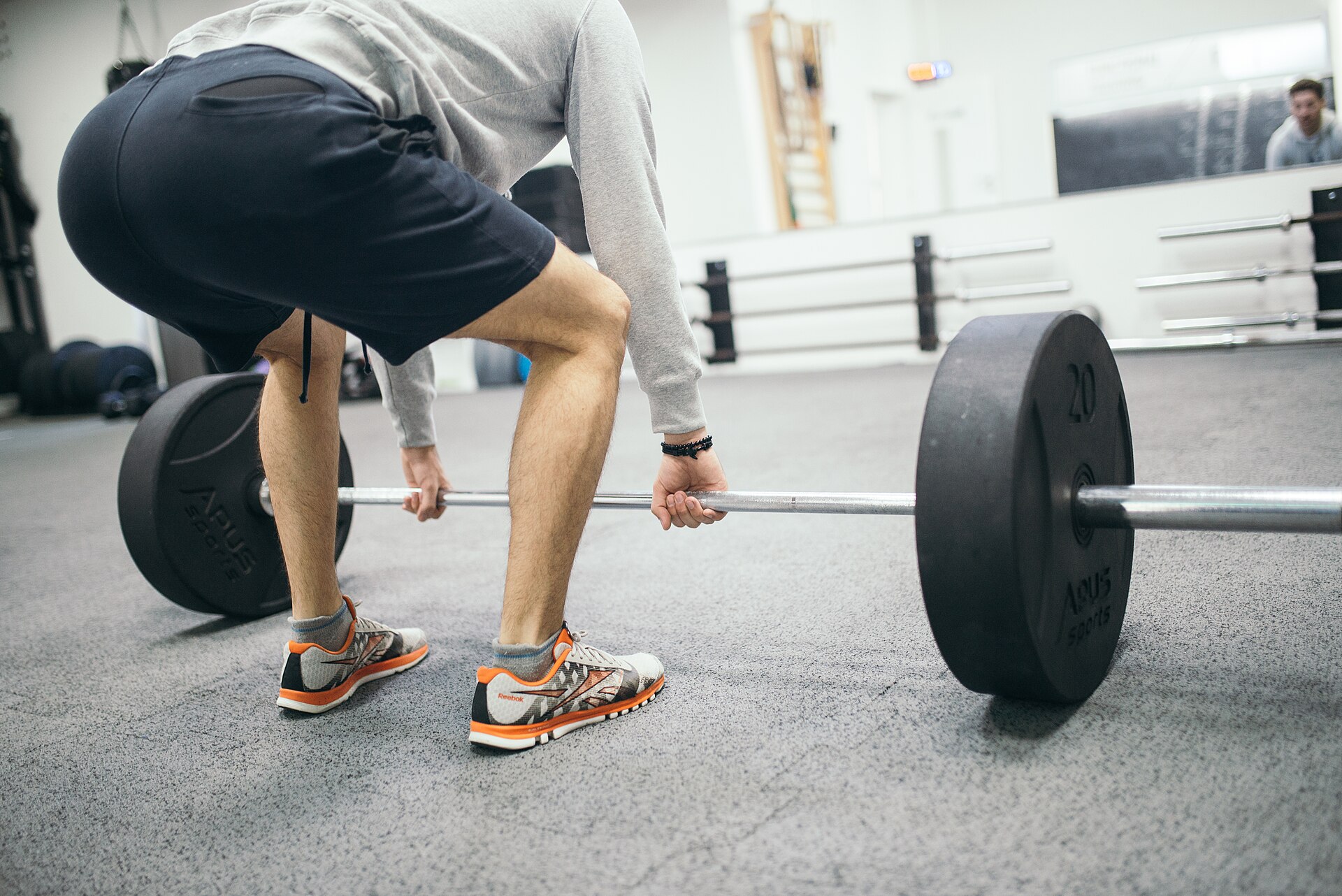
Context matters, though. A footballer with fixtures on Saturday and Wednesday isn’t chasing adaptation that week – they’re chasing readiness, and trading a little long-term gain for feeling fresher tomorrow is a rational swap. That’s who elite recovery protocols were built for. If you’re training for a stronger deadlift, you’re not that person. Plunge on rest days if you enjoy it, or leave a good few hours between the bar and the barrel.
Sick days, cold showers and a Dutch study everyone misquotes
The immunity claim usually arrives with a statistic attached: cold exposure cuts sick days by 29%. That number is real, and it comes from a 2016 Dutch trial published in PLOS One that randomised over 3,000 adults to finish their morning shower with 30 to 90 seconds of cold, or shower as normal.
But read past the headline and it says something stranger. The cold shower group reported 29% fewer days off work – yet they were ill just as often, and their illnesses lasted just as long. They didn’t get sick less. They went to work sick more. Whether that’s a benefit depends on whether you’re the employee or the boss.
The trial had other quirks the reels leave out. Adherence collapsed once the mandatory month ended – most people quietly went back to warm showers, which tells you something about how pleasant the intervention was. And because participants volunteered for a cold shower study, they were people already inclined to believe in it. Neither point kills the finding. Both should shrink your confidence in that tidy 29%.
Notice, too, what the trial used: a shower. Thirty seconds of cold at the end of a normal wash, free, no garden required. Every claimed benefit of the £5,000 tub that rests on this study was demonstrated with plumbing you already own. It’s the same pattern we found with electrolyte powders – the effect is real, the expensive delivery mechanism is optional.
Does the sauna-plunge combo change the maths?
Contrast bathing – hot box, cold barrel, repeat – is where the two big wellness trends of the decade meet, and every beach sauna operator in Britain now sells it as a package. The honest answer on the evidence is that the heat is doing more of the work than the cold.
Sauna has the better long-term data by some distance: the big Finnish cohort studies link regular use to lower cardiovascular risk in a way nothing in the cold immersion literature can match. What the cold adds to a sauna session is mostly experiential – the reset, the gasp, the reason everyone’s grinning on the shingle afterwards. There’s a plausible circulation story about alternating vasodilation and constriction, but plausible mechanisms are cheap in wellness; outcomes are what count, and the outcome data for the combination barely exists.
That’s not an argument against doing it. A sauna-and-dip morning on a British beach is one of the better things you can do with £20 in 2026. It’s an argument about billing: the sauna is the treatment, the plunge is the pudding.
Cold shock: the bit the reels don’t show
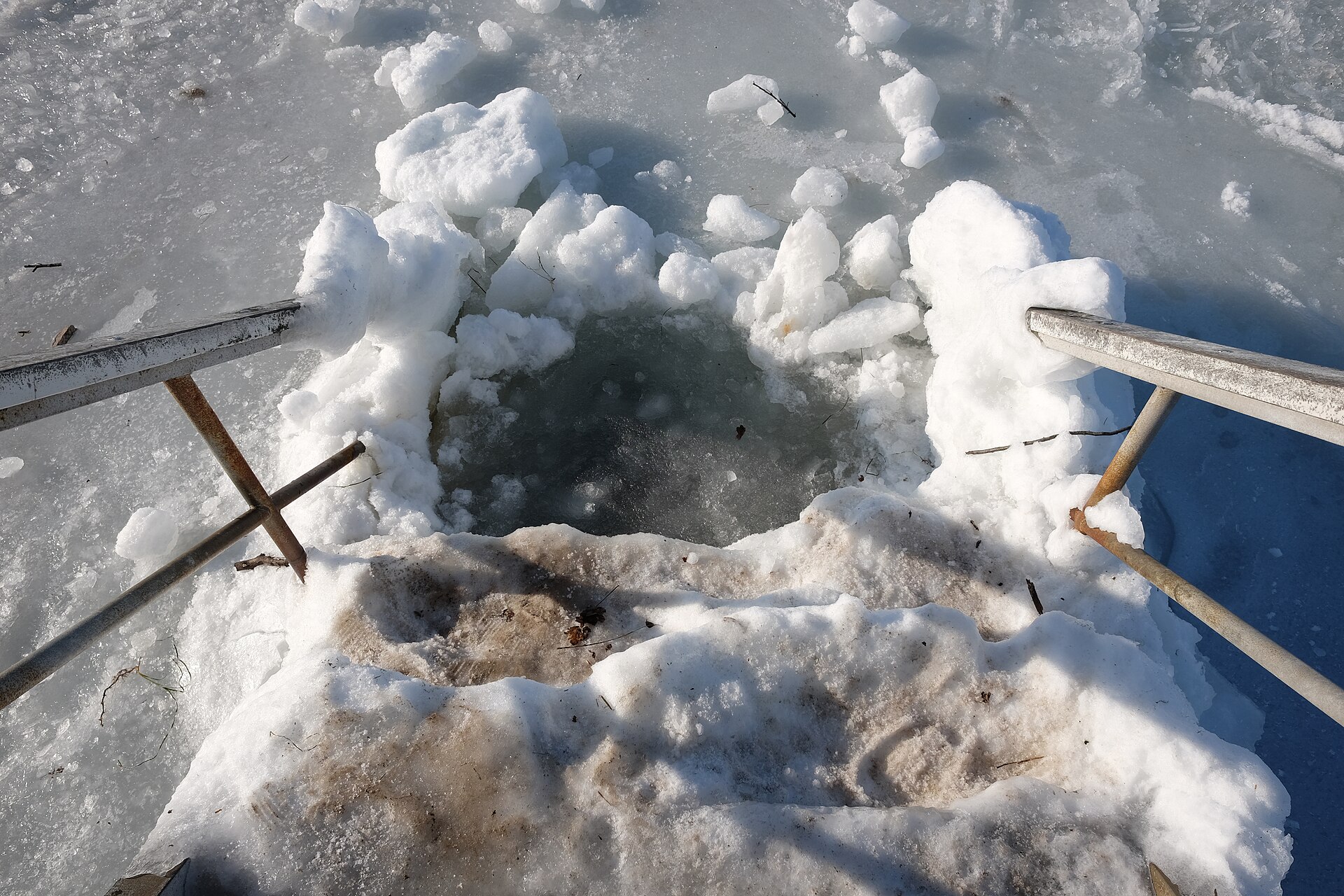
Anything in water below about 15C can trigger cold water shock, and the RNLI’s guidance on it is blunt: an involuntary gasp, rapid uncontrolled breathing, and a sharp spike in heart rate and blood pressure, all in the first seconds. In open water that gasp is how people drown. In a garden tub it’s still a real load on the heart, which is why the people most drawn to cold plunging as a health project – middle-aged, a bit of blood pressure, keen to turn things around – are exactly the people who should see a GP before getting in. Anyone with a heart condition, uncontrolled hypertension or Raynaud’s should treat the whole trend as a spectator sport. Pregnant women too.
For everyone else, the sensible rules are dull. Never plunge alone. Get in slowly, breathe out as you do, and stay short – two to four minutes at 10-15C does everything the research suggests cold can do. Colder isn’t better; it’s a bigger shock for the same benefit. Afterwards, warm up gradually with layers and movement rather than a hot shower, because your temperature keeps falling for a while once you’re out – the dry robe crowd are right about that bit.
Two things to skip entirely. Solo river and sea dips outside supervised spots – if you want open water, Britain’s lidos have lifeguards and a shallow end. And the DIY chest freezer conversion, which combines mains electricity, a couple of hundred litres of water and a lid, and shows up in plunge forums with alarming regularity. A wheelie bin has no compressor. Use the bin.
Who actually gains – and what to buy if you must
The sea-dip crowd come out of this best, and not for the physiological reasons. The strongest thing the 7am swim group has going for it is the 7am swim group: cold, daylight, exercise and company, stacked into twenty minutes before work. The trials on mood are small, but this is one case where the lived experience is so consistent, and the cost so low, that waiting for better studies feels like a category error.
In-season athletes with genuine fixture congestion get a real, modest soreness benefit. They’re the group the protocol was designed for, and it works about as advertised.
Lifters chasing muscle should stay out of the water after training – the evidence here isn’t mixed, it’s against. People buying the immunity story should try a month of cold shower finishes before spending anything. And anyone hoping the cold will sort out their weight, their energy or their sleep would do better spending the money on the boring stuff – we’ve written before about what actually helps you sleep through a British heatwave, and none of it involves a chiller unit.
If you do want a tub, the honest buying advice is that the physiology costs £15 and the convenience costs £5,000. The expensive ones chill, filter and hold temperature so you’re not buying bags of ice every session – a real saving of faff, and nothing more. Cold water doesn’t know what it cost.
Cold water is one wellness trend you can test for free. For the pricier, data-driven end of the market, see our look at continuous glucose monitors and whether non-diabetics get anything from them.
So here’s the question for the plungers: what’s it doing for you that the studies can’t measure? And for those who bought the £5,000 tub in January – is it still switched on?