Hand Luggage Rules 2026: What Ryanair, easyJet and Jet2 Actually Allow – And the £48 Mistake at the Gate
Since last autumn, the ground staff at a Ryanair gate have earned €2.50 for every oversized bag they catch. There’s no monthly cap. That one fact explains most of what’s happening at British departure gates this summer – the metal sizers, the queue-side inspections, the £48 charges landing on people who’d swear blind their bag fitted last year.
In This Article
- Hand luggage rules 2026: what each airline actually gives you
- What the sizer actually costs you
- Skip the "airline approved" bag aisle
- Brussels has voted your cabin bag free – don't celebrate yet
- TUI shows the direction of travel
- Flying on the free bag only
- The 100ml rule now depends on which airport you fly from
- Gate-queue questions, answered quickly
And it probably did. The hand luggage rules 2026 has produced are properly different from last summer’s – some allowances grew, one airline quietly started charging for bags it used to wave through, and Brussels has just voted to make free cabin bags a legal right across the EU. If you’re flying out during the six-week holidays, ten minutes reading this now is cheaper than an argument at gate 47.
Hand luggage rules 2026: what each airline actually gives you
Start with the one everyone argues about. Ryanair’s free personal bag is now 40 x 30 x 20cm – it grew by a fifth after Europe’s airlines agreed a common minimum size, and it’s a usable allowance at last – roughly 24 litres if you use a squashy bag. It has to fit under the seat in front. If you want a proper 10kg trolley bag (55 x 40 x 20cm) in the overhead locker, that’s a paid extra – Priority, from about £6 each way if you add it when you book, considerably more in school holidays.
easyJet gives you more for nothing: 45 x 36 x 20cm, wheels and handles included, and no formal weight limit beyond being able to lift the thing yourself. That’s the most generous free under-seat allowance of any UK budget carrier. The bigger 56 x 45 x 25cm overhead bag is a paid add-on, priced by route and date.
Jet2 remains the outlier, and credit where it’s due. Every passenger still gets a free 10kg cabin bag at 56 x 45 x 25cm in the overhead locker, plus a small under-seat item. No other UK budget airline comes close on the free allowance, and it’s a real reason to pick them when fares are level.
Wizz Air mirrors Ryanair: a free 40 x 30 x 20cm under-seat bag, with the 55 x 40 x 23cm trolley reserved for Priority customers – typically £5 to £35 depending on route and season.
British Airways looks expensive until you count the luggage. Even the cheapest Euro Traveller fare includes a full 56 x 45 x 25cm cabin bag at up to 23kg, plus a 40 x 30 x 15cm handbag or laptop bag. On a family booking where everyone would otherwise pay for cabin bags, BA’s headline fare can quietly beat the “cheap” carriers. Do that sum before you book, not after.
TUI Airways still includes a 10kg cabin bag at 55 x 40 x 20cm plus a small personal item – though there’s movement here, which we’ll come to.
And because nobody should have to scroll back through six paragraphs at the departure gate, here’s the whole market in one table. Every measurement includes wheels, handles and anything strapped to the outside.
| Airline | Free cabin bag | Bigger bag in the locker | Weight limit | Caught at the gate |
|---|---|---|---|---|
| Ryanair | 40 x 30 x 20cm, under the seat | 55 x 40 x 20cm, 10kg – Priority, from about £6 at booking | 10kg, spot-checked | £35-£70 |
| easyJet | 45 x 36 x 20cm, under the seat | 56 x 45 x 25cm, priced by route and date | “Can you lift it” | £48 |
| Jet2 | 56 x 45 x 25cm, 10kg in the locker, plus an under-seat item | Included free | 10kg, spot-checked | Hold rate, typically £45 |
| Wizz Air | 40 x 30 x 20cm, under the seat | 55 x 40 x 23cm – Priority, £5-£35 | 10kg | Varies by route |
| British Airways | 56 x 45 x 25cm up to 23kg, plus a 40 x 30 x 15cm second bag | Included free | 23kg | Rarely an issue |
| TUI Airways | 55 x 40 x 20cm, 10kg, plus a personal item | Included free | 10kg | Up to £70 (continental sister airline’s published rate) |
What the sizer actually costs you
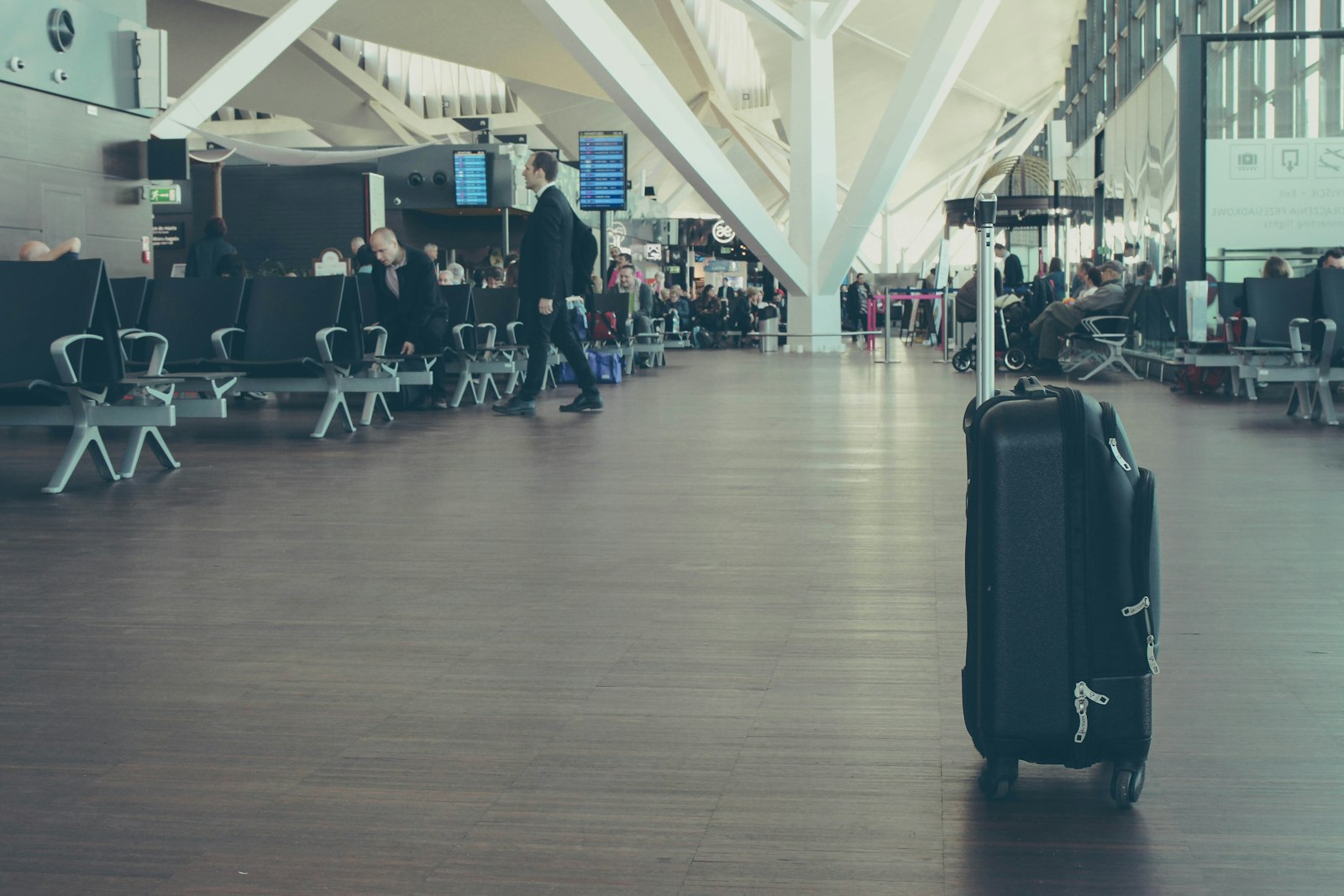
The fees have teeth now. easyJet charges £48 at the gate if your bag doesn’t go into the sizer. Ryanair’s gate charge runs from about £35 to £70 depending on route. Jet2 puts non-compliant bags in the hold at the airport rate, typically £45. TUI’s continental sister airline lists gate charges up to £70.
Enforcement is stricter than it was, and it’s not your imagination. That per-bag commission for ground staff – raised from €1.50 to €2.50 in late 2025, uncapped – means the person at the gate has a direct financial reason to look twice at your rucksack. The new metal sizers measure wheels and handles too, which is what catches out the older “cabin approved” cases built to a softer interpretation of the rules.
The part that annoys me: almost nobody paying £48 at the gate needed to. The same overhead bag bought online at booking costs a fraction of that. If there’s any doubt your bag fits the free allowance, pay for the bigger one in advance. Gate pricing is a penalty dressed as a fee, and airlines are open about the fact they’d rather you didn’t force the issue at boarding.
Do the family arithmetic too, because it’s brutal. Four marginal bags at easyJet’s gate rate is £192 – on a booking that might have cost £400 in flights. I watched a version of this play out at Bristol in June: a family of four, two borderline cases, a twenty-minute stand-off, and a card machine. The whole thing could have been avoided for less than £30 paid a month earlier.
Skip the “airline approved” bag aisle
A whole industry now sells “Ryanair approved” under-seat bags at £40 and up, and most of that is branding. A soft 40 x 30 x 20cm holdall does the same job for about £15 to £20 – the kind you find on Amazon or in Mountain Warehouse with a sale sticker on it. Soft matters more than clever. A squashy duffel or backpack gives to the sizer’s edges; a hardshell mini-case either fits or it doesn’t, and its shell eats two or three litres of your allowance before you’ve packed a sock.
One bag really can cover most of the market. A 40 x 30 x 20cm soft bag is exactly the free limit on Ryanair and Wizz, matches Jet2’s and TUI’s under-seat item, and sits comfortably inside easyJet’s more generous 45 x 36 x 20cm. Buy once, stop thinking about it.
But check the tag on anything sold as “cabin approved” before a trip you booked this year. Plenty of stock printed for the old dimensions is still on shelves, and the sizer doesn’t care what the label promised.
Brussels has voted your cabin bag free – don’t celebrate yet
On 7 July, the European Parliament voted 646 to 12 to overhaul air passenger rights, including a guaranteed right to bring a personal item (40 x 30 x 15cm) and a small cabin bag of up to 7kg on board without an extra fee. It ends more than a decade of argument between Brussels and a fiercely resistant airline lobby – the Parliament’s transport committee set out the framework last year, and Euronews reports the deal survived the final negotiation with member states largely intact.
Two cautions before you repack. The rules aren’t in force yet – there are formal steps still to run, and airlines will use every day of any transition period. And Britain isn’t in the EU, so the right won’t automatically cover every British holiday. In practice it should reach most of them anyway: EU rules of this kind apply to flights departing EU airports and to EU-licensed carriers, which covers your flight home from Spain on anything, and both legs on Ryanair or Wizz. A UK carrier flying you out of Manchester is another matter, unless Westminster mirrors the rules or the airline applies one policy across its network for simplicity – which, historically, most do.
Now the unpopular bit: this won’t make flying cheaper. Airlines price the whole aircraft to a revenue target, and a mandated free bag gets folded back into fares. The likely casualty is the truly cheap ticket – the £15 seat for the person with a coat and a paperback, subsidised by everyone else’s £25 bag fees. Free cabin bags for all probably means the bagless traveller pays for luggage they aren’t carrying. Good policy for families, quietly worse for the weekend minimalist.
TUI shows the direction of travel
TUI’s Belgian sister airline, TUI fly, moved first: for bookings made after 30 March 2026 and flights from 1 May, flight-only fares include just the small personal item, with the 10kg overhead bag now a paid add-on. Aviation24 notes package holiday customers and top-tier fares keep the old allowance.
TUI Airways in the UK hasn’t followed – yet. British package customers still board with the full cabin bag included, which is one more quiet argument for booking the package rather than assembling flights and hotel yourself. But when one arm of a group finds a new revenue line, the others tend to notice. If you’re booking TUI flight-only for 2027, read the luggage line before you pay.
It’s the same pattern the car hire desks perfected years ago: strip the headline price, sell the essentials back. The baggage version is at least avoidable if you read the fare table properly.
Flying on the free bag only
It’s doable, even for a week away, and several million people will manage it this August. Twenty-four litres holds five days of summer clothes if you’re honest with yourself about the third pair of shoes. A few things make the difference.
Packing cubes divide opinion in this office. I think they’re mostly a way of paying £20 to fold things smaller than you’ll ever fold them again on holiday – but rolling clothes instead of folding does buy real space in a soft bag, and it costs nothing.
Measure at home with the bag packed – dimensions include wheels, handles, external pockets, anything strapped to the outside – and a stuffed bag is a bigger bag. Kitchen scales won’t help with a duffel; a £10 hanging luggage scale will.
Wear the heavy stuff. A jacket with decent pockets is hand luggage the sizer can’t see. Nobody’s proud of boarding in July wearing a coat, but it’s a bit of a faff, not a fee.
If you’re travelling as a family, pool ruthlessly. Four free 40 x 30 x 20 bags is close to 100 litres between you, and the children’s allowances count in full even if their bag is mostly a tablet and fourteen soft toys. One paid overhead bag shared across a family usually beats two, and beats four every time. (And if the children’s tablets are on their last legs, our under-£150 round-up is where to look before paying full whack.) If you’re already juggling the sums for the school holidays, our guide to what £1,000 buys in the August peak covers the bigger picture.
And one safety point that catches people out. Power banks and spare batteries must travel in the cabin, never the hold – if you’re taking a power bank, it stays with you.
The 100ml rule now depends on which airport you fly from
The bag is only half the battle; security decides what goes inside it, and Britain is currently running two systems at once. Airports whose new CT scanners have passed government checks let you carry liquids in containers up to two litres – no clear plastic bag, no decanting shampoo into doll-sized bottles. Which? keeps a running list, and as of this summer Heathrow, Gatwick, Edinburgh and Birmingham are all in the two-litre camp. Manchester, Luton and Stansted are still on the old 100ml rule, with more due to switch as the year goes on.
The trap is the return leg. Your two-litre bottle of sun cream sails through Gatwick and then gets binned at Malaga, because most EU airports haven’t upgraded. Pack for the strictest airport on your itinerary, not the friendliest – which for most package holidays still means 100ml both ways.
One oddity worth knowing: the new scanners can’t see through the insulated double wall of a vacuum flask, so a full Chilly’s bottle gets pulled aside even at a two-litre airport. Empty it before security, fill it after. Cheaper than airside water either way.
Gate-queue questions, answered quickly
Does a laptop bag count as extra? On the budget carriers, no – it’s not a freebie on top, it’s your personal item, or it goes inside one. BA is the exception, where the small bag is included alongside the main one. The days of boarding with a rucksack, a laptop bag and a Boots meal deal balanced on top are over on Ryanair, and to be fair they’ve been over for a while.
Duty free is murkier than people assume. Some airlines treat airport shopping bags as part of your allowance, and a sealed bag of perfume and Toblerone can tip a compliant passenger into an argument. Jet2 is relaxed about it; Ryanair’s rules say your shopping needs to fit in your bag. Buy accordingly, or buy on the way home.
Travelling with small children? Pushchairs and car seats still go free on the major UK carriers, over and above the cabin allowance, and infants usually get their own small bag allowance even without a seat. The rules here are more generous than the gate-queue folklore suggests – check your airline’s family page rather than assuming the worst.
And weight, the quiet one. Size gets the headlines because sizers are visible, but Jet2 and Ryanair both put 10kg on their overhead bags and do spot-check it. easyJet’s “can you lift it” test is friendlier. A hanging scale at home settles it in thirty seconds; the check-in desk settles it for £45.
The odd part of all this is that 2026 is simultaneously the strictest and the most generous year hand luggage has had in a decade – bigger free bags and harder enforcement, gate commissions and a new legal right, all at once. If the EU rules land as voted, next summer’s version of this article may be shorter. Until then: would your bag pass the sizer today, wheels and all – or are you one busy gate agent away from a £48 lesson?
One rule that catches travellers out is battery size: see our explainer on the 100Wh power bank rule for flights and which models stay under it.