Tramlines Festival 2026: How a Sheffield Park Sold Out the Summer That Closed 20 Festivals
Every face-value ticket for Tramlines Festival 2026 has gone. Not the Friday. Not the Saturday, which went first. All of it – weekend passes, day tickets, the VIP tier with the flushing toilets, the lot – sold out before the gates of Hillsborough Park even open this Friday, 24 July. And in a summer when the Association of Independent Festivals counted its twentieth UK festival closure of the year back in June, a Sheffield park selling out three days at 40,000 a day is not a small story. It might be the story of festival Britain in 2026.
In This Article
- Twenty festivals fell this year. This one sold out early
- Who’s actually playing Tramlines Festival 2026
- The £60 day out that works like a city break
- The fallow-year dividend is real
- Born free in 2009, and it still shows
- What it’s actually like on the ground
- Selling 2027 before 2026 has even happened
- The blueprint everyone will now copy
The festival hasn’t even happened yet and the sign-up for 2027’s super early bird presale is already live on its website. Read that again. A festival asking you to queue for next year before this year’s first pint has been poured.
Something is going on in Sheffield that the rest of the industry would very much like to understand.
Twenty festivals fell this year. This one sold out early
The numbers around British festivals in 2026 make grim reading. Twenty independent events cancelled, postponed or closed by mid-June, on top of 43 lost in 2025 and 78 the year before that. The AIF puts the total number of UK festivals that have disappeared since 2019 at around 250. The reasons barely change from casualty to casualty: costs up, ticket sales soft, headliners priced beyond reach. We covered the mechanics of that squeeze in our piece on why UK music venues are closing, and the same maths is now working its way through the festival circuit.
The corporate end of the market tells the same story in a different accent – Reading and Leeds have stopped pretending the £325 weekend is about the music.
Against that backdrop, Tramlines did something almost rude. Friday sold out. Then Saturday. Then the final weekend tickets went, and the Sunday allocation with them, and by early summer the only way in was the official resale on Tixel – where day tickets currently start at £60 plus fees and weekend passes at £170. The festival’s own site now greets you with a klaxon emoji and the words “GO GO GO”, which tells you everything about which side of the supply-demand line it’s sitting on.
Be precise about what sold here, because it wasn’t a bargain-bin lineup dump. Tramlines shifted its full allocation on payment plans and staged tiers, the same tools every struggling festival uses. The difference is that Sheffield’s punters actually finished the checkout.
The AIF’s response to the wider carnage has been to ask the government for an extension of the reduced VAT scheme to 2027, ring-fenced support inside the £30m Creative Industries package, and a pilot tax relief for grassroots music. All sensible. None of it will arrive before the end of this summer, which means the sorting currently underway – the strong selling out, the weak folding – will finish its work first. The market is restructuring faster than the policy designed to soften it.
WOMAD’s Glasgow edition was one of last year’s casualties, cancelled over low ticket sales even as its Wiltshire parent thrived. Same brand, same booking philosophy, different city, opposite outcome. Geography and loyalty now matter more than programming. That’s new, and not everyone in the industry has clocked it yet.
Who’s actually playing Tramlines Festival 2026
Fatboy Slim closes Friday night on the Sarah Nulty Main Stage, Courteeners take Saturday, and Wolf Alice – fresh from the imperial phase that produced last year’s chart run – headline Sunday. Beneath them sit Kaiser Chiefs, Blossoms and Wet Leg, plus a comedy bill that’s quietly one of the strongest of any UK festival this summer: Dom Joly performing a Trigger Happy TV 25th anniversary show, Ross Noble, Reginald D Hunter and Emmanuel Sonubi, as The Star reported when the final additions landed.
NME called the bill one with “something for all at this northern bash”, which is polite code for what it actually is: a lineup built for a city rather than for the broadsheet end-of-year lists.
And one thing nobody at the festival will say out loud, so I will: on paper, this is the safest headline booking Tramlines has made in years. Fatboy Slim has played every field in Britain twice. Courteeners and Kaiser Chiefs are the beating heart of the northern nostalgia circuit. If you judged Tramlines the way you’d judge Primavera, you’d call it conservative and move on.
You’d also be missing the point entirely.
Look below the headline print and the bill gets more interesting. Wet Leg on a Sheffield Saturday is an inspired bit of scheduling – a band built for exactly the sort of crowd that’s had four pints of Thornbridge and wants to shout “Chaise Longue” at a stranger. Blossoms remain the most reliable festival band in Britain, which sounds like faint praise and isn’t. And the fourth and fifth stages carry the real discoveries: the local additions announced this month lean heavily on unsigned Sheffield acts, which is where anyone with a resale ticket should spend their afternoons. The headliners are the price of admission. The undercard is the reason to arrive before three.
The £60 day out that works like a city break
Tramlines is a metropolitan festival, and the economics of that are completely different from the tent-and-trench-foot model. There’s no camping. You arrive by tram – an actual Sheffield tram, to a festival called Tramlines, which remains one of British music’s better jokes – watch Wolf Alice, and sleep in your own bed. A day ticket at face value cost less than most arena seats. Kids’ weekend tickets were £20. Compare that with the £400-plus all-in cost of a camping weekender once you’ve added travel, food and the tent you’ll bin on Monday, and the value case isn’t close.
That model used to be the poor relation of festival culture. Real festivals had mud and motorway queues; city festivals were for people who didn’t fancy committing. In 2026 the logic has flipped. The cost-of-living years taught British audiences to buy close to home, buy late or buy cheap – and the metropolitan festival is the only format that accommodates all of it at once. My other half’s brother is taking his two kids on the Sunday for less than the price of one Glastonbury ticket, and he’ll be home in Crookes by eleven.
The festival has run payment plans for years, letting people split a weekend pass into monthly chunks. In a city where the average wage sits well below London’s, that’s not a marketing gimmick. It’s the reason the audience looks like Sheffield rather than like the crowd at every other festival this summer.
The fallow-year dividend is real
There’s a bigger tide lifting this boat, and it’s the empty field in Somerset. With Glastonbury taking its fallow year, roughly 200,000 of Britain’s most committed festivalgoers had money set aside and nowhere to spend it. We predicted in June that the fallow summer would redistribute demand across the mid-tier rather than park it – and Tramlines is the cleanest evidence yet. So is WOMAD’s sell-out launch day after its own cancelled year.
But the redistribution is brutally uneven. The fallow dividend is flowing to festivals with a settled identity and a loyal local base, and skipping the ones that were already wobbling. Twenty closures in the same summer as record sell-outs isn’t a contradiction. It’s a sorting. British audiences haven’t stopped going to festivals; they’ve stopped going to interchangeable ones.
That’s the uncomfortable lesson for the industry, and it’s also the case for the £1 ticket levy now trickling from arena shows into grassroots music: the pipeline that makes a festival feel local is the same one that makes it survive.
Born free in 2009, and it still shows
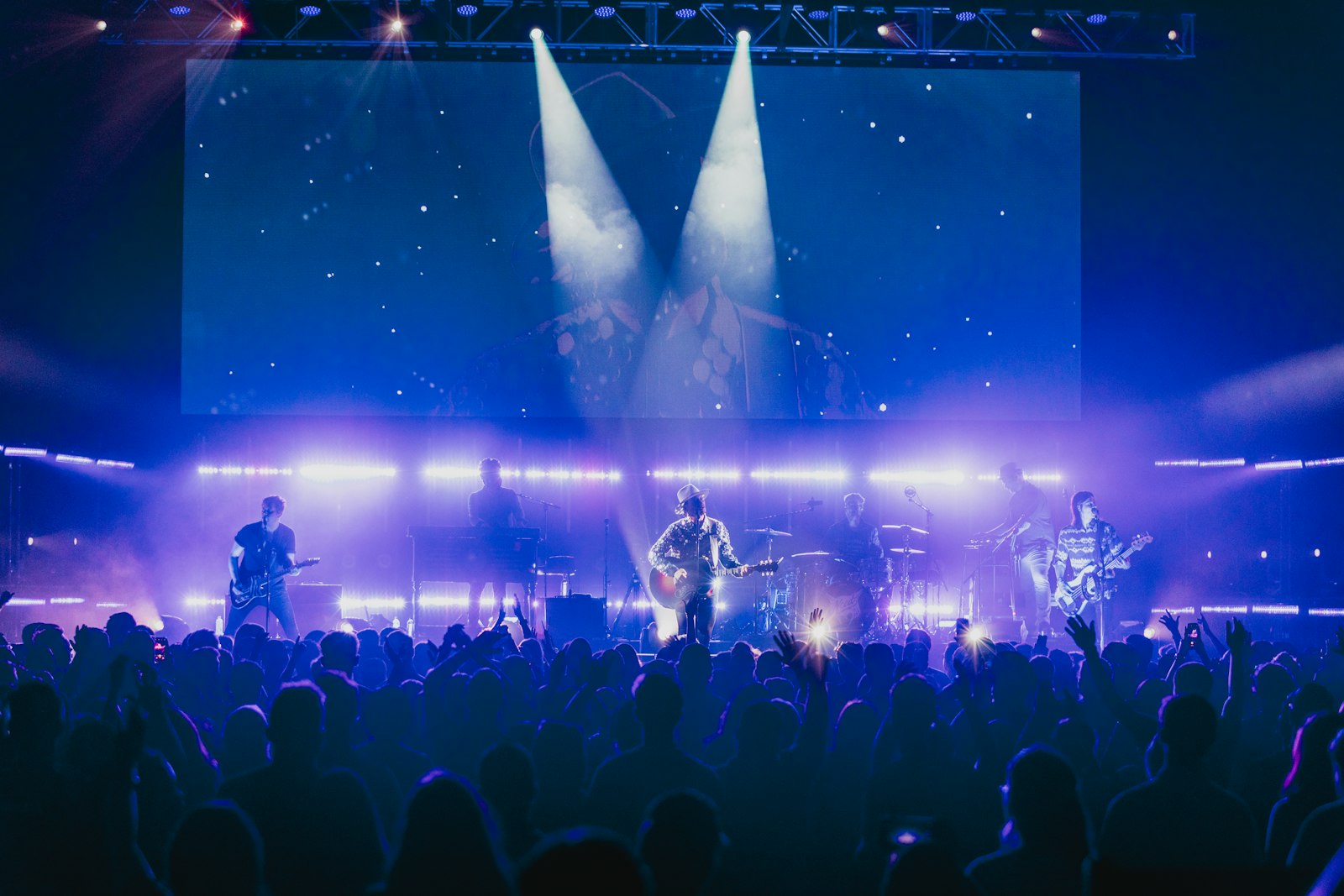
Tramlines started in 2009 as a free, city-wide takeover – bands in pubs, DJs on street corners, the Leadmill heaving. It only settled into Hillsborough Park later, and the free-festival DNA never fully washed out. The stage names alone tell the story. The main stage is named for Sarah Nulty, the festival director who died in 2018 and who steered it from council-backed freebie to 40,000-a-day operation. There’s a Leadmill Stage, honouring the venue that soundtracked half of Sheffield’s musical history. The T’Other Stage is called the T’Other Stage.
The Guardian once observed that Tramlines “is more than about the big acts and headliners”, praising how it puts “unsigned bands and new talent in the shop window” – and that’s still the truest description of it. The undercard leans hard on Sheffield acts, the comedy tent is programmed like a proper club night, and the whole thing funds a trust that pays for local music projects the rest of the year.
None of this happens in a vacuum, either. Sheffield’s musical CV runs from the Human League and Cabaret Voltaire through Pulp and Arctic Monkeys to the current crop filling the smaller stages this weekend, and the city treats that lineage as civic property in a way London never quite manages. When a festival grows out of that soil – rather than being helicoptered into a green space by a promoter with a spreadsheet – the audience relationship is different in kind, not just degree. People buy tickets the way they renew a season ticket at Bramall Lane or Hillsborough: partly for what’s on the pitch, mostly because it’s theirs. You can’t manufacture that in a marketing deck, and this year proved you can’t survive without it.
This is why the “conservative lineup” criticism bounces off. Nobody in Hillsborough is buying a ticket because of a booking coup. They’re buying it because it’s Sheffield’s weekend.
What it’s actually like on the ground
A word of practical honesty for anyone who’s grabbed a resale ticket. Hillsborough Park at full capacity is a squeeze, and Sunday – with Wolf Alice pulling the biggest crossover crowd of the weekend – will test the tram network’s patience and yours. Getting 40,000 people out of a residential suburb takes as long as you’d fear. Locals have mixed feelings about the whole circus, and you can see why: it’s a public park, and it spends a chunk of July behind steel fencing.
Go anyway. Get there early for the Sheffield acts on the smaller stages, because that’s where the festival actually lives. Take cash you’re prepared to lose to the street food. And take a charged battery pack – our festival power bank test found the £20 brick outperforms the charging tent queues, and at a phone-out, film-everything festival like this one you’ll need it by 6pm.
The weather forecast for South Yorkshire this weekend is classic British festival roulette. Nobody cares. It’s a party in a park at the end of a tram line.
Selling 2027 before 2026 has even happened
The strangest detail in all of this is the presale. Tramlines opened sign-ups for its 2027 super early bird tickets while the 2026 event was still weeks away. That inversion – selling next summer before this one has delivered a single note of music – has quietly become the defining sales mechanic of the surviving British festival, and it deserves more scrutiny than it gets.
From the festival’s side it’s obvious good sense. Early bird revenue is cheap working capital in an industry where headline fees and infrastructure costs have to be committed a year out. A festival that banks a chunk of 2027’s income in August 2026 doesn’t need a bridging loan, doesn’t sweat a wet forecast quite so hard, and can book acts before rivals with slower cash flow get their offers in.
From the punter’s side it’s a stranger bargain. You’re buying a ticket to an event with no lineup, no confirmed prices for the tiers above yours, and – in the strict sense – no guarantee of anything beyond a date and a park. What you’re really buying is trust. And that’s exactly why the mechanic works for Tramlines and fails for weaker festivals: trust is the one asset the twenty casualties of 2026 had run out of. Several of them were selling early birds right up until the cancellation email.
Buy the early bird for a festival you know. Be much warier of it as a discount on one you don’t.
There’s a resale wrinkle worth flagging too. Tramlines routes its resale through Tixel rather than letting the secondary giants feast, which caps the worst of the touting – but “from £170” for a weekend pass is still a mark-up on what most ticketholders paid, and the listings for Sunday day tickets were creeping upward all week. If the fallow-year demand holds into 2027, expect face-value prices to follow. Sell-outs are wonderful for festivals and quietly expensive for the people who love them.

The blueprint everyone will now copy
Here’s my prediction, and I’ll happily be held to it. Within two summers, at least one major UK promoter will launch a new metropolitan festival explicitly modelled on Tramlines – park site, tram-or-bus access, £20 kids’ tickets, payment plans, heavy local booking – and it will be pitched as an innovation. It won’t be one. Sheffield’s been running the model since 2009, and 2026 is simply the year the rest of the market noticed, because it was the year the alternative models started falling over in public.
The harder question is whether the model scales. Tramlines works because Sheffield is a proper music city with a century of infrastructure and an audience that turns up for its own. Bolt the same format onto a city without that base and you get a branded park party with a beer sponsor – which, come to think of it, describes several of this year’s twenty casualties.
And if a city park isn’t your scene, the capital’s biggest free party returns over the August bank holiday – here’s what Notting Hill Carnival 2026 has planned, sound systems and all.
Tramlines sells on the day at a fraction of Worthy Farm prices. If you fancy the other end of the scale, our Glastonbury 2027 tickets guide covers registration, the resale windows and why the sale is over in about 35 minutes.
So watch what happens in Hillsborough Park this weekend, because the industry certainly will be watching. And if you were one of the people who set a fallow-year budget aside in January and spent it on a Sheffield day ticket instead – was it the obvious choice all along, or did the fallow summer just make you look closer to home?