
Sunken Living Rooms Are Back in 2026 – and Most British Homes Should Resist the Urge to Dig One
The conversation pit died around 1981, somewhere between the second oil shock and the moment everyone decided they were tired of stubbing their toes on the way to the sofa. It is, against all odds, back.
In This Article
A sunken living room – the step-down seating well your nan would have called a conversation pit – is one of the louder interiors talking points of 2026. Pinterest is full of them, designers are quoting them in pitches, and a handful of new-build show homes have started dropping the seating area below floor level to make a single open room feel like it has a heart. The look is undeniably good. Whether you should carve one into a British semi is a different question, and the honest answer for most people is no.
Let me explain why the trend has come round again, what it actually takes to build one, and the cheaper move that gets you most of the feeling without a structural engineer on speed dial.
What a sunken living room actually is
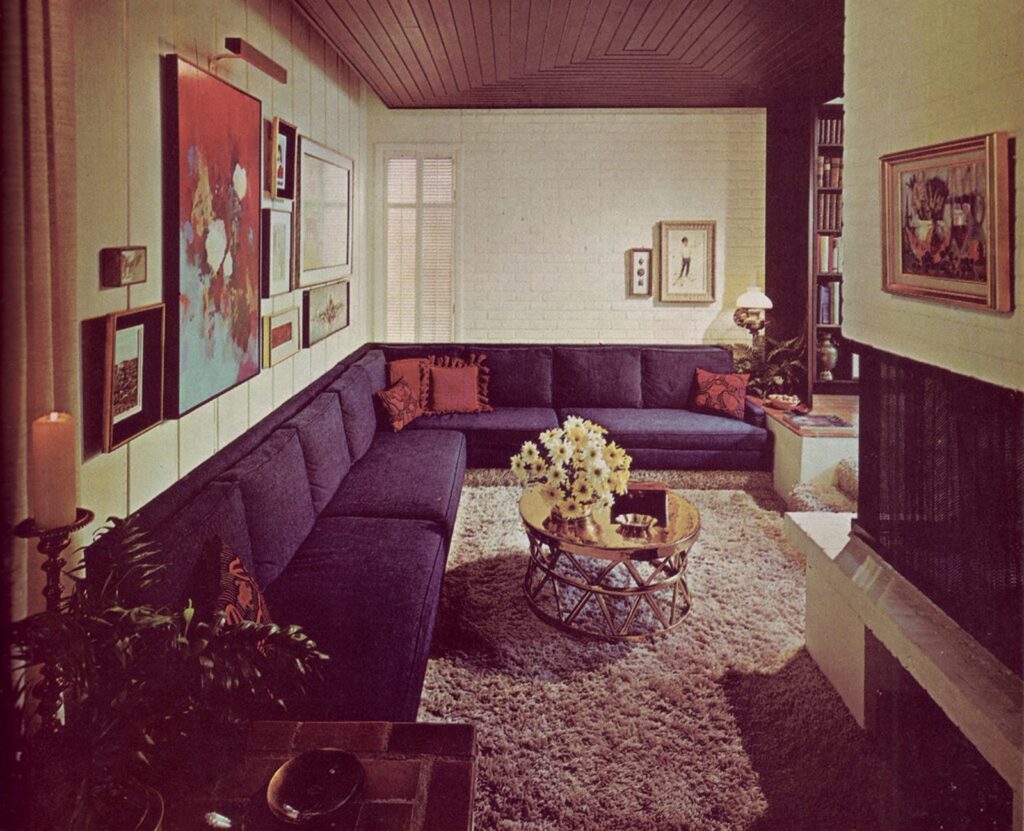
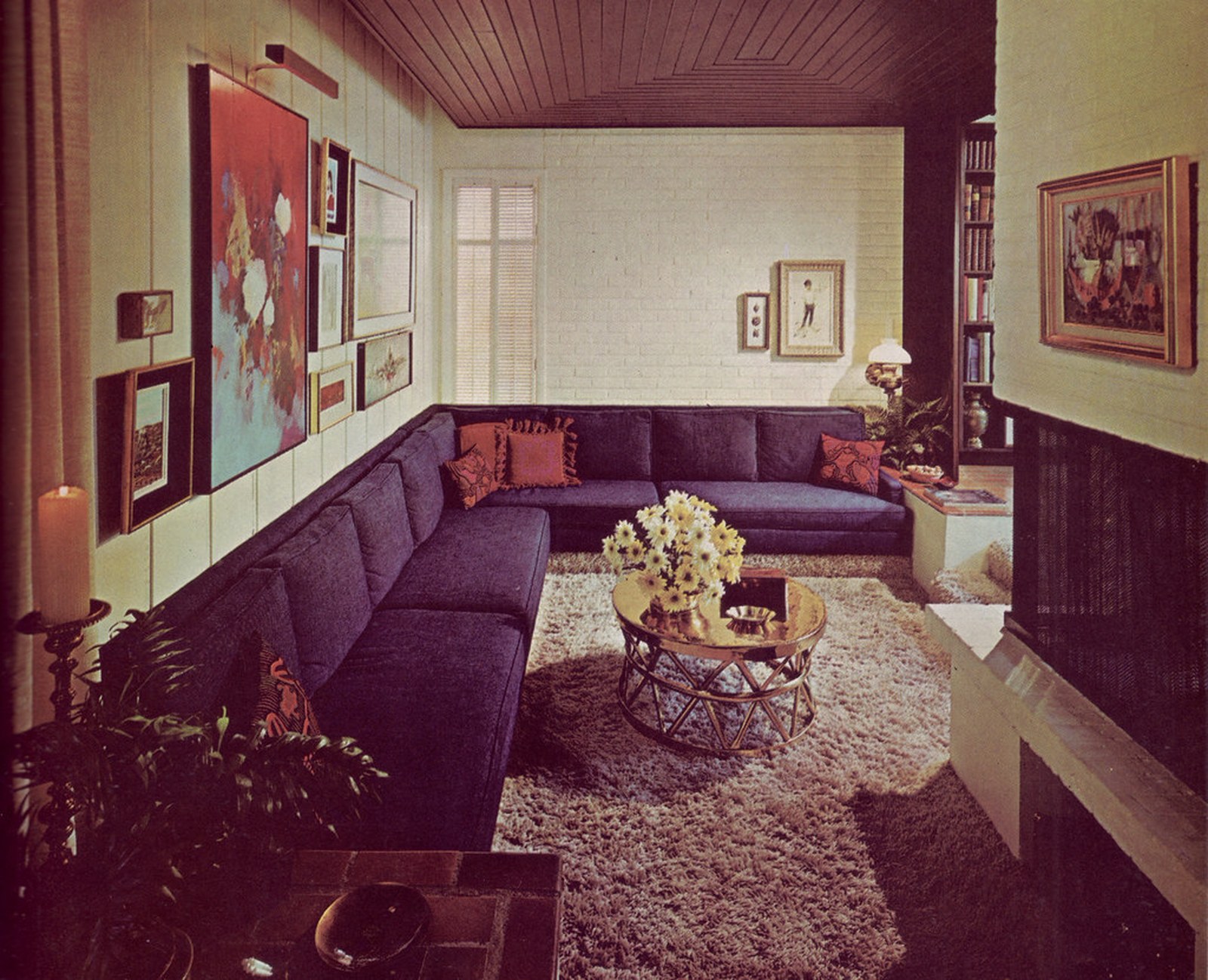
It is exactly what it sounds like. You drop the floor of the seating area a step or two below the rest of the room, ring it with built-in or low-slung sofas, and you get a cosy pocket that feels separate without a single wall. The drama comes from the level change. Your eye reads the dip as “this is the room within the room”, which is the whole appeal.
The 1960s and 70s loved them. Architects like Eero Saarinen made the sunken seating area a centrepiece of mid-century homes, the most famous being the Miller House in Indiana, with its bright cushioned pit you could happily lose an afternoon in. Then the look fell off a cliff, partly because tastes changed and partly because every estate agent in the land started listing them as a hazard.
Why it is back now
Two things, really. The first is a reaction against the giant open-plan box. We spent two decades knocking walls down, and a lot of people ended up with one enormous room that has no focus and nowhere to feel tucked away. A sunken seating area solves that without rebuilding anything vertical – it carves out a zone the same way a broken-plan layout does, just downwards instead of sideways.
The second is the mood of the moment. Call it cocooning, call it hygge that grew up – there is a clear pull towards rooms that wrap around you and pull people together off their phones. The Swedish designer Joanna Laven has described the pit as the ultimate spot to hang out with your family, and that framing has stuck. A sunken room forces everyone to sit facing each other rather than fanning out towards a telly on the wall. For a generation worried about screens at the dinner table, that is the selling point.
And the modern versions look softer than the originals. Out goes the brown tweed and orange shag, in comes ivory boucle, curved edges and a calmer palette – the same warm, enveloping direction you see in the move towards deeper, cosier colours across British homes right now. Livingetc has been running conversation pit features for a couple of years, and the comments are full of people asking how to fake one.
It helps that the wider 70s revival has been building for a while – the curved sofas, the wood panelling, the warm browns. The sunken room is the boldest move in that whole vocabulary, which is catnip for social media. A conversation pit stops a thumb mid-scroll, and that visibility feeds the trend even though hardly anyone scrolling will ever build one. There is a gap, in other words, between how often you see these rooms and how often they actually get made.
The problem the 70s never solved
Here is the bit the mood boards skip. A sunken living room is a hole in your floor that people walk near in the dark.
That sounds flippant but it is the single reason these things went extinct. A toddler learning to walk, a relative who is a bit unsteady, a friend three glasses into a dinner party – all of them are one missed step from a nasty fall. The originals had no balustrade because the 70s did not care, and that is precisely why they got filled in. Modern designers handle it with a clearly lit edge, a change in floor material so your feet register the drop, and sometimes a low rail. But you never fully design the risk away. You manage it.
The other quiet problem is permanence. A sunken room is the least flexible thing you can do to a floor plan. The next owner cannot just shove a different sofa in and rearrange – the room is the shape it is, forever, until someone pays to fill it back in. That rigidity is the opposite of how most of us actually live, swapping furniture round every few years as the family changes.
What it costs to build one properly
This is where the fantasy meets the quote from the builder. Dropping a section of floor is not a cosmetic job – it is structural, and the price swings wildly depending on what is under there.
If your ground floor is a suspended timber floor with a void beneath, you might get away with reframing the joists relatively cheaply. If it is a solid concrete slab, you are digging out concrete, dealing with damp proofing, and quite possibly moving drainage or heating pipes that run through the spot you want to lower. BookaBuilderUK’s guide to sunken lounges makes the same point I would: the disruption depends entirely on where the pit sits relative to your existing floor build-up and services, and a fully recessed lounge in an established house is an expensive exercise rather than a weekend project. Building Control will want to sign it off, and a damp, cold void that fails inspection is a real outcome if it is done badly.
So you are not comparing this to a new sofa. You are comparing it to a small extension or a garden room, money-wise, and unlike those it adds no floor area at all. You are paying a builder thousands to have less usable space, just arranged more beautifully.
As a rough sense of scale, even a modest sunken zone in a timber floor tends to run into the low thousands once you add the structural work, the making good and the sign-off, and a recessed lounge in a concrete-floored room can climb well beyond that before you have bought a single cushion. Nobody can quote it properly without seeing under your floor, which is itself a warning about how variable the job is.
The dimensions that make or break it
Even if budget is no object, the room itself has to be right, and most British rooms are not.
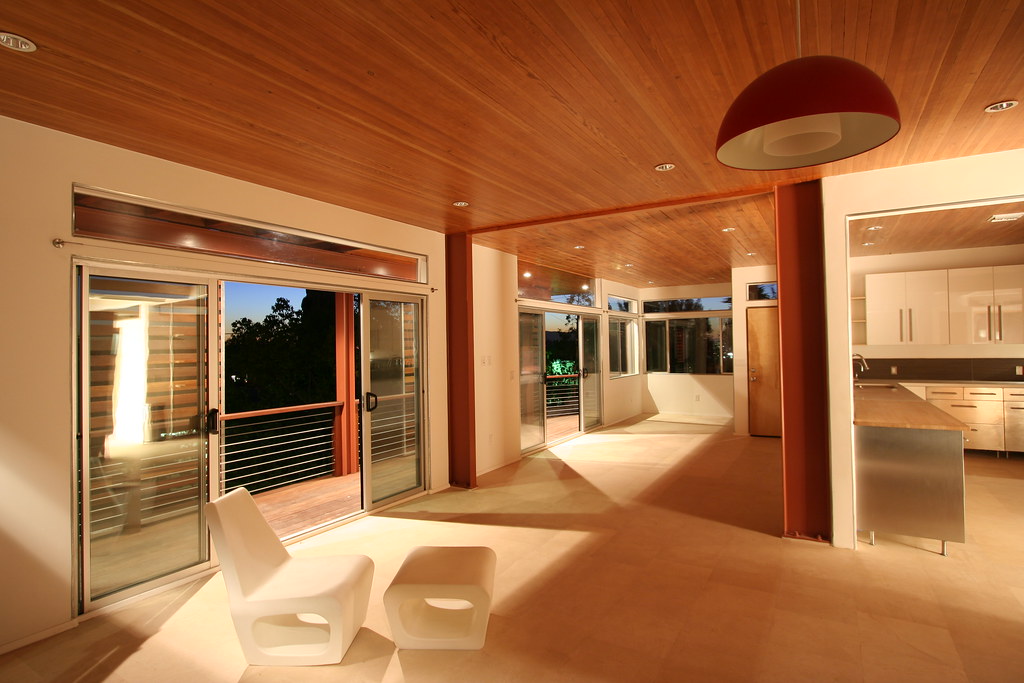
Ceiling height is the first hurdle. Drop the floor in a room with a standard 2.4m ceiling and the pit can feel like a cave rather than a den – designers tend to want nearer 2.7m in the surrounding space to carry it off. Then there is footprint. Ideal Home’s run-down on conversation pits and most architects land on roughly the same minimum: give the pit around 2.4m by 2.4m, keep at least 900mm to a metre of circulation around it, and accept that anything tighter just feels cramped once the sofas go in. A pit that is too small ends up unused, retrofitted with normal furniture, which rather defeats the point.
That combination – tall ceilings, generous floor area, a slab you can dig – rules out the average terrace and most semis. It really wants a large extension or a barn conversion. Which is the uncomfortable truth at the centre of this trend.
Does it add value when you sell?
Not reliably, and possibly the reverse. Estate agents are wary of features that split opinion, and a sunken lounge splits it hard – one buyer sees a design dream, the next sees a building project to undo and a hazard to childproof. A surveyor may well flag the step in a report, which never helps a sale.
There is a practical wrinkle too. Cold air sinks, so a lowered seating well can sit a degree or two cooler than the rest of the room in winter unless you plan the heating around it, usually with underfloor heating in the base. It is solvable, but it is one more cost and one more thing the next owner has to take on faith. Spend the money if you love it and plan to stay put. Do not spend it expecting the next buyer to pay you back.
The honest verdict
For the overwhelming majority of UK homes, a true sunken living room is a bad idea. There, I said it.
It costs a fortune, it adds nothing to your usable space, it introduces a genuine trip hazard you will spend years half-worrying about, and it locks your biggest room into a single layout that the next owner may quietly resent. If you have got a double-height new-build with a slab and money to burn, fine – it can be spectacular, and I would happily sit in one. But chasing it in a normal house because it looked dreamy on a feed is how people end up with an expensive regret and a stairgate bolted across the den.
Trends that photograph brilliantly and live badly are worth treating with suspicion. This is one of them for most of us.
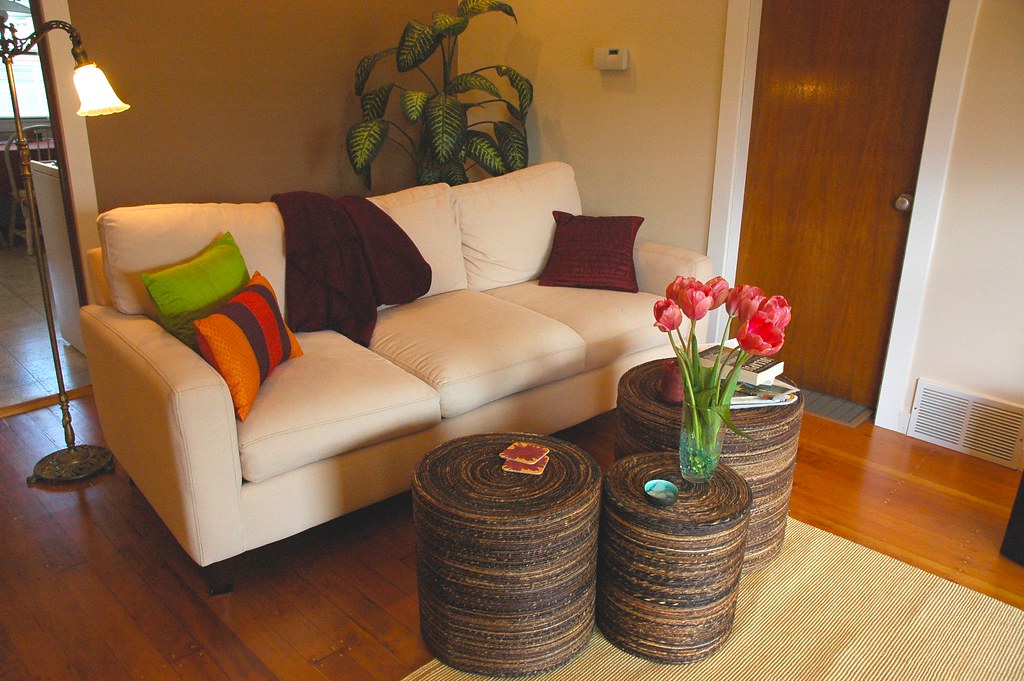
The version that actually works here
The good news is that the feeling you are chasing – intimate, enclosing, everyone facing in – barely needs the hole at all. It is mostly about low furniture and tight arrangement, and you can fake the whole mood for the price of a rug.
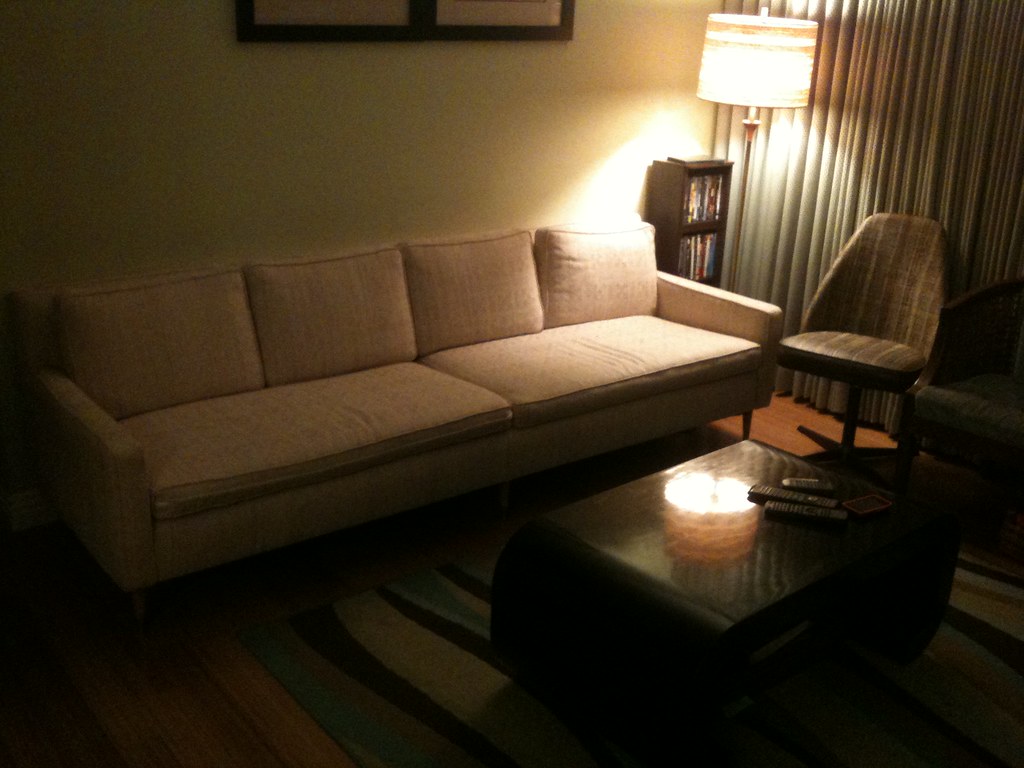
Start with the seating low and pull it inwards. A deep, low-backed sofa or a modular sectional arranged in an L or a U, pushed close around a chunky coffee table, recreates the face-to-face huddle that makes a pit feel sociable. Lay a big, soft rug under the lot to draw a hard edge around the zone – that single move does most of the visual work a step-down would. Drop the lighting to table lamps and a floor lamp rather than the big ceiling light, and the room closes in around you. Some of the British makers in our homeware round-up do exactly the kind of low, generous seating this calls for.
A bay window helps if you have got one – a built-in window seat with deep cushions does a similar job to a pit, giving you a low, defined perch that pulls people to the edge of the room and catches the light. It is the kind of thing a decent joiner can knock up in a few days for a fraction of an excavation, and it leaves the floor exactly where the builders put it. Then sort the light: pools of low lamplight make the huddle work, and we’ve made the case against the big light elsewhere.
You can go a step further with a modular floor-cushion setup or a built-in bench banquette along one wall, which gives you the low, communal seating line of a pit with none of the excavation. It is reversible, it suits a rental, and if you tire of it you move the cushions. That is the version I would actually recommend to nine out of ten people who tell me they want a conversation pit.
If you want the togetherness without any building work at all, angle two sofas to face each other across a low table rather than lining everything up at the wall-mounted telly. It feels slightly radical the first week and completely normal after that, and it does more for actual conversation than any step in the floor ever will.
The pit itself will keep filling Pinterest boards, and a few brave souls with the right house and the right budget will build proper ones worth envying. For everyone else, the question is simpler than the trend makes it sound: do you want the hole, or do you want the feeling? Because only one of those is worth paying a builder for.