Reading Festival 2026: Camping Has Sold Out, and the £125 Sunday Ticket Is the Bargain of the Bank Holiday
Reading Festival 2026 is down to its last three ways in. All camping: sold out. Weekend non-camping: sold out. Every two-day combination: also gone. What’s left on the official site this week is a £205 Friday, a £205 Saturday and a £125 Sunday – and the odd thing is that the cheapest ticket of the three buys the strongest day of music. If a muddy field isn’t the aim, Radio 2 in the Park 2026 in Stirling (11-13 September) is the grown-up alternative, with Simple Minds’ only UK show of the year.
In This Article
- What’s actually left at Reading Festival 2026
- Two headliners a night, and the splits that matter
- Sunday is the steal
- One weekend, a third of the Mercury shortlist
- An all-British bill, twelve months after an American one
- The Grid, The Warehouse and a quiet redesign
- The case for not camping
- If you’re booking this week
Sunday at Richfield Avenue gets you Florence + The Machine’s only festival set of 2026, Chase & Status closing the main stage, plus Loyle Carner, Kneecap, Holly Humberstone and Paris Paloma. For £80 less than a Friday. London’s answer to the same squeezed punter was All Points East at £69.95 a day – ten days in one park, and a different bet on what a festival is for.
Festival pricing almost never lines up this neatly with festival quality. It has this year, so it’s worth walking through how.
What’s actually left at Reading Festival 2026
Dates first: Thursday 27 to Sunday 30 August, Little John’s Farm in Reading and Bramham Park outside Leeds, the bank holiday weekend as always. The official Reading ticket page now lists final-release day tickets at £205 for Friday, £205 for Saturday and £125 for Sunday, and a waitlist button next to everything that involves a tent. Leeds is the escape hatch. It still has weekend and camping tickets, and the Reading site has started openly pointing disappointed campers north. (Reading isn’t the only sell-out story that weekend – Creamfields is running its own final-release scramble up the M62.)
None of this should be a shock given how the bill landed. When the six headliners were announced last December – Charli XCX, Fontaines D.C., Dave, RAYE, Florence + The Machine and Chase & Status – it read less like a festival poster than a settling of accounts: nearly everyone who’d defined British pop over the previous three years, on one farm, in one weekend. Melvin Benn, who runs the twin festivals, had told NME at Reading 2025 that he’d never had so much of the following year’s bill locked in so early: “I feel like we’re in a stronger position than I can remember for an awfully long time.” The sell-out board suggests he read it right.
And it’s worth saying plainly: £205 for a single day is a lot. That’s more than some weekend passes cost at mid-size festivals five years ago. Nobody should pretend this is cheap. The question is what you get for it, and on one of the three days the answer is unusually good.
Two headliners a night, and the splits that matter
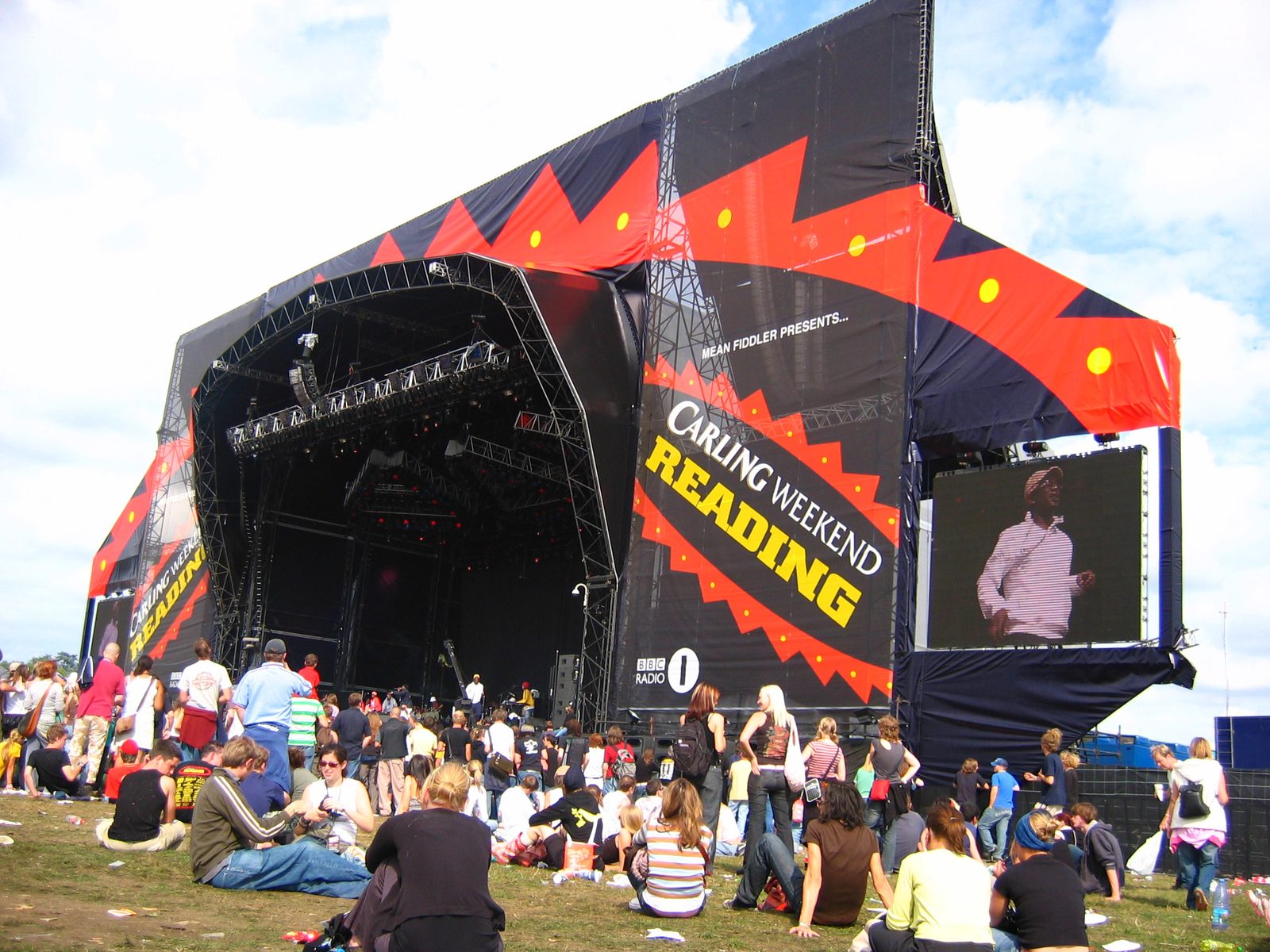
Reading runs its 2026 bill as double headline slots on the main stage, now called The Grid. Friday is Charli XCX’s first ever Reading headline set – the coronation lap that this year’s Music Fashion Film record made inevitable – alongside Fontaines D.C., playing their first scheduled show since the Romance campaign wrapped last summer. Skepta, Declan McKenna and Geese fill out the day.
Saturday belongs to Dave and RAYE, both playing Reading and Leeds as their only British festival dates of the year. Dave last topped the bill in 2022; RAYE gets her first headline slot after years of working her way up the poster. Her statement when the line-up dropped is the most likeable thing any festival press release has produced in ages: “I came to Reading & Leeds when I was 16 when I finished my GCSEs, I was in the dance tent living my life… I had a dream, and look at me now, it’s all possible.”
Sunday closes with Florence + The Machine and Chase & Status. More on why that’s the day in a moment.
Thursday, incidentally, is a Leeds-only story this year: Kasabian become the first act ever to headline Bramham Park on the opening night. A Thursday headliner is a new shape for these festivals, even if the choice of band feels like a comfort blanket for anyone who bought their first NME in 2004.
Beneath the headline six, the March announcement added over 60 names, and two of them say something about where festival booking has ended up: Violet Grohl, daughter of Dave, and Cruz Beckham and the Breakers, son of David. The second-generation slot is now a fixture of the British festival poster. Whether either act would be there under a different surname is a question their sets will have to answer for themselves – a Reading crowd, historically, has never been shy about delivering a verdict.
Sunday is the steal
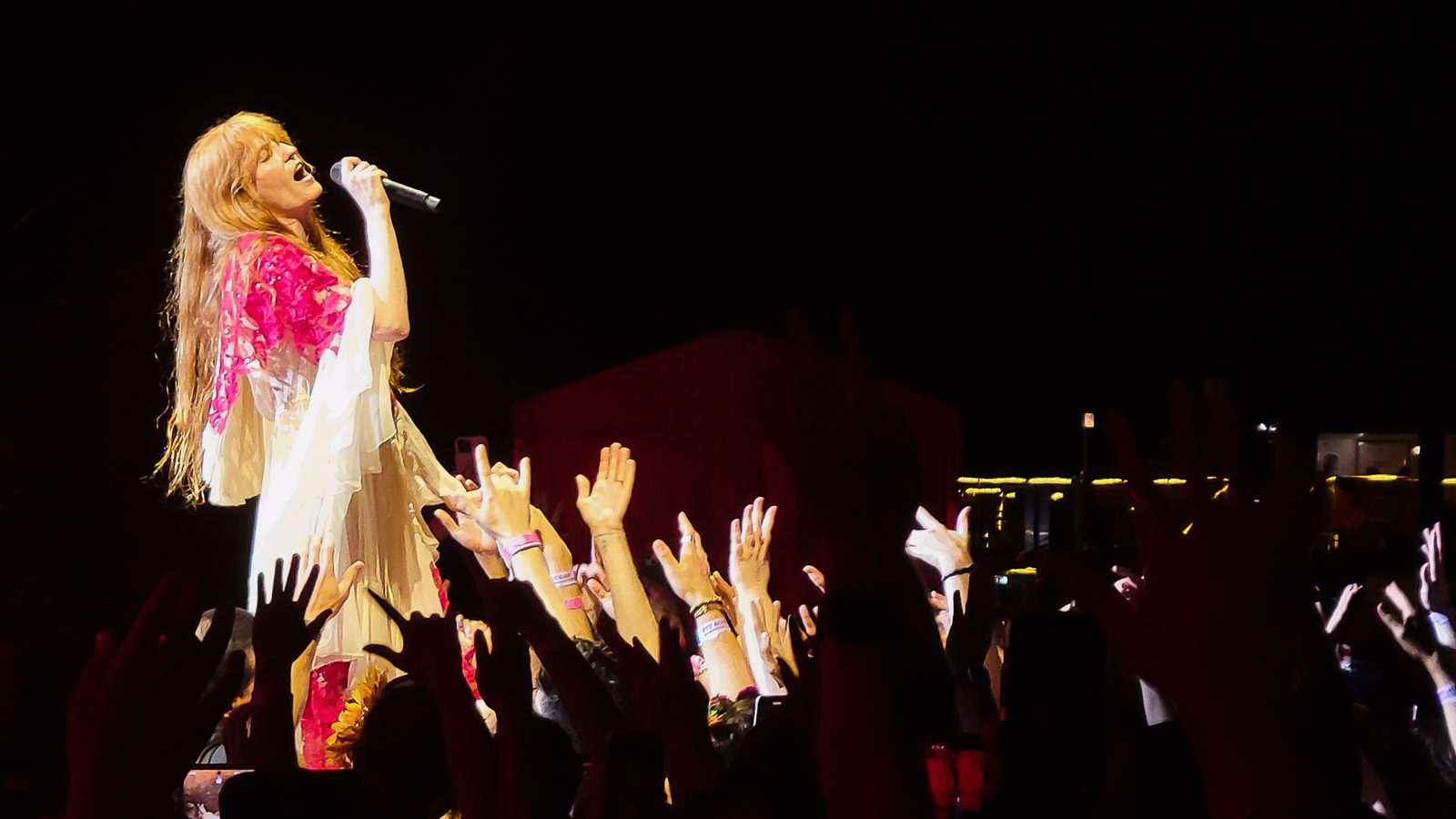
Here’s the case in full. Florence Welch has headlined Glastonbury and Hyde Park, and her band’s sixth album, Everybody Scream, was strong enough to make this year’s Mercury shortlist. Reading is her fourth appearance at the festival but her first time back at the top of the bill since 2012, and it’s the only festival she’s playing in Britain all year. Her arena tour earlier in 2026 was priced like an arena tour. This is £125, and you get an entire festival wrapped around it.
The undercard does its share of the lifting too. Loyle Carner in a late-afternoon slot is about as reliable as British live music gets. Kneecap remain the most argued-about booking on any poster they appear on, which is exactly what a festival Sunday needs. Men I Trust, Holly Humberstone and Paris Paloma cover the comedown hours, and Kettama and Chris Stussy keep The Warehouse moving until the lights come up. Chase & Status closing the whole thing with a live show is a statement in itself – a drum and bass act ending Britain’s loudest rock weekend, and nobody batting an eyelid.
But the sharpest way to see the value is against everything else on sale right now. As we noted when Van Morrison’s autumn tour went on sale, British live music has split into small rooms with honest pricing and big events priced like investments. A £125 day featuring two headline sets and thirty-odd other acts sits weirdly, wonderfully, on the wrong side of that divide. Friday and Saturday punters are paying £205 for the same amount of music.
One weekend, a third of the Mercury shortlist
Something has quietly happened to Reading’s reputation while nobody was updating it. Four of the twelve albums on this year’s Mercury Prize shortlist belong to acts playing this festival: Florence + The Machine’s Everybody Scream, RAYE’s This Music May Contain Hope, Dave’s The Boy Who Played the Harp and JADE’s That’s Showbiz Baby!, which gets its festival airing on Saturday on The Grid. The winner is announced in Newcastle on 22 October. A bookmaker would tell you there’s a decent chance the next Mercury winner plays Richfield Avenue this month.
For a festival that spent two decades being described as a GCSE results party with guitars, that’s a remarkable position. Glastonbury is fallow-adjacent in the national conversation this August; the Proms own the classical end; and the actual centre of gravity of British recorded music – the albums the industry itself shortlisted as the year’s best – is at Reading and Leeds. The festival didn’t announce this shift. It just booked it.
An all-British bill, twelve months after an American one
Cast your mind back a year. Reading and Leeds 2025 was topped by Chappell Roan, Travis Scott, Hozier and Bring Me The Horizon – two Americans, an Irishman, and one band from Sheffield. It was a strong weekend, and Roan’s set in particular did the rounds for weeks afterwards. But it was also a bill you could have seen at any large festival on either side of the Atlantic that summer.
The 2026 headline six is different in kind. Charli XCX, Dave, RAYE, Florence + The Machine and Chase & Status are all British; Fontaines D.C. are Irish. There isn’t an American name until you reach Gunna, sombr and Role Model further down the poster. Nobody at Festival Republic has made a flag-waving point of this, and they shouldn’t – it almost certainly reflects who was available, affordable and album-cycled rather than any grand editorial stance. Booking is logistics wearing the costume of taste.
Still, the effect is real. At a moment when British acts routinely complain about being priced off their own country’s biggest stages by touring American arena acts, the loudest weekend in the calendar is wall-to-wall homegrown at the top. That felt unthinkable in the mid-2010s, when the conversation was all about whether any British act could still close a festival. Turns out the answer was: give it a decade, and six at once.
The Grid, The Warehouse and a quiet redesign
The renaming tells its own story. The main stage is The Grid. The second stage is The Gallery. Then there’s The Ballroom, The Canopy and – new for 2026 – The Warehouse, which Radio X reports was purpose-built as a home for dance music at the festival. Skepta plays a b2b set with Prospa in it on Friday. Duke Dumont, Mall Grab and Hybrid Minds run through the weekend. This isn’t a dance tent bolted onto a rock festival any more; it’s a full parallel venue with its own daily bill.
Purists will grumble, as they did when the hip-hop headliners arrived, and as they did when the pop headliners arrived after that. The grumbling has a poor track record. Reading in 2026 looks like what a 19-year-old’s listening actually looks like – some Fontaines, some Charli, some drum and bass, a jungle set at midnight – and the sell-out suggests the audience recognises itself in the mirror.
The case for not camping
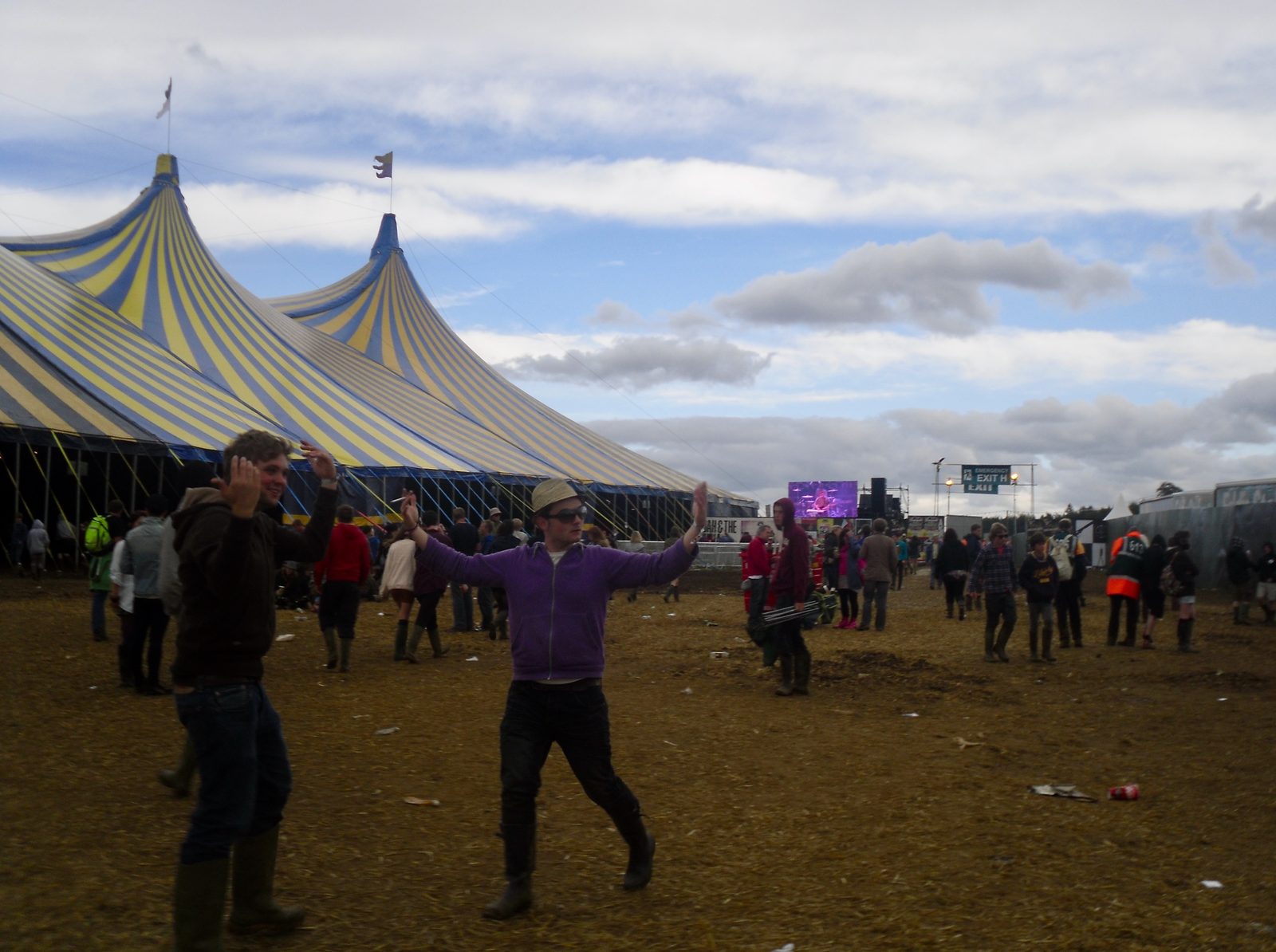
Time for the unpopular bit: the camping sell-out isn’t the tragedy it’s being treated as, because camping is the worst-value part of the Reading package and has been for years. You pay a premium of hundreds of pounds across a group for the privilege of three sleepless nights on a floodplain, a morning queue for toilets you’ll want to forget, and the traditional Monday bin-bag walk of shame past whatever’s left of the campsite. The festival’s own boutique options run from £868 for a bell tent – more than the cost of four Sunday tickets with change for chips.
Reading is one of the few big British festivals where the day-trip actually works. The site is a short walk from a mainline station with fast, frequent trains to London and along the Thames Valley. Go down for Sunday, see Florence, Loyle Carner and Chase & Status, and sleep in your own bed for £125 all in plus the train fare. The 2am campsite chaos is a rite of passage at 18. It’s an endurance event at 28.
If you want the full immersion anyway, that’s what Leeds is for this year – Bramham Park still has weekend camping on sale, and Kasabian’s Thursday set means northern campers get an extra headline show for their trouble.
If you’re booking this week
A few practical notes for anyone deciding between now and the bank holiday. The remaining day tickets can be split into three payments through PayPal’s Pay in 3 at the Ticketmaster checkout, and Saturday tickets can still be secured with a £50 deposit on the instalment scheme. Day car park passes are £55.50, and the coach – Big Green Coach runs official day returns – is usually the saner option anyway. Phones die fast on a festival site; our festival power bank test found the £20 brick that outlasts the charging tent queue.
One diary check before you buy that Sunday ticket, though. It’s the same weekend as Notting Hill Carnival’s 60th anniversary, which costs nothing to walk into. The August bank holiday now stages both the best-value paid weekend in British music and the best free one, thirty miles apart, and you can’t do both properly.
There’s also a £68.50-a-day “Lounge” upgrade at Reading offering luxury toilets and a pamper area, which the small print admits has no view of the main stage. Somebody will buy it. Festivals contain multitudes.
And if Reading has given you the festival bug, the next big sale is a different beast altogether. Glastonbury 2027 tickets tend to go in about half an hour, so registration and preparation matter more than luck.
And if Reading’s price has put you off for 2027, Tramlines in Sheffield is the festival we’d point a first-timer at instead: a city park, a fraction of the cost, and a bed at the end of the night.
So that’s the state of play, a fortnight out: one festival nearly full, one still open, and a £125 ticket sitting there for the strongest Sunday bill Reading has assembled in years. If you had to put money on one day of British live music this month, would you really pick either of the £205 ones?