
Zone 2 Cardio in 2026: 14 Experts Have Only Just Agreed What It Is – and a Sports Medicine Review Says Harder Training Builds More Fitness
Zone 2 cardio has a problem that nobody selling it likes to mention: until this year, the people who coach it for a living couldn’t agree on what it was. It took a panel of 14 sport scientists and coaches, published in the International Journal of Sports Physiology and Performance in 2025, to settle on a working definition. Which is a slightly odd place to be for something half of Britain’s gym podcasts treat as settled science.
In This Article
- What zone 2 cardio actually means (and why it took 14 experts to say so)
- The review the podcasts skip
- Why it's everywhere this autumn
- Where zone 2 cardio genuinely earns its place
- The talk test beats the watch
- A fair fight: zone 2 versus intervals
- The longevity claim, and what it rests on
- The mistake nearly everyone makes
- Who should do something else instead
- A week that doesn't need a spreadsheet
The definition they landed on is dull, and that’s the point. Zone 2 is exercise done at an intensity “immediately below the first lactate or ventilatory threshold”, in other words the pace where you’re working but your breathing hasn’t yet started to run away from you. Steady, slow, a bit boring. And that’s exactly why it’s having a moment as the clocks go back and the evening run turns into a treadmill session.
So is it the secret to longevity that your favourite podcaster says it is? Not quite. But it isn’t useless either, and the gap between those two statements is where most people go wrong.
What zone 2 cardio actually means (and why it took 14 experts to say so)
Most wearables carve your heart rate into five zones. Zone 2 is the second one up, the easy end of “moderate”. The technical anchor is the first lactate threshold, usually put at a blood lactate level of around 2 millimoles per litre, which is the point where your body is still clearing lactate about as fast as it makes it.
You don’t need a lab for any of that. The NHS gives a far simpler marker for moderate effort: you can still talk, but you couldn’t sing. That’s close enough to zone 2 for almost everyone who isn’t training for a marathon.
The panel’s other useful finding is that zone 2 doesn’t have to be one flat, steady grind. Their consensus allowed for continuous, variable or interval-style sessions, as long as the intensity stays under that first threshold. One of the authors, Stephen Seiler, is best known for the “80/20” approach to endurance training, which is probably where a lot of the gym-floor chatter about spending most of your time easy comes from. But that’s a recipe for people already training many hours a week.
The review the podcasts skip
Here’s the awkward bit. In 2025, Sports Medicine published a narrative review with the title “Much Ado About Zone 2” (Storoschuk and colleagues, volume 55, issue 7). Its job was to ask whether zone 2 training really does what the hype says for ordinary, non-elite people, above all on mitochondrial capacity and cardiorespiratory fitness.
As summarised by Sci-Sport, the authors’ conclusions are blunt. Intensities below roughly 60% of maximum aerobic power aren’t expected to produce meaningful gains in mitochondrial content in untrained people. And on fitness, the headline number most of us actually care about: gains in VO2 max and aerobic performance are greater when the intensity goes above zone 2, at equal training volume.
Read that again. At the same amount of time spent, harder beats easier for building fitness. That doesn’t make zone 2 worthless. It does make the claim that you should do 80% of your exercise there look like something borrowed from elite endurance athletes and sold to people who walk to the Tube.
On fat burning, which is the other thing zone 2 gets marketed for, the picture is muddier. Higher intensities sometimes improved fat oxidation more, and plenty of studies found no clear difference. If someone tells you zone 2 is the “fat-burning zone” and everything above it isn’t, they’re repeating a line from a gym wall chart.
I should be upfront about one thing. I’ve read the review through a secondary summary, not the full paper, so if you plan to quote the numbers, check the original.
Why it’s everywhere this autumn
Timing helps explain the noise. The clocks go back on 25 October, evenings get dark fast, and the outdoor run that was easy to justify in July turns into a negotiation with the weather. Easy, steady cardio on a bike or a treadmill suits that mood: it needs no warm-up routine, no partner and no particular nerve.
Add a few years of wearables nudging everyone into watching their heart rate, and a lot of podcasts looking for a simple rule to hand to their audience, and you can see how “stay in zone 2” became the cheerful, slightly smug advice of 2026. It’s tidy. It sounds scientific. And it asks very little of you, which is a big part of its appeal.
That ease of use isn’t a criticism. But an exercise rule that feels this comfortable deserves a bit more suspicion than most, because comfort is rarely what produces a big change in fitness.
Where zone 2 cardio genuinely earns its place
Right, enough demolition. There are real reasons to do it.
If you’re an endurance athlete, the case is strong and old. Long, easy sessions let you pile up a lot of training without wrecking yourself, and that volume is what builds the engine for a half marathon or a sportive. A runner doing 40 miles a week can’t hammer all of it.
If you’re coming back after illness, injury or a long gap, easy work is the sensible door in. It’s low risk, you can do it most days, and it builds the habit before the intensity. The same goes for anyone with sore knees or hips who finds that hard intervals hurt for days afterwards.
There’s also recovery. If you lift three days a week or you’re signed up for something punishing, an easy 40 minutes the day after is a decent way to keep moving without adding more fatigue. That’s a more modest claim than “it’ll transform your mitochondria”, but it’s one most coaches would stand behind.
And then there’s adherence, the unglamorous king of fitness research. A pace you can hold while listening to a podcast is a pace you’ll actually turn up for in January. We covered a version of this argument in our look at how many steps a day actually matter: the famous 10,000 target started life as a marketing number, and what matters is doing something regularly.
The talk test beats the watch
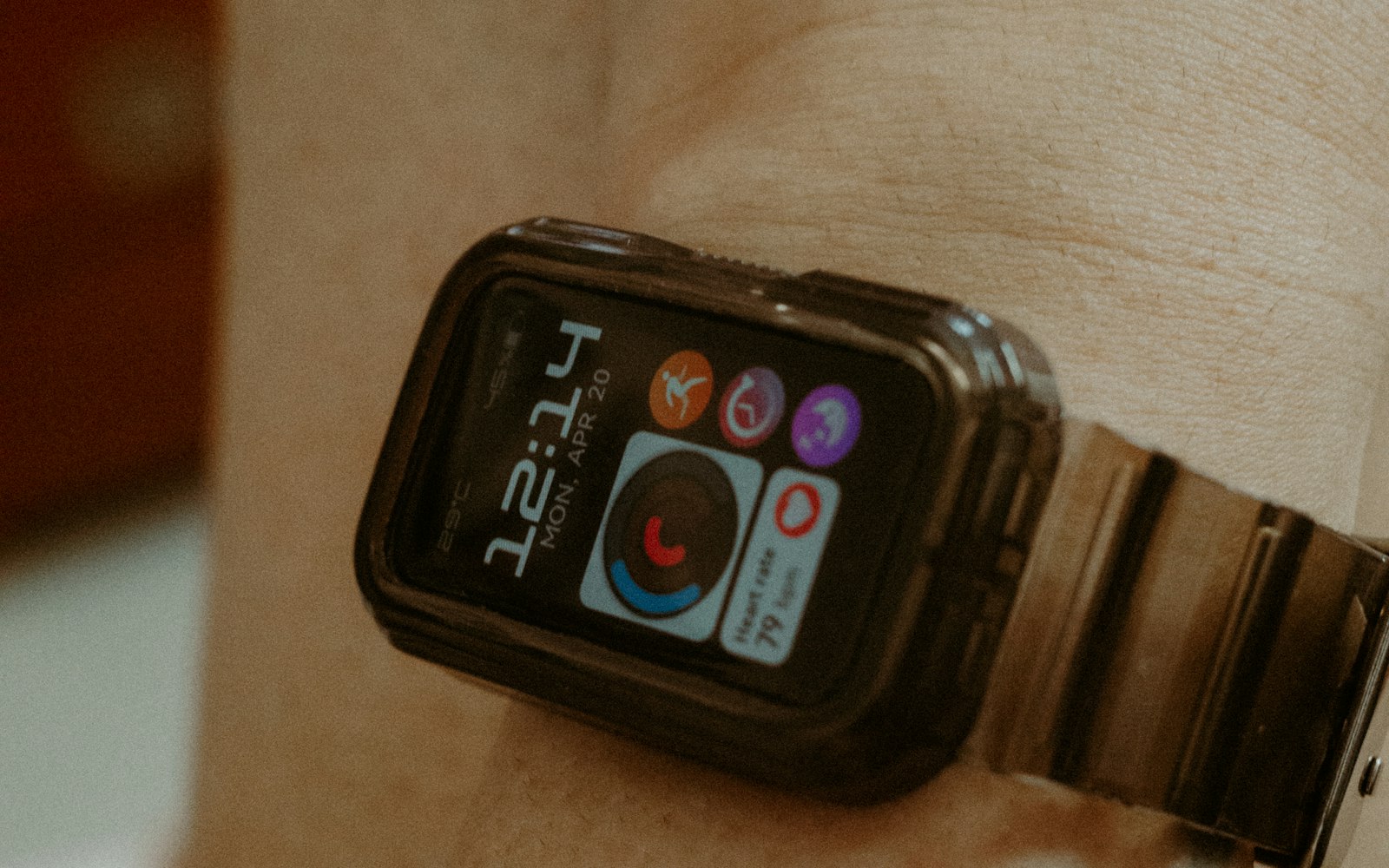
Wrist-based heart rate is generally fine for steady efforts and less reliable once the pace keeps changing, and the zone boundaries on most watches are generic percentages of an estimated maximum, not your own threshold. I’m guessing here, but plenty of people could be training in the wrong zone for months simply because the default maximum was off.
So use the talk test. Can you hold a conversation in full sentences, with the odd pause for breath? Then you’re probably in the right place. Can you only manage a few words at a time? You’ve drifted too high. Can you sing the chorus of whatever’s in your ears? Pick up the pace.
A chest strap is more accurate than a watch, and if you’re a runner who enjoys data it’s worth having. But don’t buy a new device to do something the NHS describes with a sentence. If you’re curious how far to trust wrist and ring sensors in general, we put one through 30 nights in our sleep tracker accuracy test.
A fair fight: zone 2 versus intervals
Let’s put the two side by side without the tribalism.
Time first. If you’ve got 30 minutes, a few hard intervals will move your VO2 max further than 30 minutes of easy jogging, and the review above backs that up at matched volume. Intervals win for the time-poor.
Injury and fatigue second. Hard sessions cost more to recover from. Our piece on Hyrox injuries is a useful reminder of what happens when training is all load and little recovery. Easy work is what makes the hard work sustainable.
Enjoyment third, and nobody puts this in a study abstract. Some people love the grind of a sprint session. Others dread it so much they stop training altogether. The best programme on paper is useless if you quit it in three weeks.
The honest answer for most people is a mix, with the weighting depending on your goal. Mostly easy with a couple of hard efforts is how a lot of runners train. Mostly hard with some easy days is how a busy person squeezes fitness into a Tuesday lunch hour. Neither is wrong.

The longevity claim, and what it rests on
Much of the zone 2 buzz comes bolted to longevity. The reasoning goes: high cardiorespiratory fitness is linked to living longer, zone 2 builds your aerobic base, so zone 2 is the key to a long life.
The first link is solid. Large observational studies have long found that people with higher fitness tend to live longer. The second link is where it creaks. If harder training raises VO2 max more than zone 2 at equal volume, as the review says, then the logic points towards a mix with some hard efforts in it, not away from them.
And observational data can’t tell you whether fitness causes the longer life or just travels with the sort of person who’s healthy, has time, and doesn’t smoke. Be wary of anyone who tells you a single heart-rate zone adds years.
The mistake nearly everyone makes
Go too fast on the easy days. It sounds odd, but it’s the most common error among keen amateurs: the “easy” run creeps up until it’s a moderately hard run, which is too hard to recover from and too easy to count as a real workout.
Zone 2 should feel almost embarrassingly gentle. If you’re passed by someone with a pushchair, that’s fine. Let them go.
The flip side is the person who never does anything above conversation pace and wonders why a 10k isn’t getting quicker. You need both. Easy work builds the habit and the base, and a little hard work gives you the sharper top end. A plan that skips either has a hole in it.
Who should do something else instead
My view, and you may not agree: zone 2 is overrated for anyone whose main aim is general health in a busy week. The NHS target is at least 150 minutes of moderate activity a week, or 75 minutes of vigorous, plus strengthening work on at least two days. You can hit that with brisk walks and a couple of harder efforts. There is no extra NHS tick for staying in a specific heart-rate band.
Strength training is the bigger gap for most people. If your week is all steady cardio and no lifting, you’re missing the thing that protects muscle and bone as you age. If you’re weighing up supplements to help with that, start with our creatine for women piece, but the training comes first.
And if you want a shortcut, there isn’t one. We covered the idea that you can stand on a machine and get fit in our look at vibration plates, which found no fat loss across 20 trials. Fitness is mostly down to effort, repeated.
Equally, if you’ve been told to stay in zone 2 by a coach who knows you, carry on. This article isn’t a reason to ditch a plan built around your own history. It’s a reason to question a stranger on the internet telling you that every other intensity is a waste of time.
A week that doesn’t need a spreadsheet
If you want to try zone 2 without making it a project, here’s a plain structure for a normal week.
Two easy sessions of 30 to 45 minutes. Walk-jog, steady cycle, brisk incline walk, whatever you’ll do. Use the talk test. Keep one of them outdoors if the weather lets you, because daylight in October is a limited resource.
One harder session, short. Four to six efforts of a minute or two, with equal rest. It’ll feel horrible for about 15 minutes and fine afterwards.
Two strength sessions, 30 to 40 minutes. Squats, presses, rows, carries. Nothing exotic.
That’s five sessions, about three and a half hours in a good week. Miss one and nothing collapses. Add a Saturday walk if you fancy it.

The fuss over zone 2 cardio will probably calm down once the next training trend arrives. What won’t change is the dull core of it: easy days make hard days possible, and the best plan is the one you can repeat in February. So which part of your week is the one that keeps falling apart – the easy days you skip because they feel pointless, or the hard ones you dodge because they hurt?