Ofgem’s October Cap Lands This Month: The Energy Saving Gadgets That Pay for Themselves – And the £40 Plug That Doesn’t
Buy a £40 plug that promises to cut your electricity bill by 30% and you have bought a plastic shell with a capacitor and an LED in it. Which? tested eight of them – pulled from AliExpress, Amazon, eBay, Shein, Temu and TikTok Shop – and found no evidence any of them saved a single unit of electricity. One failed enough safety tests to be flagged as a shock and fire risk, with pins weak enough to snap off inside a socket. They’re still on sale.
In This Article
- What the October cap changes – and what it doesn’t
- The one thing that beats every gadget, and it’s free
- Draught proofing: boring, ugly, and the best value in the house
- The heated airer question, and why I’ve changed my mind
- Smart thermostats: the £200 question nobody answers honestly
- Smart plugs are a measuring tool, not a saving
- Four energy saving gadgets not to buy
- Where the real money is, if you own the place
- The four-item list, in order
That’s the state of the energy saving gadgets market in the UK in 2026, and it’s worth knowing before the last week of August, when Ofgem sets the price cap that runs from 1 October. Britain does this dance four times a year now. The cap gets announced, everyone panics for about 48 hours, and a great deal of money gets spent on things that don’t work.
It’s the same instinct behind September’s refurbished iPhone maths: the sticker price tells you much less than what the thing saves or costs you over three years.
So here’s the actual maths, using the actual rates, on what earns its money back and what doesn’t.
What the October cap changes – and what it doesn’t
Under the current cap, running 1 July to 30 September 2026, Ofgem sets electricity at 26.11p per kWh and gas at 7.33p per kWh for a typical direct debit household in England, Scotland and Wales, with daily standing charges of 57.19p and 29.04p. Headline figure: £1,862 a year, up 13% on the spring cap.
Do the standing charge sum and it stings. 86.23p a day, every day, whether you’re in the house or in Benidorm. That’s £314.73 a year before you boil a kettle, and no gadget on earth touches it.
The October cap arrives with one genuinely new wrinkle. From 1 October, VAT on domestic electricity drops from 5% to zero, announced by the government on 20 July and funded, oddly enough, by cancelling the digital ID programme. The Treasury puts the saving at roughly £45 a year for a typical household. It’s temporary – the zero rate is legislated only to 31 March 2027, with any extension left to the Autumn Budget – and Northern Ireland is excluded because of EU VAT rules, with separate funding promised instead.
A word of warning about the forecast numbers doing the rounds this month. You’ll see £1,700 in one article and £1,862 in another, and they aren’t measuring the same thing: some are quoting against Ofgem’s older typical-use assumptions and some against revised ones. Ignore all of it until the announcement lands. Then check the unit rate, not the headline, because the unit rate is the only number that describes your house.
The one thing that beats every gadget, and it’s free
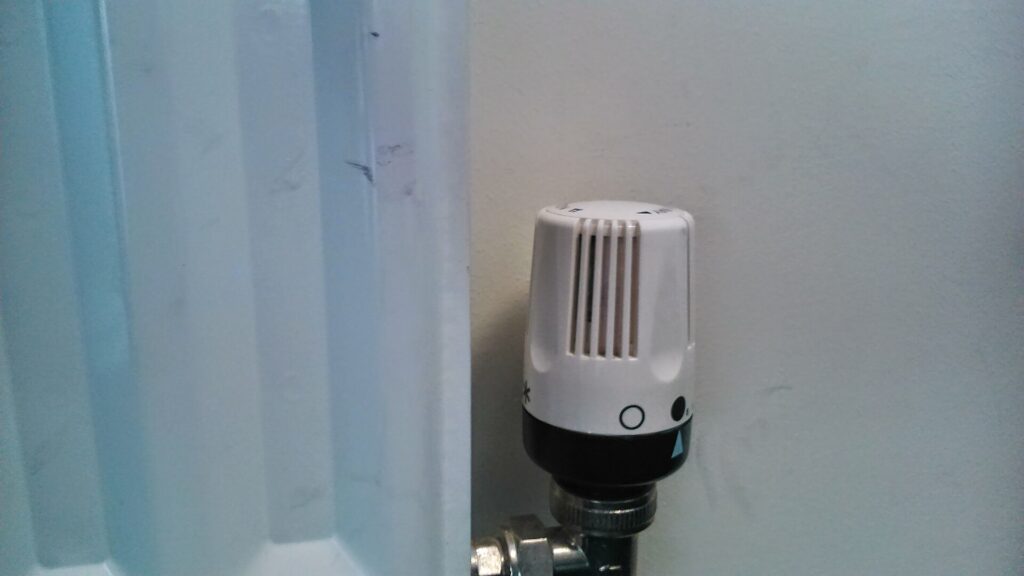
If you have a condensing combi boiler and its flow temperature is set to 80°C – and most British boilers are, straight out of the installer’s box – you are running it in a mode where it can’t condense properly. Turn the radiator flow dial down to 60°C and it recovers heat it was previously throwing out of the flue.
Nesta ran a national campaign on exactly this, and its supporting evidence puts the saving at around 9% of your gas bill. The £112 figure they published was calculated when gas cost considerably more than it does now, so recalculate it yourself: at 7.33p per kWh, a household burning 11,000 kWh of gas spends about £806 a year, and 9% of that is roughly £73.
Seventy-odd quid, for turning a dial, once. No purchase, no app, no subscription. And the reason it isn’t better known is that nobody makes any money telling you about it.
Two caveats and I’ll move on. It only applies to condensing combis, not system boilers with hot water cylinders, and your radiators will run cooler, so rooms take longer to reach temperature. If your house is badly insulated you may find 60°C doesn’t cut it in January and need to settle at 65°C. Still worth doing.
Draught proofing: boring, ugly, and the best value in the house
The Energy Saving Trust’s figures for draught proofing land somewhere between £45 and £125 a year depending on your property type, with detached houses at the top end because they have more external wall to leak through. A DIY kit – self-adhesive foam strip, a letterbox brush, a chimney balloon if you’ve got an unused fireplace – runs to about £40 all in from Screwfix or B&Q.
Payback in one winter. Sometimes less.
The things people miss: the gap under the internal door to an unheated hallway, the loft hatch (which is usually a thin plywood board with no seal at all), and the cat flap. Old sash windows are the classic culprit but they’re also the expensive fix, and if you rent you probably can’t touch them. Everything else on that list is under a tenner and takes an evening.
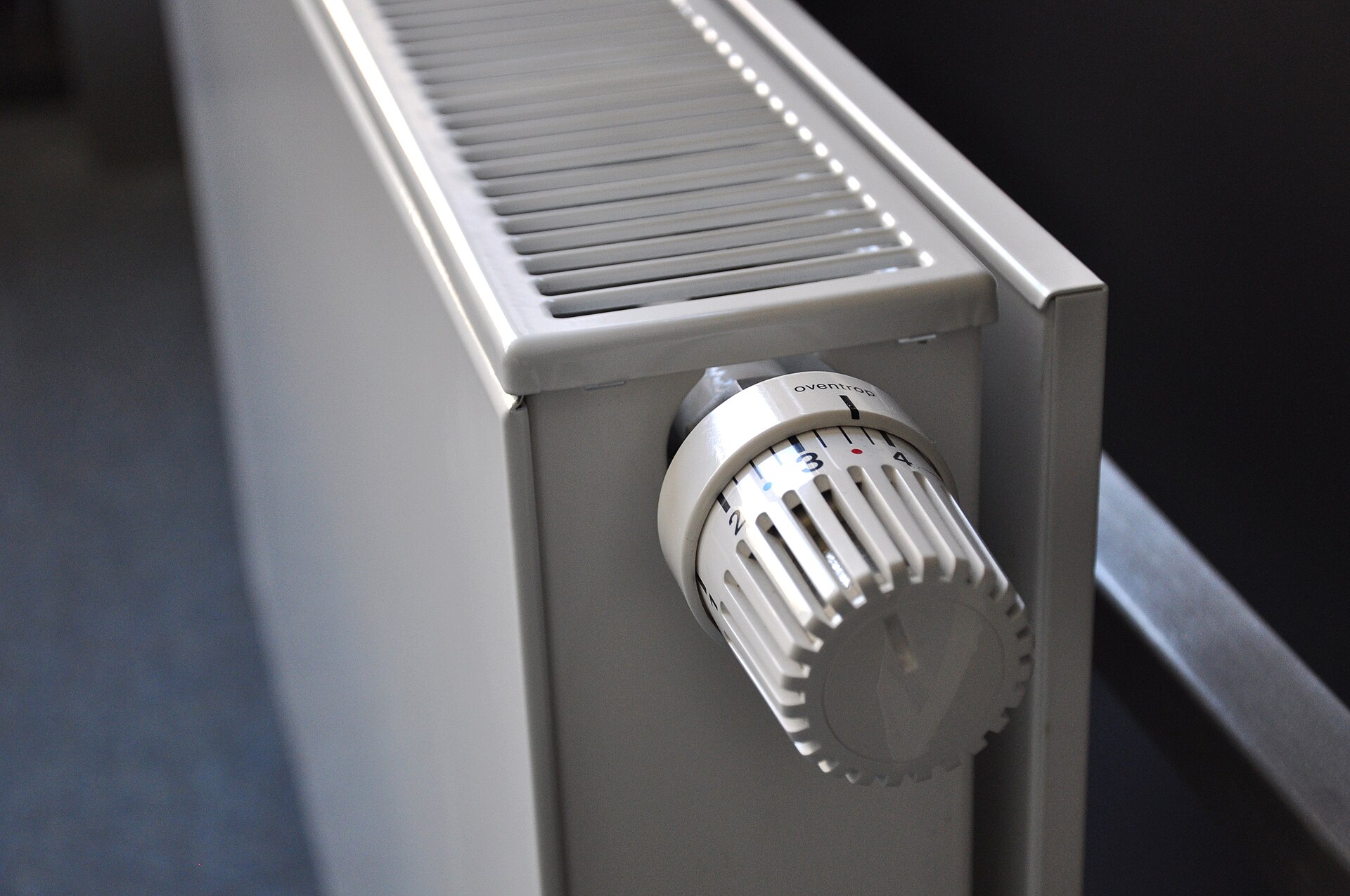
Where draught proofing gets oversold is the radiator reflector panel. Those foil sheets you stick behind a radiator do something measurable, but only on an uninsulated solid external wall. If your radiator sits on an internal wall – and plenty do – you’re reflecting heat into your own living room from the other side, which was going to end up there anyway. Check the wall first.
The heated airer question, and why I’ve changed my mind
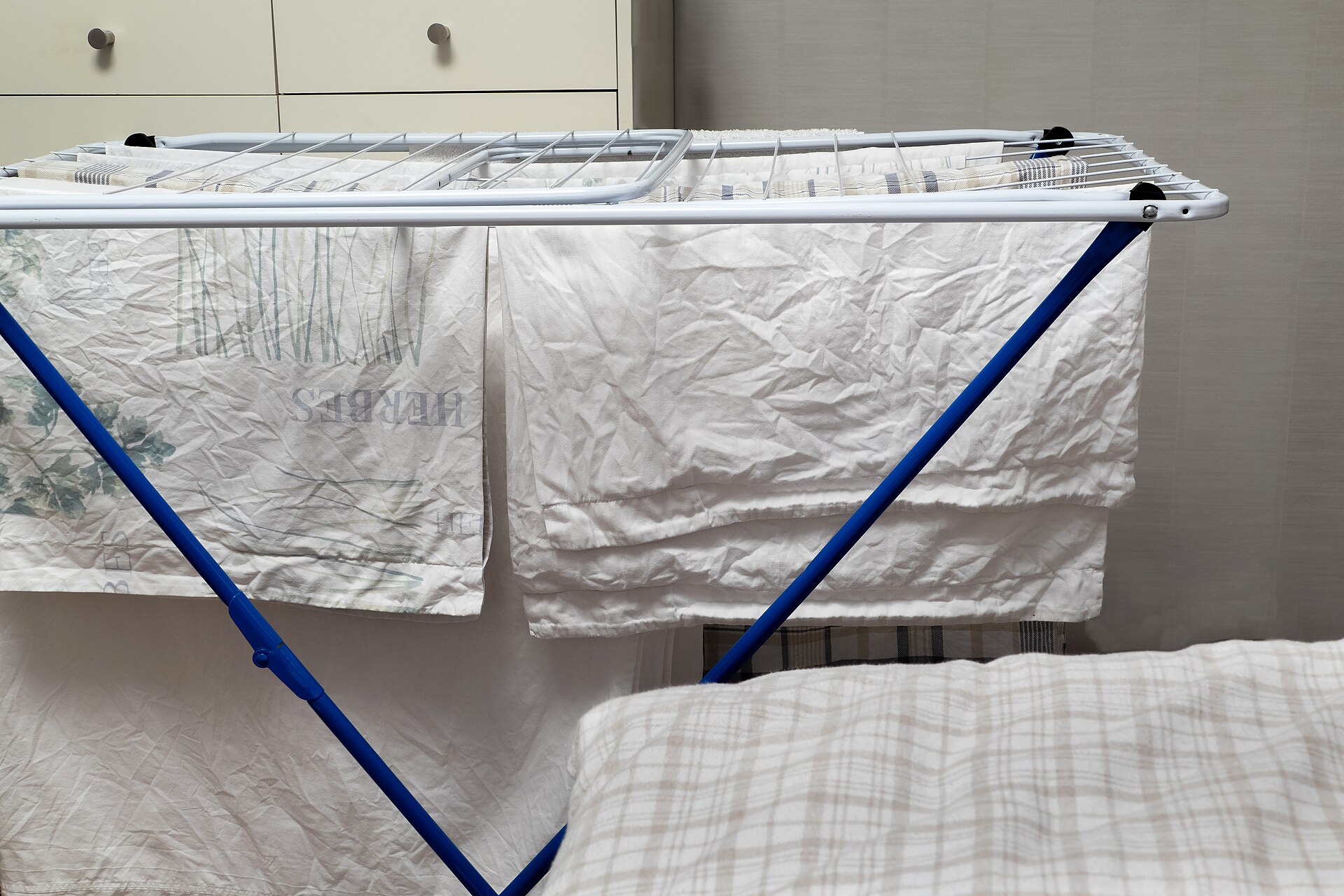
Every autumn the same claim circulates: heated airer 3p an hour, tumble dryer 60p, save £300 a year. The first half is roughly right. The conclusion is wrong for a lot of houses.
Run the numbers at 26.11p. A 300W heated airer over five hours uses 1.5 kWh, so about 39p a load. An old vented or condenser dryer chews through around 4.5 kWh for a full load – call it £1.17. That gap is real and it’s the reason heated airers sold out three winters running. The same arithmetic is why a decent air fryer under £100 pays for itself against an oven within a few months.
But a modern heat pump tumble dryer uses roughly 1.8 kWh for the same 8kg load. That’s about 47p. Eight pence more than the airer, and it takes two hours instead of eight, and – this is the part the 3p-an-hour posts never mention – it dumps the water into a tank instead of into your living room.
The same trick catches out people buying “eco” plug-in heaters every winter. We’ve done the sums on why there’s no such thing as a cheap-to-run electric heater, and what to buy instead.
Because that’s the hidden cost. A single wash load carries about two litres of water, and drying it indoors puts every drop of that into your air. In a well-sealed modern flat with the windows shut in November, that’s how you end up with black spotting on the window reveals and a mould problem that costs far more to fix than you saved on the dryer. We went through the actual numbers on this in our guide to dehumidifiers for damp, and the honest summary is that if you’re already running a dehumidifier to cope with indoor drying, your heated airer isn’t cheap any more – you’ve just moved the electricity to a different plug.
My position, and plenty of people will disagree: heated airers make sense in draughty older houses with decent ventilation and no dryer. In a small, airtight new-build flat, a heat pump dryer is the better buy even though it costs £450 and the airer costs £50. The running costs have converged. The damp risk hasn’t. If that’s your house, our best heated clothes airer under £100 test names the £79 Argos one that dries a load without steaming the room.
Smart thermostats: the £200 question nobody answers honestly
Hive, Nest and tado all sit somewhere between £150 and £220 fitted, and all of them advertise savings in percentages that would pay the unit back inside a year or two. Read the small print on those claims and you generally find they were produced or funded by the company making the thermostat, using modelled rather than measured households.
That doesn’t make them useless. It makes the payback much harder to predict than the box suggests.
The saving from a smart thermostat comes almost entirely from one behaviour: heating rooms less, at times when nobody’s in them. If your current setup is a mechanical timer you set in 2019 and a thermostat in the hall dialled to 22°C, a smart system with zoned radiator valves will probably cut your gas use noticeably, because it will stop heating the whole house so you can use the kitchen. If you already turn the heating off when you go out and you’ve already dropped to 19°C, the smart thermostat is buying you convenience and a nice app. Which is fine. Just don’t call it an investment.
The zoned valves are where the actual money is, and they’re the bit people skip because they cost £50-£70 per radiator. A four-radiator install adds £200 to £280 on top of the hub. That’s a two-winter payback at best, and only if you genuinely have rooms you can leave cold.
Smart plugs are a measuring tool, not a saving
A £12 energy-monitoring smart plug won’t reduce your bill by itself. What it will do is tell you the truth about a specific appliance, which is more useful than it sounds, because almost everyone is wrong about where their electricity goes. It is also the cheapest way to settle arguments about things people assume are expensive to run, including charging a commuter e-bike.
Stick one on the fridge-freezer for a week. If a fifteen-year-old under-counter unit is pulling 1.2 kWh a day, that’s £114 a year, and a new A-rated one paying for itself in four years starts to look sensible rather than indulgent. Stick one on the tumble dryer and you’ll learn whether the “eco” cycle is doing anything. Stick one on the games console the kids leave in rest mode. While you’re auditing the house’s ageing kit, pencil in one more job: the copper landline switches off for good in January 2027, and it’s largely the same older households affected.
Which brings us to standby, where the numbers being quoted at you are wildly inconsistent. You’ll see £65 a year, £100, and – from at least one firm selling energy monitors – £250. Which? has done the more careful version of this exercise and the honest answer for a typical home is closer to the bottom of that range than the top, because modern appliances are bound by standby power regulations that older ones weren’t. The exceptions are worth knowing: a games console left in rest mode, a desktop PC, a set-top box that never sleeps, and any device with a permanently lit display. A soundbar in standby is fractions of a penny; if you’re pricing one up, our pick of soundbars under £150 covers what actually matters, and it isn’t the standby draw. Same with a big telly – the panel technology in our sport TV guide under £500 makes far more difference on the meter than whether you switch it off at the wall.
Four energy saving gadgets not to buy
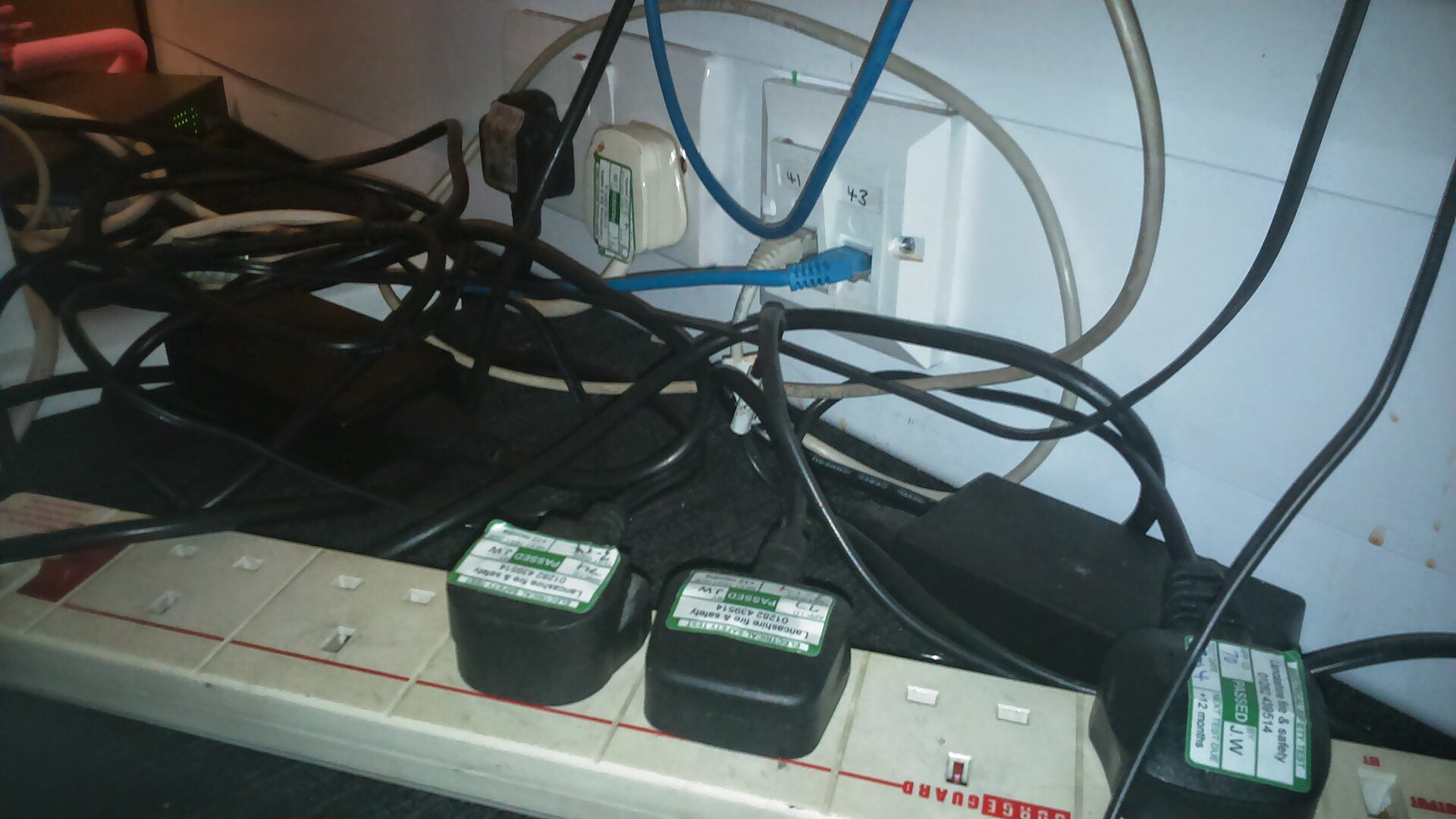
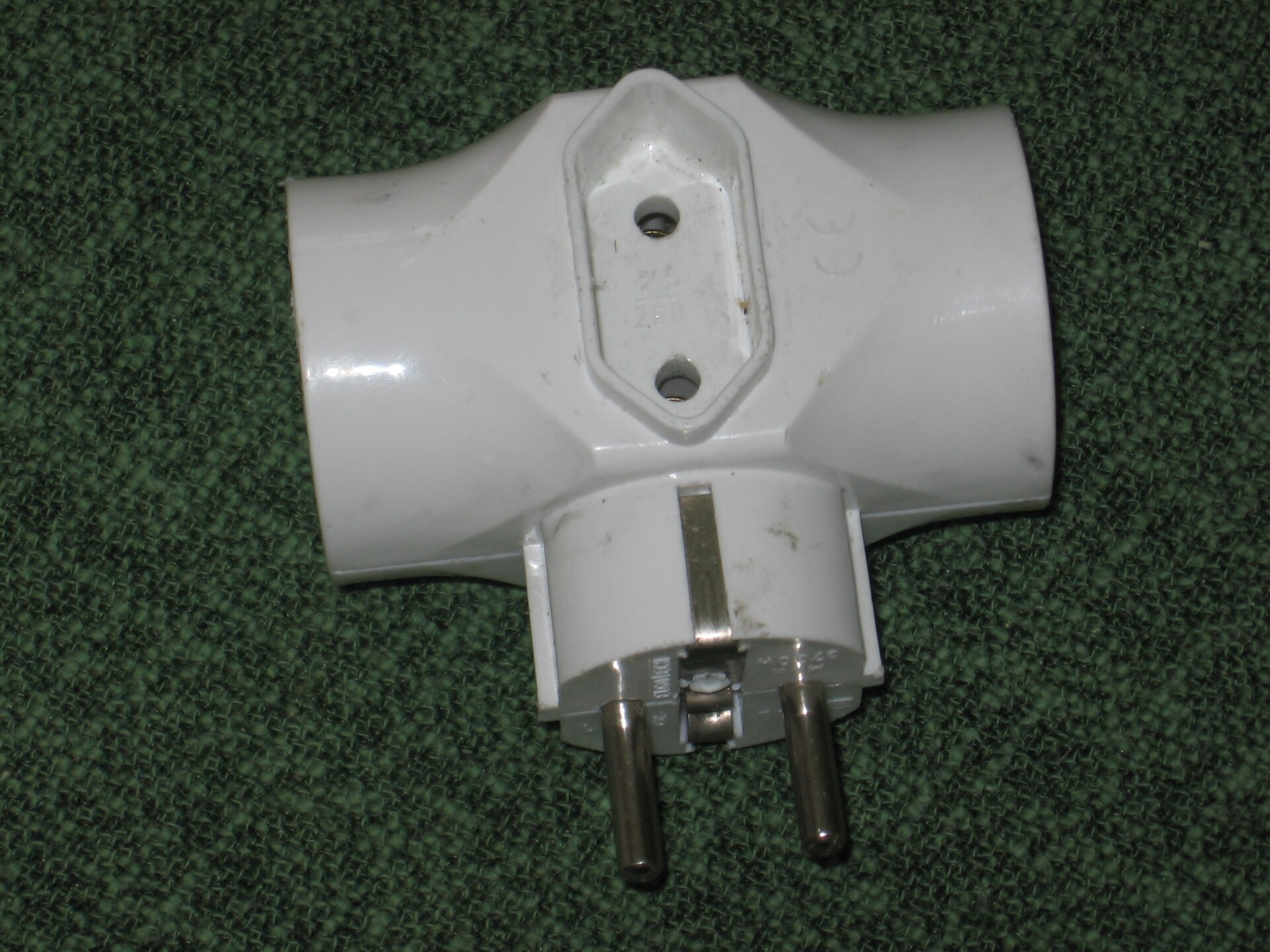
Plug-in “power savers” and voltage optimisers. Covered at the top. Which?’s investigation is the definitive read. Trading Standards teams in Buckinghamshire and Surrey have issued safety warnings about the same category of product. If a device claims to save you money by “stabilising voltage” without being wired into your consumer unit by an electrician, it does nothing at all.
The £70 eco kettle. Boiling a full 1.7 litres costs about 5p. Boiling one mug’s worth costs about 2p. The saving is 3p a boil, so five boils a day gets you to roughly £55 a year – which sounds like a case for the eco kettle until you notice you can get that entire saving by filling your existing kettle less. The gadget adds nothing the tap doesn’t already do.
Radiator boosters and fans. The small units that clip on top of a radiator and blow warm air into the room. They shift heat around faster; they don’t create any. In a room that’s already reaching temperature you’re paying for a fan to make a modest difference to how quickly it gets there. If the aim is warming a person rather than a room, an electric blanket at about 2p an hour beats every gadget in this list.
Anything sold to you in a WhatsApp forward in late August. Cap announcement week is the single best fortnight of the year for selling nonsense to worried people, and the marketplaces know it.
Where the real money is, if you own the place
None of the energy saving gadgets above touches the big lever, which is the fabric of the building. Loft insulation topped up to 270mm is still the highest-return retrofit in most British houses, and it’s the one where the Great British Insulation Scheme may cover some or all of the cost depending on your council tax band and EPC rating – worth checking before you spend anything else.
Cavity wall insulation is more complicated than the salespeople admit, especially on exposed western elevations where driven rain can bridge a filled cavity, so get a survey rather than a phone quote.
And if you’ve been thinking about a garden room, the insulation spec is where people economise and then regret it – a badly built garden office in January costs more to heat than the spare bedroom it replaced, which rather defeats the point. And if the garden around it took a battering this summer, our look at the drought tolerant garden covers the planting that came through it.
The summer version of all this is the same argument in reverse: we looked at what actually works to keep a house cool in a heatwave, and the cheap fixes beat the expensive ones there too. A £12 external blind outperformed a lot of things costing two hundred times more.
The four-item list, in order
If you do nothing else before 1 October:
- Turn your combi’s flow temperature to 60°C. Free, takes two minutes, saves roughly £70 a year.
- Spend £40 on draught proofing. Loft hatch, letterbox, internal doors, any unused chimney.
- Submit a meter reading on 30 September, so the pre-VAT-change and post-VAT-change electricity is billed correctly.
- Put a smart plug on your oldest appliance for a week and find out what it’s really costing.
That’s about £40 spent and something in the region of £120 to £200 a year back, depending on your house. No gadget in the “energy saving” aisle at Currys comes close to that ratio, and most of them won’t come close to zero.
Smart security kit has come down in price the same way – our pick of the best video doorbells under £100 shows how far the budget end has caught up.
With the October price cap rise now confirmed, the single biggest saver on this list is the one that controls the boiler: we’ve since compared the best smart thermostats under £150, including the subscription catch on the most popular box.
The thing I keep wondering, watching this cycle repeat every quarter: at what point does the standing charge become the story? £315 a year, before a single unit of electricity or gas, is a bigger number than almost everything discussed above – and it’s the one part of the bill no household in Britain can do anything about. What would you cut first if you could?