
Sleeper Trains in 2026: Every Night Service You Can Catch From the UK
The 23:30 out of Euston doesn’t feel like much when you board it. A quiet platform, a steward checking names off a tablet, a corridor narrow enough that you breathe in to pass someone. Then you wake up to a steward knocking with a bacon roll and coffee, pull the blind, and there’s a Highland glen sliding past the window. That’s the trick of the sleeper trains still running from the UK in 2026: the journey happens while you’re unconscious, and you arrive having spent the night travelling rather than the night in a Premier Inn near the airport.
In This Article
- The Caledonian Sleeper: London to Scotland, and the new Birmingham stop
- The Night Riviera: the cheaper, gentler one to Cornwall
- What a berth actually gets you (and where the romance frays)
- Caledonian vs Night Riviera: a quick head-to-head
- Going further: the night train back to the Continent
- The routes that quietly disappeared
- A few things to pack, and one thing to leave behind
- Booking without overpaying
- So which one’s for you?
Night trains were nearly written off a decade ago. They’re not now. Across Europe the network has been growing back, and 2026 is the year a UK traveller can, in theory, fall asleep in London and wake up most of the way to Berlin or Milan with one change. Whether that’s a good idea depends entirely on which service you pick and how much you’re willing to pay for a flat bed.
So here’s the honest version. What actually runs, what it costs, where the romance wears thin, and which of these is right for the trip you’ve got in mind.
The Caledonian Sleeper: London to Scotland, and the new Birmingham stop
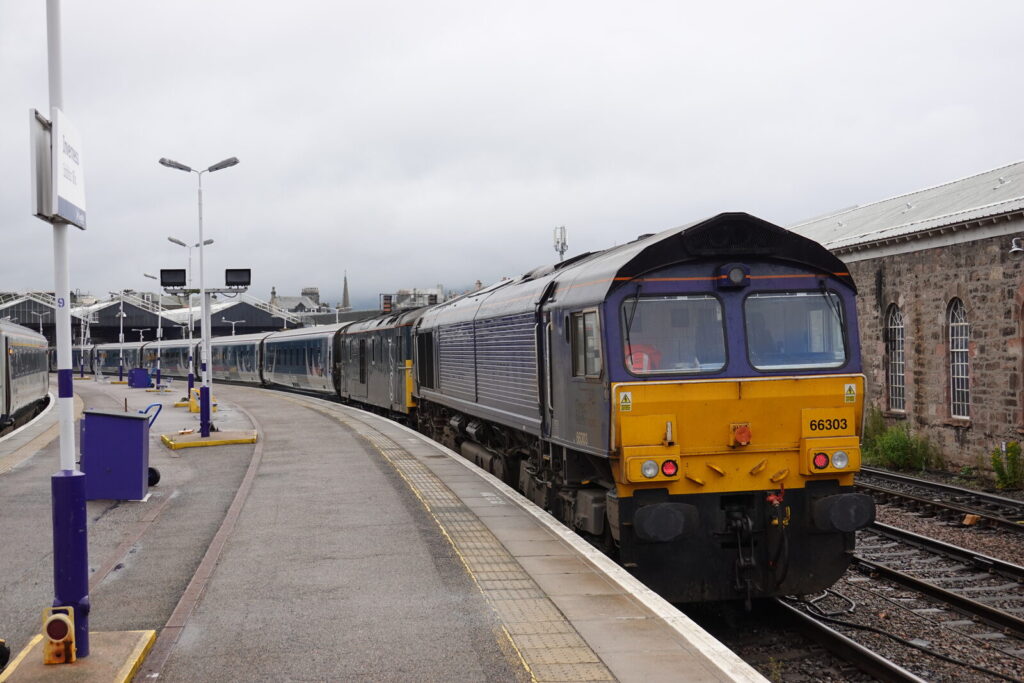
This is the big one. The Caledonian Sleeper leaves London Euston six nights a week (no Saturday departure) and splits into two broad services. The Lowland Sleeper divides at Carstairs, sending half the train to Edinburgh and half to Glasgow. The Highland Sleeper goes further and earlier, breaking up into portions for Inverness via Aviemore, for Aberdeen via Dundee, and for Fort William, which is one of the most scenic stretches of railway in Britain and worth staying awake for the last hour.
The change worth knowing about for 2026: since January the Highland portions now call at Birmingham International. That’s quietly a big deal. It means people across the Midlands can join a night train to the Scottish Highlands without first slogging down to London, which has never been possible on this service before.
Accommodation runs from a reclining seat at the cheap end up through Classic cabins, Club cabins with an en-suite loo and shower, and the Caledonian Double, which is a proper double bed and the closest a British train gets to a hotel room. The Club Rooms are the sweet spot. You get a real bed, a basin, somewhere to hang a jacket, and access to the Club Car, which serves haggis, a decent dram and breakfast. I’d happily do the Club Car over dinner at most motorway services.
And now the part the brochures skip. The cheapest seated option is a false economy. Sitting upright through the night in a carriage that stops and starts and shunts at Carstairs is not sleep, it’s endurance. If you can’t get a berth at a price you’ll stomach, you’re often better off on an early LNER train the next morning. The Sleeper makes sense when you book a cabin. Book a seat and you’ve paid for the worst night’s rest of your trip.
The Night Riviera: the cheaper, gentler one to Cornwall
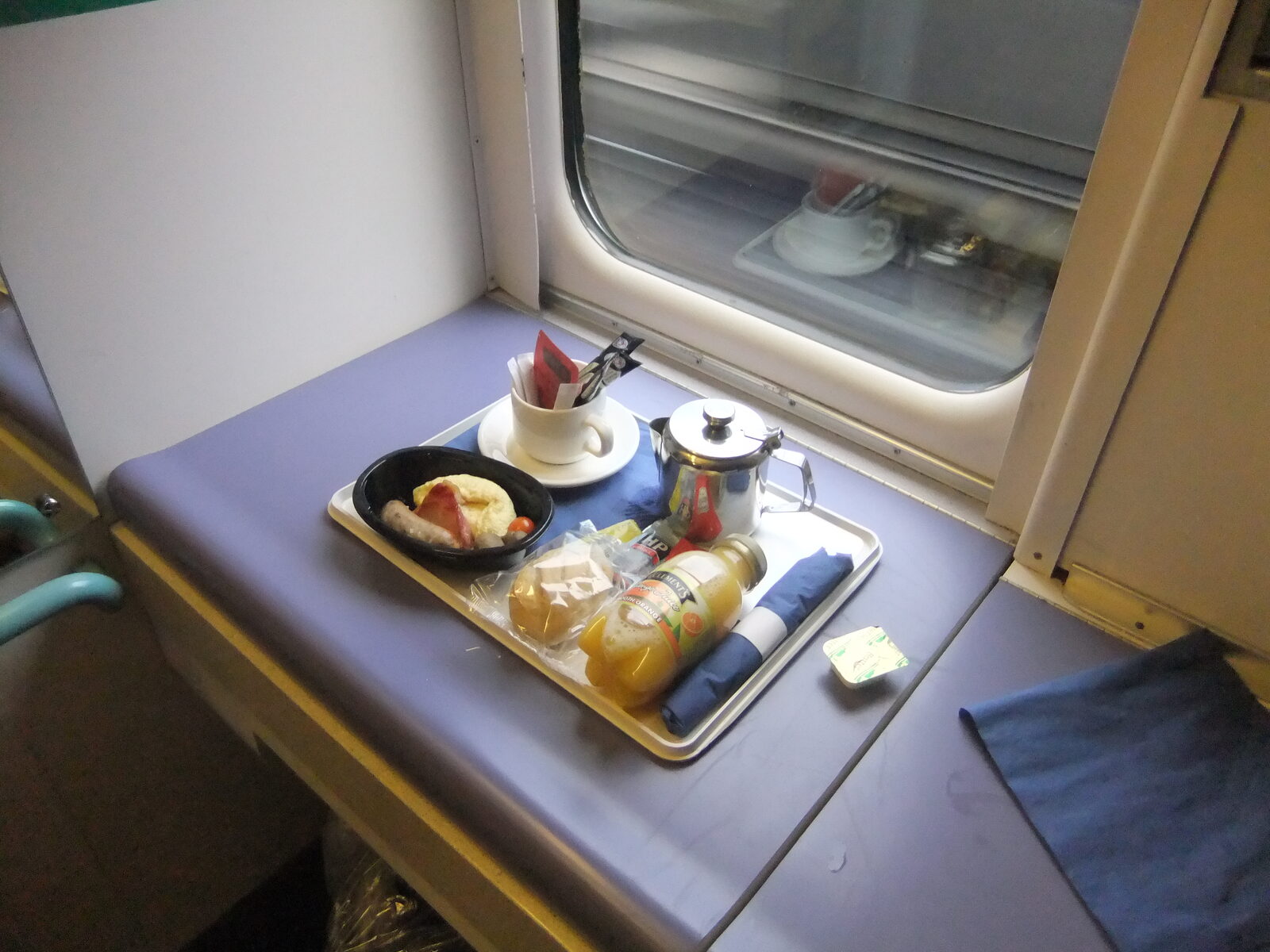
While Scotland gets the glamour, the Night Riviera is the sleeper I’d send a first-timer on. It runs from London Paddington down to Penzance, six nights a week, taking a little over eight hours and calling overnight at Plymouth, Truro and St Erth before the end of the line. You go to bed in zone 1 and wake up a short walk from the sea.
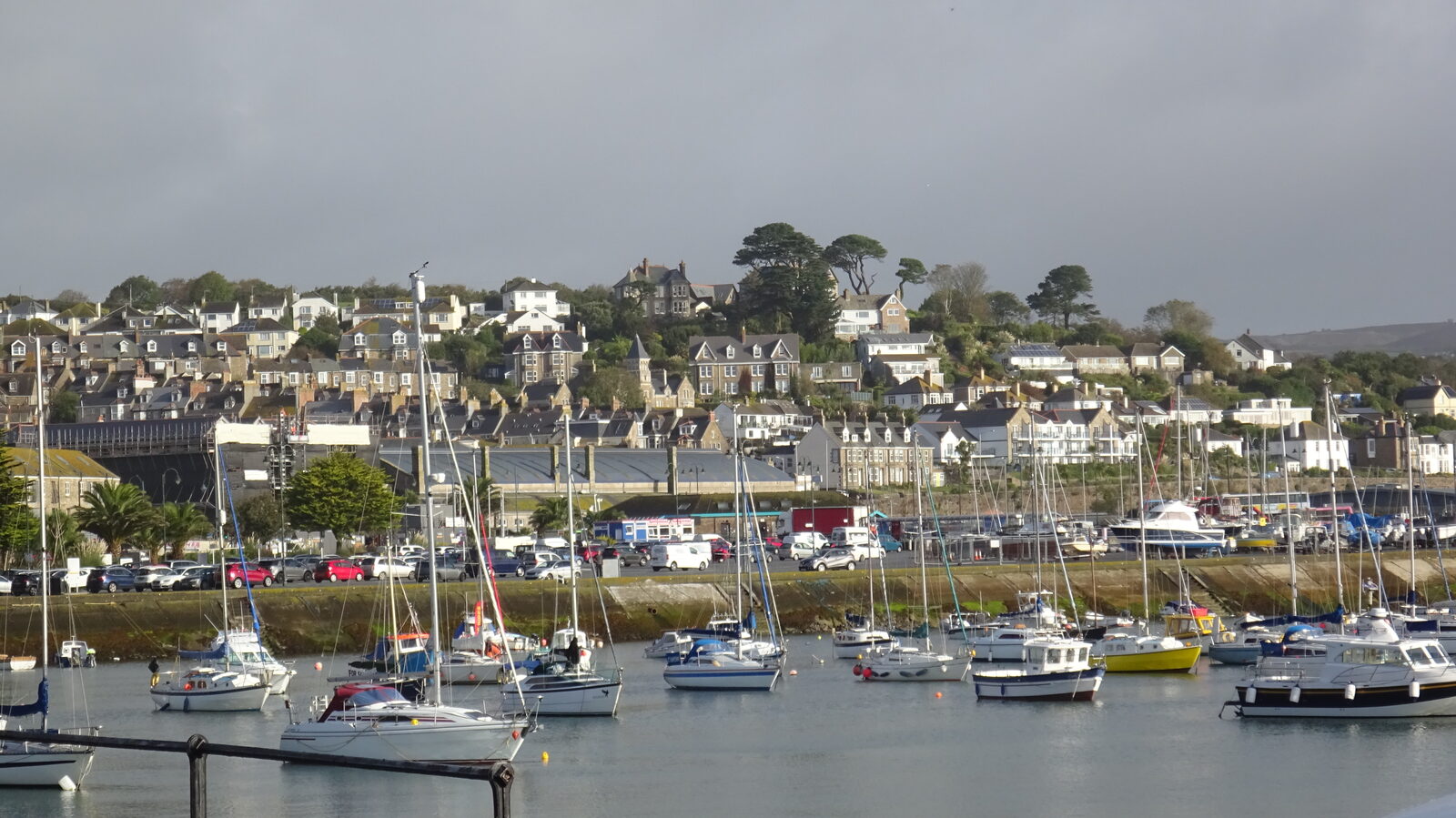
It’s also better value. Seated fares start around £25.50, and a twin-berth Standard cabin starts near £84, with prices topping out around £135 depending on the cabin and how far ahead you book. Compare that to the Caledonian’s top suites and the Cornish service feels almost modest, which suits it. There’s a lounge car, a basic breakfast, and a lovely, slightly old-fashioned calm to the whole thing.
One small tip from experience: ask for a cabin towards the front if you’re a light sleeper. The shunting and coupling at Plymouth in the small hours can wake you if you’re near the joins. And the so-called bargain seat applies here too – eight hours upright to Penzance is a long old night. Get the cabin, even the cheapest one.
What a berth actually gets you (and where the romance frays)
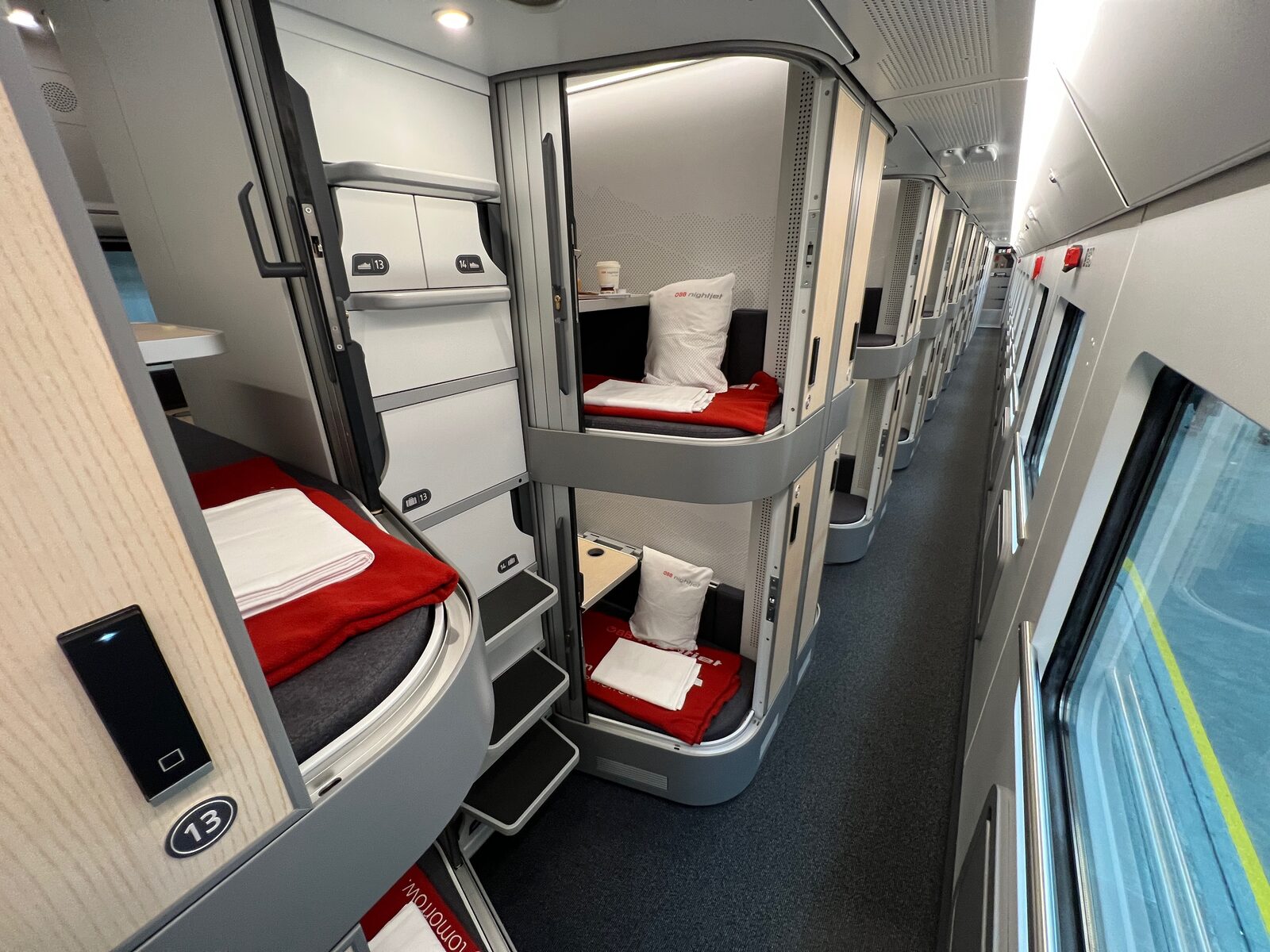
Let’s be straight about the experience, because the Instagram version oversells it. A standard sleeper cabin is small. Properly small. The bed is firm and narrow, the ceiling is close, and if you’re over six foot you’ll know about it. You’ll hear the rails. You’ll feel the stops. People who sleep badly in hotels tend to sleep badly here too, and no amount of complimentary shortbread fixes that.
Pack for it accordingly. A pair of noise-cancelling earbuds under £100 deals with the rail joints and the 3am shunting better than the free earplugs ever have.
What you’re buying isn’t luxury, it’s a swap. You trade a hotel night plus a daytime journey for a single overnight that does both jobs at once. Run the maths and it often works out level on cost, while handing you a full extra day at your destination. That’s the real case for the sleeper – not the wood panelling, not the dram, just time. You step off at 07:45 in Fort William or Penzance with the whole day ahead of you, rather than arriving knackered at teatime having burned a holiday day on a train.
Where it doesn’t add up: short hops you could fly cheaply, or any journey where you’d genuinely sleep better at home and catch the first train out. The sleeper is brilliant for long distances and rubbish for medium ones. Know which you’re booking.
Caledonian vs Night Riviera: a quick head-to-head
If you’re choosing between the two domestic services purely on the experience, they’re aimed at different people. The Caledonian is the bigger, plusher operation – more cabin classes, the Club Car with hot food and a bar, en-suite options, and a route that ends in genuinely dramatic country. It’s also the pricier one, and the one where the gap between the cheapest and most comfortable bookings is widest.
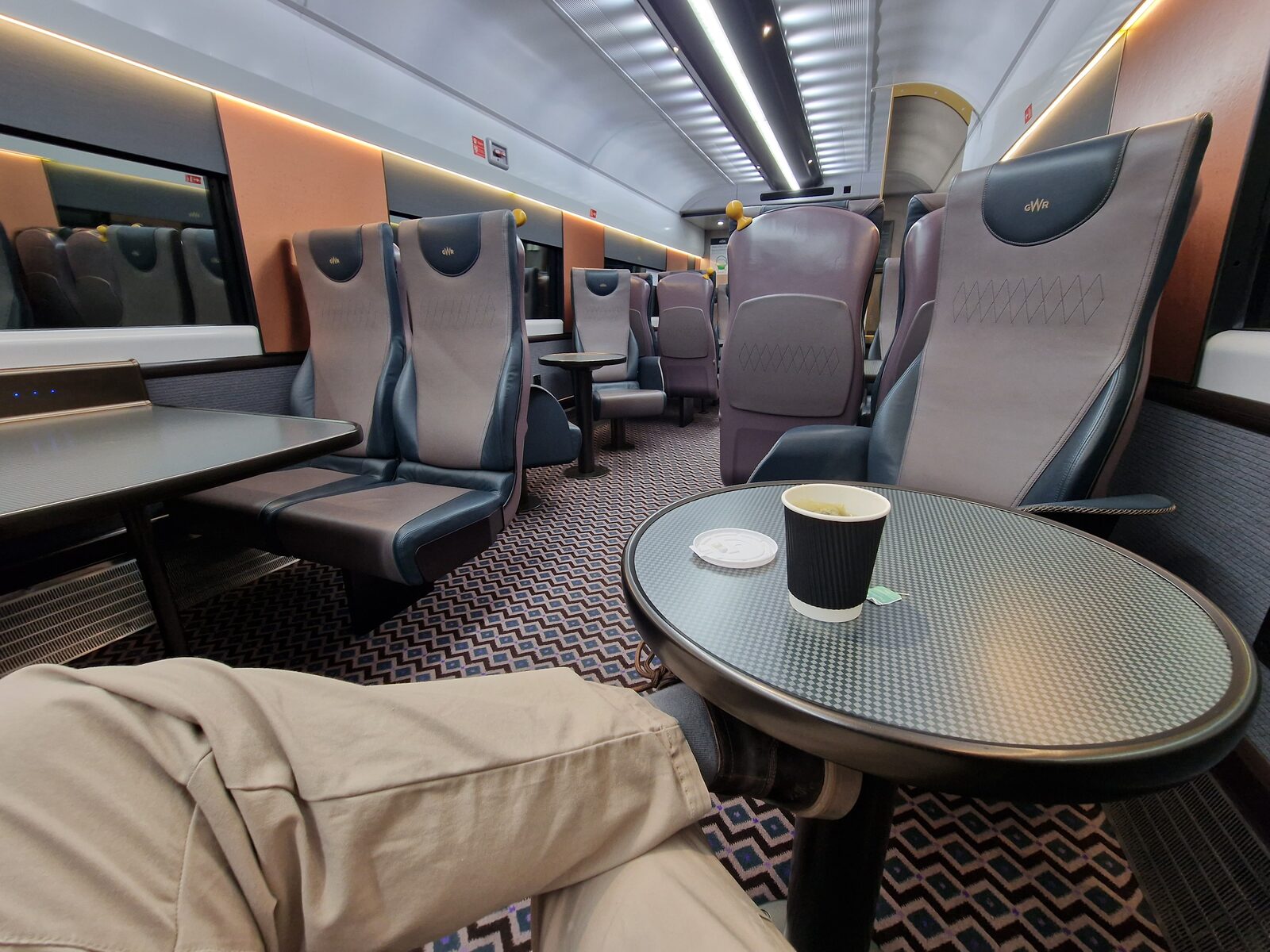
The Night Riviera is smaller, simpler and kinder on the wallet. There’s no shower in the cabins, the lounge is more buffet-trolley than brasserie, and the rolling stock is older. But it’s a softer introduction, it costs noticeably less, and Cornwall in the early light more than makes up for the lack of a power shower. For a couple wanting an occasion, Scotland wins. For a solo traveller or anyone cost-conscious, Cornwall is the smarter first booking.
Families fall somewhere in between. A twin cabin sleeps two, so a family of four needs two cabins on either service, and the bill adds up fast. At that point a daytime train and a self-catering let can work out cheaper, even if it costs you the novelty.
Going further: the night train back to the Continent
This is the bit that’s changed most. For years, getting from Britain onto a European night train meant flying to a hub first, which rather defeated the point. In 2026 the connections finally line up. European Sleeper launched a Paris-Brussels-Berlin service on 26 March, running a few nights a week and routed through Brussels – which matters, because Brussels is a straight Eurostar hop from London St Pancras. Take an afternoon Eurostar, have dinner in Brussels, and roll into a Berlin morning. The same hop is the backbone of a Christmas market break now that Eurostar runs direct to Antwerp and has a £39 seat.
And from 18 June, European Sleeper added a Brussels and Amsterdam to Milan route with a stop in Bern, putting northern Italy within a Eurostar-plus-one-night reach of the UK. For anyone trying to do a flight-free summer without losing days to travel, that’s the most useful single addition to the map in years.
A word of warning before you get carried away: the new EU border system has changed the routine at Eurostar check-in, so build in more time than you used to. We’ve covered what that means for UK travellers in our guide to the EU Entry/Exit System, and it’s worth reading before you cut a connection fine. A missed Eurostar is a missed night train, and night trains don’t run hourly.
The routes that quietly disappeared
Now the part the cheerful trend pieces skip. The night train revival is real, but it isn’t all expansion. The 2026 timetable lost around ten lines, including several well-liked ÖBB Nightjet routes and the epic Stockholm-Narvik run, one of the longest sleeper journeys in Europe and a genuine loss for anyone who’d dreamed of doing it.
The picture, then, is messier than the headlines suggest. New private operators are adding routes that connect well with the UK, while the big incumbent has trimmed some of its network where the numbers didn’t hold up. Plan around what’s actually running this year, not what a map from 2023 showed. The independent trackers at Back-on-Track keep an up-to-date map, and Mark Smith’s Seat 61 remains the single most reliable source for British sleeper bookings – he explains the fare quirks better than the operators do.
A few things to pack, and one thing to leave behind
Small comforts make a disproportionate difference on a train. Earplugs and an eye mask are non-negotiable if you sleep lightly – the cabins have blinds, but corridor light leaks in and the announcements at intermediate stops can be brisk. A phone on a lanyard or a small clip light beats fumbling for the cabin switch at 3am. And a refillable water bottle, because the cabins get warm and the tap water situation varies.
The thing to leave behind is the expectation of a full eight hours. Even good sleepers tend to surface a few times. Treat it as a long, broken rest rather than a proper night, and you’ll step off pleasantly surprised rather than disappointed. Go in expecting hotel-grade sleep and the firm mattress and the rhythm of the rails will let you down every time.
Booking without overpaying
Sleeper fares move like flight fares. They open twelve months ahead, the cheapest berths sell first, and prices climb as the train fills. A few things that genuinely save money: travel Monday to Thursday rather than Friday or Sunday, avoid school holidays and peak summer where you can, and book the moment your dates are fixed rather than hoping for a late deal that rarely comes.
For the Caledonian Sleeper, the Comfort and Club cabins at the lowest released price are the bookings to chase. Miss those and the gap to the next fare band is steep. The Night Riviera is more forgiving and cheaper across the board, which is partly why I keep recommending it to people testing whether the sleeper thing is for them at all.
If you’re building a longer trip, the sleeper pairs well with the slower kind of UK holiday rather than a city dash. Wake up in Penzance and you’re set up for the coast – our roundup of the best UK seaside towns for 2026 leans heavily on the southwest for a reason. North of the border, the Highland Sleeper drops you within reach of the kind of quiet boltholes we flagged in our UK hideaway hotels under £200 piece. And if you’re heading on to the Continent, sort your data before you go with an eSIM for European travel so you’re not hunting for wifi at a foreign station at 6am.
So which one’s for you?
If you want the showpiece journey and the Highland scenery, and you’ll pay for a proper cabin, the Caledonian Sleeper is the one – just never the seat. If you want to dip a toe in cheaply, take the Night Riviera to Cornwall and see whether you actually sleep on a train before committing to anything grander. And if you’re chasing a flight-free European summer, the new European Sleeper links via Brussels have made that genuinely doable for the first time in a long while.
The night train isn’t a museum piece any more. It’s a real, slightly imperfect, often charming way to cross long distances while you’re asleep. The question worth sitting with is a simple one: which morning would you rather wake up to – a glen, a Cornish harbour, or a German breakfast?