
Salicylic Acid for Blackheads UK: The BHA That Actually Clears Pores
Most of the “blackheads” on your nose aren’t blackheads. They’re sebaceous filaments – the grey-ish dots that live in every pore on the nose and chin, that you can squeeze out on a Sunday night and that are back, in full, within about a month whatever you do. Real blackheads are darker, wider, fewer, and sit slightly proud of the skin. Knowing the difference matters, because salicylic acid for blackheads is one of the few things in a Boots aisle with decades of evidence behind it, and it still disappoints half the people who buy it. Usually for one of two reasons: they’re treating filaments they were never going to get rid of, or they’re using it every day until their face gives up.
In This Article
- What salicylic acid actually does inside a blackhead
- Four things the internet gets wrong about salicylic acid
- The strengths and formats that earn their place
- How to slot salicylic acid for blackheads into a UK routine
- What to expect, week by week
- Salicylic acid for blackheads vs the alternatives
- Chest, back and shoulders
- Who should give salicylic acid a miss
- How to spot a product that actually works
- The bigger picture
Two or three nights a week. A 2% leave-on. The T-zone only. That’s the whole method, and the rest of this piece is about why.
What salicylic acid actually does inside a blackhead
A blackhead isn’t dirt. It’s a pore packed with sebum and dead skin cells, with the top oxidised by the air, which is what gives it that dark colour. Scrubbing harder won’t shift it – the plug sits below the surface, inside the follicle, and physical exfoliants only reach the top layer.
Salicylic acid is a beta hydroxy acid (BHA), and unlike the glycolic and lactic acids that dominate UK shelves, it’s oil-soluble. That one chemical difference is the entire reason it works on blackheads where AHAs often don’t. It can travel down through sebum into the pore, loosen the bonds holding dead cells together, and free the plug from the inside. Glycolic and lactic acid are water-soluble, so they work well on surface texture and dullness but never really get inside a clogged pore. If you’ve spent two years layering glycolic toner on your nose and wondering why the blackheads remain, this is why.
It also has a mild anti-inflammatory effect, which is useful when those blackheads are starting to turn into something redder and more painful. The NHS lists salicylic acid among the ingredients in over-the-counter acne products, and UK dermatologists routinely suggest it for mild comedonal acne before stepping up to prescription retinoids.
Four things the internet gets wrong about salicylic acid
“Stronger is better.” UK and EU cosmetics rules cap salicylic acid at 2% in leave-on products (rinse-off hair products can go to 3%). Anything sold here claiming more is either a wash-off, a prescription, or being economical with the truth. And the 2% ceiling isn’t a problem – trials on comedonal acne have used 0.5% to 2%, and the extra irritation above that outweighs any extra benefit, especially on the thin skin round the nose where most blackheads live. Watch for the labelling trick, too: COSRX’s popular “4% BHA” liquid is 4% betaine salicylate, a gentler derivative, which works out at very roughly the strength of a 1-2% salicylic acid. Good product, misleading number.
“If it tingles, it’s working.” It isn’t. A 2% BHA at the right pH should feel like nothing much. Stinging means your barrier is already compromised, usually because you’ve been stacking it with a retinoid or an AHA, and the sensible response is to stop for a week, not push through.
“Pore strips plus BHA finishes the job.” Pore strips rip out the very top of the plug and the filaments around it, leave the rest behind, and the pore refills in days. Worse, they take a layer of skin with them, which makes the BHA sting. Skip them. The same goes for those suction “blackhead vacuums” that did the rounds on TikTok – I tried one last winter and had a bruise on my nose for a week.
“It thins your skin.” The opposite of the evidence. Exfoliating acids used sensibly speed up cell turnover; they don’t strip the dermis. What does damage skin is daily use of an acid, on top of a retinoid, on top of a foaming cleanser, with no moisturiser – which is the routine an alarming number of 20-somethings have assembled from short-form video.
Pairing an exfoliating acid with a brightening step is common practice, but the wrong vitamin C formula can undo the calming work salicylic acid does – our guide to the best vitamin C serums for sensitive skin flags which ones are gentle enough to layer in.
The strengths and formats that earn their place
Three formats do the real work, and they’re not interchangeable.
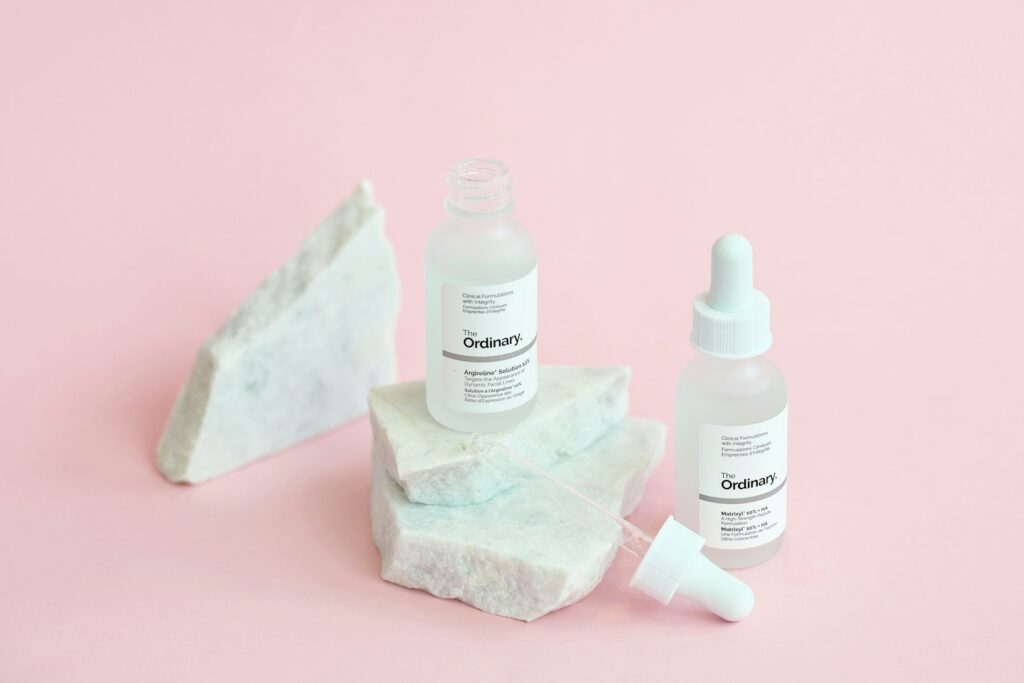
Leave-on liquids and serums (1-2%). The workhorse. Applied to clean, dry skin a few nights a week, they sit long enough to penetrate. Paula’s Choice 2% BHA Liquid Exfoliant is the benchmark and has been for a decade; The Ordinary’s Salicylic Acid 2% Solution does similar work for a fraction of the price, though it’s a runnier, less elegant thing to use.
Cleansers (0.5-2%). Gentler because they rinse off, but the contact time is under a minute, so treat them as maintenance rather than the main event. CeraVe SA Smoothing Cleanser and La Roche-Posay’s Effaclar range are the reliable picks, and the CeraVe is the one I’d hand to a teenager.
Targeted spot treatments. Small dabs on individual blemishes. Useful if your skin is otherwise calm and you only flare in one zone.
| Product | Strength and format | Typical UK price | Best for |
|---|---|---|---|
| Paula’s Choice Skin Perfecting 2% BHA Liquid Exfoliant | 2% leave-on liquid | £35 for 118ml (£12 travel size) | The benchmark – persistent nose and chin blackheads |
| The Ordinary Salicylic Acid 2% Solution | 2% leave-on serum | About £6 for 30ml | Same active, tight budget, T-zone only |
| CeraVe SA Smoothing Cleanser | Salicylic acid cleanser with ceramides | About £13 for 236ml | Daily maintenance, teens, sensitive skin |
| La Roche-Posay Effaclar Purifying Foaming Gel | Rinse-off cleanser for oily skin | About £14 for 200ml | Oily skin that wants a proper foaming wash |
| The Inkey List Salicylic Acid Cleanser | 2% salicylic acid cleanser | About £10 for 150ml | Cheapest decent cleanser option |
Ignore the price tag as a quality signal. The active is cheap to formulate. What you’re paying for at the top end is texture, a nicer bottle and an ad budget, and some of the worst salicylic acid products on the UK market sit at £45.
How to slot salicylic acid for blackheads into a UK routine
The single biggest reason salicylic acid disappoints people is that they use it like a cleanser, morning and night, until their skin packs it in. Two or three nights a week is enough for most people. Oilier, properly acne-prone skin may tolerate four. Daily use is rarely necessary and often counterproductive.
A sensible weeknight looks like this: cleanse, pat dry, apply the leave-on to the areas where blackheads actually live (usually the T-zone, sometimes the chin), wait a couple of minutes, then a fragrance-free moisturiser. On the off nights, use a barrier-supporting moisturiser instead, or a retinoid if you already use one – but never salicylic acid and a retinoid on the same night unless your skin has been trained to take it. If you’re the type who likes an occlusive layer at night, slugging over a fresh acid application is a bad idea; keep it for the recovery nights.
SPF the next morning is non-negotiable. Salicylic acid doesn’t cause photosensitivity in the dramatic way some labels imply, but freshly exfoliated skin burns more readily than thickened, congested skin, and the UK’s UV index can still hit 3 or 4 in early September. A daily facial sunscreen protects the work the BHA does overnight – and if you’re still relying on the SPF in your moisturiser, our SPF moisturiser versus sunscreen piece explains why that’s usually not enough.
If you’re also using glycolic, lactic or mandelic acid, alternate nights rather than stacking them. Our piece on mandelic acid in UK skincare walks through how to layer AHAs without overdoing it; the same logic applies to BHAs.
What to expect, week by week
This is the part nobody puts on the box, and it’s why people give up at day ten.
Week 1-2. Not much visible change. Some people get a short flurry of small spots in the treated zone as plugs loosen and come to the surface – annoying, but it’s the product working, not a reaction. Genuine reactions look different: redness, tightness, stinging on contact, flaking across the cheeks. If you get those, you’re using it too often or layering it with something else.
Week 3-4. The nose starts to look and feel smoother, particularly in the morning. Existing blackheads look smaller and lighter because the oxidised top is being cleared. This is the point at which it’s tempting to go daily to speed things up. Don’t.
Week 6-8. Where the real result sits. Trials on comedonal acne generally measure at eight to twelve weeks for a reason – that’s how long it takes for the pore’s contents to turn over. Persistent blackheads are noticeably fewer; the ones that remain are the deep, old ones that may need a retinoid or a professional extraction.
And then you keep going. Salicylic acid manages blackheads; it doesn’t cure them. Stop, and the plugs are back within six to eight weeks, because your pores are still producing sebum at the same rate. Two nights a week, indefinitely, is the realistic deal.
Salicylic acid for blackheads vs the alternatives
Salicylic acid isn’t the only ingredient that works on congested pores, and for some skin types it isn’t the best choice.
Retinoids (retinol, retinal, adapalene). The long-term gold standard for acne and pore clearing, but slower and harder to tolerate. If you have moderate acne rather than just blackheads, a retinoid is probably a better starting point than a BHA. Our breakdown of retinal versus retinol covers which strength suits which skin.
Azelaic acid. Better for inflamed bumps, redness and post-blemish marks than for the classic open blackhead. Worth knowing about if your skin is reactive and salicylic acid stings – our azelaic acid guide goes into who it suits.
Niacinamide. A partner rather than an alternative. It regulates oil and reduces the look of pores, but it won’t clear an existing plug. Use it on the off nights.
Benzoyl peroxide. Excellent on inflamed spots, largely irrelevant for blackheads, and it bleaches towels. Different job.
Pore strips, scrubs and vacuums. See above.
Chest, back and shoulders
Body blackheads respond to the same ingredient, and because the skin is thicker you can be less precious about frequency. A salicylic acid body wash used most days, or a 2% leave-on spritzed on the shoulders after a shower, does the job – and the same approach is what shifts the bumpy congestion on the tops of the arms and thighs, which we covered in our strawberry legs piece. Give it longer than the face. Eight weeks minimum.
Who should give salicylic acid a miss
Salicylic acid is well tolerated by most adult skin, but it’s not for everyone. The British Association of Dermatologists’ patient guidance on acne is clear that very sensitive skin, broken skin or active eczema should be seen by a clinician before you add actives at home.
If you have rosacea, salicylic acid is usually too stripping; the same goes for skin that flares with menthol, fragrance or alcohol. Our piece on rosacea triggers in the UK goes deeper on what to avoid.
Pregnant or breastfeeding readers should skip leave-on salicylic acid as a precaution; low-percentage wash-off cleansers are generally considered fine, but check with your midwife or GP if in doubt. Children under 12 shouldn’t use it without medical advice. And anyone allergic to aspirin should avoid salicylic acid entirely – they’re chemically related, and the reaction can be more than a bit of redness.
How to spot a product that actually works
Marketing copy is no help here. A few filters save money.
Look for the percentage stated clearly – 1% or 2% for a leave-on, 0.5-2% for a cleanser. If a brand is coy about the strength, assume it’s too low to do anything. Check where salicylic acid sits on the ingredients list; it should be reasonably high, not buried after the fragrance. Favour formulas that pair the acid with something soothing – niacinamide, panthenol, allantoin, centella, ceramides. That’s the difference between a product that works for three weeks and one you can keep using for three years. Avoid leave-ons with denatured alcohol high on the list or a heavy fragrance; you’ll feel it in your barrier within a week.
One more, and it’s my contrarian one: the 2% BHA everyone recommends is, for a lot of people, too much product for the problem. If your only issue is a scattering on the nose, a 2% cleanser two or three times a week plus a decent moisturiser will get you 80% of the way for under a tenner, and you can escalate to the leave-on only if that stalls. Skincare social media has a habit of prescribing the full routine for the smallest complaint.
The bigger picture
Salicylic acid has a stronger, older evidence base than almost anything else on the shelf, and for one specific job – the small, persistent blackheads that congregate on the nose and chin – very little else does it as efficiently. The mistake is treating it as a daily, full-face workhorse rather than a targeted, two-or-three-nights-a-week tool. Use it that way, pair it with a barrier-friendly moisturiser and a proper SPF, and you’ll see results in six weeks rather than never.
If you haven’t got a routine that works yet, start with the skincare routine for beginners framework, then add a BHA once your basics are stable.
What’s your blackhead pattern – all year round, or only when the weather turns? Tell us in the comments.
Worth reading next: if you’re building an autumn routine, our scalp sunscreen UK guide covers the formats, the application maths and the spots most people miss.





Useful timing, mine come back every spring like clockwork the second I start cycling to work properly. Been using a 2% leave-on toner about three nights a week and the difference is real but I’d be curious if anyone has had luck pairing it with niacinamide on the same night, or whether it’s really a do-them-on-alternate-nights situation?
I’ve layered niacinamide and a 2% BHA in the same routine for about a year and my skin’s been fine, but I do put the BHA on first, wait 10-15 mins, then niacinamide on top – never had any irritation that way. Alternate-nights is probably safer if you’re new to acids though. Diet of cycling-induced sweat sounds suspiciously like mine.