Ashwagandha Benefits in 2026: The 12-Trial Verdict on Britain’s Favourite Stress Herb – and Why Denmark Banned It
Pool the best trials of ashwagandha and something odd falls out. The herb does lower cortisol – by a decent margin, and more reliably than most supplements manage for anything. But when a 2025 meta-analysis looked at how stressed the same participants said they felt, it found no difference from placebo. The stress hormone went down. The stress didn’t. The same tension – measurable biology, muddier benefit – runs right through our audit of immune-boosting supplements.
In This Article
- How a 3,000-year-old root ended up in the chilled drinks aisle
- The ashwagandha benefits with real trials behind them
- Cortisol down, stress unchanged – the finding nobody puts on the label
- Eight weeks on it: a sample size of one
- The gym-floor claims are the weakest of the lot
- Why Denmark banned it – and what the liver reports say
- If you’re going to take it anyway
That gap – between what the root does to a blood test and what it does to your Tuesday – is the most useful thing to know about the ashwagandha benefits printed on a million tubs, gummies and chilled cans this year. It’s also the part almost nobody selling it will mention.
So before you commit £25 a month to a Sanskrit root extract, here’s where the evidence sat as of this summer – and why one EU country won’t let its shops sell the stuff at all.
How a 3,000-year-old root ended up in the chilled drinks aisle
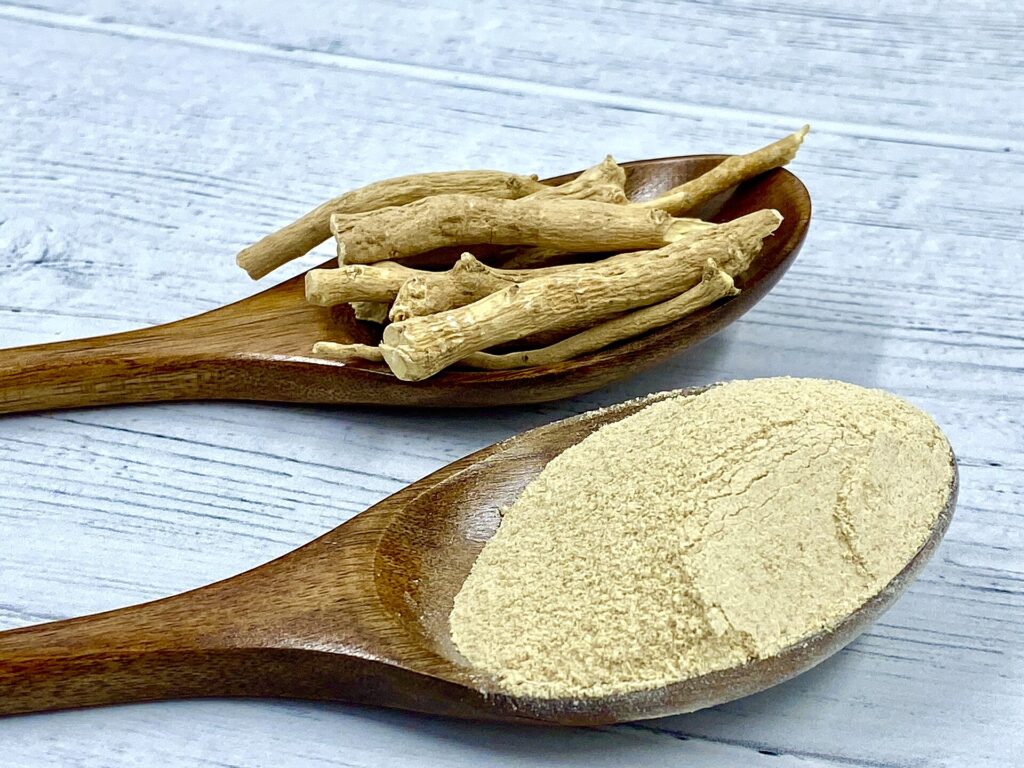
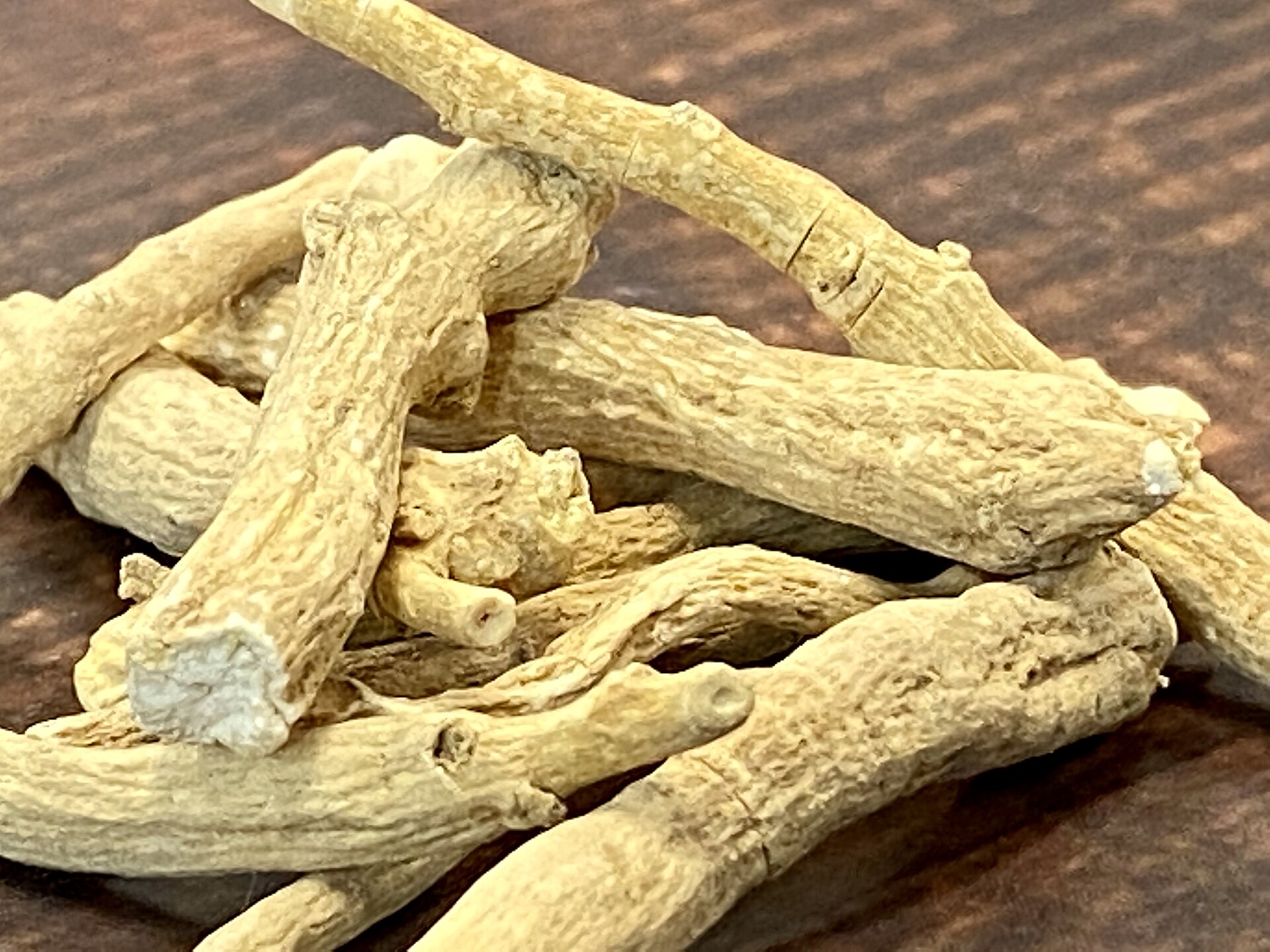
Ashwagandha is Withania somnifera, a shrub in the nightshade family with around three millennia of use in Ayurvedic practice. The name translates, unflatteringly, as “smell of horse”. Traditional preparations used the whole root; modern supplements use concentrated extracts of it, standardised to active compounds called withanolides.
Its journey from Ayurvedic clinic to British high street took about five years. The stress-supplement market boomed after 2020, TikTok discovered cortisol, and ashwagandha slotted neatly into both stories. It’s now in Trip’s canned drinks in the Tesco chilled aisle, in gummies stacked by the till at Holland & Barrett, in “recovery” blends aimed at lifters, and in roughly half the sleep formulas on the shelf. The same stores that will sell you a £97 pouch of greens powder now give this one root its own section.
The timing of its rise makes sense. Britain keeps buying calm in whatever format it’s offered: sleep teas, weighted blankets, magnesium sprays, meditation apps with orca noises. Ashwagandha arrived with better branding than most and a genuine research trail behind it, and it landed with everyone from lifters to menopause forums to students – this week’s A-level results crowd included. Once a can with ashwagandha in it sits in a supermarket chiller, the herb has stopped being alternative medicine. It’s a grocery.
And unlike a lot of what sits beside it, ashwagandha has actual randomised controlled trials behind it. That’s what makes it worth taking seriously. The trials exist; they’re just smaller, shorter and stranger than the marketing lets on.
The ashwagandha benefits with real trials behind them
The study that built the modern market is Chandrasekhar et al., 2012: 64 chronically stressed adults in India took 300mg of root extract twice a day for 60 days. Stress scores fell sharply and serum cortisol dropped by around 28% against placebo. Striking numbers – from one small, single-site trial in a field where extract manufacturers fund much of the research.
Since then the evidence base has grown, though not by as much as the shelf space suggests. A 2022 meta-analysis in Phytotherapy Research pooled 12 trials with roughly 1,000 participants between them and found measurable improvements on anxiety and stress scales. The catch: the trials used different doses, different extracts and different questionnaires, ran for six to twelve weeks, and several came from the same handful of research groups. The authors flagged the inconsistency themselves.
Sleep follows the same shape. A 2021 pooled analysis of five trials covering 400 people found a small but real improvement in sleep quality – clearest in people with diagnosed insomnia taking 600mg a day for at least eight weeks. For everyone else the effect shrank towards nothing. If that pattern rings a bell, it’s the same one we found when we looked at magnesium for sleep, a national habit resting on trials of 151 people.
Worth pausing on what those trials actually measured, too. Almost all of them recruited people who were already stressed or anxious, often formally screened for it. None followed anyone beyond about three months. So even the positive findings describe a narrow situation: a stressed adult, taking a standardised extract, for a couple of months. Whether it does anything for a basically fine person taking a gummy indefinitely – which describes most actual buyers – has never seriously been tested.
So the honest summary reads: a mild anti-anxiety effect that’s probably real, a small sleep benefit if your sleep is genuinely poor, and a reliable drop in measured cortisol. Not nothing. But a long way from “nature’s Xanax”, a phrase I’ve now seen used without irony twice this month.
Cortisol down, stress unchanged – the finding nobody puts on the label
Now the strange bit. A 2025 systematic review and meta-analysis split the outcomes apart and found ashwagandha lowered cortisol clearly – but made no significant difference to how stressed people said they felt. The biomarker moved. The experience didn’t.
There are a few possible readings of that result. Maybe the questionnaires are too blunt an instrument. Maybe eight-week trials are too short to shift how a life feels. Or maybe – and this is the reading I lean towards – lowering cortisol just isn’t the same thing as feeling better, because cortisol was never the villain the wellness internet decided it was. It gets you out of bed in the morning. It mobilises energy when you need to perform. A number drifting downwards on a lab report you’ll never see tells you very little about your actual week, and treating a healthy hormone as a problem to be medicated is how you end up buying answers to questions nobody asked.
We covered this territory in our piece on the cortisol detox myth, and ashwagandha has become that trend’s supplement wing: a product for treating a blood value most buyers have never had measured and wouldn’t know how to interpret if they did.
If you can’t feel the difference and you’ll never see the test, what exactly are you paying for?
Eight weeks on it: a sample size of one
I took ashwagandha for eight weeks last autumn – 600mg of a KSM-66 product each evening, mostly because I was tired of writing about it secondhand. Weeks one to three: nothing. Around week four I noticed I was dropping off faster, though I’d also stopped doomscrolling in bed that same fortnight, which rather muddies the data. By week eight I’d have described myself as slightly more level. Not calmer, exactly. Harder to spike.
Then I stopped, and noticed nothing much in the other direction either. No rebound, no missing it. Which is roughly what a small effect looks like from the inside: deniable in both directions. An n of 1 settles nothing, obviously – but it matched the trials far better than it matched the testimonials.
The gym-floor claims are the weakest of the lot
Ashwagandha’s second life is as a lifting supplement – testosterone, strength, recovery. The evidence here thins out fast.
The testosterone studies people cite are small: trials of under 60 men, mostly eight to sixteen weeks, showing modest hormonal shifts of the kind that bounce around with sleep and body fat anyway. The strength findings come from similar-sized trials. A pooled analysis on VO2 max found a benefit, built on a handful of studies too small to settle anything. And nobody has shown these lab changes turning into visible results across an actual training block.
There’s a quiet contradiction in taking it for the gym at all. The mechanism pitched to lifters – blunting cortisol – is the same one pitched for calm. But an acute cortisol response is part of how training works: you stress the body, it adapts. Nobody has shown ashwagandha interferes with that usefully or harmfully, because the trials are too small to say either way. The whole area is vibes with a molecular vocabulary.
But the gym-branded versions keep coming, because the word “ashwagandha” now sells tubs on its own. My advice: if you lift and you’ve got £25 a month spare for supplements, spend it on creatine monohydrate – the boring powder, not the gummies that lab tests found barely contain any – and go to bed 40 minutes earlier. Both will do more for your training than this root will, and the second one’s free.

Why Denmark banned it – and what the liver reports say
Here’s the part the gummy tubs really don’t mention. Denmark bans ashwagandha in food supplements outright. The decision followed a risk assessment by the Technical University of Denmark which concluded the root could affect thyroid and sex hormones, and pointed to its long traditional use for ending pregnancies. French and Dutch authorities advise certain groups – pregnant women among them – to avoid it altogether.
Then there’s the liver. In February 2024 Australia’s medicines regulator issued a safety advisory after receiving a dozen reports of liver injury in ashwagandha users, adding to published case reports from Iceland and the US. The numbers are tiny set against millions of users, and several cases involved high doses, existing liver disease or contaminated products. But herbal liver injury is real, unpredictable and poorly understood – and “natural” has never meant “safe”. The NHS guidance on herbal medicines makes the same point in plainer language: herbal products can cause side effects and interact with prescription drugs like any other active compound, and anyone on regular medication should check before adding one.
The interaction list deserves more attention than it gets. Ashwagandha can nudge thyroid hormone levels, which matters a great deal if you take levothyroxine. It may deepen the effect of sedatives. It’s a poor idea alongside immunosuppressants. And if you’re pregnant or trying to be, skip it entirely – that one isn’t a judgement call, it’s the single point every regulator agrees on.
None of which makes it dangerous for a healthy adult at normal doses. It makes it a drug. Treat it like one.
If you’re going to take it anyway
A fair reading of the evidence: worth a try if you’re anxious or sleeping badly and you’ve already fixed the obvious things. Not worth it for lifting. Not worth it for “lowering cortisol”, which is a solution out shopping for a problem. And if you want a supplement with an actual government recommendation behind it, vitamin D in winter costs about 3p a day and most of Britain still doesn’t take it.
If you do try it, use what the trials used – root extracts standardised for withanolides, at 300 to 600mg a day, for at least eight weeks. KSM-66 and Sensoril are the two branded extracts that keep appearing in the published studies. Holland & Barrett will sell you a KSM-66 product for about £20 a month; the tub in my bathroom cabinet came from a supermarket for half that and lists the standardisation on the back, which is the bit that actually matters. It’s the same test we applied to fish oil supplements this month: the prescription-strength form has trial evidence behind it, the Boots tub mostly doesn’t.
Two label checks before you hand over money: the withanolide percentage (5% is the KSM-66 standard) and the actual milligrams of extract per capsule rather than per two-capsule “serving”, a favourite bit of sleight of hand. If the ashwagandha hides inside a “proprietary blend” with no number attached, put it back. You can’t run an eight-week test on a mystery dose.
Gummies are the worst way to buy it. The dose per gummy usually sits well below what the trials tested, sugar does the carrying, and the category has a quality problem the creatine testing already exposed. Skip the 14-ingredient calm blends too – if ashwagandha does something for you, you’ll want to know it was the ashwagandha.
Give it eight weeks, then stop and see what changes. If the answer’s nothing, that’s your result – the same test we’d apply to NMN or any other longevity powder, or to the shilajit resin all over gym TikTok. And if you develop nausea, itching, unusual tiredness or dark urine while taking it, stop and see your GP about a liver function test. Rare doesn’t mean never.
The same test applies to the physical tricks as much as the powders – mouth taping for sleep included, where the evidence is thinner than the tape.
Ashwagandha is now marketed hard at women in perimenopause. We looked at whether that pitch holds up, alongside sage, black cohosh and the rest of the shelf, in our review of menopause supplements in 2026.
Which leaves one question worth sitting with, and it applies to the whole supplement aisle, not just this corner of it: what would convince you something was working – a better number on a blood test you’ll never take, or a fortnight you could actually feel? And if it’s the second, has anything in your cupboard ever passed that test?