7 Best E-Readers UK 2026: Top Picks for Summer Holiday Reading Under £200
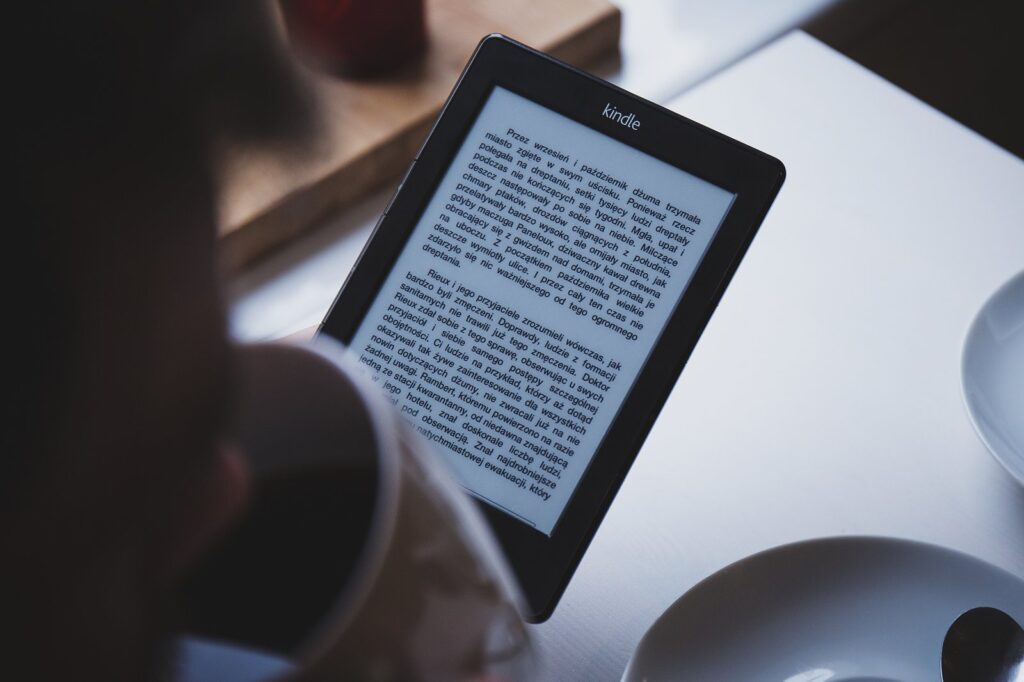
Six weeks before the school holidays kick off, plane tickets are booked, hand luggage allowances are being measured and most people are arguing over whether a paperback counts as worth the carry-on grams. It usually doesn’t. The best e-readers UK 2026 has to offer now weigh less than a pocket novel, hold thousands of books and last roughly a fortnight on a charge – which is why they have quietly become the most useful gadget in any UK summer bag. We tested seven of the best, all under £200, with British buyers in mind: VAT included, library borrowing factored in, and no need to wrestle with a US-only ecosystem.
In This Article
- How We Picked The Best E-Readers UK 2026
- What To Look For In An E-Reader Before You Buy
- 1. Amazon Kindle Paperwhite (12th Gen) – The Default Winner
- 2. Kobo Clara BW – The Best Kindle Alternative
- 3. Amazon Kindle (Basic, 2024 Refresh) – Best Budget Pick Under £100
- 4. Kobo Libra Colour – For Colour Comics And Stubborn Page-Turners
- 5. PocketBook Verse Pro Colour – The Format-Agnostic Pick
- 6. Amazon Kindle Paperwhite Kids – The Family Pick
- 7. Boox Go 6 – For Tinkerers
- E-Reader Comparison Table: Specs Side By Side
- How To Borrow E-Books Free From Your UK Library
- Reading At Night: Why E-Ink Is Easier On Sleep Than A Phone
- Battery, Charging And Travel: What To Actually Expect
- Common Questions About E-Readers UK 2026
- Which One Should You Actually Buy?
If your budget stops at three figures, our best e-reader under £100 piece compares the £94.99 Kindle with the pricier Paperwhite and Kobo.
Spoiler: the right one depends less on brand loyalty and more on what you read, where you read it, and whether you ever want to lend a book to your sister-in-law without giving her your Amazon password.
How We Picked The Best E-Readers UK 2026
We focused on devices that are actually available from UK retailers in 2026, with proper UK warranty and plug. Every reader on this list has been used for at least two weeks of real reading – on the Tube, in bed, on a rainy bench at Bournemouth pier – rather than scored off a spec sheet. We weighted four things: screen quality in direct sunlight, weight and one-handed grip, library compatibility (notably Libby for UK borough cards), and how easy it is to get books on the thing without a degree in computer science.
We left off two reasonable but pricier options – the reMarkable 2 and the Kindle Scribe – because both push past £350 once you add a stylus, and this round-up is firmly under £200.
What To Look For In An E-Reader Before You Buy
The temptation is to pick the brand you already know and stop there. That works, but you lose a fair bit of money to features you do not need – or, worse, miss the ones you do. Five things matter in 2026, and most readers really only care about three of them.
An e-reader is the obvious lead pick if you are buying for a dad who reads on his commute, but it sits within a broader category that is worth a look together – our round-up of the best Father’s Day tech gifts UK under £75 covers the chargers, headphones and small accessories that pair well with whichever Kindle or Kobo you settle on.
Screen size and resolution. A 6-inch screen is fine for novels but cramped for anything with diagrams, foreign-language footnotes or comic panels. A 7-inch screen is the new sensible default. Anything above 300 pixels per inch (ppi) looks as crisp as a hardback page – below that and you will notice it on serif type.
Warm light. A blue-shifted backlight at midnight is the single most reliable way to wreck your sleep, and a warm-light setting is now standard on anything above £120. If you read in bed, it is worth the upgrade.
Waterproofing. Look for an IPX8 rating if the reader will ever go near a bath, a beach or a pool. Most mid-range Kindles and Kobos have it; budget readers usually do not.
Library compatibility. If you have a UK borough library card, the OverDrive / Libby app will lend you e-books and audiobooks for free. Kindles support Libby through Amazon’s site (you send the book to your device after borrowing). Kobo handles OverDrive natively, which is one of the genuinely best things about the brand.
File formats. Most casual readers will never touch this – but if you have spent a decade building a Calibre library of EPUB, MOBI, PDF or CBR files, choose a reader (Kobo or PocketBook) that handles them without conversion.
1. Amazon Kindle Paperwhite (12th Gen) – The Default Winner
Price: around £160 for the ad-free version. If you want one device and one decision, this is it. The 7-inch screen finally feels generous, page turns are noticeably snappier than the previous generation, and the warm-light setting is genuinely useful at 11pm on a delayed Ryanair from Faro. Battery life is the headline – Amazon claims up to twelve weeks, and in practice you can leave it charging in a drawer between holidays without panic.
Pros: Snappy 7-inch 300ppi screen, IPX8 waterproof, warm light, USB-C charging, huge bookstore, Libby support via the Amazon site.
Cons: Locked to Amazon’s bookstore for direct purchases; EPUBs from Hive or Waterstones need a Send-to-Kindle workaround. No physical page-turn buttons.
Where it loses points: it’s still locked to Amazon’s bookstore for purchases, which means library books work via Libby (good) but EPUBs you bought from Hive or Waterstones need a workaround (less good). For most readers, that’s a fair trade for the polish.
2. Kobo Clara BW – The Best Kindle Alternative
Price: around £140. The Clara BW is the closest thing the UK has to a guilt-free Kindle replacement. It reads EPUBs natively, syncs straight to Pocket and OverDrive for library books, and the 6-inch carta 1300 screen is genuinely a step above the entry-level Kindle’s. It feels like a thoughtful device rather than a vehicle for selling you more books.
Pros: Native EPUB support, OverDrive built in, warm light, IPX8 waterproof, no ads ever.
Cons: 6-inch screen feels small for older eyes; Kobo store has fewer current bestsellers than Amazon.
The catch: the Kobo store has slightly fewer current bestsellers than Amazon, and the Clara BW’s smaller size will feel cramped if you read on the train with reading glasses. For most people it’s a clean win – especially anyone who already borrows from their local council library via Libby.
3. Amazon Kindle (Basic, 2024 Refresh) – Best Budget Pick Under £100
Price: around £95 with ads, £105 without. If a child is graduating onto chapter books, or you want a reader you genuinely don’t mind losing at the pool, this is the one. The 2024 refresh added a sharper 300ppi screen, USB-C charging and a faster processor – so it no longer feels like the runt of the lineup. It’s not waterproof and there’s no warm-light setting, but at under £100 those omissions are easier to forgive.
Pros: Cheapest 300ppi screen on the market; light enough for small hands; USB-C.
Cons: No waterproofing, no warm light, lock-screen ads on the cheaper model.
Sub-£100 readers used to be a false economy. This one isn’t. It’s the e-reader equivalent of a Toyota Yaris – boring in a good way.
4. Kobo Libra Colour – For Colour Comics And Stubborn Page-Turners
Price: £199, just sneaking under the cap. The Libra Colour is the device for anyone who has missed physical buttons since the original Sony Reader. It has two of them, on a bevelled grip that works for left or right hands, and the 7-inch Kaleido 3 colour screen is the best yet for cookbooks, comics and highlighted study notes. Don’t expect iPad-tier colour – this is muted, paper-like and slightly grainy – but it’s a quietly transformative feature for the right reader.
Pros: Physical page-turn buttons, colour Kaleido 3 screen, OverDrive support, IPX8 waterproof, stylus compatible.
Cons: Colours are deliberately muted; battery life takes a noticeable hit when you use the front light heavily.
Battery life takes a hit if you use the front light heavily, and the price puts it in awkward territory against the Kindle Paperwhite, which is why it sits at number four rather than higher. But for graphic novel fans, the buttons alone earn it a place.
5. PocketBook Verse Pro Colour – The Format-Agnostic Pick
Price: around £155. PocketBook is the brand serious file hoarders quietly recommend. The Verse Pro handles roughly twenty file formats without conversion – PDF, EPUB, MOBI, CBR, FB2, the lot – which matters if you’ve built a Calibre library over the last decade. The Kaleido colour screen is the same panel family as Kobo’s, with the same caveats, and the warm light is genuinely better than the entry-level Kobos.
Pros: Reads almost any e-book format without conversion; warm light; built-in audio (Bluetooth) for audiobooks.
Cons: No Libby integration; smaller bookstore; software feels less polished than Kindle or Kobo.
You give up Libby integration and the Kindle ecosystem’s polish. If your reading is mostly free PDFs from project sites or sideloaded purchases from Hive, you’ll appreciate the trade.
6. Amazon Kindle Paperwhite Kids – The Family Pick
Price: £180, including a kid-proof cover, two years of accident cover and a year of Amazon Kids+. It’s the same hardware as the standard Paperwhite, sold with sensible accessories and ad-free reading. We’d recommend it for any household where the e-reader gets passed between two siblings under twelve, or where a long flight needs to be padded with content that isn’t a Roblox tutorial.
Pros: Same Paperwhite hardware, two-year worry-free accident cover, included Kids+ subscription with parental controls.
Cons: Pricier than the standard Paperwhite once the Kids+ subscription renews at £4.99 a month.
The included Kids+ subscription is the genuine selling point: thousands of age-appropriate books, plus parental controls that actually work. After the first year, expect £4.99 a month or cancel without losing the hardware perks.
7. Boox Go 6 – For Tinkerers
Price: £179. The Boox Go 6 runs Android, which means you can install the Kindle app, the Kobo app, Libby, Google Play Books and a browser onto a single 6-inch e-ink device. That is either magical or maddening depending on temperament. It is the only reader on this list that lets you read your Kindle library and your Kobo library on the same screen without faff.
Pros: Open Android – install any reading app; multi-ecosystem support; expandable storage on some configurations.
Cons: Heavier than the competition; software feels rough; bookstore experience is fiddly; warranty support in the UK is patchier.
It’s also the heaviest device per pound on this list – the software is noticeably less refined than Amazon’s or Kobo’s, and the bookstore experience is fiddly. Buy this if the words “rooting an Android tablet” don’t make you wince. Otherwise the Paperwhite is calmer.
E-Reader Comparison Table: Specs Side By Side
| Reader | Screen | Warm light | Waterproof | Library (Libby) | Price (approx) |
|---|---|---|---|---|---|
| Kindle Paperwhite (12th Gen) | 7″ 300ppi | Yes | IPX8 | Via Amazon | £160 |
| Kobo Clara BW | 6″ 300ppi | Yes | IPX8 | Native | £140 |
| Kindle Basic (2024) | 6″ 300ppi | No | No | Via Amazon | £95 |
| Kobo Libra Colour | 7″ Kaleido 3 colour | Yes | IPX8 | Native | £199 |
| PocketBook Verse Pro Colour | 6″ Kaleido 3 colour | Yes | IPX8 | No | £155 |
| Kindle Paperwhite Kids | 7″ 300ppi | Yes | IPX8 | Via Amazon | £180 |
| Boox Go 6 | 6″ 300ppi | Yes | No | Via Android app | £179 |
How To Borrow E-Books Free From Your UK Library
This is the bit most new e-reader buyers miss, and it is the single biggest argument for owning one in the first place. Almost every UK borough council subscribes to the Libby app (from OverDrive). If you have a free library card from your council, you can borrow current bestsellers and audiobooks – usually for three weeks at a time – without paying anything.
On a Kobo, you tap a single button on the device to log in to OverDrive and the borrowed books appear in your library. On a Kindle, you borrow inside the Libby app on your phone, tap “Send to Kindle”, and the book is on your device next time you connect to Wi-Fi. On the Boox Go 6, install the Libby Android app and borrow directly. PocketBook is the outlier here – no native Libby support yet.
Worth noting: Libby waiting lists for the most popular new releases (Sally Rooney, Richard Osman, Bonnie Garmus) can run several weeks. If a book has been out for more than a few months, the wait usually drops to days.
Reading At Night: Why E-Ink Is Easier On Sleep Than A Phone
One of the quieter reasons e-readers have crept back into UK households is sleep. The NHS recommends putting screens away in the hour before bed, partly because the blue light emitted by phones and tablets suppresses melatonin production. E-ink screens are different: they are not backlit at all in their default state, and only the front-lit warm-light layer adds illumination. With warm light set to its highest amber tone, the spectrum is much closer to a paper book read by a bedside lamp than to a phone screen.
It is not a magic fix – reading anything stimulating an hour before sleep is still a worse idea than reading something calm – but as a swap for late-night Instagram scrolling, an e-reader on a warm setting is meaningfully better for sleep hygiene.
Battery, Charging And Travel: What To Actually Expect
Marketing claims around battery life on e-readers are some of the more honest in tech – because the screen only draws power when the page changes. In real-world UK use, a modern Kindle Paperwhite or Kobo Clara BW with the front light at medium brightness will last most readers four to six weeks between charges. Heavy front-light use (an hour a night) cuts that to about two to three weeks.
All current readers on this list charge via USB-C, which means the same cable will charge your phone, AirPods case and laptop on the same plug. Older Micro USB models are being phased out fast and we would avoid buying one secondhand.
For European travel under the new border rules, an e-reader on the queue is the closest thing to portable sanity. Pair it with a sensible plug adapter and you are sorted for the longest passport-control queue Stansted can throw at you. Anyone heading abroad should also factor in the EU Entry/Exit System at the border, and the case for switching to an eSIM before flying out.
Common Questions About E-Readers UK 2026
Do e-readers work without Wi-Fi? Once books are downloaded to the device, yes – you can read offline indefinitely. Wi-Fi is only needed to buy, borrow or sync.
Do I need a subscription? No. Buying or borrowing books is per-title. Kindle Unlimited and Kobo Plus are optional all-you-can-read subscriptions, currently around £9.49 and £7.99 a month respectively.
Can I read library audiobooks? Yes, on Kobo (via the headphone jack on certain models, or Bluetooth on others), on Boox via the Libby Android app, and on PocketBook devices with Bluetooth. Kindles do not currently support library audiobooks directly.
Are e-readers good for studying? The Kobo Libra Colour and Kindle Scribe are the obvious choices, because both support stylus annotation. For straight reading, any 7-inch device with 300ppi will do.
Will my old EPUBs work? On Kobo and PocketBook, yes, natively. On Kindle, you need to convert via Calibre or email the file to your Send-to-Kindle address – both are free but neither is instant.
Which One Should You Actually Buy?
For most UK readers, the Kindle Paperwhite (12th Gen) is the boring, correct answer. If you’d rather not feed the Amazon machine, the Kobo Clara BW is the clean swap. If you read with a child, get the Kindle Paperwhite Kids; if you read colour cookbooks or graphic novels, push to the Kobo Libra Colour.
Pair whichever you choose with a decent pair of wireless earbuds under £100 for audiobooks on the same device, and a sensible smartwatch under £200 if you’re trying to leave your phone in the hotel safe. If a sleeper-train holiday is on the cards, the UK overnight rail revival piece is a useful companion read – an e-reader fits in a Caledonian Sleeper bunk in a way a hardback does not. And if you are packing for Glastonbury or a similar weekender, our festival tech essentials round-up covers the rest of the bag.
It’s also worth noting that Which? rates the Paperwhite and Clara highly in its current testing rounds, and the Guardian’s e-reader buying guide reaches broadly the same shortlist – which gives the lineup above some independent backing. Library borrowing via Libby is also free with most UK borough cards, which is a quiet way to make any of these readers pay for themselves inside a year.
One last question for the comments: are you more likely to pack an e-reader or a physical paperback this summer – and if it’s a paperback, what’s the book?
Read next: plenty of people who buy an e-reader end up listening as much as reading – the story behind that is in our look at why audiobooks became Britain’s fastest-growing reading habit.