
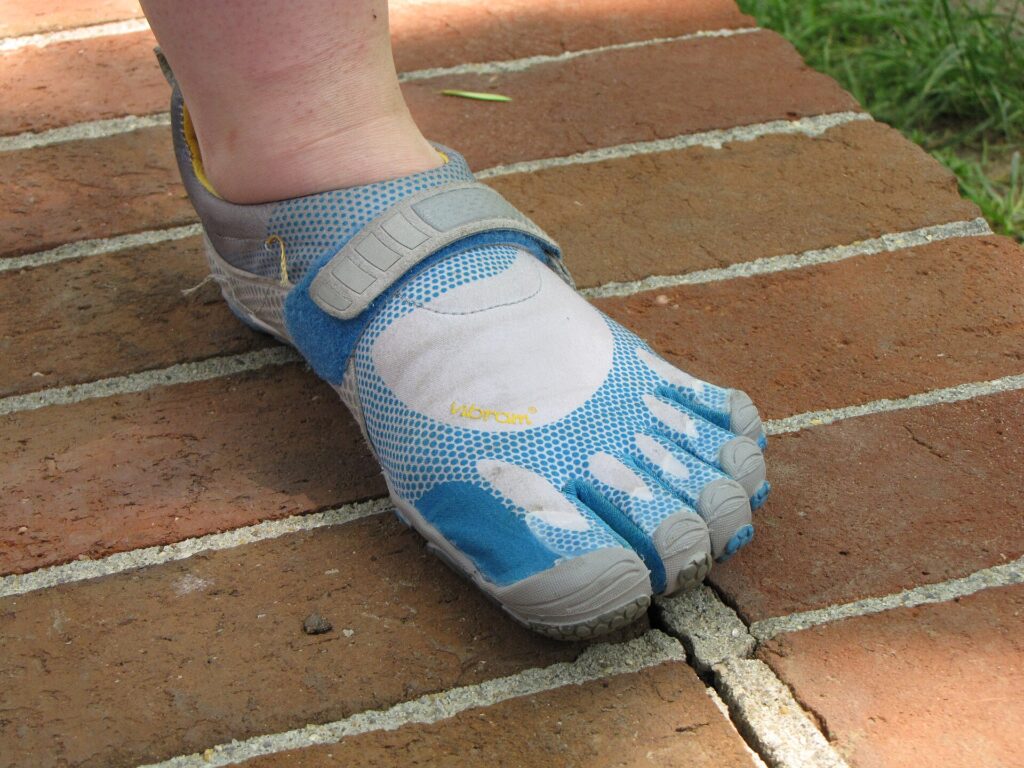
Why Barefoot Shoes Took Over British Gyms in 2026 – And the People Who Should Steer Clear
Walk into any half-decent gym in Britain this summer and start counting feet. You’ll spot them within a minute: the wide, almost cartoonish toe boxes, the soles thin as a beer mat, the deadlifters who’ve ditched their cushioned trainers for something that looks like a sock with grip. Barefoot shoes have gone from a fringe obsession of ultra-runners and forum cranks to a genuine status marker on the gym floor. And the people wearing them will tell you, usually unprompted, that they’ve never felt stronger through the foot.
In This Article
- The toe-shaped shoe became a gym status symbol
- What the foot-strength research actually shows
- The bit the marketing skips: this is where people get hurt
- How to make the change without ending up at the podiatrist
- Who should give barefoot shoes a miss
- You’re almost certainly overpaying
- What I’d actually tell a mate
I’ve been wearing a pair on and off for the better part of a year, so I’ve got skin in this. Some of the claims hold up. A surprising number don’t. And the gap between what barefoot shoes actually do and what the brands imply they do is wide enough to get people hurt.
So here’s the honest version – what the research says, where the marketing oversells it, who should be wearing them, and who’d be daft to bother.
The toe-shaped shoe became a gym status symbol
The numbers behind this aren’t small. Vivobarefoot, the British brand that more or less built the category in this country, reported annual sales of around £73.4 million in its most recent figures, up 49% on the year before. That’s not a niche any more. That’s a movement with a marketing budget.
What changed? Partly it’s the strength-training crowd. CrossFit boxes and the new wave of hybrid-fitness obsessives worked out years ago that a flat, stable, ground-hugging shoe is better for lifting heavy than a soft running trainer that tips you forward. A squat feels different when your heel isn’t propped up on a wedge of foam. Once the strongest people in the room started wearing them, everyone else followed. That’s just how gyms work.
The other driver is the broader “natural movement” mood that’s been building since lockdown – the same instinct pushing people towards weighted walking and slower, lower-intensity cardio. Barefoot shoes fit the story neatly. Modern feet are weak and lazy, the argument goes, because we’ve spent our whole lives in padded coffins that do the work for us. Take the padding away and the foot has to wake up.
It’s a tidy narrative. The useful question is whether it’s true.
What the foot-strength research actually shows
This is where barefoot shoes have a real case, and it’s worth being precise about it rather than hand-wavy.
The strongest evidence comes from work on the small muscles inside the foot – the intrinsic muscles that hold up your arch and splay your toes. A 2021 study published in Scientific Reports followed people who switched to minimal footwear for everyday activity over six months. Their foot flexor strength went up by an average of 57%. Not 5%. Fifty-seven. A separate line of research from Sarah Ridge’s group at Brigham Young University found that simply walking around in minimal shoes built foot muscle about as well as doing a dedicated programme of foot-strengthening exercises. In other words, the shoe does the homework for you.
That matters more than it sounds. Weak intrinsic foot muscles are linked to flat-feeling arches, poor balance and a chain of niggles that travel up the leg. If a shoe genuinely strengthens them through normal daily use, that’s a real benefit you don’t get from a cushioned trainer, which lets those muscles switch off.
The toe box does its own quiet work here. Most conventional trainers taper to a point that squeezes your toes together, and over the years they stop spreading the way feet are built to. A wide toe box lets the big toe sit where it should, which is the bit doing most of the work when you push off or balance on one leg. I noticed this first not in the gym but standing on one foot brushing my teeth – the wobble that used to send me grabbing the sink just went away after a couple of months. That’s a small, daft example, but it’s the sort of thing that adds up: better single-leg stability has knock-on effects for running, walking on uneven ground, and not turning an ankle stepping off a kerb. None of it is dramatic. It’s the slow, cumulative kind of benefit that doesn’t make for good advertising, which is probably why the brands lead with the louder claims instead.
Then there’s the running side, which is older and messier. The famous study here is Daniel Lieberman’s 2010 paper in Nature, which found that habitually barefoot runners tend to land on the forefoot, and that this forefoot landing produced an impact peak roughly three times lower than a heel-striking runner in cushioned shoes. The takeaway people ran with – sorry – was that barefoot running is gentler on the body.
But Lieberman never said barefoot was injury-proof. He said the loading pattern is different. That’s a far narrower claim, and the difference between the two is exactly where the trouble starts.
There’s a generational thing going on here as well. The runners now reaching their forties and fifties are the ones most interested in keeping their joints intact for the long haul – the same crowd quietly obsessing over their VO2 max and longevity numbers. Barefoot shoes get sold to them as a way to run “the way we evolved to”, which is a lovely line and almost entirely beside the point. We also evolved to run on soft ground, in small daily doses, without then sitting at a desk for nine hours. A thin sole on a Tuesday-night pavement session isn’t a return to anything. It’s just a different set of forces on a body that grew up in cushioned shoes, and your tissues don’t care about the marketing.
The bit the marketing skips: this is where people get hurt
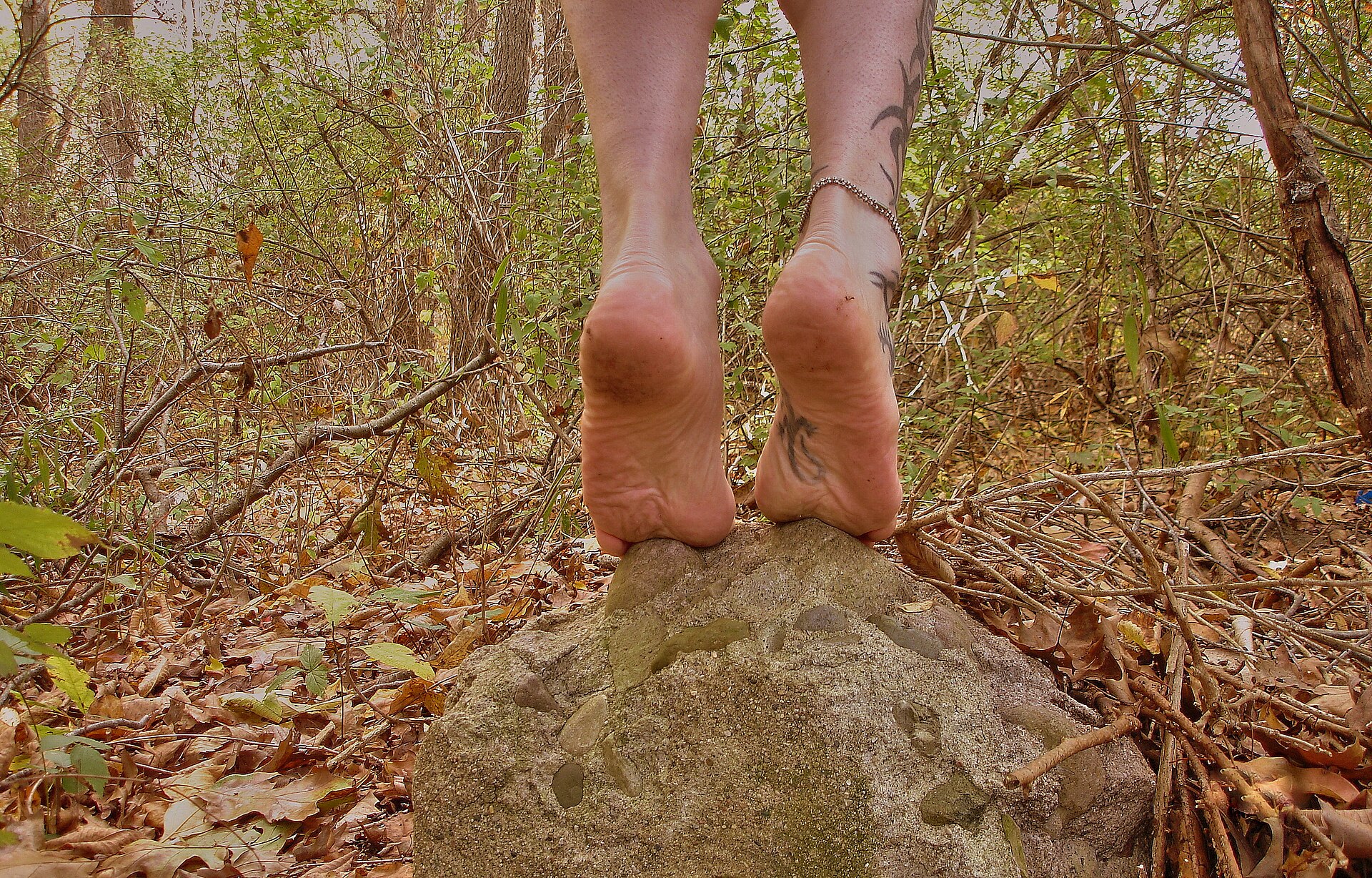
Here’s the study you won’t see on a Vivobarefoot product page. In 2013, Ridge and colleagues took 36 experienced recreational runners and had 19 of them transition gradually to Vibram FiveFingers over ten weeks, while 17 carried on in normal shoes. They scanned everyone’s feet with MRI before and after.
Ten of the 19 runners in the barefoot group showed increased bone marrow oedema – basically stress signals in the bone, the precursor to a stress fracture. Two had developed actual stress fractures. In the control group, just one runner out of 17 showed any increase. And remember, this group transitioned gradually. They did it the sensible way and still a majority showed bone stress.
That’s the part the “natural movement” story conveniently leaves out. When you strip the cushioning away, your bones, tendons and calf muscles suddenly have to absorb load they’ve been outsourcing to foam for decades. The muscles adapt reasonably quickly. Bone is slower. Tendon is slower still. The Achilles in particular tends to scream if you rush this, because barefoot shoes change how your calf and heel cord load on every single step.
So the injury risk with barefoot shoes isn’t a myth invented by trainer companies. It’s well documented. The risk just isn’t in the shoe – it’s in the switch.
How to make the change without ending up at the podiatrist
If you’ve read this far and still want a pair, good. The benefits are real for plenty of people. But the transition is the whole game, and most people get it wrong by being impatient.
The advice from podiatrists is boringly consistent, and it’s worth following even though it’s slow. NHS podiatry teams make the same basic point about footwear that any sports physio will: your feet adapt to what you ask of them, gradually, and sudden change is what causes problems. Start with 20 to 30 minutes a day. Wear them around the house, to the shop, on a short flat walk. Do that for a week before you add any more time. Resist the urge to wear them for a 10k just because they felt fine on the school run.
A few things that helped me, for what they’re worth. I kept my old trainers for anything over about 5km for the first couple of months. I did a bit of calf and foot work – heel drops, towel scrunches, the unglamorous stuff – which seemed to take the edge off the inevitable soreness. And I treated any sharp pain in the top of the foot as a stop sign, not something to push through. That top-of-foot ache is exactly where those stress reactions show up.
The single biggest mistake is treating barefoot shoes as a straight swap. They’re not footwear. They’re closer to a piece of training equipment, and you load equipment progressively. Anyone moving into them off the back of structured fitness work – the kind of people already thinking in zones and progressions, like the Zone 2 crowd – tends to do better simply because they’re used to building load slowly.
Who should give barefoot shoes a miss
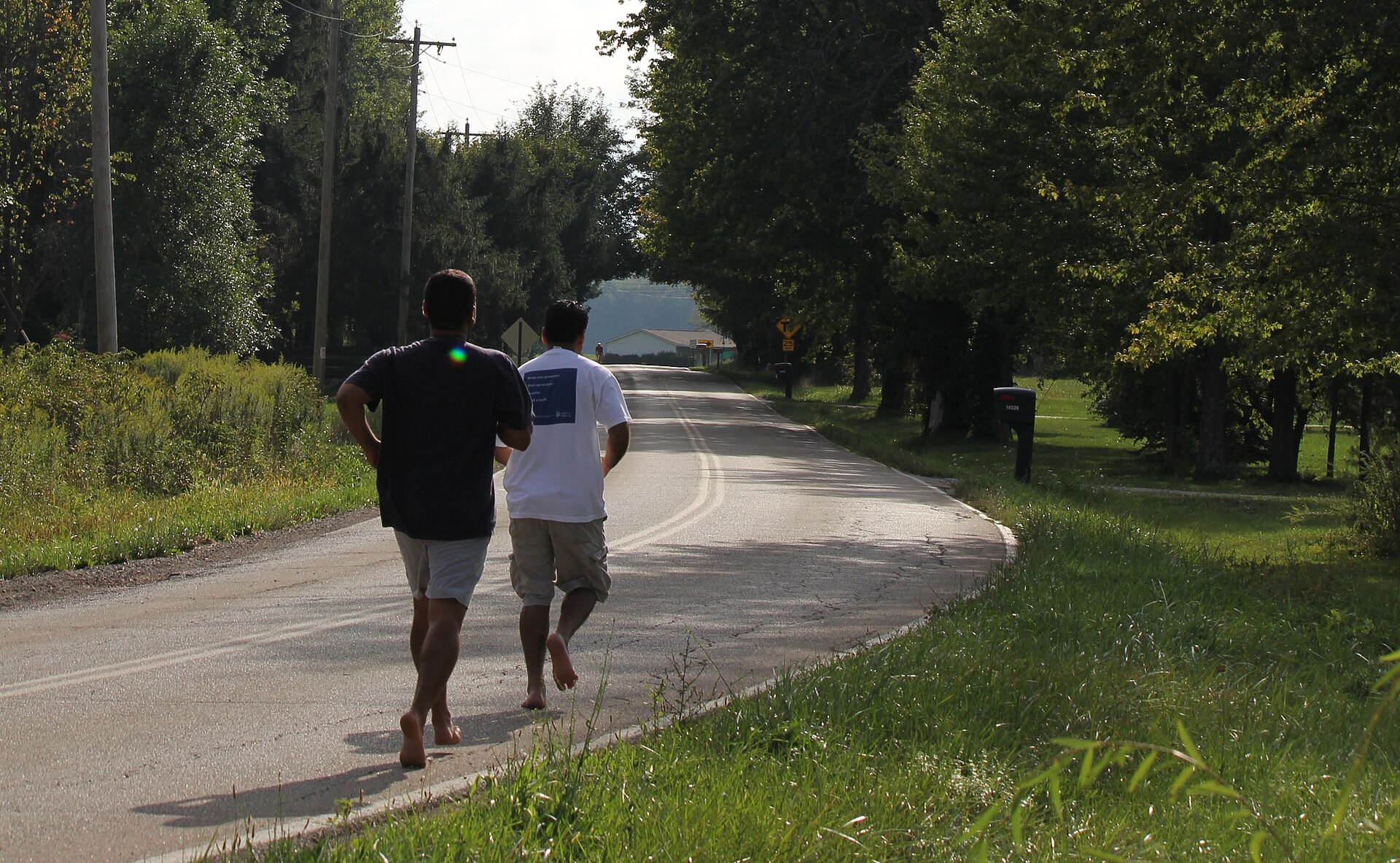
This is the section the brands would rather I skipped, because not everyone is a candidate, and a few people should stay well away.
If you’ve got diabetes, you need protection and cushioning under the foot, full stop – thin-soled shoes are a poor idea where reduced sensation and slow healing are in play, and that’s a conversation for your GP or podiatrist, not a trend piece. People with significant flat feet or fallen arches that already cause pain often find barefoot shoes make things worse before they make them better, if they make them better at all. The same goes for anyone in the middle of a plantar fasciitis flare-up or recovering from an Achilles problem. You don’t want to remove support from a structure that’s already struggling.
Older feet deserve caution too. If you’re past 60 and you’ve spent fifty years in supportive shoes, the muscles and bones have a lot of catching up to do, and the fall risk on uneven ground with a thin sole is a genuine concern.
And there’s a quieter group I’d gently warn off: people who buy them purely because their gym mates have them, with no intention of doing the slow transition work. If you’re going to wear barefoot shoes like normal trainers and skip straight to your usual training volume, you’ll likely get the injuries without the benefits. Honestly, you’d be better off in your old shoes.
You’re almost certainly overpaying
Now the bit that’ll annoy the brand loyalists. The premium you pay for the big-name barefoot shoes is, for most people, money you don’t need to spend.
A pair of Vivobarefoots will set you back somewhere north of £120, often closer to £140 or £160 for the leather styles. They’re well made and they last, and if you love the look, fine. But the actual mechanism doing the work – the thin, flexible, zero-drop sole and the wide toe box – is now available from a dozen cheaper brands, and from a foot-strength point of view they do the same job. Your intrinsic foot muscles can’t read the logo. They respond to the lack of support and the freedom in the toe box, and a £45 pair delivers that just as well as a £150 one.
If you’re new to this and not sure barefoot shoes will even suit you, spending £150 to find out is the wrong move. Buy something cheap and cheerful, do the eight-week transition, and see how your feet respond. If you fall in love with the feeling, then go and buy the nice pair as a reward. Don’t buy the nice pair as an entry ticket. That’s marketing talking, not your feet.
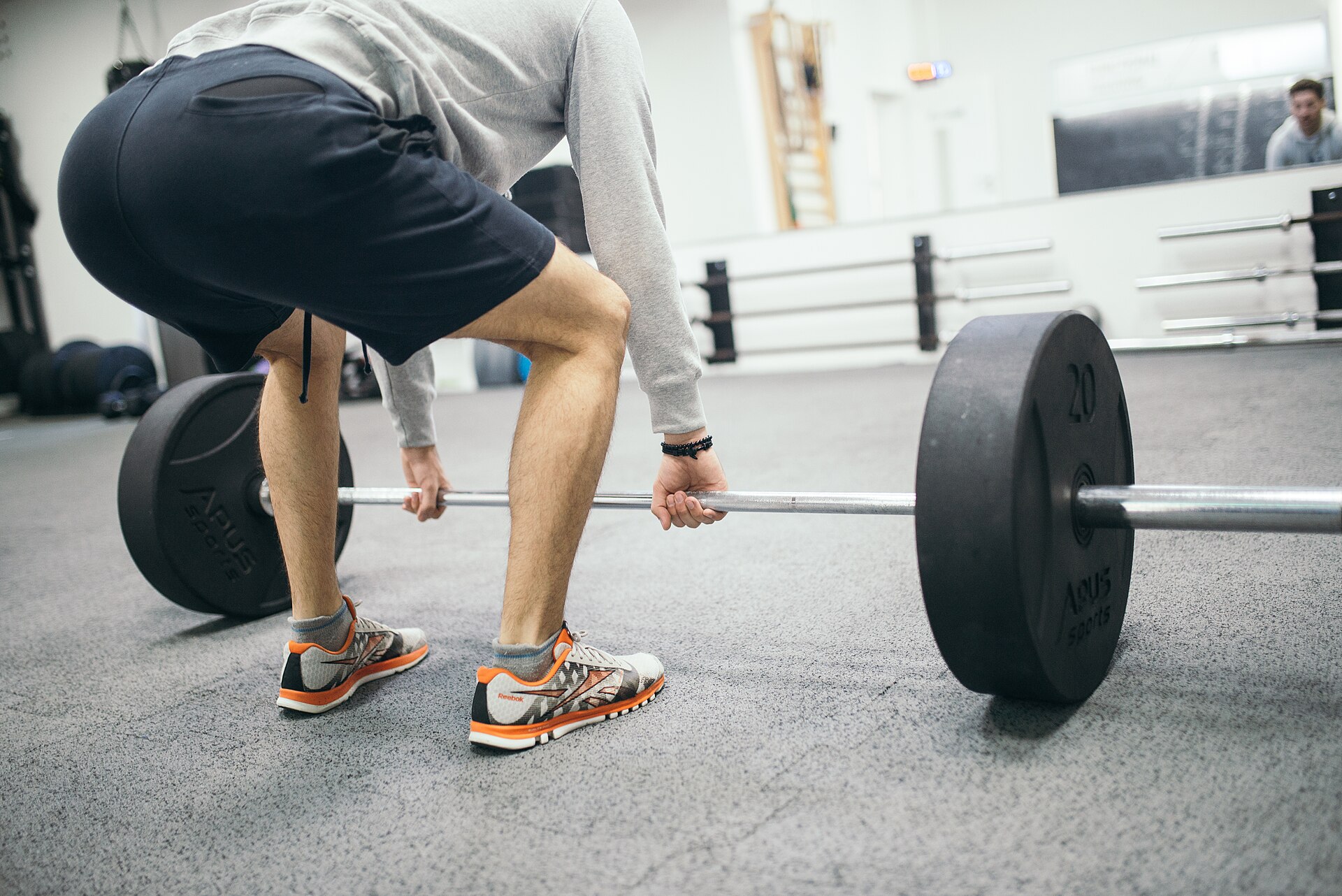
The one place I’d spend up is lifting. If you train heavy and you want one pair that’ll cope with squats, deadlifts and the odd sprint, the build quality of the established brands earns its keep – the same logic that makes serious lifters fussy about the kit they buy for hybrid events. For everyday walking and general foot health, save your money.
What I’d actually tell a mate
After a year in and out of them, my view is fairly settled. Barefoot shoes do strengthen the foot – the research on that is solid, and I can feel the difference in my own balance and arch. They’re a good thing for a lot of people. But they’ve been wrapped in a “more natural, therefore better” story that papers over a real injury risk and pushes a lot of beginners straight past the careful bit into the hurt-yourself bit.
Treat them as training, not footwear. Go slowly enough that it’s almost boring. Skip them entirely if your feet are already in trouble. And don’t let anyone convince you the £150 pair works better than the £45 pair, because below the ankle your muscles can’t tell the difference.
The thing worth watching now is the kids’ end of the market, where barefoot school shoes are starting to appear on the same logic – and where, arguably, the case for never letting the foot get weak in the first place is strongest. If you’ve put your own children in them, I’d love to know how it’s gone. Has your gym turned into a sea of toe-shaped soles yet, or is it just mine?
Feet aren’t the only underrated strength marker. See what a grip strength test quietly reveals about long-term health.
The same back-to-basics thinking is driving the reformer Pilates boom, where controlled low-impact strength work has pulled in a big new audience.