Grip Strength UK 2026: The Two-Minute Test That Outperformed Blood Pressure
A handshake shouldn’t be able to predict when you’ll die. But in one of the largest health studies ever run, it did the job better than a blood pressure cuff.
In This Article
- A handshake that beat the blood pressure cuff
- What grip strength is actually measuring
- The correlation trap nobody wants to hear
- So what counts as a weak grip?
- The numbers, decade by decade
- How to test grip strength without a clinic
- Grip kit compared: what’s worth buying
- What actually moves the number
- Who needs to be careful
- Claims doing the rounds you can skip
- The number worth watching
The study was called PURE, it followed close to 140,000 adults across 17 countries, and its headline finding still unsettles people who work in cardiology. Every 5kg drop in grip strength came with roughly a 16% rise in the risk of dying from any cause over the follow-up period. Grip – a thing you can measure in the time it takes to boil a kettle – turned out to be a sharper marker of mortality than the systolic blood pressure reading your GP frets over at every appointment.
That’s the claim that’s pulled grip strength out of physiotherapy clinics and onto British gym floors, longevity podcasts and the sort of Instagram reels that promise you’ll live to 95 if you just hang off a bar. Some of that hype deserves a cold shower. But the underlying science is real, it’s been replicated in this country, and most people reading this have a weaker grip than they think.
And if you want a brutal, public test of yours, the sled pulls and farmers carries in Hyrox training will find you out within minutes.
A handshake that beat the blood pressure cuff
PURE, published in The Lancet in 2015, is the study everyone quotes, and for once the quoting is fair. Researchers handed participants a device called a dynamometer – basically a metal handle wired to a gauge – and asked them to squeeze as hard as they could. Then they tracked who got ill and who died over the following years.
The grip reading predicted cardiovascular death, heart attack and stroke. It held up across rich countries and poor ones, across people who smoked and people who didn’t. And it beat systolic blood pressure as a predictor of all-cause mortality, which isn’t a sentence anyone expected to write about a party-trick strength test.
Britain has its own version of this evidence, and it’s bigger. A 2018 study of more than half a million UK Biobank volunteers, published in the BMJ, found that people with weaker grip had higher rates of death, heart disease, respiratory illness and several cancers. Same signal, different continent’s worth of data. When a finding shows up in 140,000 people spread across the planet and again in 502,000 middle-aged Brits, you stop calling it a fluke.
What grip strength is actually measuring
Here’s the part that gets lost in the excitement. Your hands aren’t magic. A firm squeeze doesn’t reach into your arteries and scrub them clean.
Grip strength is a proxy. It stands in for something much larger – the total amount of working muscle you’re carrying and how well your nervous system can call on it. Grip happens to be brilliant to measure because it’s quick, cheap and doesn’t require you to strip to your shorts, but the thing it reflects is whole-body strength and, by extension, whole-body ageing.
As we get older we lose muscle. The medical name for that slow drain is sarcopenia, and the loss of strength that comes with it is called dynapenia. Weak hands are often the first visible sign that the process has started, the way a cough can be the first sign of something going on further down. People with more muscle and better neuromuscular function tend to be more active, fall less, recover from illness faster and spend fewer years frail at the end. Grip captures a slice of all of that in one number.
Which is also why it correlates with so many different diseases at once. It isn’t that a weak grip causes lung cancer. It’s that the same underlying decline – less muscle, less movement, more inflammation, often more years of hard living – pushes up the odds of a whole cluster of bad outcomes, and grip strength happens to be an unusually honest window onto it. This is the same reason cardio fitness gets so much attention, and why Zone 2 training has become such a fixture for people trying to protect their long-term health.
The correlation trap nobody wants to hear
And now the cold shower I promised.
Buying a £15 hand gripper off Amazon and squeezing it while you watch telly will make your grip stronger. It will not, on its own, add years to your life. This is the single most common mistake in the whole grip strength conversation, and the wellness industry has every reason not to correct it.
The same goes for plenty of home fitness gadgets. Our look at whether vibration plates work found that 20 trials showed no fat loss from the plates on their own.
The studies show an association. Weaker grip travels alongside worse outcomes. But if the weak grip is just a symptom of low overall muscle and a sedentary life, then training the symptom in isolation – the hands, the forearms, nothing else – is like painting over damp. You’ve changed the reading without touching the thing the reading was warning you about. There’s no trial showing that a dedicated gripper habit, on its own, lowers mortality. Anyone selling you one on that basis is running ahead of the evidence.
So grip strength is worth caring about, but for the right reason. Treat it as a dashboard light, not a lever. A weak grip is your body flagging that your overall strength has probably slipped, and the fix is to rebuild that strength across your whole body. The grip improves as a side effect – and that’s exactly the version of “stronger grip” that actually maps onto the research.
So what counts as a weak grip?
People always want a number, and the honest answer is that it depends on your age, sex and body size – so treat any single threshold with suspicion. Grip tends to peak somewhere in your thirties and drift down from there, faster once you’re past 60. Studies using dynamometers often flag concern when men fall below roughly 26kg and women below about 16kg, but those are population cut-offs used in research, not a pass-fail line for your kitchen.
What matters more is your own trajectory. A 45-year-old whose grip has quietly halved over a decade is telling a worse story than a 70-year-old sitting stable at a modest number. Absolute strength counts, but so does the direction of travel, and the direction is the bit you get to change.
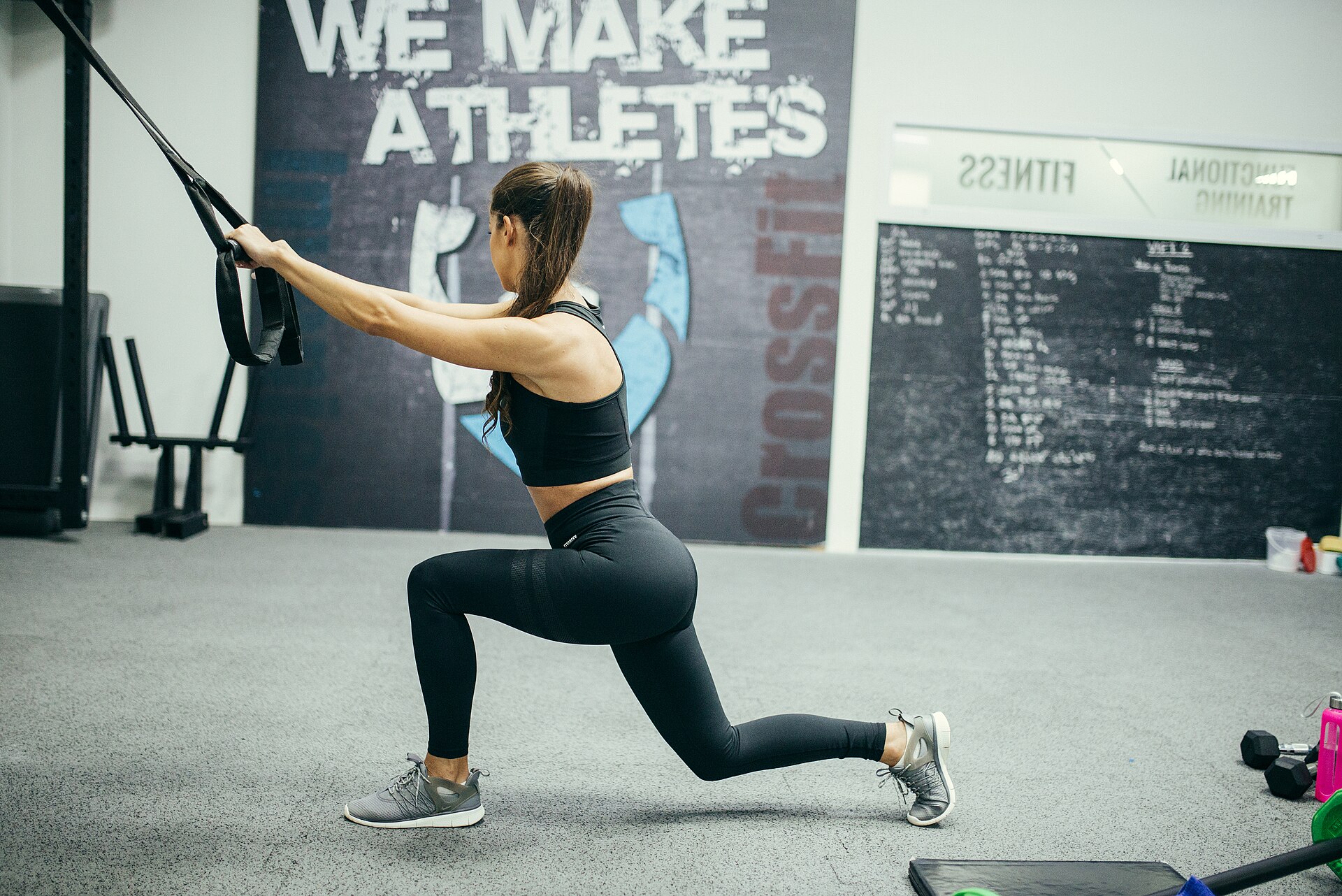
There’s a sex difference worth naming too, because it shifts the advice. Women lose muscle faster after the menopause, and they start from a lower base, so the slide toward frailty can arrive earlier and steeper. That’s a large part of why strength work aimed at women has moved from fringe to mainstream, and why the old idea that lifting weights is a men’s business has aged so badly. If you’re a woman in your forties reading this and you’ve never touched a barbell, the grip numbers are one more reason to start.
The numbers, decade by decade
If you do end up with a dynamometer, you’ll want something to compare your squeeze against. The best British reference data comes from a 2014 paper in PLOS ONE that pooled twelve UK studies – around 49,000 people – into a single set of grip curves across the life course. The figures below are rough midpoints read off those curves, so treat them as a compass, not a verdict.
| Age band | Men (kg, roughly) | Women (kg, roughly) |
|---|---|---|
| 20s | 46-49 | 28-30 |
| 30s | 49-51 | 30-31 |
| 40s | 47-50 | 29-31 |
| 50s | 44-47 | 27-29 |
| 60s | 38-42 | 24-26 |
| 70s | 32-36 | 20-23 |
Two things jump out of that table. The first is how late the peak arrives – most people are strongest somewhere in their thirties, which surprises anyone who assumes it’s all downhill from 21. The second is the steepness of the drop after 60, which is exactly the stretch of life where strength stops being a gym vanity metric and starts deciding whether you can get off the floor unaided.
And if your exercise diet is entirely cardio – even the fashionable interval kind, like the Japanese walking method – these numbers are the half of fitness that walking won’t touch.
How to test grip strength without a clinic
You don’t need a dynamometer, though you can buy a decent one for about thirty quid if you like a hard number to track. Two rough home tests will tell you most of what you need to know.
The first is the dead hang. Find a sturdy bar – a pull-up bar wedged in a doorframe, the frame of a climbing wall, a low tree branch that won’t embarrass you – grab it with both hands and hang, feet off the floor, arms straight. Time it. As a very loose guide, a reasonably fit adult under 60 should manage around 30 seconds without much drama. If you’re dropping off at ten, that’s useful information, not a verdict.
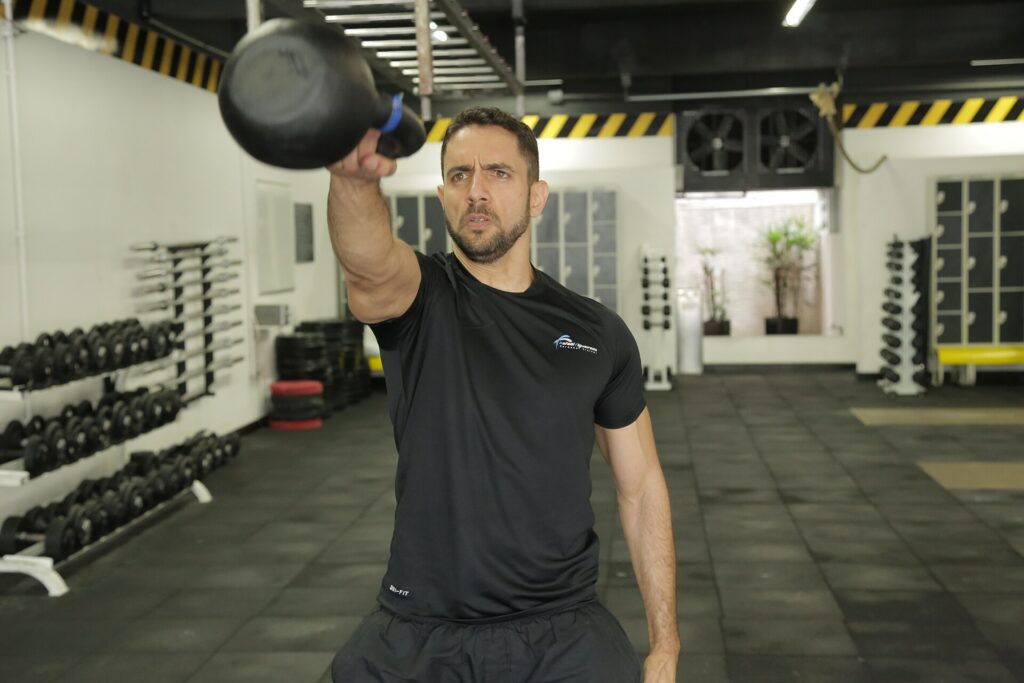
The second is even lower-tech. Grab the heaviest shopping bags you can and carry them the length of the garden, or pick up a kettlebell in each hand and walk. If a couple of full Bags for Life have your hands screaming before you reach the back door, your grip – and probably your general strength – has room to grow. Farmer’s carries like this are one of the best things you can do, which is part of why loaded walking has caught on through rucking.
Do whichever test you’ll actually repeat. The point isn’t the first score. It’s watching the number move over a few months, because the trend tells you far more than any single reading against a chart of population averages.
Grip kit compared: what’s worth buying
You can spend £20 or £300 measuring and training the same thing. The honest hierarchy looks like this.
| Kit | Rough price | Verdict |
|---|---|---|
| Camry EH101 digital dynamometer | £20-£30 | The one to buy if you want a number to track. Accurate enough for home use, runs on AAAs, fits in a drawer. |
| Jamar hydraulic dynamometer | £150+ | The clinical gold standard, and pointless at home. You’re paying for calibration certificates you’ll never need. |
| Captains of Crush gripper (IronMind) | ~£25 | Well made, satisfying, and strictly a forearm hobby. Buy one if crushing things appeals; don’t expect it to move the mortality needle. |
| Fat Gripz | ~£20 | Rubber sleeves that thicken any bar or dumbbell handle. Niche, but they quietly turn every pull into grip work. |
| Doorframe pull-up bar | £15-£25 | Best value on this list. Dead hangs, rows with a band, somewhere to stretch – one purchase covers the lot. |
If forced to pick one, it’s the pull-up bar, and it isn’t close. The dynamometer tells you where you are; the bar changes the answer.
What actually moves the number
Strength training. That’s the short version, and it’s less exciting than a gadget, which is presumably why it gets less airtime.
The NHS already recommends muscle-strengthening activity on at least two days a week for every adult, working the major muscle groups, and almost nobody does it. That guidance predates the grip strength craze by years. It’s not new advice dressed up – it’s old advice most of us have been quietly ignoring while we counted our steps.
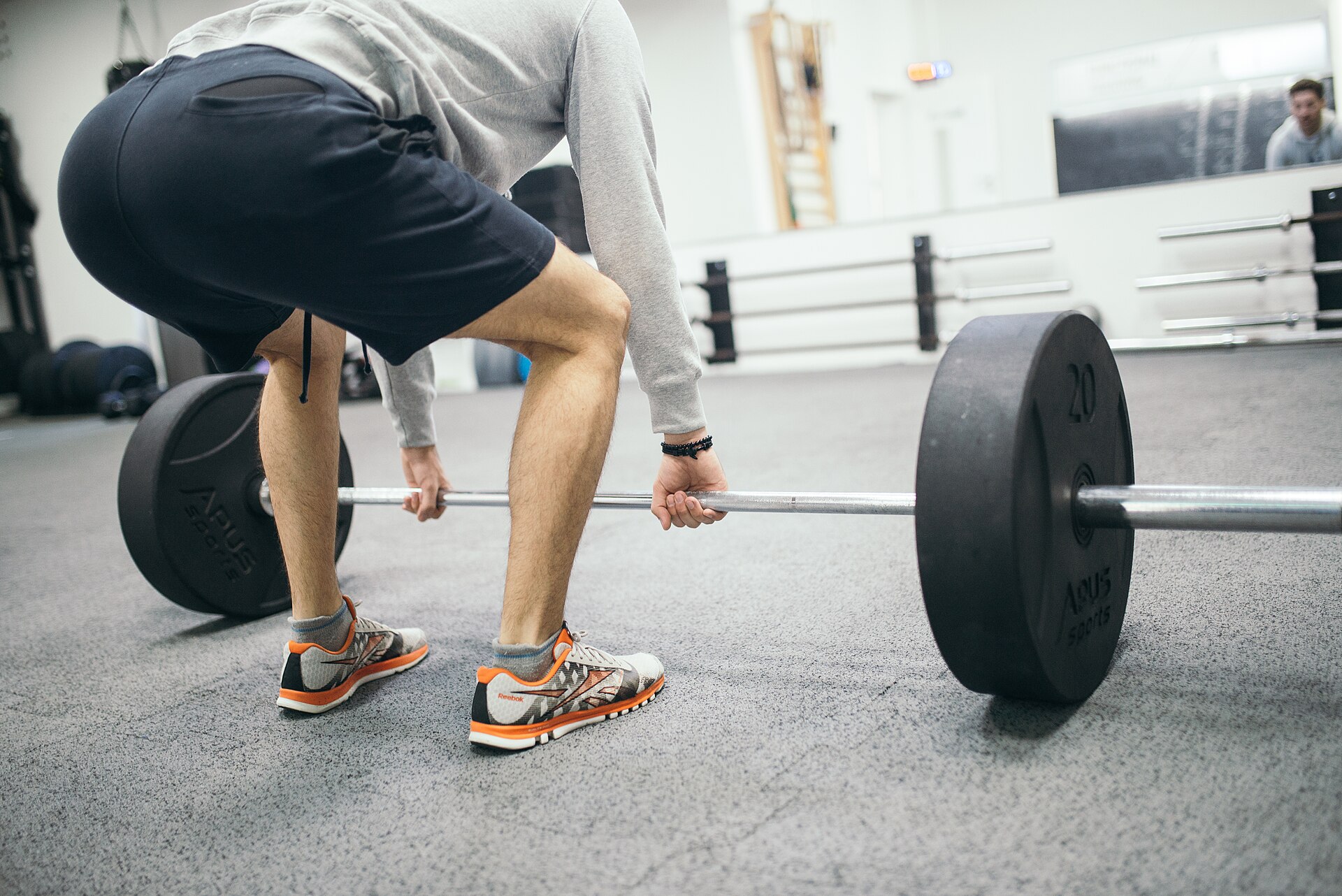
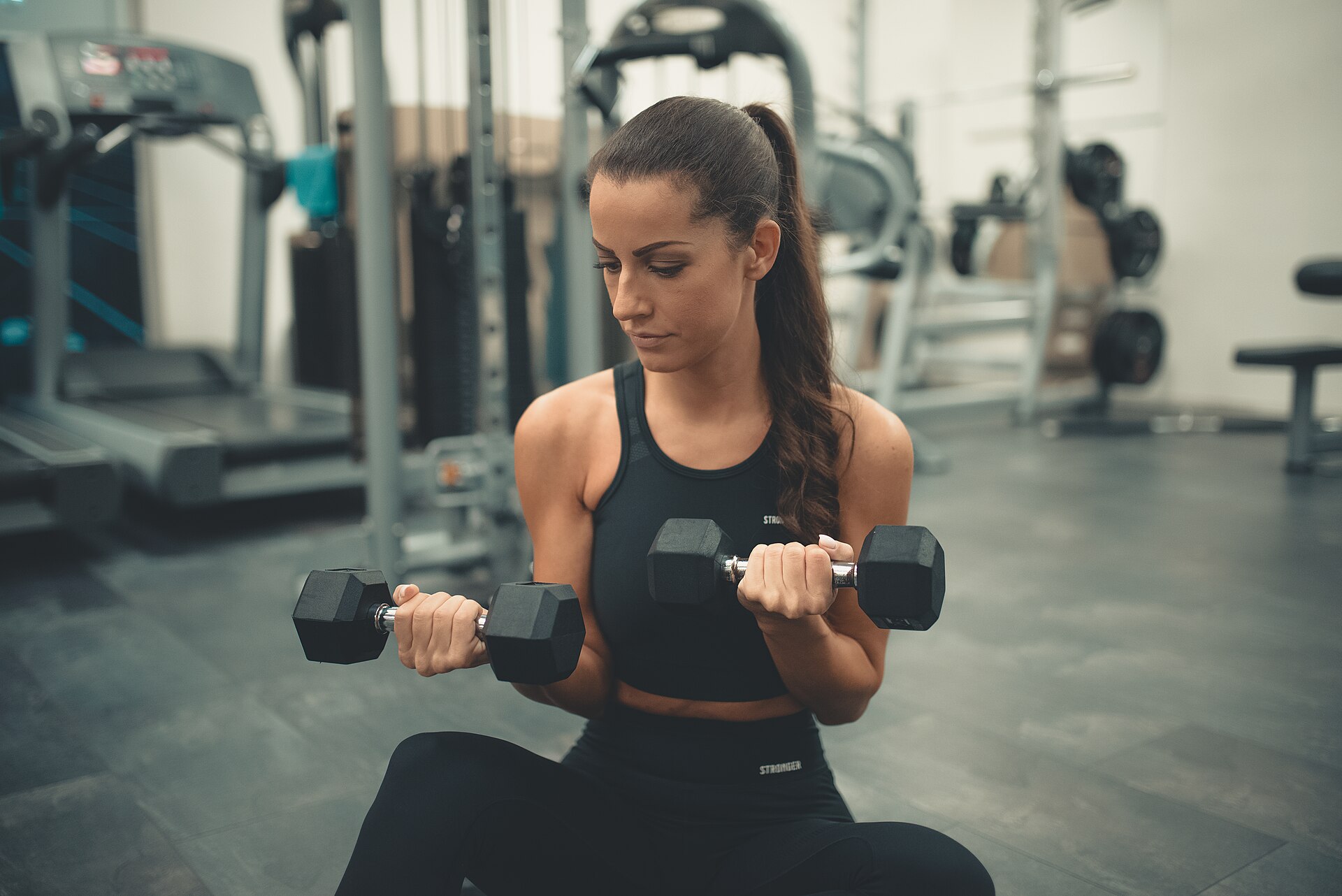
Anything that makes you hold heavy things builds grip as a matter of course. Deadlifts, rows, pull-ups, kettlebell work, carrying awkward loads around the garden. A 2025 systematic review in Frontiers in Physiology looking at older adults with muscle loss found that regular resistance training – somewhere in the range of two to five sessions a week – reliably improved handgrip strength. You don’t have to train like a powerlifter. You have to train, consistently, against meaningful resistance, and let grip come along for the ride.
If you want to be deliberate about the hands in particular, dead hangs are the neatest tool going. Ten to thirty seconds, a few times through, a couple of days a week. They build grip, they’re kind to the shoulders when done sensibly, and they cost nothing. Add them to the end of a session the way you might add a stretch. This is the same logic driving the crossover crowd at Hyrox events, where carrying and hanging under load is half the battle, and it’s why so many lifters now pair heavy compound work with something like creatine to hold on to muscle as they age.
Who needs to be careful
Grip work is about as low-risk as exercise gets, but a few people should ease in rather than dive.
If you’ve got arthritis in the hands or wrists, aggressive gripper crushing can flare things up – build slowly and stop if a joint complains rather than a muscle. Anyone with a recent shoulder injury should be cautious with full dead hangs, since hanging loads the shoulder joint hard, and it’s worth checking with a physio first. And if you’re returning to exercise after years off, the honest move is to start with your bodyweight and light loads and let your tendons catch up to your enthusiasm. Tendons adapt slower than muscle, and a torn something in week two helps nobody.
None of that is a reason to avoid it. It’s a reason to progress like an adult rather than trying to hang for two minutes on day one because a podcast told you that’s the target. The people who get hurt are almost always the ones who skipped the boring early weeks – the same pattern you see with every trend, from heavy lifting to the switch to barefoot shoes.
A dynamometer costs about twenty quid and tells you something useful about your next decade. Set that against the full body health scan a hundred thousand Britons have queued for, where £299 usually buys the news that you’re fine.
Claims doing the rounds you can skip
“A firm handshake means a healthy heart.” The studies measured an all-out squeeze on a calibrated device, not social gripping. A crushing handshake mostly predicts that people will avoid shaking your hand.
“You should manage a 90-second dead hang.” This one comes from podcasts, not papers. There’s no validated hang-time threshold tied to health outcomes at any age – the 30-second guide earlier in this piece is a fitness rule of thumb, nothing more.
“Your smartwatch tracks strength.” No wearable on sale measures strength, grip or otherwise. Steps, sleep and heart rate, yes. The one health marker this article is about, no – you have to actually test it.
“Grip training cures arthritis.” Gentle hand exercise can ease symptoms for some people, and physios do prescribe it. But it’s symptom management, not reversal, and aggressive gripper work can make a bad flare worse.
The number worth watching
Grip strength earned its moment. It’s cheap, it’s fast, it’s backed by hundreds of thousands of people’s worth of data, and it points at something that genuinely matters – how much usable strength you’re carrying into your later decades. The mistake is treating it as the goal. It’s a gauge, and the engine it’s reading is your whole body. Loaded walking is having its own moment too – our look at weighted vest walking digs into what the evidence does and doesn’t show.
So test yours this week, honestly, and don’t flinch if the number’s low. The better question isn’t what your grip says about you today. It’s what you’re prepared to do over the next three months to make the retest a bit annoying to lose to. Where does yours sit right now – and when did you last actually check?
Related reading: How often you should exercise.