
London Film Festival 2026 Tickets: The £6 Seat, the £40 Gala and What to Book at 10am on 17 September
The cheapest London Film Festival 2026 tickets cost £6, and hardly anyone who qualifies for them knows it. That’s the odd thing about the BFI’s 70th birthday programme, which landed on Wednesday morning with 251 titles from 88 countries: the headlines went to Danny Boyle, Taika Waititi and a £40 opening gala, while the best offer in the whole festival sat in a footnote about a free membership scheme for 16 to 25 year olds. If you’re under 26, every screening in the festival (subject to availability, which is the catch we’ll come to) is £6, no booking fee. That’s less than a large popcorn at the Vue on Leicester Square, and it’s for a European premiere with the director in the room.
In This Article
- London Film Festival 2026 tickets: what the £6, £10, £18 and £40 tiers actually buy
- The two-ticket rule that changes how you book
- Where the money should go: four picks and one to skip
- The Screen Talk is the best £21 in the festival
- Why the 70th LFF finally left London (a bit)
- The numbers behind the programme
- Booking day: what actually happens at 10am on 17 September
- Is a £39 BFI membership worth it for one week's head start?
For everyone else, standard tickets start at £10 and general sale opens at 10am on Thursday 17 September. Members book a week earlier, on the 10th. Patrons on the 9th. And there’s a second release on 1 October for the things that have gone. So that’s the calendar. What follows is where the money actually goes, and what’s worth queueing for.
London Film Festival 2026 tickets: what the £6, £10, £18 and £40 tiers actually buy
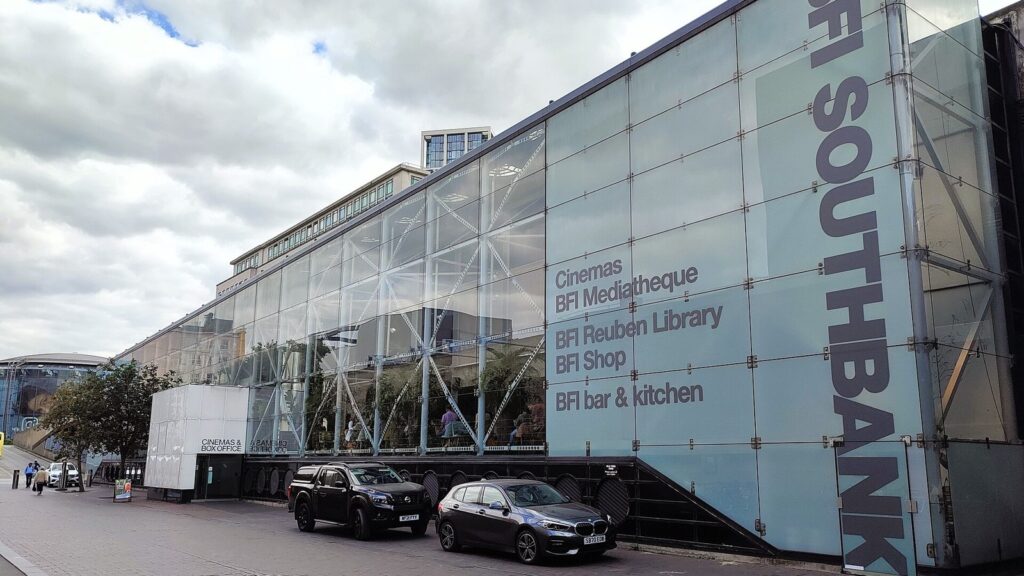
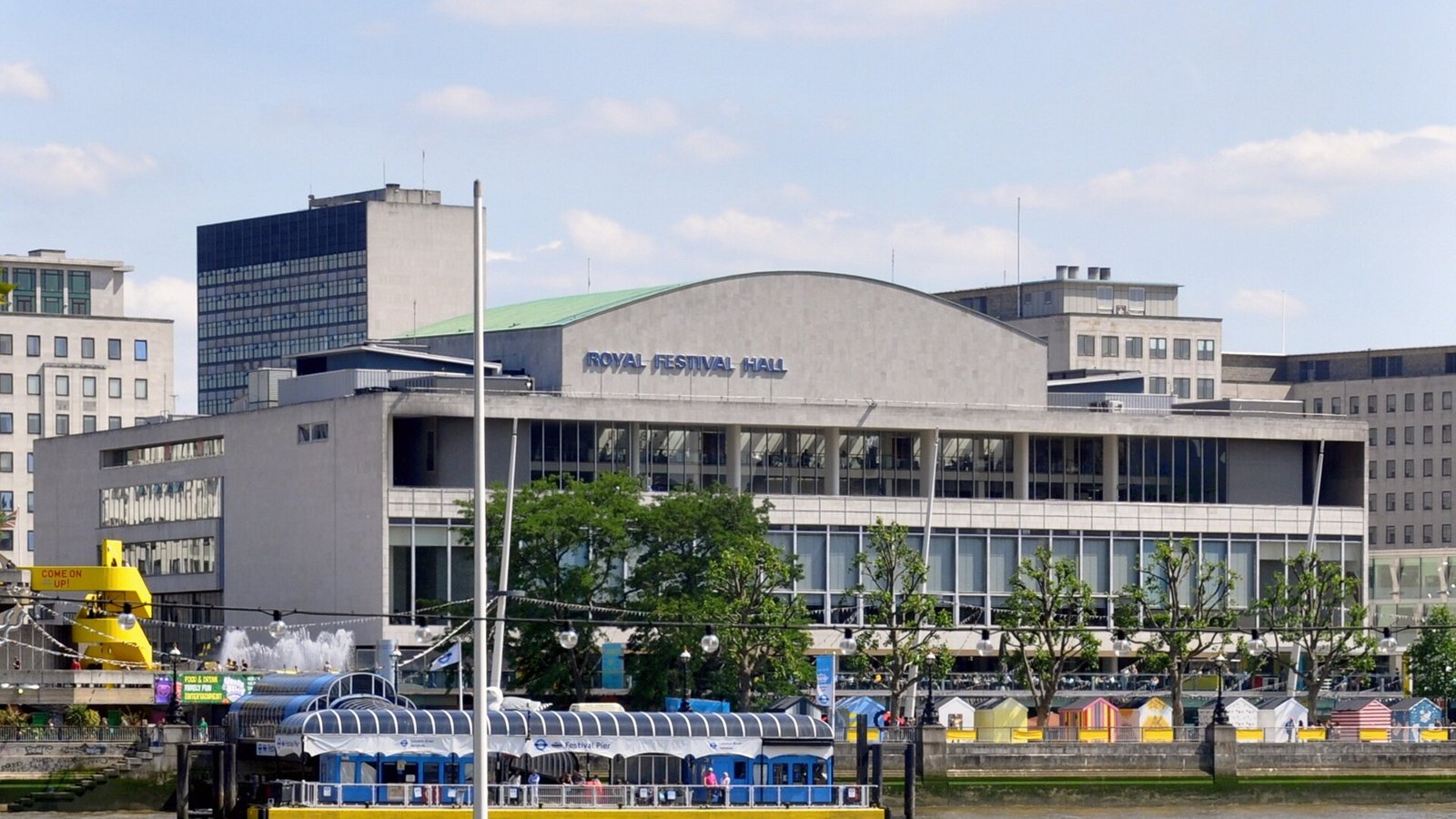
The BFI publishes its full price list, which is more than most festivals manage, and it’s worth reading properly rather than assuming everything is a tenner. It isn’t. The £10 starting price applies to weekday matinee concessions and the Family strand. A standard adult seat at BFI Southbank, the IMAX, Curzon Soho, the ICA, the Prince Charles or the Vue West End is £13 for a weekday matinee before 5pm and £18 for evenings and weekend mornings. Gala premieres at the Royal Festival Hall run from £21 to £30, with the Opening and Closing Night Galas at £40. Special Presentations are £21 for the premiere and £16 for a repeat weekday matinee. Screen Talks, the on-stage interviews with actors and directors, are £21 flat. The Surprise Film is £21.
So a realistic evening at the festival, one premiere and a drink, is £18 to £30 before you’ve eaten. Put two evenings together and you’re at £50 or so. That’s still cheap by London standards for something you can’t see anywhere else for months, but it’s not the “everything’s a tenner” festival that the top-line messaging suggests.
The 25 and Under scheme flattens all of that. £6 for a Gala. £6 for a Screen Talk. £6 for the relaxed screenings, which are £6 for everybody anyway. The one thing it can’t do is guarantee a seat, because the £6 allocation is capped and the phrase “subject to availability” is doing a lot of quiet work on the booking page. My advice, if you’re eligible: sign up now, before the 17th, so your account exists when the general sale opens. Signing up in the queue on the day is how people miss out.
The two-ticket rule that changes how you book
Until general sale opens on 17 September, the BFI caps every customer at two tickets per film (four for a family film). It’s a small rule with a big effect. Members can’t hoover up six seats for Ink and split them among mates, which is why the Galas don’t sell out in the priority window the way arena gigs vanish in presale. Compare that with the resale mess around the Last Night of the Proms this month, where the official £48 route is buried under £400 hospitality packages. The LFF’s resale ceiling is 20% above face value, and the BFI says it’ll cancel bookings that breach it. No refunds, no exchanges, for anyone. That last part is harsh but it keeps the secondary market small.
And the standby queue is real. Thirty minutes before a screening at BFI Southbank or the Festival Hall, unsold and returned seats get released fifteen minutes before the start. I’ve watched people walk into a “sold out” Gala on a Tuesday night this way. It doesn’t work for the big Saturday premieres, but midweek it’s better odds than most people assume.
Where the money should go: four picks and one to skip
The Galas are the festival’s shop window and, for value, the weakest part of it. £30 for a premiere you’ll be able to see for £12 at the Everyman in three months is a tax on impatience, and £40 for Elsinore on opening night is a fundraising ticket dressed as a normal one. Some of these are still worth it. Most aren’t. Here’s how I’d spend a hundred quid.
Ink, the Mayor of London’s Gala. Danny Boyle on Rupert Murdoch buying The Sun in 1969, with Jack O’Connell and Guy Pearce in the cast. This is the one Gala where the room matters, because the film is about Fleet Street and it’s screening a mile from where the story happened. If you’re going to pay £30 for anything, pay it for this. Boyle also gives the festival’s first ever Screen Talk outside London, at HOME in Manchester, which is the smartest thing in the programme (more on that below).
Klara and the Sun. Taika Waititi adapting Kazuo Ishiguro is a stranger pairing than it sounds – the novel is quiet and sad, and Waititi’s default register is neither. I’m going anyway. Ishiguro adaptations tend to be either very good (The Remains of the Day) or oddly inert (Never Let Me Go), and there’s not much middle ground.
Gone to Earth, the Archive Special Presentation. A new restoration of the Powell and Pressburger film that David O. Selznick famously butchered for the American release. It’s £21 at the premiere, £16 at a weekday matinee, and this is the screening the festival’s own audience will be talking about afterwards. Restorations at the LFF routinely outdraw the new films for word of mouth and rarely get the coverage.
The Trip to the Northern Lights. Winterbottom, Coogan and Brydon, fifth time round, now doing northern Europe. It’s a Series Special Presentation, so £21 for the premiere. You know exactly what you’re getting and that’s the point.
The one I’d skip is the Surprise Film. £21 for a mystery has a certain romance, but the LFF surprise has historically been a mid-tier awards contender with a UK release date a few weeks out. Spend the £21 on a Screen Talk instead.
The Screen Talk is the best £21 in the festival
This is the bit I’d push hardest. Every year the Screen Talks – ninety minutes with a filmmaker or actor on the BFI Southbank stage, questions from the floor – are the most underpriced thing in the programme. £21. Same as a Special Presentation. This year’s list is Andrew Scott, Ava DuVernay, Brad Bird, Cynthia Erivo, James Gray, Jesse Eisenberg, John Malkovich, Mahershala Ali, Naomi Ackie, Sofia Coppola and Boyle.
Scott is the obvious sell because he’s in the opening film and his Hamlet is still the one people measure others against. But James Gray is the one I’d pick if I could only see one. He talks about filmmaking the way a working builder talks about houses, and he’s got a new thriller, Paper Tiger, in the Gala strand to hang the conversation on. Gray doesn’t do many of these. Malkovich is the wildcard – either brilliant or he’ll spend half an hour on fabric.
The BFI puts the talks on BFI Player and YouTube afterwards, which you might think kills the case for buying a ticket. It doesn’t. The edited upload loses the bits that make a room laugh, and the floor questions usually get cut. And the talks sit at £21 with no concessions, which is the BFI telling you, quietly, that it knows they’re the good stuff.
Why the 70th LFF finally left London (a bit)
Ten venues outside the capital carry a slice of the programme this year: Broadway in Nottingham, Chapter in Cardiff, Glasgow Film Theatre, HOME in Manchester, MAC in Birmingham, Queen’s Film Theatre in Belfast, the Showroom in Sheffield, Tyneside in Newcastle, Filmhouse in Edinburgh and Watershed in Bristol. That list has been roughly stable for a few years, and the BFI’s honest line is that the regional venues set their own prices, so check locally rather than assuming £13.
What’s new is the Boyle Screen Talk at HOME. That’s a Radcliffe-born director doing the festival’s first out-of-London talk in his own city, and it should have happened a decade ago. Kristy Matheson, the BFI’s artistic director for festivals, framed the whole programme around the festival’s 1957 origins in a country “in a period of rapid social change”, and the line lands better outside the M25 than inside it. The UK-wide strand still feels like a satellite rather than a second festival, though. One Screen Talk and a handful of features isn’t a national event. It’s a start.
There’s a case that the regional screenings are the better deal for the pure film-goer. No red carpet, no Q&A, but you get the same title on the same week for local prices, and you don’t have to get across London on a Wednesday night. My cousin in Sheffield has done the Showroom LFF week for years and says the audience is more serious than Southbank, which I half believe.
The numbers behind the programme
Some figures, because the BFI is unusually forthcoming with them. 251 titles across features, shorts, series and immersive works. 88 countries. 109 works by female filmmakers, 43% of the programme, which is a figure the BFI is clearly proud of. 33 world premieres, 16 international premieres, 20 European premieres. Ben Roberts, the BFI’s chief executive, put the festival in the context of a strong cinema year, saying audiences had turned out “in record numbers” for blockbusters and indie breakouts alike. That squares with what we found in the UK box office data for 2026, which told the same story from the multiplex end.
The film that matters to the festival’s future isn’t a film, though. Water Body, the Marshmallow Laser Feast installation at St Martin-in-the-Fields, is the first LFF Expanded work to get its own venue away from Southbank, at £12 standard and £6 for under-26s. The immersive strand has been the festival’s awkward cousin for five years, tucked into the Southbank atrium. Giving it a church on Trafalgar Square is the BFI saying it thinks this is where a chunk of its audience is going. I’m not convinced yet. But £12 to find out is fair.
Booking day: what actually happens at 10am on 17 September
The BFI’s booking site is better than it was, which isn’t saying much. A few things that save a wasted morning. You need to be logged in to see prices and on-sale times at all, so make the account this week, not on the day. Basket holds are short. Galas and Screen Talks go first; the competition strands and the Debate and Journey sections often have seats for days. The 1 October extra release is not a token gesture – the BFI holds back a real allocation, and if you miss a Gala on the 17th, set an alarm for the 1st rather than paying over the odds on a resale site (which, remember, the BFI can cancel).
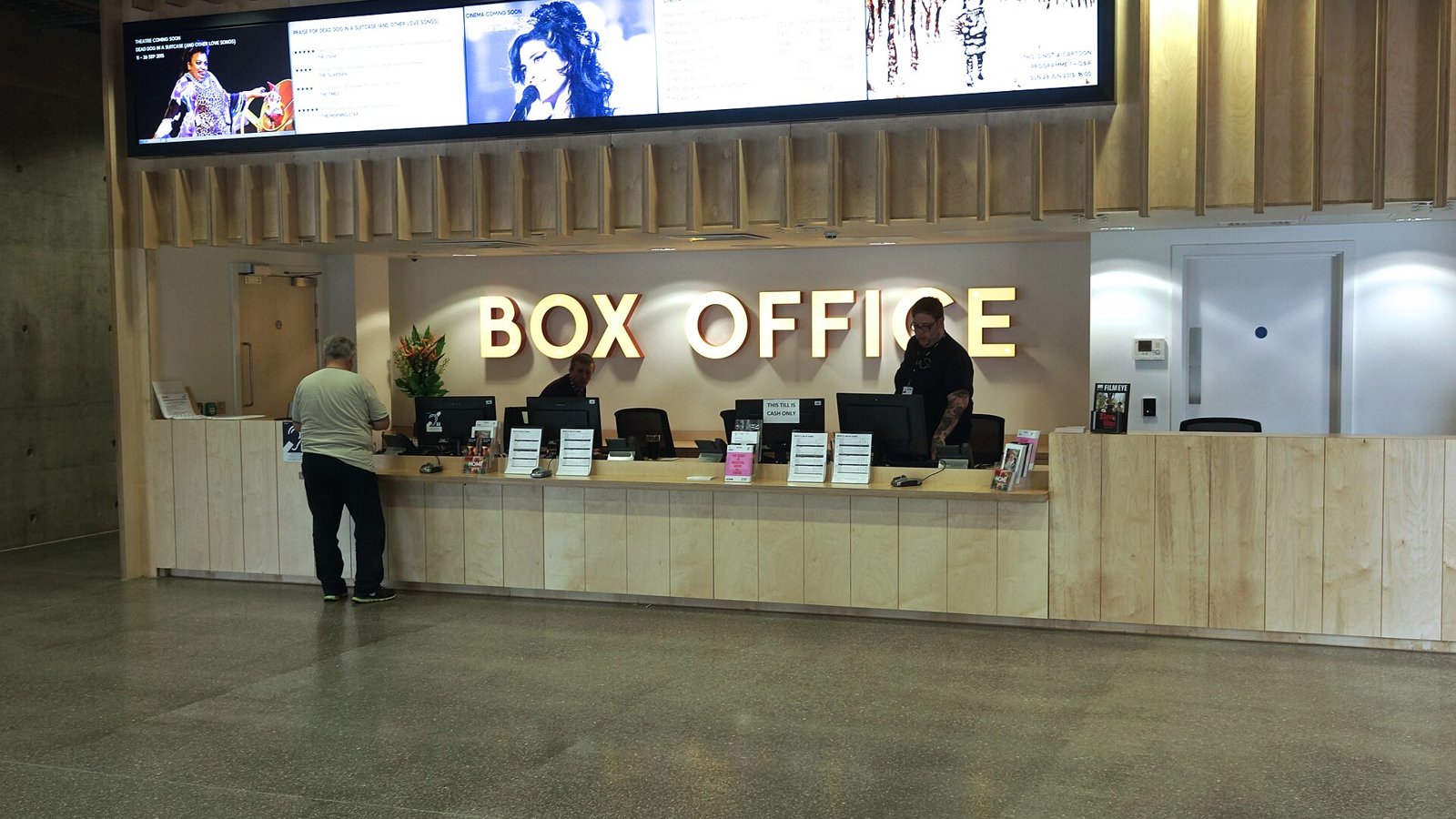
If you’re on Universal Credit, Pension Credit or Jobseeker’s Allowance, there’s a £6 on-the-day ticket scheme, but you have to register in person at the BFI Southbank box office with two documents before you can book online. Nobody advertises this. It’s the same idea as the 25 and Under scheme and it’s arguably more useful, because it doesn’t run out of allocation in the priority window.
And the free stuff. LFF for Free events – talks, some screenings, the Games Lounge at the IMAX – open for booking on 1 October, two per person, and a ticket doesn’t guarantee entry, so arrive early. It’s the same logic as the standby queue: the festival rewards people who turn up. It’s the same logic as Open House London, where the bookable tours went in 20 minutes but hundreds of doors open free on the day.
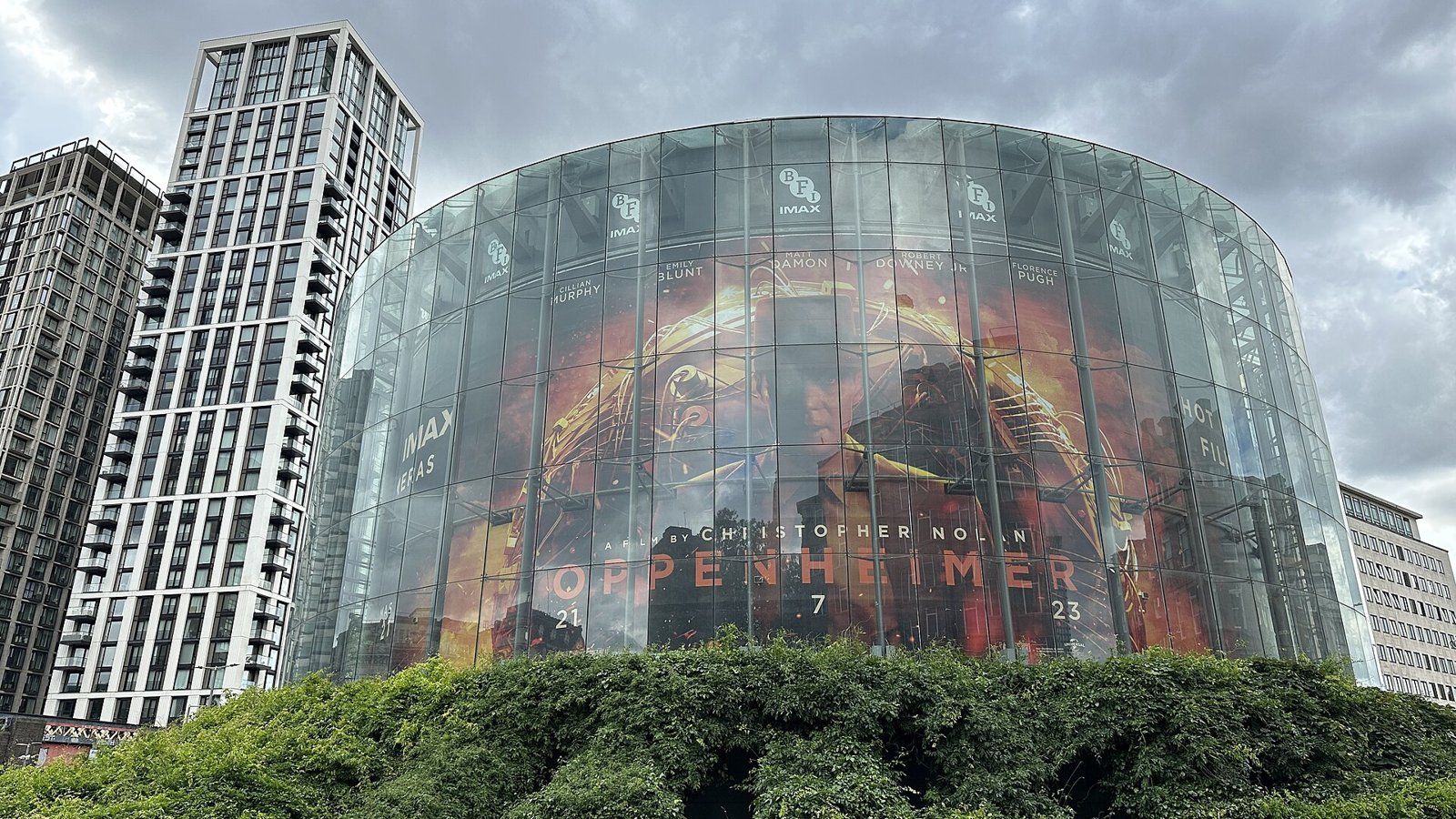
Is a £39 BFI membership worth it for one week’s head start?
The membership is from £39 a year and its main festival benefit’s priority booking on 10 September, seven days ahead of the public. Whether that’s worth it depends entirely on what you want. If you’re after two or three Galas and a Screen Talk with a big name, the membership pays for itself in access alone, because those are the tickets that are gone by the 17th. If you’re going for the competition films, the shorts programmes and the restorations, don’t bother – there’ll be seats.
The other calculation is the year-round one. Members get a discount on BFI Southbank tickets year-round, so if you go more than a handful of times you’re ahead. I’ve had one for four years and let it lapse twice. Both times I regretted it in September.
Where the festival is a proper good use of money – and I’d say this in most years – is as a way to see forty films’ worth of the autumn and winter release calendar before the marketing tells you what to think of them. That’s the same reason people are drifting to Letterboxd over the review aggregators: the appeal of an opinion before the consensus forms. For £18 you get that, plus a director on stage looking nervous. It beats the £30 IMAX premium screening for a film you already know everything about.
The 70th LFF isn’t a radical edition. It’s the same festival with a better regional idea and a price list that’s held roughly flat while everything else in London has gone up. The £6 ticket is the story, and it’s a story about who the BFI thinks should be in the room in ten years’ time. So which one are you going for: the £40 opening night, or six quid and a standby queue?
And if the festival programme is sold out or too rich, the other big-screen event this month is cheaper and older: Raiders of the Lost Ark is back in cinemas, and we’ve looked at whether the re-release is worth the ticket.
Sources: BFI, full programme announcement (2 September 2026); BFI London Film Festival tickets and booking information; BFI, Screen Talks programme (1 September 2026); Time Out London, LFF 2026 line-up.
If you are still deciding what to book, our guide to why the BFI London Film Festival matters beyond the red carpet covers the cheapest ways in.
Related reading: Our London nightclub guide to costs and tips.