
Letterboxd 2026: How a Film-Logging App Took Over the Way Britain Talks About Cinema
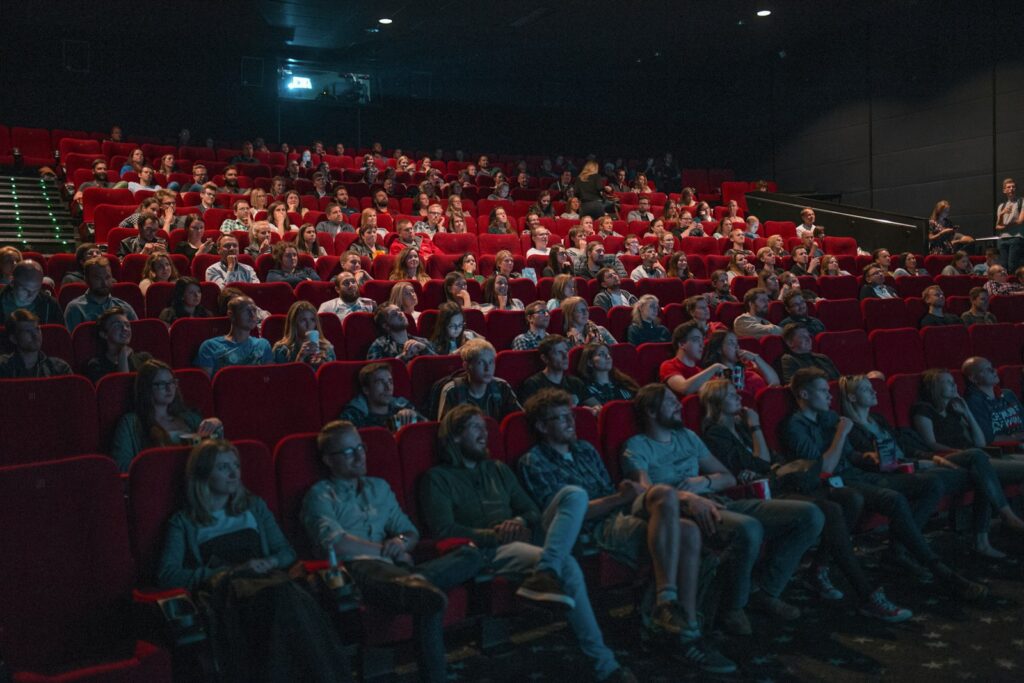
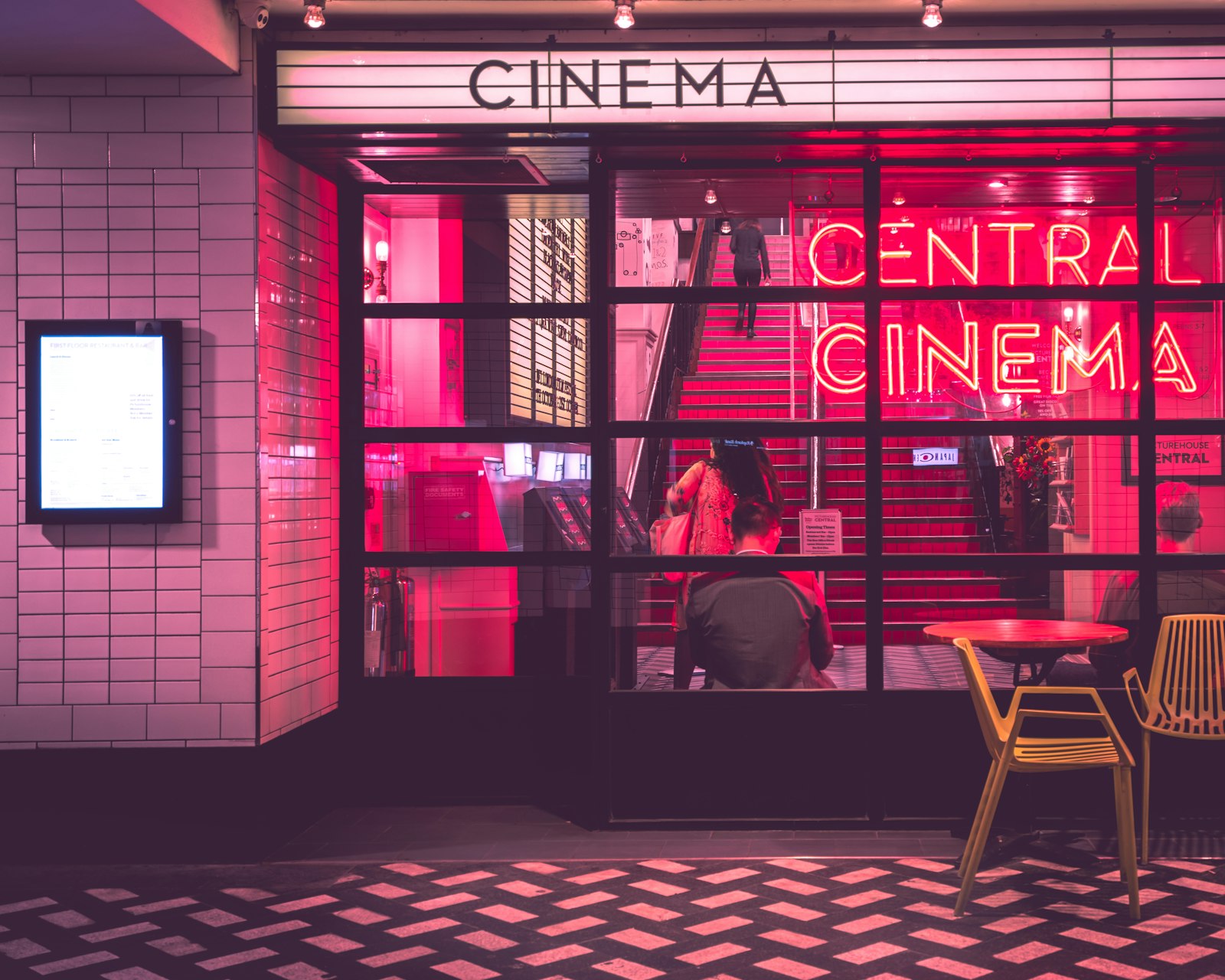
Stand in the queue at a Curzon or a Picturehouse on a Friday night and listen for a minute. Somewhere in the line, someone is reading out a stranger’s review off their phone before the film has even started. Half a star, four lines, a joke about the lead actor’s accent. That stranger isn’t a critic. They’re a 24-year-old in Leeds with a nice profile picture and 1,400 followers, and their opinion has just shaped how two people will watch the next two hours.
In This Article
- Letterboxd 2026, by the numbers
- The four-favourites trick that did the heavy lifting
- What it’s actually doing to the way we watch
- Where it gets a bit much
- The British box office it’s quietly propping up
- The marketing departments have worked it out
- Should the critics be worried?
- So where does this go next?
The same generation logging every film on Letterboxd is largely the one that keeps the subtitles on by default, watching as much with their eyes as their ears.
That’s the small, slightly mad thing about Letterboxd 2026: a film-logging app built by two New Zealanders has ended up sitting between British audiences and the films they choose to see. It started as a tidy way to keep a diary of what you’d watched. It’s become the place a lot of people decide what’s worth their evening at all.
And it happened without most of the country quite noticing.
Letterboxd 2026, by the numbers
The scale is the part that surprises people. Variety reported the platform passed 17 million members by the end of 2024, and the figure has since been put north of 26 million, up from around 1.5 million as recently as 2019. For a service with no algorithmic feed shoving content at you and, until fairly recently, no real advertising, that’s a strange kind of growth.
The engagement numbers are what make it more than a vanity metric. In 2024 alone, members logged more than 700 million films watched and wrote in the region of 96 million reviews. People aren’t just signing up and drifting off. They’re keeping diaries, building lists, rating things at two in the morning after the credits roll.
To put 26 million in context: it’s still a fraction of IMDb’s reach, and a rounding error next to the streamers. But IMDb is a reference library people consult and leave. Letterboxd is somewhere people live. The closest comparison isn’t another film site at all – it’s the way Goodreads colonised how a certain kind of reader talks about books, except Letterboxd did it with far better taste and a much sharper sense of humour.
Ownership matters here too. The Canadian holding company Tiny took a majority stake back in 2023, with the founders Matthew Buchanan and Karl von Randow staying on to run it. That’s the quiet engine behind the push into events, merchandise and the brand deals you now see splashed across press junkets – the “four favourites” interviews that turn up on your timeline whether you asked for them or not.
The four-favourites trick that did the heavy lifting
If you want to understand why Letterboxd broke out of its niche, look at the four favourites box. It’s a tiny feature – you pick four films to pin to your profile – and it turned out to be one of the smartest bits of social design of the decade.
Four is the magic number. Ask someone for their top ten and you get a careful, boring list with all the right canonical choices. Ask for four and something interesting happens. They have to leave things out. They have to commit. The student paper at York wrote a whole piece on this, arguing the constraint is the entire point – the gaps say as much as the picks. A profile with Paddington 2, Mulholland Drive, Hot Fuzz and In the Mood for Love tells you something a ranked list never could.
Then the publicists got hold of it. Stand a film star in front of a camera at a premiere, ask them their four favourites, and you’ve got a 40-second clip that travels. The format jumped the fence from app to red carpet to everyone’s feed. People who’ve never logged a single film know what a “top four” is now. My sister, who watches maybe six films a year and three of them at Christmas, asked me what I’d put in mine. That’s reach.
The cleverness deserves spelling out, because plenty of platforms have tried to bottle this and failed. The four favourites work because they’re low effort and high signal. You don’t write anything. You don’t justify yourself. You just pick, and the picks do the talking. Compare that to the dead weight of a “currently reading” shelf or a Spotify Wrapped that nobody asked to be made public, and you can see why this one stuck. The genius was in the limit, not the feature.

What it’s actually doing to the way we watch
Here’s where it gets interesting, and a bit uncomfortable. Tracking a film changes how you watch it.
Once you know you’re going to rate something and maybe write a line about it, you watch differently. More alert, more judgemental, a bit more like a critic and a bit less like a person having an evening. There’s research kicking around that compares the habit to other scrolling-based dopamine loops, and the comparison isn’t entirely unfair. The little hit of logging, of seeing your numbers tick up, of the year-end stats – it’s the same machinery that keeps people on every other app.
There’s a completist streak it brings out in people, as well. Once your diary exists, gaps in it start to nag. You find yourself watching a director’s lesser films purely to finish the set, or sitting through something you’d normally skip because a challenge you signed up for in January says you have to log a film from every decade. Some of that is daft and harmless. Some of it genuinely widens what people watch – I’ve sat through black-and-white films I’d never have gone near otherwise, purely because a list told me to, and a couple of them have stuck with me for years. The habit can be a cage or a door depending on the day.
The watchlist is the other behavioural shift. Millions of people now keep a running queue of films they mean to get to, which sounds harmless until you realise it’s started to function as a recommendation engine that the streamers don’t control. When something obscure suddenly racks up tens of thousands of watchlist adds, distributors notice. A re-release gets booked. A forgotten film from 2009 finds a second life. That’s happening more and more, and it’s feeding straight back into what plays in British cinemas and what gets a tidy 4K restoration. It’s also part of why the shift towards watching at home hasn’t killed off the appetite for going out to a proper screening – the app keeps the discovery engine running in both directions.
Where it gets a bit much
Now the part the platform’s fans won’t love.
A lot of Letterboxd has curdled into performance. The site rewards a certain kind of review – the snappy one-liner, the contrarian half-star, the joke that gets the likes – and that’s not the same thing as actually saying anything about a film. Scroll the popular reviews of any big release and you’ll find more people performing a personality than engaging with the work. The funniest line wins. The film barely gets a look in.
There’s a gatekeeping streak too. A sneer at anyone who rates a crowd-pleaser highly, a smugness about the “right” films to like, the half-star review used as a flex rather than a verdict. I’d argue the half-star pile-on has become genuinely tiresome – a film comes out, a certain crowd decides it’s the thing to dunk on, and suddenly hundreds of near-identical “this set cinema back a decade” reviews appear, none of them really watched with an open mind. It’s groupthink wearing the costume of independent taste.
And the numbers themselves can mislead. A film’s average rating on the app skews young, online and film-literate in a very particular way. It is not the British public. Treat the Letterboxd average as the verdict of the nation and you’ll be wrong a lot of the time – usually about exactly the warm, unfashionable, broadly loved stuff that fills cinemas. The same crowd that adores a three-hour subtitled drama will happily kick a perfectly decent comfort watch into the dirt for being too pleasant.
The bias runs in a predictable direction, too. Big studio films get marked down for the crime of being popular, while a certain register of bleak, festival-circuit drama gets waved through almost on sight. There’s a film-school instinct that anything difficult must be good and anything that lots of people enjoyed must be suspect. It’s the exact inversion of the snobbery the platform’s users like to think they’re above, and it’s just as lazy. A genuinely great crowd-pleaser is harder to make than a competent miserable one, not easier.
None of this means the place is rotten. It means it’s a culture, with all the snobbery and tribalism any culture picks up. Just don’t mistake it for an objective scoreboard.
The British box office it’s quietly propping up
The bigger picture is that all this is happening while UK cinema is having a hard few years. According to the BFI’s figures, admissions across the UK in 2025 came in at 123.5 million – down 2% on the year before and roughly 30% below where they sat before the pandemic. Box office takings nudged up to just under £997 million, but that’s still a fair way short of 2019.
Look at what actually sold tickets and the problem sharpens. Seventeen of 2025’s top 20 films were sequels, franchise entries, remakes or films based on video games. A Minecraft Movie took the year’s crown. The blockbuster end of the market is eating itself, recycling the same handful of brands.
Against that backdrop, the independent end is where Letterboxd earns its keep. Screen reported UK indie market share sitting around 6.8% – small, fragile, and hugely dependent on word of mouth. The likes of The Rose and We Live In Time didn’t have Marvel marketing budgets. What they had was a slow build of people logging them, rating them, telling their followers to go. That’s not a nice-to-have for a small British film any more. It’s frequently the difference between a second week on screens and a quiet death. If you want a sense of what’s been breaking through, our pick of the best British films of 2026 leans heavily on titles that found their audience this way.
Then there’s the back catalogue. Repertory programming – old films back on the big screen – has quietly become one of the healthier corners of British exhibition, and a lot of that is downstream of the app. A 1990s cult film gets a viral run of reviews, the watchlist adds spike, and a chain like the Prince Charles in London or a regional independent books a 35mm run that sells out in an afternoon. Twenty years ago that audience had no way of finding each other. Now they organise, more or less by accident, through a shared diary.
The marketing departments have worked it out
None of this is lost on the people selling films. A few years ago a UK distributor’s social plan was a trailer, some poster art and a couple of paid posts. Now there’s a whole layer underneath that’s about seeding the platform – getting early screenings in front of the accounts with reach, hoping the first wave of reviews lands warm rather than cold. A strong opening day on the app has become something marketing teams chase, because a film that arrives already rated 4.2 carries a momentum no billboard buys.
It cuts both ways, mind. A film that lands at 2.8 on opening weekend can get talked out of existence before the second Friday. Distributors know this, and the smart ones have stopped fighting it and started planning around it – holding back wide release until the early word builds, leaning into the films that play well with a younger, online crowd. For a small British title with no marketing budget worth the name, that early run of reviews isn’t a bonus. It’s the campaign.
Should the critics be worried?
The easy story is that the amateurs have come for the professionals, and the broadsheet critic is on the way out. It’s not that simple.
What’s actually shifted is the shape of authority. There used to be a clear top of the pile – a handful of national newspaper critics whose star ratings carried real weight. That hierarchy hasn’t vanished, but it’s flattened. A well-followed Letterboxd account can move more tickets among under-30s than a four-star review in a paper their parents read. The “everyday expert” sits alongside the professional now rather than below them, and for a generation that grew up online, the amateur often feels more trustworthy precisely because they’re not being paid.
The good critics have adapted. Plenty of the best British film writers keep active profiles, write the odd loose, funny capsule review they’d never file to an editor, and meet readers where they are. The ones in trouble are the ones who treated their authority as a birthright. And honestly, a bit of that pressure is healthy – the same way the rise of audiences having a platform has shaken up everything from music to the way the institutions programme their seasons.
What’s harder to defend is the flattening of everything into a number out of five. A film is not a five-star scale. Some of the most interesting writing about cinema is about the things a rating can’t hold – the bit that didn’t work but stayed with you, the flawed film you’d rather rewatch than the polished one. Letterboxd, for all its writing, still funnels everything towards a score. That’s the tension it hasn’t solved.
So where does this go next?
The platform’s at an awkward size now. Big enough to matter to studios, small enough to still feel like it belongs to the people who use it – and those two things rarely coexist for long. The brand deals are creeping in. The festival partnerships are growing. At some point the thing that made it feel like a clubhouse rather than a billboard gets tested properly.
For now, though, it’s reshaped British film culture more thoroughly than almost anything since the streaming boom, and it did it by accident, one logged film at a time. The question worth sitting with isn’t whether it’ll keep growing. It’s whether a generation that learned to watch films with one eye on the rating box can ever go back to just watching – so when you sit down for the next one, are you watching the film, or already writing the review?
Plenty of users are logging films they have watched at outdoor screenings this summer.
Read next: logging films is only half of how Britain consumes culture now. Listening has quietly become the other half, as we found in the audiobook boom.
If your watchlist needs a genuine event entry, The Odyssey in IMAX is the one 2026 release your feed will not stop logging.





Pingback: LetterBoxd Worth $250 Million: Why Half of Hollywood Wants to Buy Letterboxd – ScreenProfits