Open House London 2026: The Booked Tours Went in 20 Minutes, but 800 Free Doors Still Open on Saturday
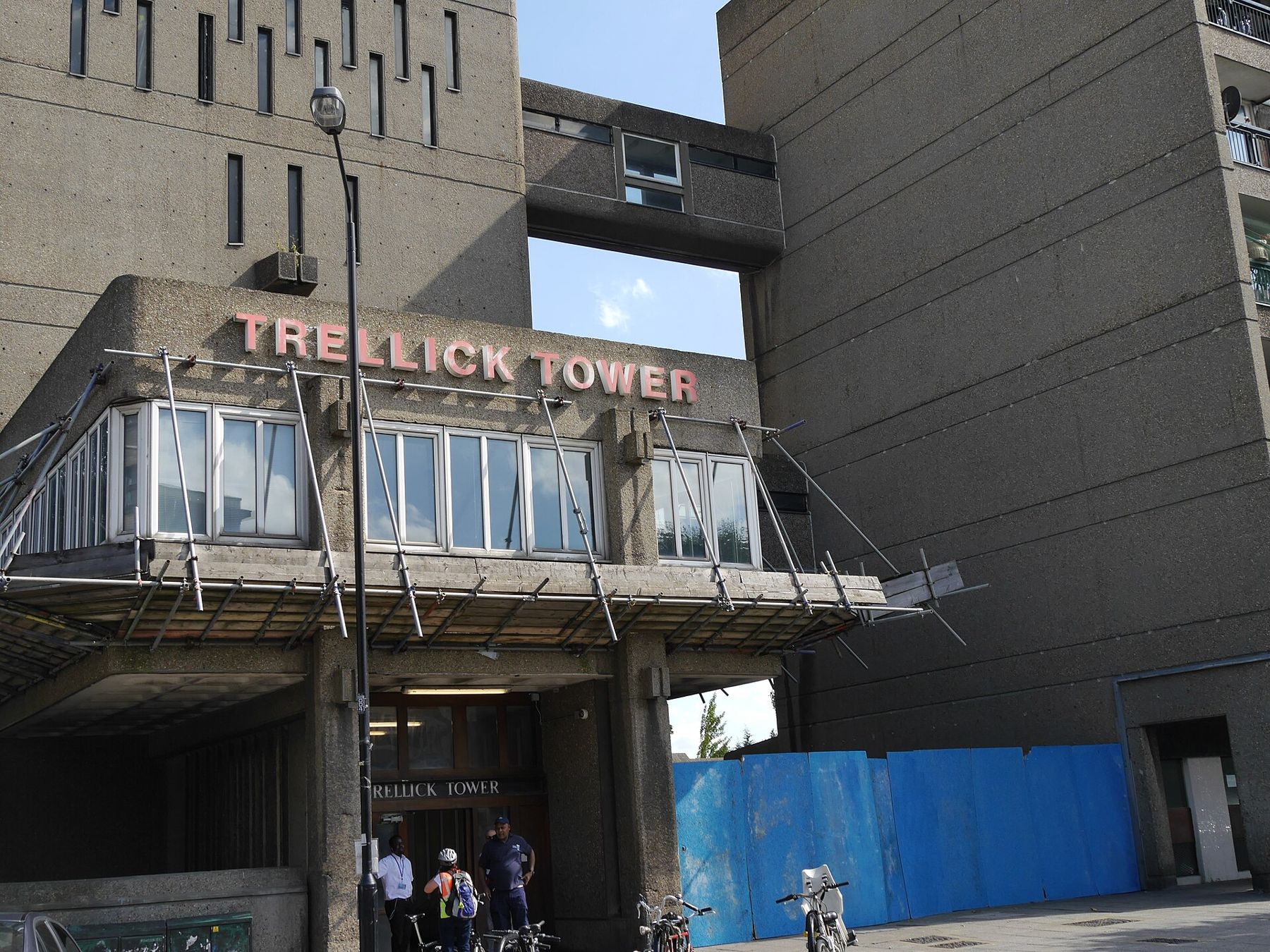
Everything you could book for Open House London 2026 went in about twenty minutes. That was 19 August, midday, and the festival website did what it does every year – it fell over, came back, and by the time most people got through, the BT Tower, the Reform Club, Trellick Tower and the Lloyd’s Building tours had gone. The comments under ianVisits’ booking guide read like a support group. “Too late. Everything sold out within 20 mins.” “It has crashed again!” “I just think this is a big con.”
In This Article
- What Open House London 2026 is actually for
- The 20-minute sell-out, and why I’ve stopped caring
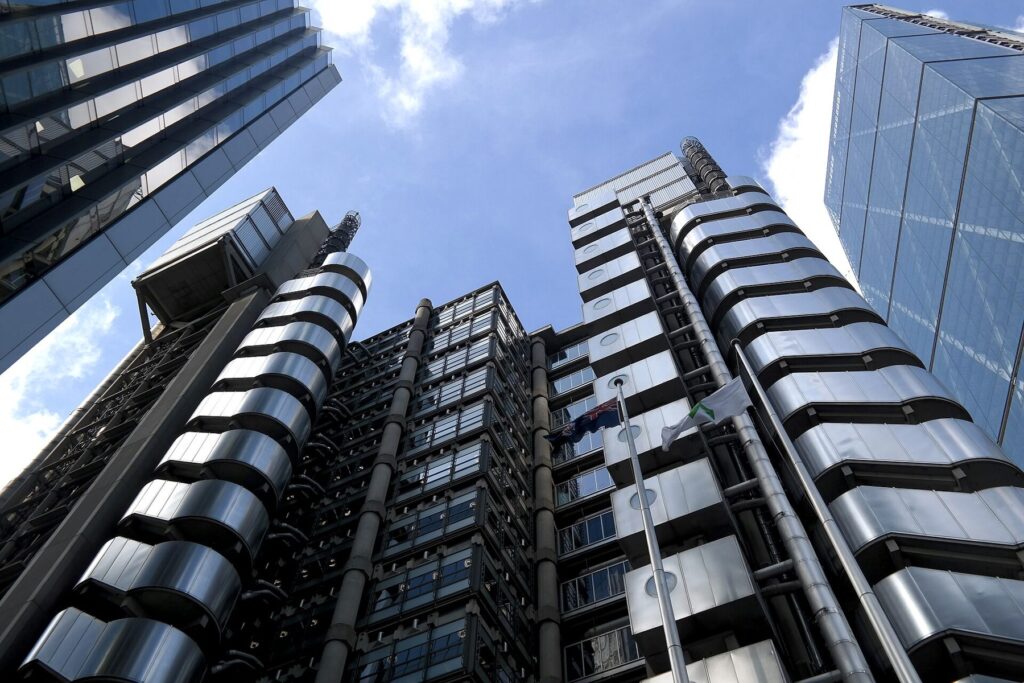
- Lloyd’s at 40: the building that makes the case for the whole thing
- Pick a neighbourhood, not a wishlist
- The private homes are the best bit, and nobody says so
- Infrastructure day: the stuff that only opens once
- Practical bits, kept short
- Why the crash matters more than the tickets
And yet none of that matters very much. Because the thing about Open House – the 35th edition runs from Saturday 12 to Sunday 20 September – is that the bookable tours were never the festival. They’re the trailer. The festival is the other 700-odd buildings across all 33 boroughs where you just turn up, join a queue that’s usually shorter than the one at Pret, and walk in. Free. No account, no ballot, no refreshing at 11:59. It also overlaps exactly with London Design Festival 2026, which runs the same nine days and is almost entirely free too – the two together make it the best fortnight in London’s calendar to see buildings for nothing.
Last year 370,541 visits were made that way, up 35% on 2024, according to Open City’s own impact report. That’s more than Glastonbury and Reading put together in a normal year, spread over nine days, in a city that supposedly can’t do anything without a wristband and a £14 pint.
What Open House London 2026 is actually for
People get this wrong, so a quick word on what the festival is. Open City, the charity that runs it, describes it as a celebration of London’s built environment. In practice it’s a licence to be nosy. Offices, livery halls, pumping stations, council chambers, embassies, recording studios, and – this is the bit people underrate – other people’s houses. Every year a few hundred Londoners open their front door and let strangers stand in the kitchen extension asking what the bifolds cost.
The 2026 programme was published on 15 July and runs to somewhere north of 800 listings if you include the walking tours and talks. Ian Mansfield at ianVisits, who waded through it so the rest of us didn’t have to, counted “circa 700 venues” that are buildings you can physically enter, and found that only a few dozen of those needed pre-booking. The rest are drop-in.
Which means the ratio is roughly 95:5 in your favour. The 5% is what everybody fights over. The 95% is what everybody actually visits.
The 20-minute sell-out, and why I’ve stopped caring
I’ll say it plainly: the ticketed headliners are the most overrated part of Open House, and the 10 Downing Street tour is the most overrated ticket in London’s entire free calendar.
This year Downing Street was the only building run on a public ballot, open from 15 July to midday on 17 August. Tens of thousands enter. A few hundred win. What the winners get is a walk up the famous staircase, a look at the Cabinet Room table, a garden, and a very firm man asking them not to touch anything. It’s fine. It’s a nice story for the pub. But it’s forty minutes in a building that has been on the telly every night of your life, and it costs you a summer of hoping.
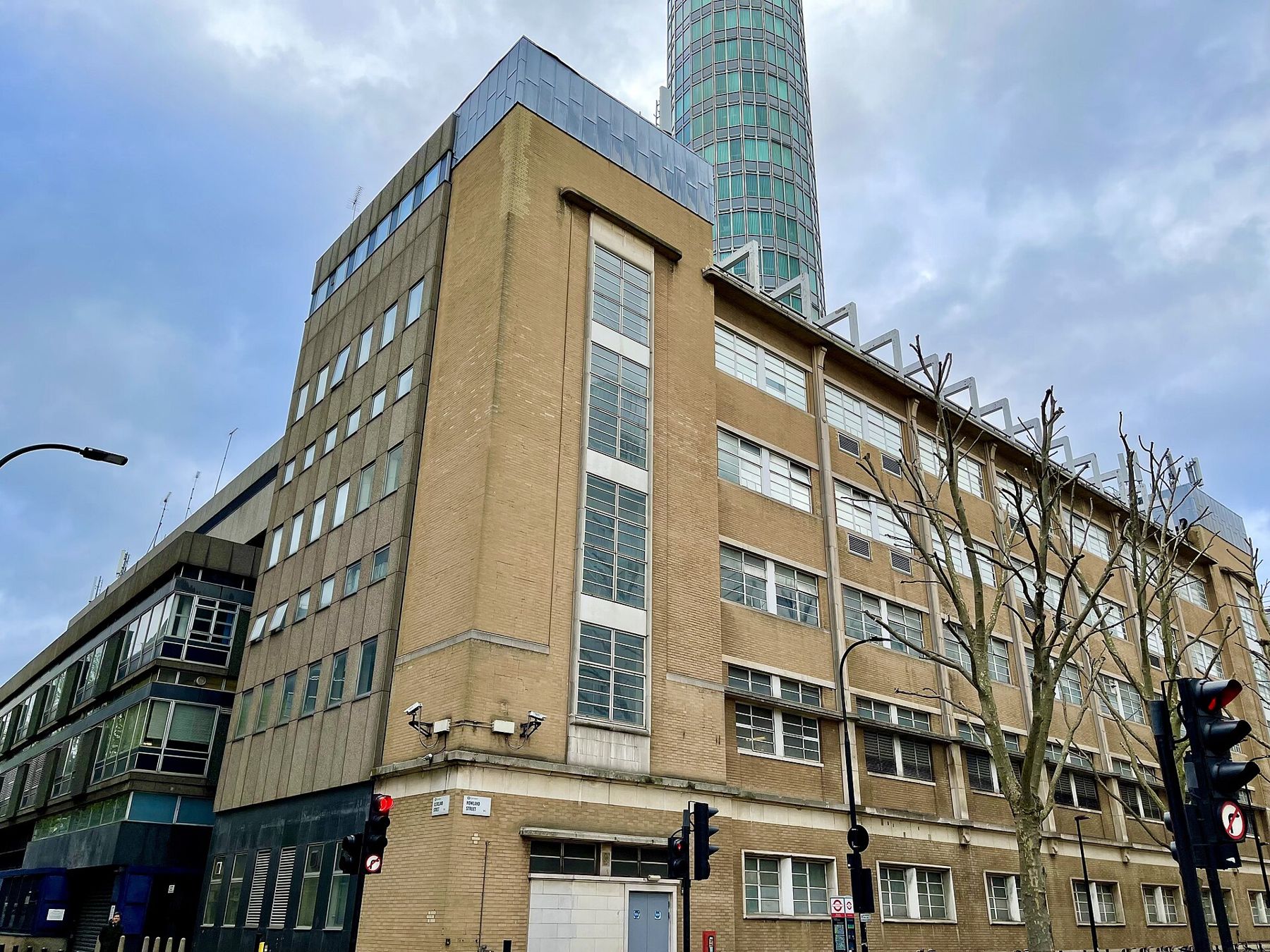
The BT Tower was the other big one, and 2026 was unusual because it came out of the ballot and went into general booking for the second weekend, 19 and 20 September. That’s why the website died. Ian Mansfield’s advice was to be logged in before midday because “the website crashes under demand for tickets”, and readers reported exactly that – locked out at 12:00, back in at 12:15, nothing left. If you missed it, you missed it. There’s no returns queue worth planning a day around.
But here’s what I’d say to anyone still sulking about that. The BT Tower is a lift ride and a view. London has views. What it doesn’t have, on any other week of the year, is a way into a Victorian hydraulic power station in Wapping, or the archive strongroom of the National Theatre, or a flat in Highpoint with the resident telling you which bits Lubetkin got wrong. Some of those need a booking too – the National Theatre Studio and Highpoint both did – but plenty of the best stuff doesn’t, and that’s where the festival earns its keep.
Lloyd’s at 40: the building that makes the case for the whole thing
If Open House London 2026 has a centrepiece, it’s Richard Rogers’ Lloyd’s Building turning forty. The guided tours were bookable (and went, obviously), but the festival is also using the anniversary to put the building front and centre, and it deserves it more than any tower London has built since.
Here’s the opinion bit. The Lloyd’s Building is better than the Gherkin, better than the Shard, better than the Cheesegrater it now sits in the shadow of, and it isn’t close. It was finished in 1986, listed Grade I in 2011 – the youngest building ever to get that grade at the time – and it still looks like it arrived from somewhere London hasn’t got to yet. Rogers put everything that normally hides inside a building on the outside: the lifts, the ducts, the stairs, the loos in bolt-on pods. Underwriters hated it. The City called it the oil refinery. Forty years on, it’s the only 1980s building in the Square Mile that anyone would cross the road to look at.
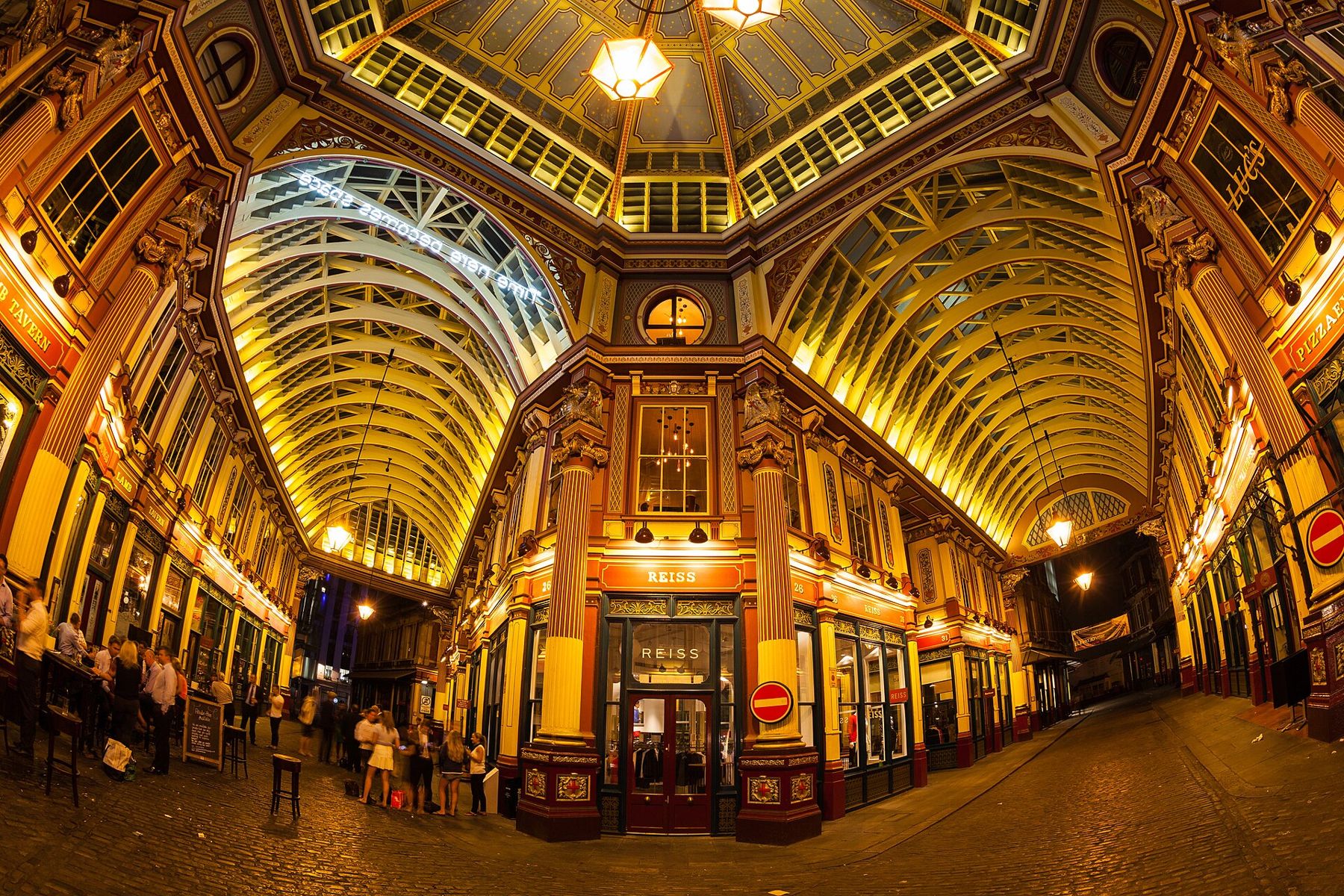
And you don’t need a ticket to look at it. Leadenhall Market backs onto it, the market is itself in the programme (with access underground to the remains of the Roman basilica this year), and you can stand in the little plaza on Lime Street and watch the glass lifts crawl up the outside for as long as you like. My mate who works two streets away had never once looked up. He did in 2024 because of Open House. That’s the whole point of the festival in one sentence.
Pick a neighbourhood, not a wishlist
The single biggest mistake first-timers make is treating the programme like a bucket list – eight buildings in eight postcodes in one Saturday. You’ll spend the day on the Tube and see three of them.
Open City has cottoned on to this. For 2026 it’s pushing what it calls festival neighbourhoods: Bankside, Fitzrovia, and Piccadilly & Jermyn Street, plus a King’s Cross “Humanise” trail with a hand-drawn map from Thomas Heatherwick’s studio. The idea is that you pick one patch and walk it.
Bankside is the one I’d do. Start at the Bankside Yards railway arches (there’s a talk on the Tuesday evening if you booked, but the arches are the arches), walk the river past Tate Modern, and turn inland for the clutch of housing co-ops, print works and church halls that open every year and never make anyone’s top five. You’ll be done by three. You’ll have a pub. You’ll have seen more of London than someone who queued ninety minutes for one landmark.
Fitzrovia is the alternative if you want the BT Tower in your eyeline all day as a kind of consolation prize. And the Piccadilly trail is good for the gentlemen’s clubs and the arcades, though the Reform Club’s tours went in the first minutes, so you’ll be admiring the colonnade from Pall Mall.
For more free ways to see London, see our Frieze London guide and its free sculpture trail.
The private homes are the best bit, and nobody says so
The “Homes with Stories to Tell” strand is the reason to go. Not one of the reasons. The reason.
Open House started in 1992 with about twenty buildings and a photocopied leaflet. What’s changed most since isn’t the landmarks – the Foreign Office and the Bank of England have been in and out of the programme for decades – it’s the homes. Every year more ordinary Londoners open a terrace in Walthamstow, a maisonette on the Golden Lane Estate, a self-build in Lewisham, and let the public in. The 2026 list includes a deep retrofit called St George Villa and a low-energy new-build, Green Lodge, and if you care even slightly about how a British house is supposed to work in 2030 these are the visits that will change how you think.
Two reasons they beat the landmarks. First, scale: you can see the whole thing, talk to the person who lives there, and ask the rude question about the bill. Second, they’re honest. A council chamber is performing for you. A house is just a house, with the owner slightly embarrassed about the state of the hall. I’ve had better conversations about insulation in a stranger’s kitchen during Open House than in any showroom.
If you’ve been following our pieces on why the big light is dead or the boot-room obsession, this is where you go to see those ideas built by people who had to live with the results. It’s the interiors show without the ticket price.
Infrastructure day: the stuff that only opens once
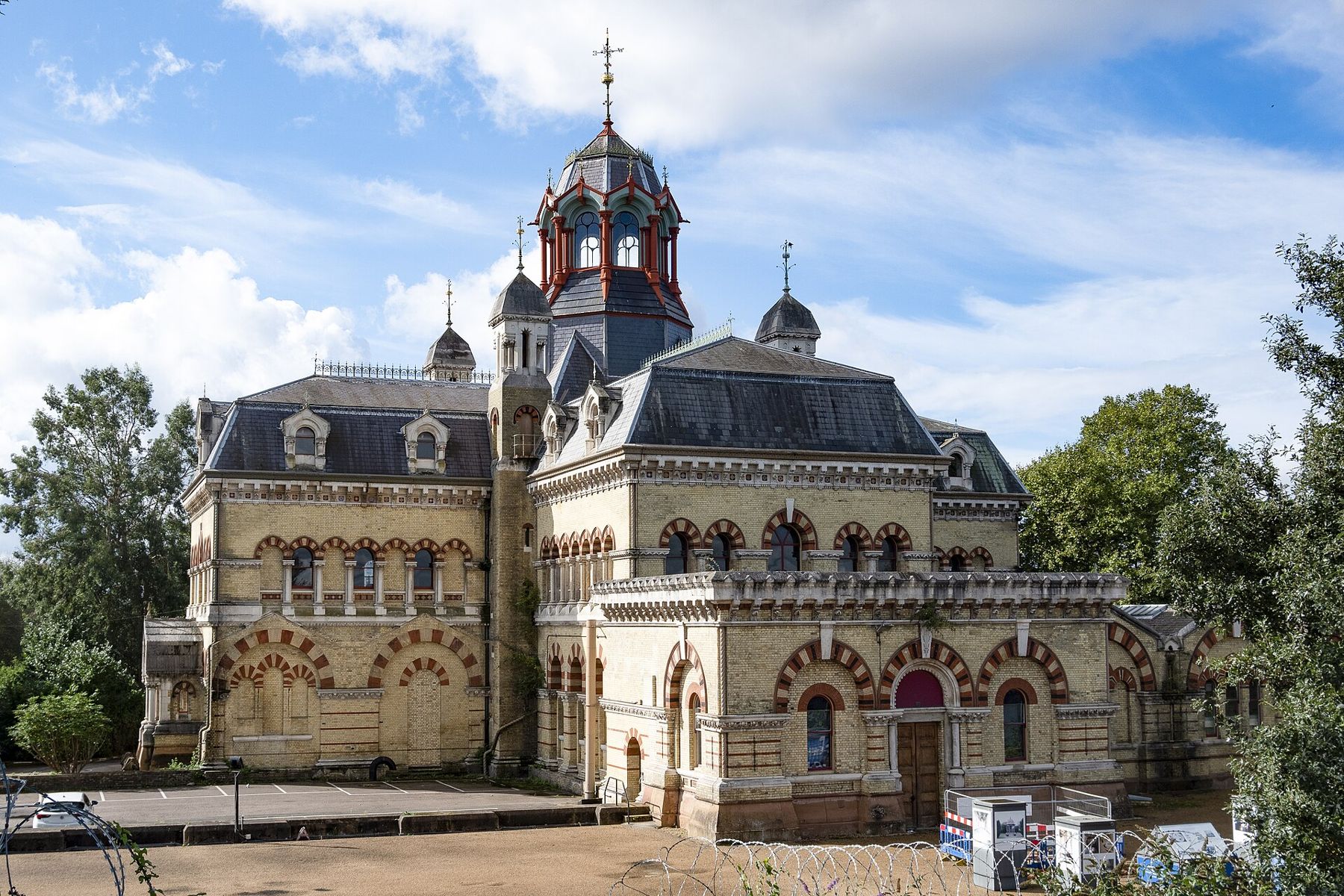
The London Society’s picks this year lean heavily on how the city works, and they’re right to. Wapping Hydraulic Power Station is the standout – the last of its kind, closed for a decade, now being restored, and the sort of place that’s only open because a group of people cared enough to make it happen. West Ham Pumping Station is Victorian civic showing-off at its most extravagant, all polychrome brick and cast iron for the purpose of moving sewage. Citigen, the power station tucked behind Smithfield, is the opposite: modern, hidden, and the reason half the City has heating.
Then there’s the transport lot. Crystal Palace Subway – the 1865 tiled vault under the road that used to lead to a station for the Palace – opens with a model railway of the old High Level station shown inside it for the first time. And the Morden extension tours mark 100 years since the Northern line reached Morden, with Charles Holden’s stations along the way. That one was bookable, but Holden’s stations are Holden’s stations and you can stand outside Clapham South for free any day you like.
None of this is glamorous. All of it is more interesting than a view from a tower.
Practical bits, kept short
Dates: Saturday 12 to Sunday 20 September 2026. The two weekends carry most of the programme; weekdays are thinner but quieter.
Cost: nothing. Open City’s FAQ is blunt about it – “absolutely everything in the Open House Festival is free to attend.” No sponsor tier, no fast-track, no £25 “supporter” ticket. In a year where the London Film Festival’s £6 seat and the Bayeux Tapestry’s second ticket window have both counted as good news, “free” is still the headline.
Account: you don’t need one to drop in. You do need one to add things to an itinerary, and it’s worth doing that, because contributors use it to tell you if a building pulls out. Buildings do pull out.
Queues: expect them at anything with a name. Turn up at opening, not at two. Bring water. The big livery halls tend to run one-in-one-out from about eleven.
Outside London: if you’re not in the capital, Heritage Open Days runs 11 to 20 September across England with five thousand events on the same free basis, and in a lot of towns it’s the better festival because nobody’s fighting over a ballot.
Why the crash matters more than the tickets
I’ll finish on the bit that annoyed me. Open House has run for 35 years. Bookings have opened online for well over a decade. And the website still can’t survive midday on a Wednesday in August. “Has there ever been a year when the Open House website hasn’t crashed?!” asked one ianVisits reader, and the honest answer is not recently.
It matters because the people who lose in a crash are exactly the ones the festival says it’s for. If you’ve got a fast connection, a desk job and the freedom to sit refreshing at noon, you’ll get your Reform Club slot eventually. If you’re on a phone in a break room, you won’t. A charity whose stated mission is making the city “more open, accessible and equitable” is running a booking system that rewards the opposite. Open City reported that one in five visitors felt the festival strengthened their sense of belonging. It would be nice if the booking page did too.
But that’s a fixable problem, and the rest isn’t broken. Nine days, 800-odd doors, no money changing hands, and a city briefly behaving as though it belongs to the people who live in it. It’s still the best free cultural event London puts on, and it’s still the one that most people I know have never bothered with.
So which door will you actually push on Saturday – the landmark you’ve walked past a thousand times, or the house three streets away that you’ve always wondered about?