No Big Light Trend UK 2026: Why British Living Rooms Are Switching Off The Overhead Pendant
There’s a small, deeply British argument happening in living rooms across the country, and it’s almost always about a single switch by the door. One person wants the overhead light on. The other refuses to flick it. The no big light trend has gone from a TikTok in-joke into a genuine shift in how UK homes are lit in 2026, and the people losing the argument are usually the ones still reaching for the ceiling pendant.
In This Article
- What the no big light trend actually means in 2026
- Why British homes are switching off the big light
- How to layer light without calling an electrician
- What a lamps-only room actually costs
- The bulb aisle, decoded
- The rooms it suits, and the one it does not
- The lamps designers reach for first
- Mistakes to avoid
- Where the trend goes from here
This isn’t about romantic mood lighting for its own sake. It’s a slow rejection of the way most British houses have been wired for decades: one harsh fixture in the middle of the ceiling, switched on the moment the sun goes down, washing out skin tones and flattening every room into the same beige fog. Designers have been quietly griping about it for years. Now the rest of us have caught up.
What the no big light trend actually means in 2026
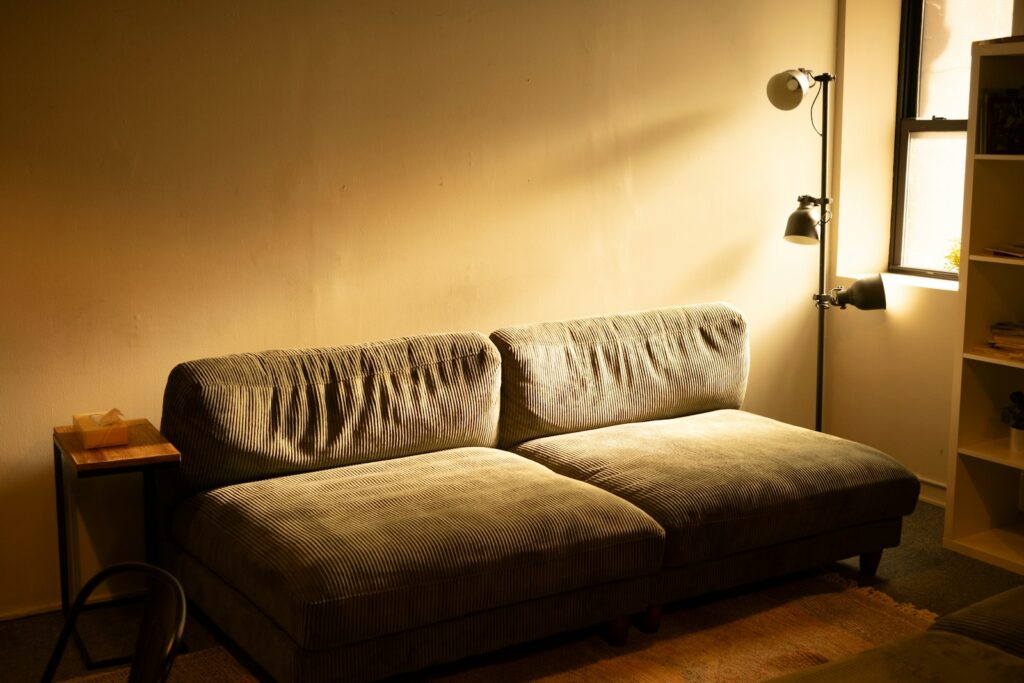
The phrase comes from a viral audio on TikTok, but the idea is older than the platform. The no big light trend in the UK simply means switching off the single overhead pendant and lighting a room through a layered combination of table lamps, floor lamps, wall sconces and the occasional candle. Three or four softer light sources, ideally on dimmers, instead of one bright one.
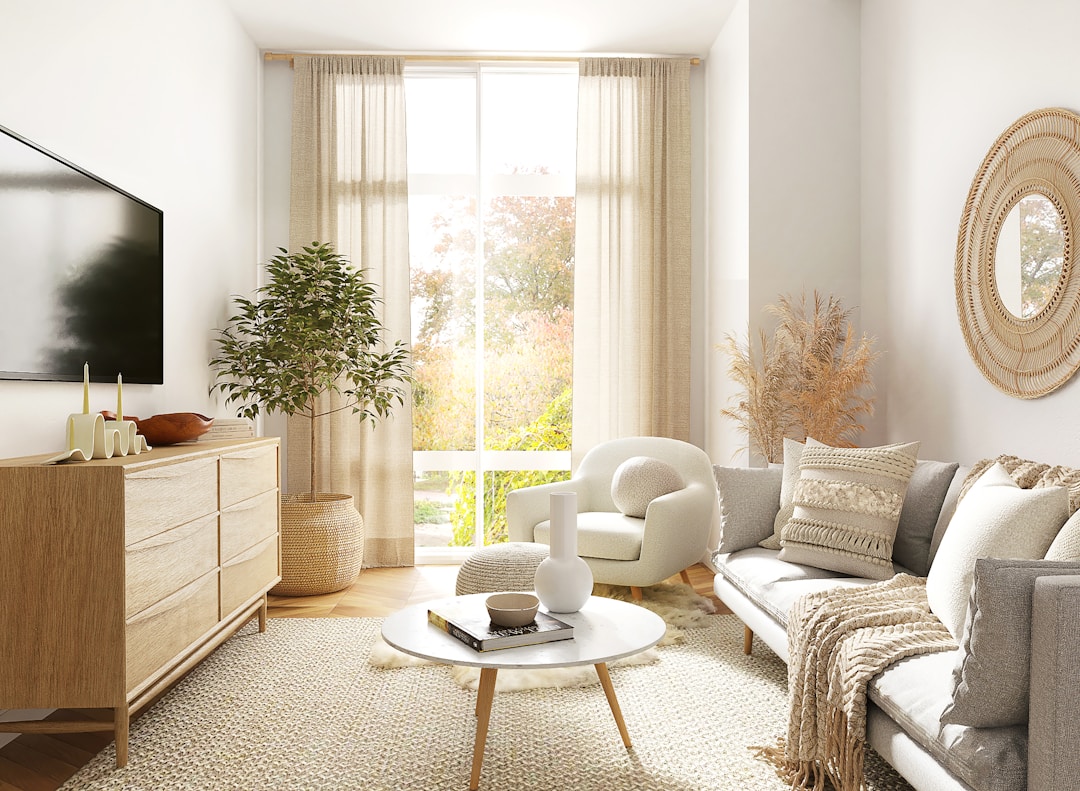
It sits alongside a wider move away from the cold, scrubbed-clean look that dominated British interiors in the late 2010s. The same homes that have already moved on from cold minimalism are now finishing the job by changing how those rooms are lit at night. Warmer walls deserve warmer light.
Why British homes are switching off the big light
Three things have shifted at once. First, our housing stock. The average UK living room is small by international standards, and a single 60-watt-equivalent ceiling fixture in a small room produces glare, not illumination. It bounces off pale walls and turns a 4pm-in-November mood into an interrogation. Lamps placed at eye level or below do the opposite. They draw the room inward.
Second, the energy conversation. Five table lamps with low-wattage LED bulbs use less electricity than one bright overhead, and the perceived warmth is higher. People assume layered lighting is wasteful. It’s usually the reverse.
Third, and most quietly, the way we use our living rooms has changed. They aren’t just for sitting in straight lines and watching the nine o’clock news. They’re for working from the sofa, eating from a tray, scrolling, reading, talking to someone on a screen. Each of those activities wants its own pool of light, not one flat ceiling wash.
Homes & Gardens has tracked the design-led side of this debate, with a number of interiors editors flatly refusing to use overhead lighting in their own homes (see their full piece on the big light question). The TikTok version is louder. The professional version has been quietly true for years.
How to layer light without calling an electrician
The most common objection to giving up the big light is practical: most British rooms only have one ceiling rose and one switch. Rewiring is expensive and disruptive. The good news is you don’t need to do any of it.
The starting kit for most living rooms is three lamps placed in a rough triangle. A taller floor lamp behind or beside the sofa, an ambient table lamp on a side table, and a low corner lamp on a shelf or sideboard. That’s enough light to read by, watch television by, and have people round for a drink. Add a fourth on a console or in a window and you have a room that no longer needs the ceiling switch.
Smart plugs are the unsung hero here. A £10 plug under each lamp, grouped on your phone or a single voice command, gives you something better than a wall switch: every lamp on at once when you walk in, or just the corner one when the film starts. No electrician, no chasing wires into plaster.
What a lamps-only room actually costs
The trend has a reputation for being a designer indulgence, and it can be. But the entry point is lower than most people think, and everything below is plug-in – which makes this one of the few interiors trends renters can adopt without a single email to the landlord.
| Level | What you get | Rough spend |
|---|---|---|
| Starter | Two IKEA lamps (a small table lamp and a floor uplighter), a pack of warm dimmable bulbs, one smart plug | £70-£90 |
| Mid-range | Three lamps from John Lewis, Habitat or Dunelm, a plug-in wall light over the sofa, smart plugs on all of them | £200-£300 |
| The full showroom | Designer bases from Pooky or Original BTC, pleated shades, a rechargeable portable lamp for the shelf | £600 upwards |
If you’re going to spend money anywhere, spend it on shades rather than bases. A £15 charity-shop ceramic base under a good pleated linen shade reads as expensive; a £200 base under a scorched polyester drum doesn’t. eBay is full of decent vintage bases, and getting one rewired at a local repair shop costs less than most new lamps.
There’s a running-cost argument too, and it’s not close. Five lamps with 6-watt LED bulbs draw about 30 watts between them – less than half what a single bright pendant bulb used, and a fraction of the halogen downlight grids still wired into thousands of 2000s kitchens. And unlike the pendant, you’re rarely running all five at once.
And if you’ve just spent a weekend colour drenching the sitting room, this is the finishing move. Deep, saturated walls go flat and muddy under a cool overhead light. Lamps are what make them work after dark.
The bulb aisle, decoded
Bulb colour matters more than people realise. Anything above 2700K starts to feel clinical. Designers tend to specify 2200K to 2700K for living rooms, which is the warm, slightly amber light you get from older incandescent bulbs. A cheap 4000K cool-white bulb will undo a £400 lamp instantly.
The number to look for on the box is the colour temperature, and the sweet spot for this whole look is a dimmable LED that warms as it dims – Philips sells these as Warm Glow for around £6 a bulb, and they drop to a candle-ish 2200K at the bottom of the dimmer. For most rooms, one of those plus a £10 smart plug beats a £25 smart bulb. The app-controlled colour-changing stuff is clever, but you’ll set it to warm white in the first week and never touch the rainbow again.
Two smaller things worth knowing. Vintage-style filament bulbs look wonderful and are often dimmer than you expect – fine for a corner accent, frustrating as a reading light. And aim for roughly 400 to 500 lumens per lamp; the point is several modest pools of light, not one lamp doing the work of the pendant it replaced.

The rooms it suits, and the one it does not
Living rooms, snugs, bedrooms and dining rooms are the obvious wins. These are spaces where the activity is slow, the light is doing emotional work as much as practical work, and a layered scheme reads as warmth rather than dimness.
Hallways and stairs are the exception. There’s a real safety argument for an overhead light at the top of the stairs and in the entrance hall, and most designers will tell you to keep it. The compromise is a dimmer on the wall switch and a single low lamp on a console table that stays on through the evening. You aren’t banning the big light from the house. You’re just being more selective about where it earns its place.
Kitchens are a halfway case. Task lighting under the wall units does the cooking work, and a pendant over the island or table handles the eating – a division of labour that broken-plan kitchens have made almost standard. The harsh ceiling grid of downlights is the bit being quietly retired, particularly in the kind of warm, lived-in kitchens we covered in our look at chocolate brown interiors.
The lamps designers reach for first
If you walk around the showrooms in Pimlico Road or the better corners of Liberty, the same shapes keep coming up. Pleated fabric shades, often in cream, oatmeal or warm red, on a column or urn base. Mushroom-shaped opal glass lamps that glow rather than spotlight. Articulated wall lights you can swing over a sofa or bedside without rewiring, the kind sold by Original BTC, Pooky and Soho Home. And, increasingly, small portable rechargeable lamps, which Livingetc has flagged as one of the most useful pieces of kit in a layered scheme (their list of overhead lighting alternatives is a good starting point).
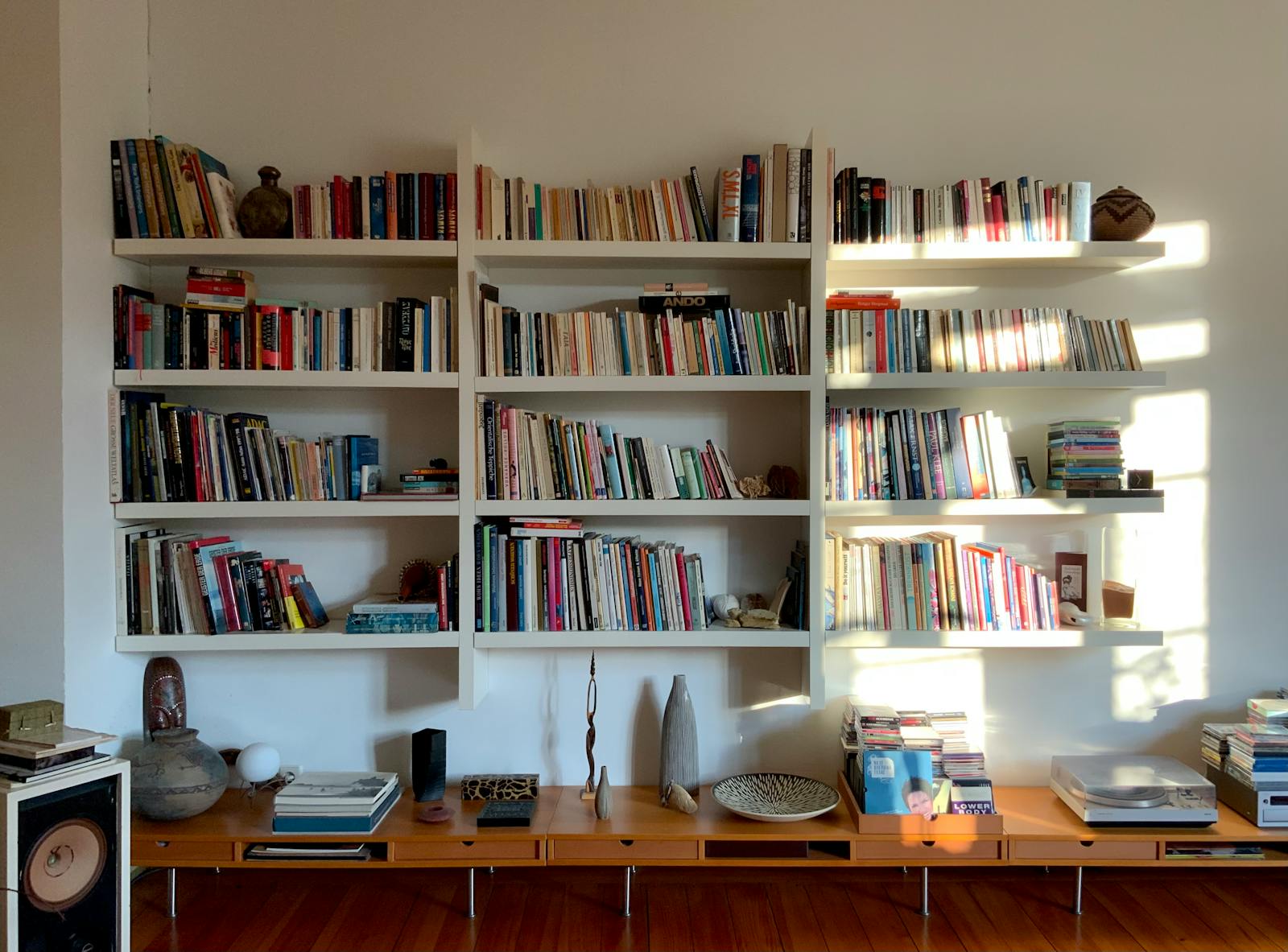
Aged brass and antique-finish metals are the dominant materials. Polished chrome and brushed nickel both look out of place in a layered, warm scheme. Lampshades in pleated linen or printed cotton soften the light further. It’s the same instinct that drives the bookshelf wealth look: a room that feels furnished rather than installed.
Mistakes to avoid
The first is treating the no big light idea as a single dim lamp in the corner of an otherwise dark room. That isn’t atmospheric. It’s gloomy, and it makes guests squint. The point is multiple sources, not fewer sources.
The second is buying lamps that all match. A room lit by five identical lamps from the same range reads as a hotel lobby. Mix heights, mix shade shapes, and keep the bases varied. One ceramic, one metal, one wooden. The eye reads it as a collected room rather than a set.
The third is forgetting the dimmer. A lamp on a hard on-off switch is a blunt instrument. A lamp on a dimmer, or on a smart bulb that can be dialled down via your phone, gives you a room that flexes from bright Sunday afternoon to quiet Tuesday evening with no effort. It’s the single biggest upgrade to a layered scheme.
The fourth is overcommitting. You don’t have to renounce the ceiling light forever. Keep it wired, keep it on a dimmer, and use it on the rare occasions you actually need a flood of light: hoovering, finding an earring, hosting a child’s birthday party. The rest of the time, the lamps do the work.
Where the trend goes from here
The honest answer is that the no big light idea is already winning, slowly, in the homes of people who think about interiors at all. The next stage is the mainstream catching up. Expect to see more lamp-heavy room schemes in IKEA and John Lewis catalogues this autumn, more pleated shades in chain stores, and more rechargeable portable lamps on side tables in restaurants and bars – the listening bars reshaping British nights out run on exactly this kind of low, warm light.
And to be clear about what this isn’t. It’s not a rejection of modern lighting design, and it’s not a return to candlelight or some misty rural idyll. It’s just a quiet correction to a default setting that British houses were stuck with for too long: one bright bulb in the middle of every ceiling, switched on at dusk, switched off at bedtime.
So if you’re reading this with the big light on right now, do an experiment. Switch it off. Turn on whatever lamps you have. Sit for ten minutes. If the room feels worse, fair enough. If it feels better, you already know which side of the argument you’re on.
What’s your house actually like at night, big light on or lamps only?
That same considered approach to lighting is showing up in the garden rooms replacing UK extensions, where layered lamps do the work after dark.
Lamps are only half the answer – the best British homeware brands for 2026 covers where to buy the rest of the room.