
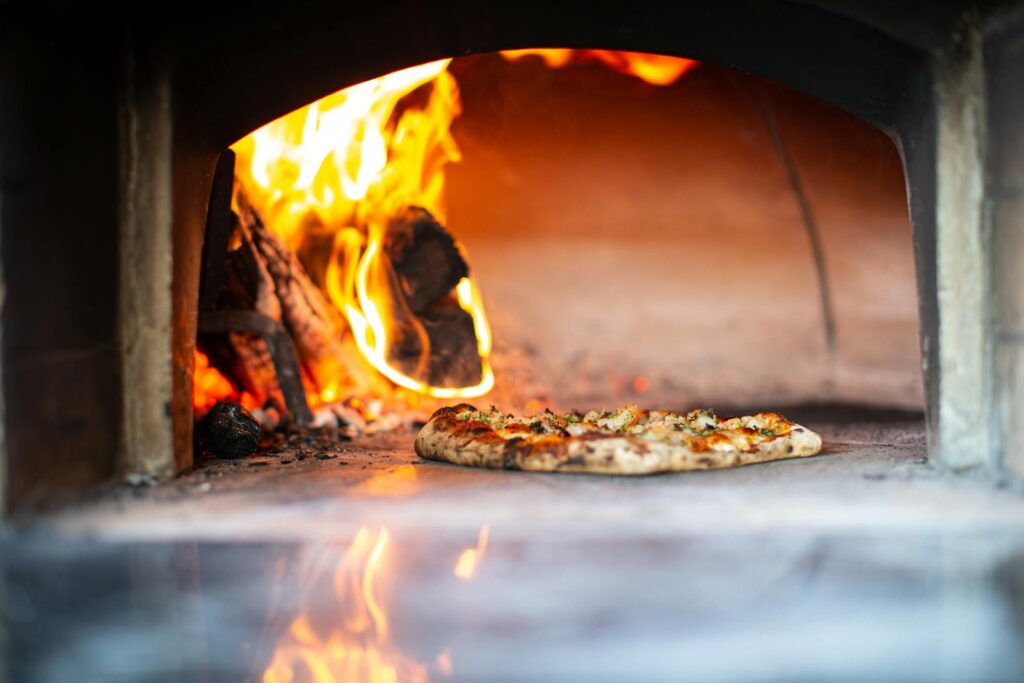
Outdoor Pizza Ovens UK 2026: A Garden Editor’s Guide to Picking One That Earns Its Place
Outdoor Pizza Ovens UK 2026: A Garden Editor’s Guide to Picking One That Earns Its Place
Bank holiday weekends always shake out the gear that has been sitting under a tarp since September, and outdoor pizza ovens UK gardens have collected over the past few years are no exception. There are now more of them being lit on a Sunday afternoon in Sheffield or Sevenoaks than at any point I can remember, and the market has finally grown up enough that it is fair to ask a sharper question than “should I buy one.” The better question is whether the model you are about to spend three to nine hundred pounds on will actually earn the corner of paving slab it sits on, or quietly become a £400 wasp magnet by August.
In This Article
- Why outdoor pizza ovens UK buyers face a different market in 2026
- Fuel matters more than the badge
- How big is the oven, really?
- What 500°C actually costs to run in a UK garden
- The five questions that decide which oven is right for your space
- Where most UK gardens go wrong
- What I would actually buy in May 2026
I have spent the last two springs cooking on six of the most-bought outdoor ovens in British gardens, in real weather, on real evenings, with real people who got hungry while I was still preheating. The conclusions below are not a ranked list of “best” ovens. They are the questions I wish I had asked before clicking buy.
Why outdoor pizza ovens UK buyers face a different market in 2026
The first wave of garden pizza ovens, roughly 2019 to 2022, was dominated by one product category: small, portable wood-pellet barrels that you fed by hand and watched anxiously through a flap. They were a brilliant proof of concept and a genuinely terrible introduction to the cuisine, because they punished you for any inattention by either turning out a charred underside or a raw centre.
The 2026 generation is different in three concrete ways. Gas burners are now the default rather than the upgrade, because British weather punishes wood-only setups. Insulation has improved to the point where the better mid-range ovens hold heat between bakes instead of crashing every time you open the door. And, crucially, the dough-and-flour supply chain in the UK has caught up: Tipo 00 flour is in every Sainsbury’s, fresh yeast lives at most independent delis, and the average British home cook now has a more realistic shot at a decent base than they did five years ago.
Which?’s ongoing reviews of pizza ovens make the same point in less editorial language: the gap between the cheapest and the mid-tier models has widened, not narrowed (Which?, Pizza Ovens). That gap is where most regret lives.
Fuel matters more than the badge
Almost every brand sells the same chassis in three fuel options, and the choice between them is the single biggest decision you will make. There is no universally right answer, but there is usually a right answer for your garden.
Pizza ovens cover the showpiece end of outdoor cooking. The other quiet shift this year is in the everyday workhorse: more British balconies and small gardens are running an electric BBQ instead of charcoal, and the two pieces of kit complement each other if you actually want to cook outside more than twice a summer.
Gas. Push-button ignition, ready in fifteen minutes, holds a steady 450°C without thought. The flavour is cleaner – some would say blander – and you will not get the dark leoparding on the cornicione that wood gives. Best for weeknights, families with children running around, and anyone who values “we eat at half past seven” over “we eat at some point this evening.” Runs from a standard patio gas bottle and consumes roughly a kilo of propane per two-hour session.
Wood. Real heat, real smoke, real authenticity, and a real learning curve. You will burn the first three pizzas. The fourth will be the best pizza you have ever cooked at home. Best for people who want the cooking to be the event, not just the dinner. Buy proper kiln-dried hardwood (oak or beech), not the supermarket bag of “BBQ chunks”, because moisture content is the variable that ruins British wood-firing.
Multi-fuel. The honest verdict after two years of testing is that multi-fuel ovens almost always do one fuel well and the other adequately. Read the reviews carefully and work out which side the model you are looking at leans. The Ooni Karu 16 leans wood; the Gozney Roccbox leans gas. Treat the secondary fuel as an occasional novelty, not a routine.
How big is the oven, really?
Manufacturer sizing is given by the maximum stone diameter, which is misleading. A “16-inch” oven cannot comfortably cook a 16-inch pizza, because you need clearance to launch it off the peel and turn it during the bake. Take the stated stone size and subtract two inches to get your real working pizza diameter.
For most British households this matters more than the brochure implies. A 12-inch working pizza feeds one adult or one adult and a small child. If you are routinely cooking for four, you need a 14-inch real working diameter or a faster turnover – and turnover is mostly a function of how quickly the oven recovers heat between bakes, which in turn is a function of insulation, which is a function of price.
What 500°C actually costs to run in a UK garden
Running cost is the figure no manufacturer wants to print on the box. Based on current UK propane and pellet prices in spring 2026, my rough working numbers per two-hour session are: gas, £3 to £4; pellets, £4 to £6; kiln-dried wood, £5 to £8. Compare that to the £18 to £25 a single wood-fired pizza now costs in a London restaurant and the maths gets interesting fast. Compare it to the £6 frozen pizza from your supermarket and it gets less interesting, which is the right framing for whether this is genuinely your hobby or just an aspiration.
The other cost nobody talks about is the dough. A 24-hour cold-fermented dough costs almost nothing in ingredients but requires you to plan dinner the day before. If that does not match your life, buy fresh dough from your nearest decent Italian deli on the way home and skip the guilt.
The five questions that decide which oven is right for your space
Before you read another review, answer these five honestly.
One. How often will you actually use it – weekly in summer, monthly, or “for parties”? Anything less than monthly does not justify a £600-plus oven. Buy a £250 portable instead and accept what it is.
Two. Where will it live the rest of the time? A permanent counter-top home in a garden room is one answer. A shed is another. A wheelbarrow is a third. The right oven for each of those is different.
Three. What is your gas situation? If you do not already keep a patio gas bottle for the barbecue, factor in the £40 cylinder deposit and the inconvenience of finding a refill on a Saturday in May.
Four. Do you have somewhere flat, fireproof, sheltered and at least one metre from any combustible structure? British fences, trellis and garden buildings are not designed for sustained 500°C heat sources two feet away. Read your manufacturer’s clearance specification and take it seriously.
Five. Are you cooking primarily pizza, or are you cooking pizza plus everything else? The better mid-tier ovens are now genuinely competent at slow-roasted shoulders, flatbreads, whole fish and tray-baked vegetables. If your honest answer is “everything else”, an outdoor oven becomes a much easier purchase to justify than if you are buying a single-purpose pizza machine.
Where most UK gardens go wrong
Three mistakes recur. Putting the oven directly on grass or decking – it will mark, scorch or, in the case of softwood decking, light. Always cook on slabs, brick, a proper stand, or a paving offcut from a builders’ merchant. Underestimating wind: a stiff breeze drops your stone temperature by 50 to 80°C and adds five minutes to every bake, so site the oven with a wall or fence at its back rather than out in the open. And finally, undercooking the dough hydration: British home cooks instinctively make a stiff dough because that is how a pizza-shop counter pizza looks, but a home oven really wants 65 to 70 percent hydration to get the open crumb you are paying all this money to chase.
For the wider context of how outdoor entertaining has shifted in British homes, the editorial team at House & Garden’s garden design coverage has been tracking the move from “barbecue plus parasol” to fuller outdoor cooking setups, and it is not a fad – planning permission applications for outdoor kitchens in England are now running at several times the 2019 rate.
What I would actually buy in May 2026
If I were starting from zero this bank holiday weekend, here is the honest decision tree. For a first-time buyer who wants the easiest possible win: a Gozney Roccbox on gas, paired with a fresh dough ball from your nearest Italian deli. For someone who already cooks well and wants the project: an Ooni Karu 16 with a few bags of kiln-dried oak. For a family who will use it monthly and want versatility beyond pizza: a Witt Etna Rotante or similar mid-tier rotating-stone model, which removes the turning-burning problem that defeats most beginners. For “I will use it twice this summer”: do not buy one. Take a £30 train to a proper Neapolitan place and let someone else preheat for you – the Italian restaurants in London we have written about before will out-cook your first six attempts and you will know whether the cuisine is genuinely something you want to invest in.
The wider point is that an outdoor pizza oven is a brilliant addition to a British garden if it matches how you actually entertain. It is a quietly expensive mistake if you bought it because the neighbours did. The same is true of every other piece of garden cooking gear, and if you are building out a fuller setup, the broader interior and outdoor trends shaping British homes in 2026 are worth reading alongside this. So is our guide to spring picnic food, because the side dishes that get a pizza night over the line are usually the ones you cook beforehand and forget about.
One last thing. Buy the peel and the infrared thermometer at the same time as the oven, not three weeks later. Both are under £40, both are non-negotiable, and the people who skip them are the same people who give up after the third Sunday.
So – given your garden, your gas situation and how often you would honestly light it – which of those five questions changes the answer for you?





Glad someone finally said it about wood ovens being a faff for a Tuesday night. Got the Ooni Koda 2 last summer thinking we’d use it weekly and it’s been more like once a fortnight if I’m honest. For anyone with a covered patio – is gas still the obvious shout or does the wood smoke actually carry on a still evening?
Bought a Gozney Roccbox last year and the gas vs wood debate is real. Wood tastes better but on a Tuesday night nobody can be bothered. Would you say a portable is enough for a small London garden or is the bigger one always worth it?