
Exercising in a Heatwave: Who Should Train Through Britain’s Record 2026 Summer – And Who Should Sit It Out
Britain has now recorded temperatures of 35°C in May, June and July of the same year – the first time that’s ever happened in the record, according to the Met Office. And still, at 6.45am in most parks, you’ll see someone grinding through the same interval session they’d do in March. Exercising in a heatwave isn’t automatically a bad idea. But doing it on autopilot, as though the thermometer is a detail rather than the main event, is where people come unstuck.
In This Article
- What the heat actually does to a workout
- Who should train through it, and who shouldn't
- The acclimatisation you can't fake in a weekend
- Two heat myths worth binning
- Timing beats everything else
- Hydration: mostly right, occasionally dangerous
- The kit that helps and the kit that's a gimmick
- Recovery is where the heat really gets you
- The warning signs that mean stop now
- So what should you actually do this week?
I spent five years as a personal trainer before I wrote about this stuff, mostly in draughty church halls and one gym with a broken air-con unit that turned every August into a sauna. So I’ve watched plenty of people push through heat they had no business pushing through. The advice below isn’t “stay indoors and be careful”. It’s about which rules genuinely change your risk, and which ones are just noise dressed up as caution.
What the heat actually does to a workout
Your body has one non-negotiable job during exercise: keep your core temperature in a safe band, somewhere around 37-38°C. Muscles produce heat when they work. Normally you shed it easily – blood carries warmth to the skin, you sweat, the sweat evaporates, you cool down. It’s a tidy system.
Heat breaks the tidiness. When the air outside is already close to skin temperature, that gradient you rely on shrinks, and evaporation slows right down when humidity climbs. So your heart picks up the slack. It pumps harder and faster to push blood to the skin for cooling while still feeding the working muscles. Research on exercise in hot conditions is consistent on this point: the rise in core temperature is the main thing dragging performance down, and anything that blunts that rise helps you keep going (the physiology is summarised well in this meta-analysis on core temperature and endurance).
What this means in practice: the same 10k that sits at a comfortable 145bpm in spring can have your heart rate 15-20 beats higher in a heatwave, at the same pace, for the same effort. You’re not unfit. You’re cooling yourself and running at once, and one of those jobs is going to lose. Usually it’s the running.
Who should train through it, and who shouldn’t
Most healthy adults can exercise in hot weather if they drop the intensity and pick their moment. That’s the honest headline. The heat isn’t coming for the average person doing an easy jog or a gym session in a ventilated room.
There are people who should genuinely sit out the hottest hours, though, and it’s worth being blunt about who. If you’re pregnant, over 65, managing a heart condition, on medication that affects fluid balance or sweating (some blood pressure drugs, antidepressants and antihistamines do exactly that), or you’ve had heat illness before, the maths changes. Your margin is smaller and the cost of getting it wrong is higher. Same goes for anyone who’s unwell, hungover, or running on three hours’ sleep – all of which quietly wreck your ability to regulate temperature.
Children are their own category. They heat up faster than adults relative to their size and they’re worse at telling you they’re struggling, so the “just keep an eye on them” approach doesn’t really cut it during a proper heatwave.
And then there’s the group I worry about most: fit, competitive people who treat backing off as a moral failing. The marathon-training crowd, the CrossFit regulars, the cyclists chasing a summer PB. Heat illness doesn’t care how good your VO2 max is. If anything, the fittest people are at risk precisely because they can push hard enough to outrun their own cooling system before the warning signs land.
The acclimatisation you can’t fake in a weekend
Here’s a genuine bit of good news that gets buried under all the hydration chat. Your body adapts to heat, and it adapts fast. Give it repeated exposure and it starts sweating earlier, sweating more, and holding onto salt better. Your plasma volume rises, your heart rate at a given effort drops, and the same session simply feels less brutal.
But adaptation takes real time. The research puts meaningful heat acclimatisation at roughly one to two weeks of daily exposure – think around 90 minutes a day of moving in the heat, not a single sweaty Saturday (the Gatorade Sports Science Institute review lays out the timeline). Most of the gains land in that first week. So if you’ve got a hot-weather event coming, the smart move is a gradual build over a fortnight, not going hell-for-leather on day one because the sun’s out.
The flip side is the bit people forget: you lose it almost as quickly. A week off in the air-con and your hard-won heat fitness starts fading. Which is why the “I did loads in the June heatwave, I’ll be fine” logic doesn’t hold up in late July.
Two heat myths worth binning
The first: that a sweaty workout in the heat “detoxes” you. It doesn’t. Sweat is water, salt and a trace of other bits – your liver and kidneys handle the actual detoxing, and they don’t work harder because you’re dripping. All a heatwave session does is make you lose fluid faster. There’s nothing being purged.
The second is stickier because it sounds plausible: that you burn more fat when you train in the heat. You’ll weigh less when you step off the scales, yes, but that’s water you’ll drink straight back. Heat can nudge your heart rate up, which flatters the calorie count on your watch, but the fat you actually oxidise doesn’t jump because the sun’s out. If anything, the drop in intensity that heat forces means you often do less real work, not more. Chasing a hotter workout to torch more fat is one of those ideas that feels true and simply isn’t.
Timing beats everything else
If you take one thing from this piece, make it this. When you train matters more than any gadget, any electrolyte tab, any cooling towel you’ll ever buy.
The ground and buildings soak up heat all day and radiate it back well into the evening, so the “cool of the evening” is often a myth in a city – 7pm in a built-up area can be hotter and stickier than you’d expect. Early morning is the real window. Before about 9am the air is coolest, the UV is lower, and the pavement hasn’t turned into a griddle yet. Dawn sessions aren’t glamorous but they work.
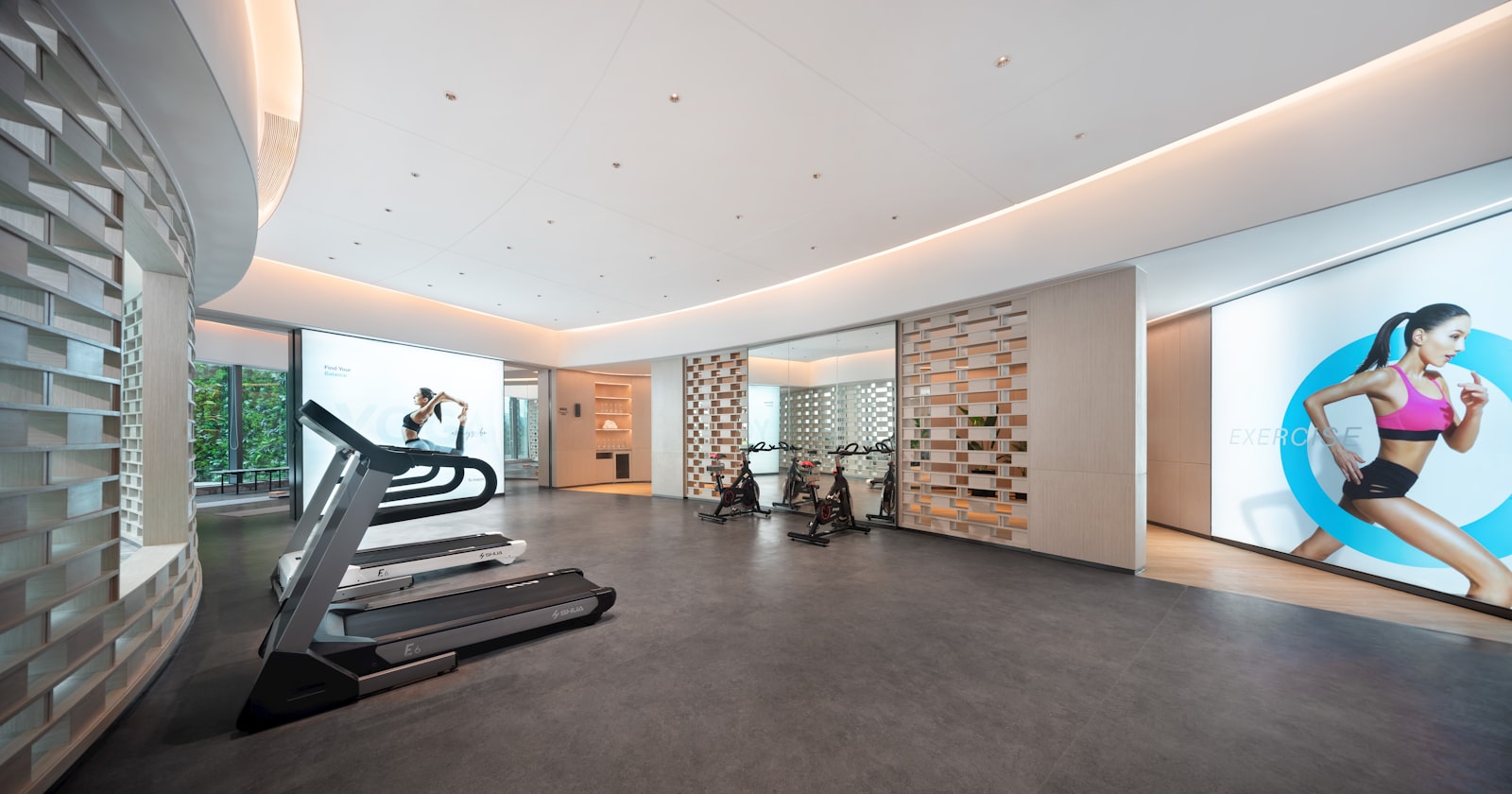
The other option, and the one I’d nudge most people towards during an amber alert, is to just move the session indoors. A treadmill in a ventilated gym removes the entire problem. It’s boring. Do it anyway. And if structured exercise feels like too much in the heat, a long, steady walk does far more good than a skipped session and a guilt trip – the interval walking approach that’s taken off this year is a sensible heatwave fallback.
Hydration: mostly right, occasionally dangerous
Everyone knows to drink water in the heat. Fine. The more useful point is what you’re losing when you sweat buckets, because it isn’t only water – it’s sodium, and a fair bit of it.
Drink litres of plain water after a long, sweaty session and replace none of the salt, and in rare cases you can dilute your blood sodium to a genuinely dangerous level. It’s called hyponatraemia, and it has killed endurance athletes who did everything they thought was right. You don’t need to panic about it on a 5k. But for anything long and properly sweaty in this heat, plain water alone isn’t the full answer.
This is the one moment an electrolyte drink earns its place. Not as a daily habit – most of the sachets are, as I’ve written before, expensive salt for people who don’t need them – but genuinely useful when you’re losing a lot of sweat over a couple of hours. A pinch of salt in your water and a normal meal afterwards does the same job for pennies. The industry would rather you didn’t know that.
The kit that helps and the kit that’s a gimmick
Cooling gear is having a moment, and a lot of it is nonsense. Cooling towels are the honest winner – a damp cloth round the neck genuinely helps because you’re speeding up evaporation over big blood vessels, and you can get one for a few quid rather than the £30 branded versions. Loose, light, pale clothing does more than any technical fabric marketed as “cooling”. A cheap handheld water bottle you can tip over your head beats most of it.
Ice vests? For a club athlete pre-cooling before a race, there’s a real case. For someone doing parkrun, you’re carrying a soggy weighted vest to feel prepared. Save your money.
And the sauna-suit brigade, the people running in bin bags to “sweat more” – please stop. You’re not burning extra fat, you’re just dehydrating yourself and blocking the one cooling system your body has. In a heatwave it crosses from pointless into risky. If you want the genuine recovery benefits of temperature, an honest look at cold-water exposure is a better use of your attention than anything that traps heat in.
One thing that catches people out has nothing to do with performance: your skin. All that friction, sweat and rubbing kit in the heat is a fast track to the itchy rash so many Brits mistake for a sun allergy every summer. Loose fabric and a rinse straight after help more than you’d think.

Recovery is where the heat really gets you
Nobody talks about this bit, and it’s the part that quietly ruins a week of training. You can pace the session perfectly and still be wrecked the next day, because the heat came for your sleep. Warm nights fragment sleep, and broken sleep blunts recovery, raises your resting heart rate and makes the next session feel harder before you’ve even laced up.
So if you’re training through a hot spell, protect the recovery end as hard as the workout. Get the bedroom as cool as you can – a decent quiet fan is worth its weight in a heatwave – eat properly, and don’t stack hard sessions on top of terrible sleep. Two easy days in a row during a heatwave will do more for your fitness than one heroic effort you spend three days recovering from. The people who come out of a hot fortnight fitter are almost always the ones who eased off at the right moments, not the ones who gutted it out.
The warning signs that mean stop now
This is the part worth memorising, because heat illness sits on a spectrum and the early end is easy to talk yourself out of noticing.
Heat exhaustion comes first. The NHS lists the signs as tiredness, dizziness, headache, feeling sick, heavy sweating, cramps and a fast heartbeat. If that’s you or someone with you, stop, get to a cool place, loosen clothing, drink something and cool the skin. The NHS advice is that a person should start to feel better within 30 minutes.
If they don’t – or if they stop sweating, become confused, get a temperature of 40°C or higher, or lose consciousness – that’s heatstroke, and it’s a medical emergency. Call 999. Don’t wait it out, don’t drive them yourself if they’re badly affected, and keep cooling them while you wait. Heatstroke damages organs and it does it quickly.
The reason I labour this: the gap between “I feel a bit rough” and “this is serious” can be twenty minutes. Fit people override that early signal all the time because stopping feels like quitting. In the heat, stopping is just the correct call.
So what should you actually do this week?
Train early or train indoors. Drop the intensity and stop measuring the heatwave against your spring paces. Replace salt properly on the long sweaty stuff and ignore most of the cooling gadgets. Know the warning signs well enough that you’ll act on them before your ego does. None of it is complicated.
The harder question is the one only you can answer: when the alert goes amber and every fibre of your training brain says push through, are you honest enough with yourself to take the easy morning jog instead – or move it to tomorrow?