Running Gels for a Half Marathon: The 90-Minute Rule Most of the 2026 Great North Run Field Hasn’t Heard
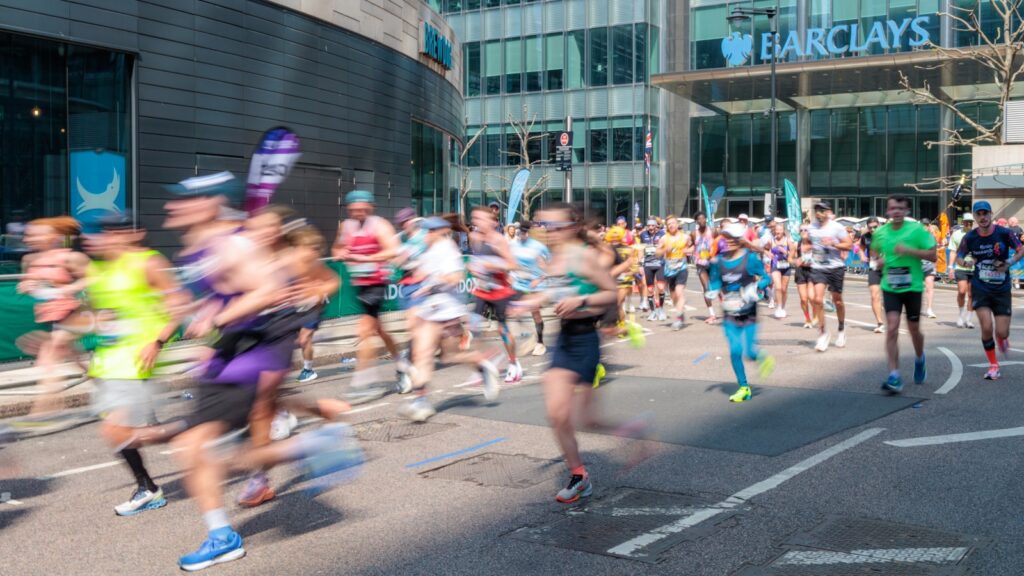
Somewhere around mile four of the Great North Run, a stranger will offer you a jelly baby. This has been true for decades – the crowds between Newcastle and South Shields hand out sweets, orange segments and the occasional blast from a garden hose like it’s a civic duty. Which makes it faintly absurd that thousands of runners will pass those outstretched tubs with three energy gels taped to their waistband. If you’re training for a half marathon this autumn and wondering whether running gels belong in your plan, the honest answer for most of the 60,000-strong field is no. And the reason comes down to some fairly simple maths about what your body already carries.
In This Article
- What 13.1 miles actually takes out of you
- The 90-minute rule
- Where running gels for a half marathon make sense
- How a marathon product got sold to parkrunners
- What the shelf actually looks like: six gels, priced per gram of carbohydrate
- Four things you’ll hear in the start pen that aren’t true
- Jelly babies, malt loaf and the kitchen cupboard
- The caffeine wrinkle – and the crash that mostly isn’t
- Race week: what to do between now and Sunday
Gels have become part of the starting-line uniform. Watch any long run along the Tyne, the Thames or a canal towpath near you and you’ll see runners on 70-minute efforts carrying enough fuel for a small expedition. The sports nutrition industry has done a remarkable job of convincing people that a half marathon is a fuelling crisis. For a minority of runners, it really is. For the rest, it’s a solved problem – solved by breakfast.

What 13.1 miles actually takes out of you
Your muscles and liver store somewhere between 400 and 500 grams of glycogen – call it 1,600 to 2,000 calories of ready-to-burn carbohydrate. At half marathon race intensity, that’s roughly 90 minutes to two hours of fuel on board before you’ve eaten a thing on the move. The famous “wall” that marathon runners hit around mile 20 exists because 26.2 miles outlasts the tank. A modelling study in PLOS Computational Biology put the point of glycogen depletion for runners at race pace right around that 20-mile mark – which is nearly seven miles further than you’re going.
That’s the core of it. The half marathon sits almost entirely inside your existing fuel range.
The British Dietetic Association’s sport and exercise fact sheet makes the same point in gentler language: sports foods like drinks, bars and gels earn their place when you’re training for multiple hours or at very high intensity. A 13.1-mile race at your own pace, with a normal dinner the night before and toast or porridge on the morning, doesn’t automatically qualify. Glycogen stores are limited and need topping up daily – but that’s a job for actual meals, not a £2.50 sachet at mile eight.
The 90-minute rule
Here’s the threshold that should be printed on every gel box. The sports science on this is unusually settled, much of it from Asker Jeukendrup’s lab work on carbohydrate oxidation – his 2014 review in Sports Medicine is the paper most fuelling guides quietly crib from.
Under about 75 to 90 minutes of running, taking carbs on board does little for performance. Your stored glycogen covers it. Between 90 minutes and two and a half hours, 30 to 60 grams of carbohydrate per hour starts to pay off. Beyond that, the gut becomes the bottleneck: a single sugar source maxes out at around 60 grams per hour, which is why marathon-focused products blend glucose and fructose to sneak more through.
Now apply that to the field heading to Newcastle on 13 September. A club runner finishing in 1:25 has no physiological case for a gel. A 1:45 runner sits in the grey zone – one gel might help, mostly as insurance. But someone out there for 2:30 or three hours is doing a fundamentally different event, one that actually outlasts their glycogen supply.
Which produces the inversion nobody selling gels likes to advertise: the faster and fitter you are, the less you need them. The people photographed fuelling like pros are precisely the people who could skip it. It’s the runner at the back, the one who never gets marketed to, who has an actual fuelling problem to solve.

Where running gels for a half marathon make sense
None of this means gels are a con. There are four groups who should take them seriously.
If your event is Hyrox rather than a half, the sums shift again – our Hyrox for beginners guide covers what that race actually asks of a body over 90 minutes.
If you’ll be out beyond two hours, take the science at its word and fuel properly – 30 grams of carbohydrate per hour from around the 45-minute mark, which in practice means a gel (or equivalent) roughly every 40 minutes. If you race early on no breakfast because your stomach won’t accept food at 7am, you’re starting with a partially empty liver and a gel mid-race does real work. If it’s a warm day and you’re carrying a sports drink anyway, that can be your carbs and your fluids in one. And if the last three miles of every long run turn into a death march, a mid-run gel is a cheap experiment worth running before you conclude you need more training rather than more sugar.
One rule applies to everyone: nothing new on race day. Gels are mildly infamous for gut trouble, and the gut is trainable – practise your race fuelling on at least two or three long runs beforehand, wash gels down with water, and find out now whether the caffeinated ones send you looking for a portaloo. The runners who have a bad time with gels are almost always the ones trying them for the first time with six miles to go.
How a marathon product got sold to parkrunners
Energy gels were built for events that empty the tank – marathons, long-course triathlon, big rides. The half marathon boom handed the industry a much larger audience with much smaller fuelling needs, and the marketing never bothered to make the distinction. Race expos now sell “half marathon fuelling strategies” with the same straight face they use for ultras. Some brands recommend two to three gels for 13.1 miles regardless of your finish time, which for a 90-minute runner is fuel for a problem they won’t encounter.
And the pricing rewards the confusion. A standard isotonic gel runs about £1.50 to £2.50 in Boots or a running shop, for roughly 22 grams of carbohydrate. The fashionable Scandinavian ones in the white sachets are nearer £3.50. Per gram of carbohydrate, that’s some of the most expensive sugar legally sold in Britain.
What the shelf actually looks like: six gels, priced per gram of carbohydrate
Prices below are what we found in early September across Boots, Decathlon, Wiggle-style online retailers and the brands’ own sites for a single sachet. Multipacks knock 20 to 30% off. The right-hand column is the number that matters, and nobody prints it on the box.
| Gel | Carbs per sachet | Typical single price | Cost per 25g of carbs | Notes |
|---|---|---|---|---|
| Decathlon Kiprun / Aptonia energy gel | ~22g | ~£1.00 | ~£1.14 | Thick, sweet, fine with water. Cheapest branded option in a real shop. |
| High5 Energy Gel | 23g | ~£1.20 | ~£1.30 | Juice-like texture, so easier to take without water. Good starter gel. |
| SiS GO Isotonic | 22g | ~£1.60 to £2.00 | ~£1.80 to £2.30 | The one in every Boots. Isotonic means no water needed, but 60ml is a lot to swallow at pace. |
| Torq Energy Gel | 30g | ~£2.00 | ~£1.67 | Glucose-fructose blend, real-fruit flavours. Underrated. |
| Precision Fuel PF30 | 30g | ~£2.00 to £2.30 | ~£1.70 to £1.90 | Neutral taste, no flavour fatigue. Popular with people who hate gels. |
| Maurten Gel 100 | 25g | ~£3.30 to £3.60 | ~£3.30 to £3.60 | The white sachet. Hydrogel technology is real; the evidence it helps at half marathon effort is thin. |
A few things jump out. The spread between the cheapest and dearest is more than threefold for what is, chemically, maltodextrin and fructose in water. The 30g gels (Torq, Precision) are better value than the 22g ones even at a higher sticker price, and for the over-2:15 runner who actually needs carbs they mean fewer sachets to carry. And Maurten’s premium buys you a pleasant texture and a good story about elite marathoners; the independent trials published so far have mostly found no performance difference against ordinary gels at the intake rates a half marathon involves. Buy it if you like it. Don’t buy it because Kipchoge does.
If you must pick one for Sunday, and you’re in the group that benefits: the High5 or the Decathlon one, bought this week, tested on your last easy run. The rest is marketing.
Four things you’ll hear in the start pen that aren’t true
“Take a gel at the start to top up.” If you’ve eaten breakfast, there’s nothing to top up. Your glycogen is either full or it isn’t, and a sachet at 10:15am doesn’t change what three days of normal eating did. The one honest use is the no-breakfast runner, covered above.
“Gels give you energy.” Not in the way people mean. They don’t make you feel lifted; they stop you feeling flat later on, and only if you were going to run out. Anyone who feels an instant surge from a gel is feeling the caffeine, the sugar on the tongue (the carbohydrate mouth-rinse effect, first shown in cycling time trials in the mid-2000s, is real and doesn’t even require swallowing), or the placebo. All three work, to be fair. None of them is fuel.
“You need electrolytes with your gel.” For a two-hour September race in the north-east, you almost certainly don’t. Our electrolyte powder guide goes through who actually loses enough sodium to matter, and it’s a shorter list than the sachets suggest. Most runners will get more from a pinch of salt on the night-before dinner than from a fizzy tablet.
“More gels, faster time.” The gut sets a ceiling of roughly 60g of a single sugar per hour, and pushing past it gives you cramps, not pace. There’s a reason the “fuelling like a pro” content is all made by people running two hours and forty minutes for a marathon, not two hours and forty for a half. Different event.
We’ve covered this pattern before – a product with a real use case for a small group, sold to everyone. It’s the same story as continuous glucose monitors strapped to healthy arms and electrolyte powders dissolved into the water of people who sit at desks. The sports-tech playbook doesn’t change; only the product does.
Jelly babies, malt loaf and the kitchen cupboard
Here’s what the gel companies would rather you didn’t work out: mid-race fuel is just fast-release carbohydrate, and the corner shop is full of it.
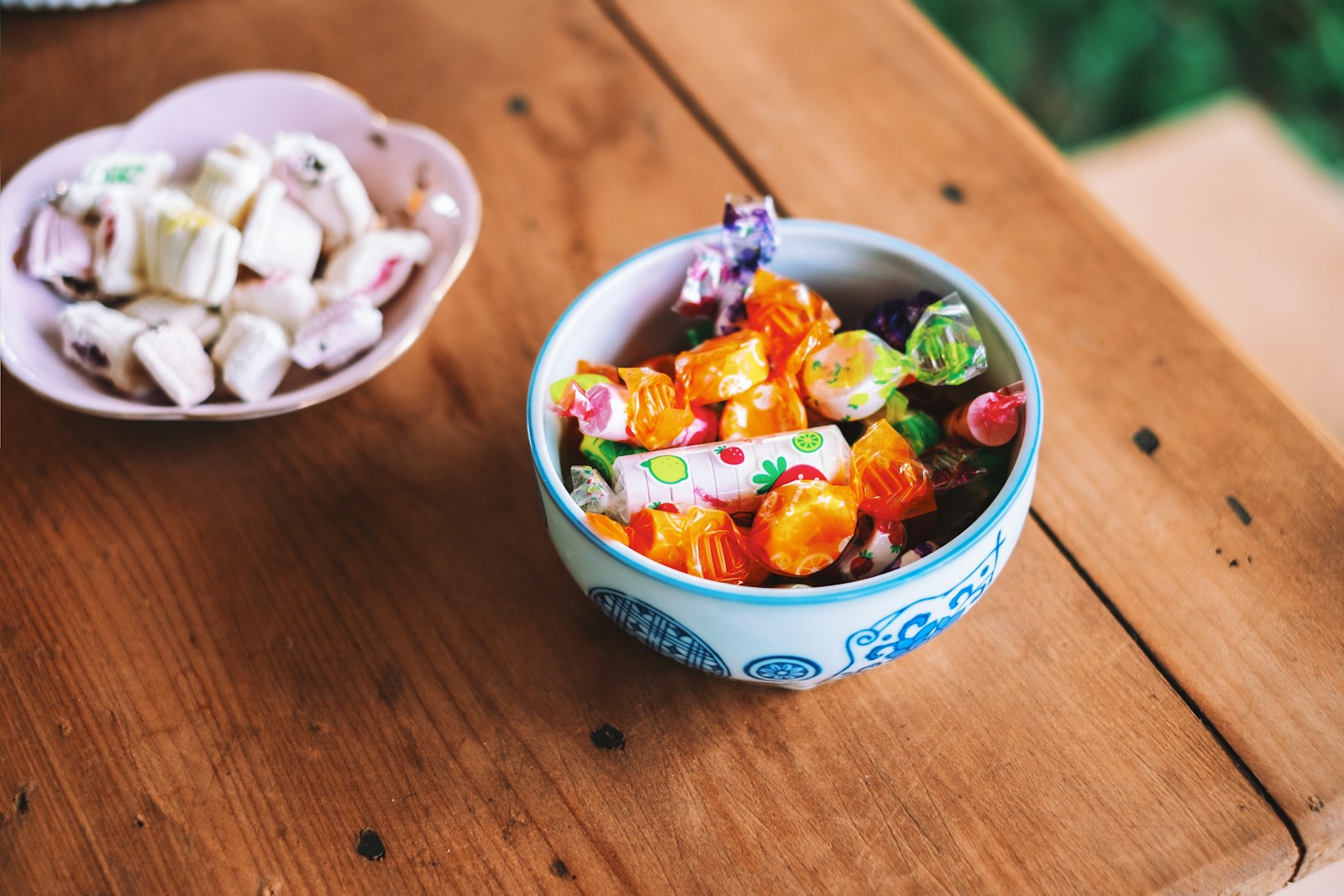
Four or five jelly babies deliver about 20 to 25 grams of carbs – a gel’s worth – from a £1.25 bag that fuels your entire training block. A medium banana carries around 25 grams and costs about 20p, which is why they’re handed out at finish lines rather than sold at expos. Soreen malt loaf, the long-run staple of British club runners since before gels existed, gives you roughly 18 grams a slice. Dates, fruit pastilles, even a small handful of Haribo all do the same job at a tenth of the price.
| Fuel | Carbs per serving | Cost per serving | Cost per 25g of carbs | Verdict at half marathon pace |
|---|---|---|---|---|
| Jelly babies (5) | ~22g | ~15p | ~17p | Best all-rounder. Easy to portion, survive a pocket, free on the GNR route. |
| Medium banana | ~25g | ~20p | ~20p | Perfect pre-race, awkward mid-race unless someone hands you half. |
| Soreen malt loaf (1 slice) | ~18g | ~20p | ~28p | Long-run classic. Needs water and chewing time; better at mile 3 than mile 11. |
| Medjool dates (2) | ~30g | ~50p | ~42p | Dense, sticky, high in fibre. Some stomachs object. |
| Fruit pastilles (5) | ~20g | ~25p | ~31p | Fine. Marginally more chewing than jelly babies. |
| Branded gel | 22 to 30g | £1 to £3.60 | £1.14 to £3.60 | Convenient. Six to twenty times the price of the row above it. |
The genuine advantages of a gel are logistical, not nutritional. It doesn’t melt in a pocket, it goes down in ten seconds without chewing, and the carb dose is printed on the packet. At mile 22 of a marathon, when chewing feels like advanced mathematics, that matters. On a two-hour training run, it doesn’t. Chews and sweets sit somewhere in between – slower to eat, kinder on sensitive stomachs, and far cheaper.
There’s also the Great North Run’s own solution: run the northern half marathon with the most generous crowds in world sport and accept the jelly babies. Veterans of the race will tell you the route amounts to a 13-mile buffet with a sea view at the end. It’s not a fuelling strategy you can rely on to the gram. But it’s free, it’s local tradition, and it comes with a cheer.
The caffeine wrinkle – and the crash that mostly isn’t
Two common worries deserve a proper answer, because they push people towards buying gels and away from using them sensibly.
The first is caffeine. Plenty of gels now come in caffeinated versions, usually 75 to 100 milligrams a hit – about a shot and a half of espresso. Caffeine is one of the few supplements with performance evidence solid enough that sports scientists barely argue about it any more, and for a half marathon it’s arguably a better buy than the carbohydrate it’s dissolved in. But you don’t need a gel to get it. A strong coffee 45 minutes before the start delivers the same dose for pennies, without finding out at mile nine that caffeine on a jostled stomach is a very different experience to caffeine at your kitchen table. If you do want it mid-race, test it in training twice before you trust it.
The second worry is the “sugar crash” – the idea that taking a gel triggers a spike, then a slump that leaves you worse off. During hard exercise this mostly doesn’t happen. Working muscles pull glucose out of the blood without needing much insulin, so the crash mechanism that applies to a chocolate bar at your desk largely switches off once you’re running. The narrow exception is taking a big dose of sugar in the 30 to 60 minutes before the start, at rest, when insulin is still fully in charge – a minority of runners do feel wobbly in the first mile after that. The fix is timing, not abstinence: carbs either two hours before, or once you’re already moving.
And a word on hydration, since gels and drinks get bundled together at the expo. For a September half in north-east England, thirst is a better guide than any sponsored hydration plan. The runners in real trouble on race day are far more often underfuelled or overdressed than underhydrated.
Race week: what to do between now and Sunday
If you’re reading this in the week of the race, the training that decides your time is already done. What’s left is not messing it up. The long runs are behind you; this week is short, easy running, one small session with a few strides if you want to feel sharp, and a lot of sitting down. Nobody has ever got fitter in the final six days, and plenty of people have got injured or exhausted trying.
Fuelling this week means eating normally, then slightly more carbohydrate than normal from Friday. Not pasta by the bucket: an extra portion of rice, a bagel where you’d have had a salad, the boring version. Saturday night is not the night for a curry you’ve never tried or the Newcastle stag do. Sunday morning, toast or porridge two to three hours before your wave, a coffee if that’s what you normally do, and water to thirst. The start pens open early and it’s a long wait on the Central Motorway, so a banana in the bag is a better idea than a gel in the pocket.
The other race-week purchase people agonise over is shoes, and the maths there has shifted more than the maths on gels. Nike halved the Vaporfly to £128 this summer, and our piece on who should race in carbon plates – and who should stick with their ordinary trainers – is worth ten minutes before you tap your card. Short version: the famous 4% was never measured at a two-hour pace either.
Be honest about your likely finish time, because it’s the only variable that matters here. Under 1:45: skip gels entirely, eat a proper carb-based breakfast two to three hours before the start, and spend the £10 you saved on better socks. Between 1:45 and 2:15: carry one gel for the last five miles if it reassures you – the placebo is real even when the physiology is marginal. Over 2:15: fuel like it’s the endurance event it is, starting early, around 30 grams per hour, practised in training first.
Carb-loading deserves a mention because half the start pen will have done it wrong. The three-day pasta mountain is a marathon protocol; for a half, a normal dinner with a bit more rice or potato than usual covers it. You cannot usefully “load” beyond your storage capacity, and the main result of trying is standing on the start line feeling like a python that swallowed a deer.
If your training itself needs structure, our pieces on the Japanese walking method and the Hyrox boom cover the cross-training end, and our look at weighted vest walking is a useful lesson in checking what a fitness claim actually rests on before you buy the kit.
The gel industry isn’t lying to you, exactly. It’s answering a question most half marathon runners never needed to ask. The 90-minute rule tells you which side of that line you’re on – and if you’re the wrong side of it, the fix is fuel, not willpower.
So, a question for the comments: what’s the strangest thing you’ve eaten mid-race that actually worked? We’ve heard cold roast potatoes, flat Coke and one unrepeatable story involving a Greggs sausage roll at mile ten. The bar is high.