
Weighted Vest Walking Took Over Britain’s Parks in 2026. The Study Everyone Cites Involved 9 Women – and No Walking
The most quoted study in the history of weighted vest walking contains no walking. Nine women in Oregon, five years, and a routine built around squats, lunges and jumping – not one recorded mile of striding round a park. That detail matters, because in the summer of 2026 you can’t cross a British common without passing someone marching along in a £40 vest, and a fair number of them bought it because a menopause fitness account told them it would protect their bones.
In This Article
- How a military training tool became midlife Britain’s favourite accessory
- What weighted vest walking actually does to your body
- The nine women everyone is citing
- Then a 150-person trial spoiled the party
- Nine trials, 368 people: what the 2026 meta-analysis adds
- The claims that survive contact with the evidence
- What the bone people actually tell you to do
- Who gets something real out of a vest – and who should steer clear
- The verdict on the vest
Some of the pitch holds up. The most repeated part doesn’t.
This one’s worth untangling properly, because the vest itself is a decent bit of kit being sold on its weakest claim.
How a military training tool became midlife Britain’s favourite accessory
Rucking – walking under load – came out of army conditioning, where soldiers march with weighted packs because it builds endurance without the joint cost of running. Around 2024 it crossed into civilian fitness culture, and by this year it had found its true audience: women in their forties and fifties who’d been told, correctly, that bone loss accelerates after menopause, and, less correctly, that a weighted walk is the fix.
The logic sounds airtight. Oestrogen falls, bone thins, bone responds to load, a vest adds load. Retailers noticed. The neoprene ones with the little iron-sand pockets sell for £30 to £45 on Amazon and have spent much of the year drifting in and out of stock, and vests have started appearing on the school-run and at parkrun the way reformer Pilates mats appeared in hallways two years ago. It slots neatly into the same wave that made creatine a staple for midlife women – a generation that was told to shrink itself for decades is now training for strength instead, which is a development worth cheering even when the marketing gets ahead of the science.
Part of the appeal is plain economics. A vest is a one-off £35 against £60 a month for a gym you have to drive to, it bolts onto a walk you were doing anyway, and it carries none of the intimidation of a free-weights area. For a time-poor woman juggling work and school holidays, “wear this on your morning loop” is an easier sell than “learn to deadlift”. The trend grew because it lowered the barrier, not because the evidence got stronger.
And the marketing has got ahead of the science. Quite a long way ahead.
What weighted vest walking actually does to your body
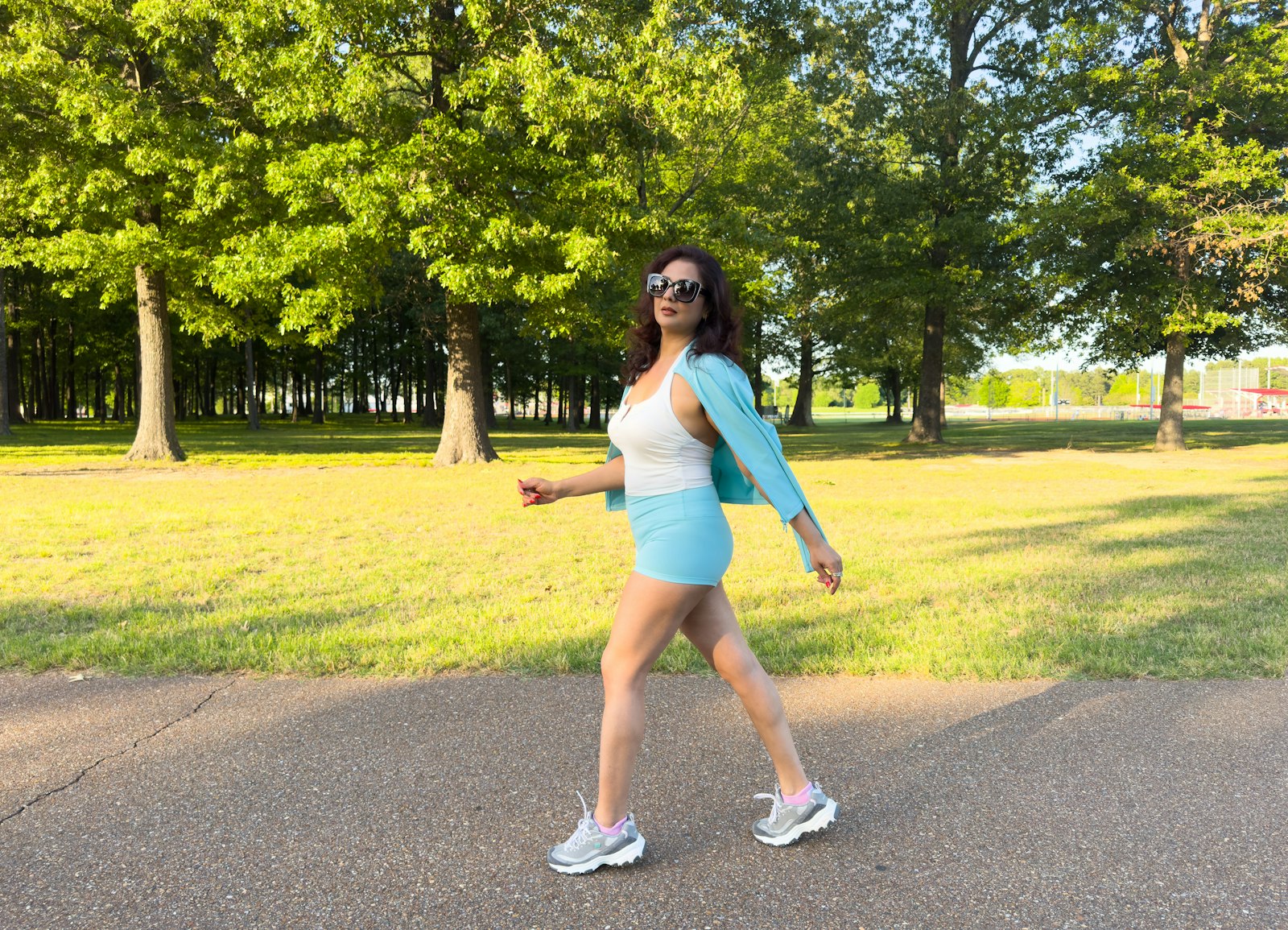
Strap on a vest at about 10% of your bodyweight and your walk gets harder in every measurable way. Heart rate climbs, calorie burn rises roughly in line with the extra load, and your legs, hips and trunk work harder to stabilise you – more so on hills or rough ground. If your usual dog walk has stopped challenging you, a vest genuinely changes that. It turns a stroll into something closer to proper cardio without asking you to jog, which is precisely why the military never gave it up.
There are smaller benefits too. Carrying load trains the deep postural muscles that office life switches off, and hikers have always trained with loaded packs before a big trip for exactly this reason.
Some of the vest crowd are training for a start line, not a stroll – Hyrox, with its sleds and loaded carries, rewards exactly this sort of weighted work, and our beginners guide covers what the race involves.
I borrowed a friend’s 8kg vest for a fortnight in July to see what the fuss was about. The first surprise is how quickly you stop noticing it’s there on the flat – and how emphatically you notice it again on the hill up from the river. My usual 50-minute loop left me properly sweating for the first time in months, my step count didn’t change but my watch logged the walks as workouts, and my shoulders ached in a way that suggested muscles I’d forgotten about were being asked to clock in. It does something. That’s not in question.
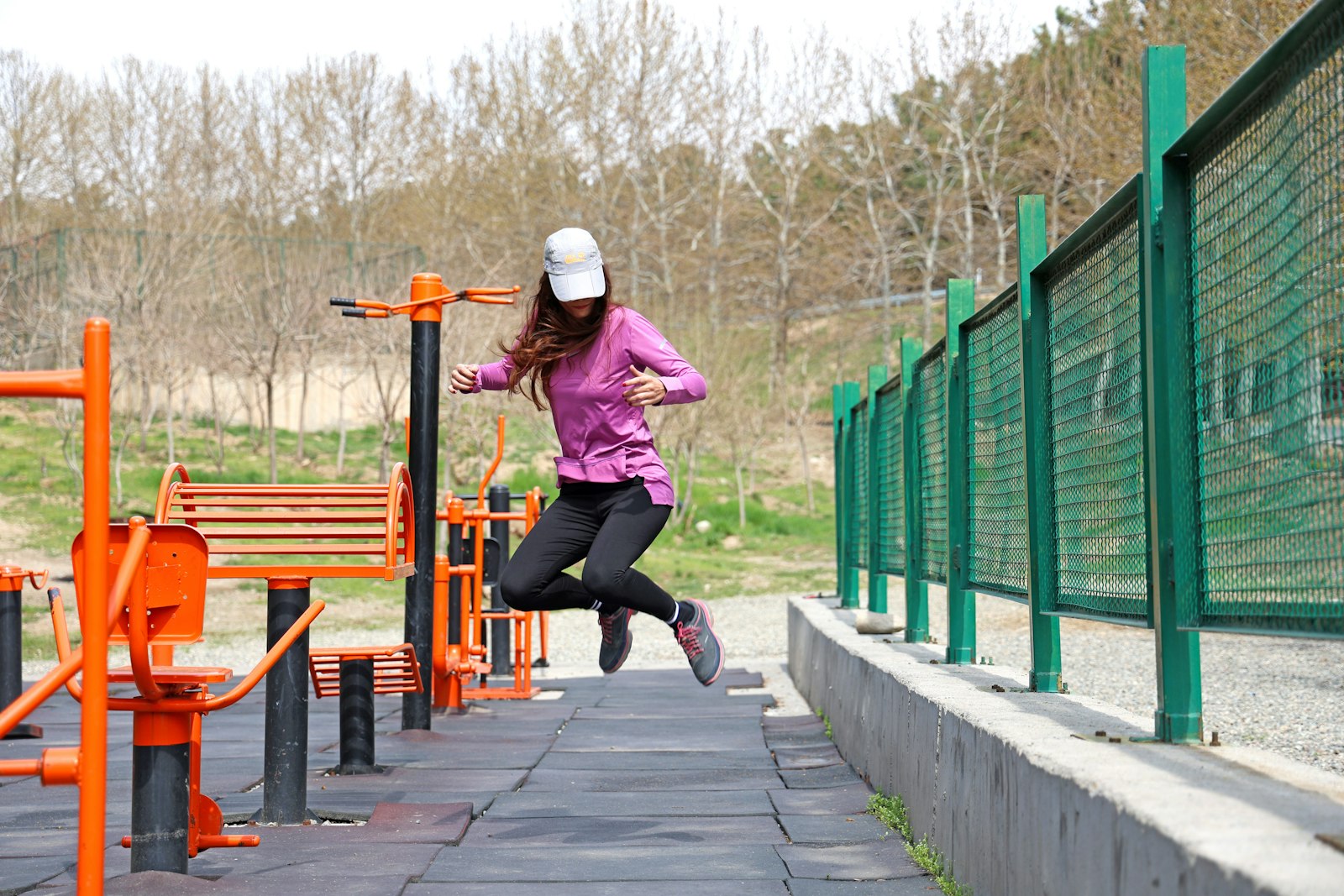
Bone is a different story. Your skeleton doesn’t respond to effort; it responds to strain – the size and speed of the forces going through it. Walking sends a force of roughly 1.2 times your bodyweight through your bones with each step. Add a 10% vest and you’ve nudged that to about 1.3. Jumping, by comparison, produces three to four times bodyweight. Bone cells barely register the difference between a walk and a slightly heavier walk; they respond to loads that are unusual, brisk and varied. A vest makes your walk harder. It doesn’t make it osteogenic to any meaningful degree.
Which brings us back to Oregon.
The nine women everyone is citing
The study underneath almost every “vests build bone” claim is Snow and colleagues, published in the Journals of Gerontology in 2000. Researchers at Oregon State followed postmenopausal women through a five-year programme, and the exercisers held onto their hip bone density – gaining about 1.5% at the femoral neck – while the comparison group lost around 4% at every site measured. A real result, and over five years a meaningful one.
But look at what those women actually did. Three sessions a week of squats, lunges, step-ups and chair rises wearing vests loaded in small increments, plus around 50 jumps per session. That’s a structured resistance-and-impact programme in which the vest was the resistance – closer to a gym class than a walk. And by the five-year mark, nine exercisers and nine controls remained. Nine. The trend’s foundational evidence is a jumping study with a sample you could fit in a people carrier.
None of that is the researchers’ fault. It was a careful little trial that was never designed to sell walking vests to Britain a quarter of a century later.
Then a 150-person trial spoiled the party
The best modern test of the vest-as-bone-medicine idea is the INVEST in Bone Health trial from Wake Forest, published in JAMA Network Open in 2025. Researchers took 150 older adults losing weight – weight loss reliably costs you bone – and gave one group weighted vests to wear for hours each day, one group supervised resistance training, and one group nothing extra. The vest wearers averaged over seven hours a day in them, replacing most of the weight they’d lost.
Hip bone density fell by about the same amount in all three groups.
Hours of daily vest wear did nothing measurable for bone. The Wake Forest team’s own follow-up message, published this spring, amounted to: if you’re wearing a vest for your skeleton, you’d better be moving vigorously in it, because passive load isn’t enough. That’s a polite way of saying the version of this trend most people are doing – vest on, gentle loop of the park, vest off – is built on a mechanism the best available trial couldn’t detect.
Nine trials, 368 people: what the 2026 meta-analysis adds
Since INVEST landed, a group of researchers has pulled together every randomised trial of weighted vests in middle-aged and older adults they could find – nine of them, 368 participants in total, searched up to March 2026 – and published a meta-analysis in Osteoporosis International. It is the best summary of the evidence that exists, and it points the same way as the Wake Forest trial from a different direction.
Two findings matter. First, wearing a vest during exercise beat doing nothing: compared with people who carried on as normal, the vest-plus-exercise groups had better bone density at the femoral neck and lumbar spine and lost 2.67kg more body fat on average. The fat-loss result was graded high certainty; the bone results were low to moderate, which in plain terms means probably real but thinly supported.
Second, and this is the one to remember: when a vest was compared against the same exercise done without one, the extra bone benefit vanished. The vest added about 0.73kg of extra fat loss and no measurable skeletal bonus. The authors are careful to note that comparison rests on a single study, but it is the only head-to-head we have, and it went the wrong way for the marketing. Exercise builds bone. Adding weight to your torso while you do it burns a bit more. It has not been shown to make your bones any denser than the exercise would on its own.
The claims that survive contact with the evidence
Strip out the bone talk and the vest’s remaining promises fare better, though none of them deserves the breathless treatment they get online.
Calories first. Loading your body makes moving it more expensive, and the extra energy cost scales roughly with the extra weight – so a vest at 10% of bodyweight makes a walk cost in the region of 10% more. Real, but modest. On a typical 45-minute walk you’re talking about the energy in half a banana, and no vest survives contact with a post-walk flapjack. Anyone selling vested walking as a weight-loss method is rounding a small true thing up to a big false one.
The fitness claim is the honest one. Load raises the cardiovascular demand of a pace your body had stopped adapting to, which is why the INVEST researchers, for all their null bone findings, still noted vests helped participants with weight-loss goals and why the military never abandoned the ruck. If your only exercise is walking, a vest is one of the few ways to keep progressing without changing the activity. That’s a real, defensible use.
Posture and strength sit in the middle. Carrying load does work your trunk and can build some leg strength if you take on hills at pace, but a vest won’t touch what two sets of proper squats will, and anyone who tells you their vest “replaced the gym” is describing a feeling, not a measurement.
And then there’s the wear-it-round-the-house school – vest on while doing the washing up, vest on at the standing desk, hours of passive load. That’s the exact protocol INVEST tested for a year, seven hours a day. It’s the one version of this trend we can now say with some confidence does nothing for your skeleton.
What the bone people actually tell you to do
The Royal Osteoporosis Society’s exercise guidance is refreshingly plain. Bones want two things: muscle-strengthening work two to three times a week, and around 50 moderate impacts on most days – jumps, hops, skips, a bit of jogging. The ROS files walking under low impact, useful for general health but a weak bone stimulus on its own. The NHS says much the same: weight-bearing exercise with impact, plus resistance work, is the combination that protects bone.
Vibration plates get sold on the same bone-health promise. Our review of whether vibration plates work goes through what the trials found, and where the astronaut story came from.
Fifty small hops takes about two minutes and costs nothing. And here’s my honest position: walking has been oversold as bone exercise full stop. The vest isn’t the weak link in weighted vest walking – the walking is. If bone is your genuine priority, two minutes of hopping and two strength sessions a week will do more than an hour under iron sand ever will. The vest crowd has the right goal and the wrong tool.
If you already lift, jump or run, you’re covered. A vest adds effort, not magic.

Who gets something real out of a vest – and who should steer clear
None of this makes the vest useless. It’s arguably the cheapest way to upgrade exercise you’re already doing. The people who get real value from one: walkers whose routes no longer raise a sweat, hikers training for a loaded trip, and anyone who flatly refuses a gym but will accept a harder dog walk – a harder walk beats an easier one, and the consistency of a daily loop counts for a lot. There’s also a genuine crossover from Hyrox culture, where vested work is part of the sport itself.
The steer-clear list is longer than the adverts suggest. Anyone with pelvic floor problems or a prolapse – extra downward load is the last thing you want, and this applies to a lot of the very demographic the trend targets. Flared-up knees, hips or lower backs, which take the added load with every step. Anyone with an actual osteoporosis diagnosis, who should get proper advice before adding load rather than self-prescribing off Instagram. And new exercisers who buy a 10kg vest on day one; if you must start, 5% of bodyweight is plenty. And one for the warmer months: a vest is an insulating layer that makes you work harder, which is a poor combination in an August heatwave. Go early or go light.
Price matters less than you would think. The trials did not use anything fancy – mostly simple adjustable vests with pockets for iron bars or sandbags, the sort that sell for £30 to £50. What the £100-plus vests buy is comfort: weight spread across the whole torso rather than hung off the shoulders, no bounce, and no rubber smell for the first month. That comfort matters more for walking than for a gym session because you are in it for longer, and an unworn vest has a bone-density effect of exactly zero. A fair rule: if you will wear it more than three times a week, spend £60 to £90 on something adjustable in 0.5kg or 1kg steps with a proper chest strap; if you are not sure, borrow one or buy the cheap one and see whether you are still using it in November. Skip anything that is not adjustable – a fixed 10kg vest is too heavy for most women to start with and too light for most men to progress to. And eat enough protein while you are at it: the Wake Forest team lists higher protein intake as one of the few things that reliably limits bone loss during weight loss, and most British adults over 50 are well under what they need.
If you do buy one, buy boring. A snug fit that doesn’t bounce matters more than the brand, adjustable increments matter more than maximum capacity, and the £35 versions do the job. Wear it on hills. Skip it on recovery days – the point of easy Zone 2 work is that it’s easy.

The verdict on the vest
A weighted vest is a fitness tool wearing a medical costume. As a way to make walking harder, it works, it’s cheap, and if it gets you out the door more often that’s worth having. As bone medicine, the evidence runs to nine women doing jumps in 2000 and a 150-person trial in 2025 that found nothing – while the boring, unmarketable answer sits in plain sight: lift something heavy twice a week and hop about for two minutes a day.
Before you add weight to the walk, it’s worth knowing how many steps the evidence actually rewards. The 10,000 figure came from a 1965 advert, and the Lancet data stops paying off at around 7,000.
So by all means march round the park in yours this autumn – the cooler mornings suit it far better than August did. But if the reason you bought it lives somewhere in your skeleton, ask yourself the harder question: when did you last jump?