Trespasses BAFTA 2026: Why Channel 4’s Northern Irish Drama Could Upset Adolescence in the UK
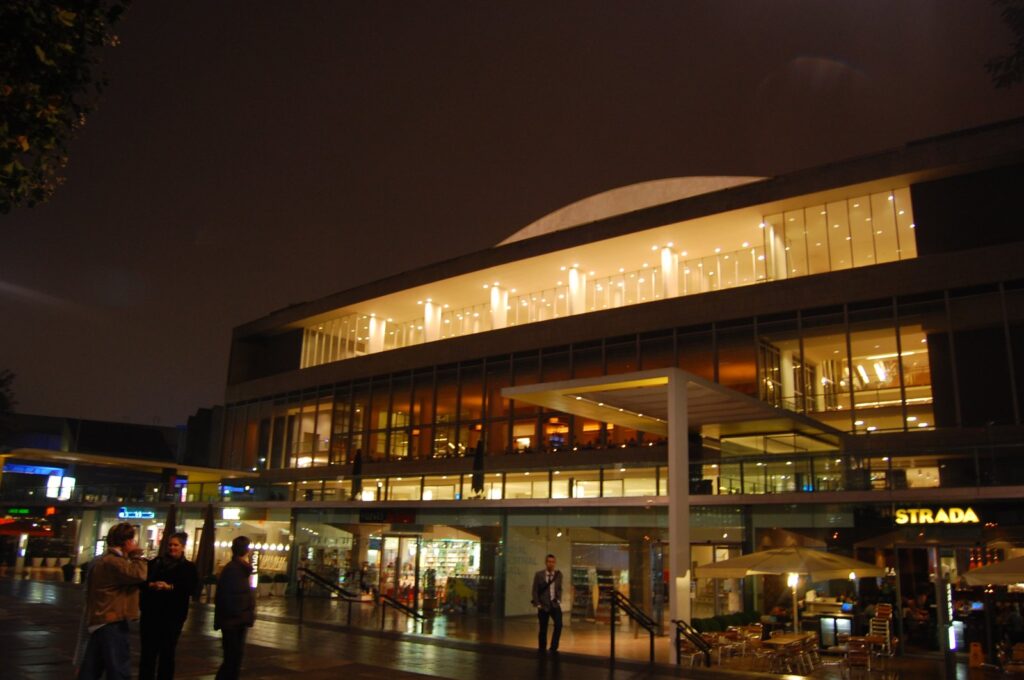
The Trespasses BAFTA 2026 story has crept up on people. Channel 4’s adaptation of Louise Kennedy’s 1970s Belfast novel arrived without the marketing thunder that powered Netflix’s Adolescence, yet by nominations day in March it had quietly stacked up six BAFTA TV Awards nods, including the headline Limited Drama category. With the ceremony on Sunday 10 May at the Royal Festival Hall, the question UK viewers should be asking is not whether Adolescence will win Limited Drama on Sunday night, but whether Trespasses can stop it. There is a real case that the Northern Irish drama is the dark horse of this year’s BAFTA TV Awards 2026, and a real case for paying attention.
In This Article
- Why Trespasses BAFTA 2026 Momentum Is Worth Taking Seriously
- The Six Nominations That Tell the Story
- Adolescence Is the Favourite – But BAFTA Voters Have Form
- Lola Petticrew Is the Quiet Centre of This Race
- What Channel 4’s Strategy Says About British TV in 2026
- How to Watch Trespasses Before the BAFTAs on Sunday
- The Verdict on Sunday Night
Why Trespasses BAFTA 2026 Momentum Is Worth Taking Seriously
Six BAFTA nominations in a single year is not the kind of haul a four-part Channel 4 drama gets by accident. Trespasses is up for Limited Drama, Writer: Drama, Director: Fiction, Photography & Lighting: Fiction, Production Design and Costume Design – a spread that suggests voters across multiple chapters of the academy independently rated it as one of the best things on British television last year. That kind of cross-chapter agreement matters because BAFTA’s Limited Drama winner is decided by the academy’s full television membership, not by genre specialists. Voters who put a tick next to Trespasses in the craft categories carry that conviction across to the main race.
For a sense of the field, our full BAFTA TV Awards 2026 predictions ran through where Adolescence looks unbeatable and where the races are still open. Limited Drama sits firmly in that second bucket.
The Six Nominations That Tell the Story
The shape of the Trespasses nomination list is more revealing than the headline number. Limited Drama and Writer: Drama (Louise Kennedy with Eileen Walsh adapting) speak to the storytelling itself. Director: Fiction (Lenny Abrahamson) reflects the show’s careful, novelistic pacing – Abrahamson is the same director behind Normal People, which won this category in 2021 and is a useful reference point for how BAFTA voters tend to reward this register of drama. Photography & Lighting and Production Design point to the show’s thick, lived-in evocation of 1970s County Down: brown wallpaper, smoke-damp pubs, a Catholic schoolroom that feels like its own pressure cooker.
Costume Design rounds out a category profile that is, in BAFTA terms, almost identical to the kind of show that wins big in years when there isn’t a generational phenomenon in the field. The problem for Trespasses is that there is one this year. The opportunity is that Adolescence‘s strengths sit in a different lane.
Adolescence Is the Favourite – But BAFTA Voters Have Form
To be clear: Adolescence deserves its 11 nominations and is the bookmakers’ favourite for Limited Drama. Stephen Graham and Jack Thorne built a four-part single-take state-of-the-nation piece that landed in the cultural conversation in a way almost nothing else on British television has in recent years. It would be no surprise if it sweeps.
But BAFTA’s Limited Drama category has a long history of choosing the quieter, more literary entry over the louder one when both are nominated. The 2023 win for Sherwood over The Responder, the 2024 nod to Time, and the 2021 victory for I May Destroy You over more conventional period pieces all suggest a voting body that respects craft alongside cultural impact. Trespasses is, on craft, the strongest piece of writing in the category this year. Louise Kennedy’s novel was longlisted for the Women’s Prize in 2023; the screenplay – according to the BBC Culture review – retains the book’s specific, Catholic-schoolteacher cadence in a way most adaptations manage only in the first episode. If voters split between Adolescence on impact and Trespasses on writing, the smaller show could come through the middle.
Lola Petticrew Is the Quiet Centre of This Race
If anything turns the Trespasses BAFTA 2026 case from outside bet to genuine threat, it is Lola Petticrew’s lead performance as Cushla Lavery, the Belfast schoolteacher pulled into an affair with an older Protestant barrister against the backdrop of a deepening Troubles. Petticrew is not nominated in Leading Actress this year – the Adolescence wave swept that category – but their performance is what voters are likely to remember when ticking the Limited Drama box. The Guardian’s Jack Seale described Petticrew as making “the tension between Cushla’s energy and cold reality at first rousing, then heartbreaking”, which is exactly the kind of phrase that gets repeated in voting rooms.
For UK viewers used to Petticrew from Bloodlands, the leap up in scale here is significant. It is the kind of breakthrough year that historically pulls a Limited Drama nod up into a win, even when the lead actor goes home empty-handed.
What Channel 4’s Strategy Says About British TV in 2026
Beyond the trophy maths, the Trespasses nomination tally tells a wider story about how British public-service broadcasters are competing in a streaming-dominated landscape. Channel 4 has spent the last two years narrowing its drama slate and putting bigger budgets behind fewer titles – a strategy that produced Half Man earlier this spring (we reviewed Richard Gadd’s Glasgow drama when it landed) and now Trespasses. The model is clearly working: six BAFTA nominations from a single four-part adaptation is the kind of hit rate the streamers would happily trade their gross numbers for.
It also speaks to a wider trend we covered in why British TV drama keeps getting shorter. Trespasses is exactly four episodes long. Adolescence is four. Half Man was six. The British limited drama is increasingly four to six hours of strongly-authored television rather than a 10-episode arc, and BAFTA’s voters appear to like it that way. Channel 4, the BBC and the streamers are now competing on roughly the same playing field, which makes the Sunday night verdict feel less like a Netflix-vs-broadcaster moment and more like a fight over which short, sharp piece of work made the deeper mark.
How to Watch Trespasses Before the BAFTAs on Sunday
All four episodes of Trespasses are streaming on Channel 4’s free service in the UK, which is the cleanest way to catch up before the ceremony airs on BBC One and BBC iPlayer on Sunday 10 May. At roughly four hours total, it is a single weekend’s viewing – and probably the most rewarding one currently on offer on a UK free-to-air streamer. Pair it with the rest of our 2026 British drama picks if you want a longer queue.
A note for viewers coming to Kennedy’s novel cold: the show takes its time. The first episode is mostly atmosphere and small humiliations, and the romance – and the violence – both arrive later than UK viewers conditioned on streamer pacing might expect. Stay with it. The payoff in episodes three and four is what the BAFTA nominations are really for.
The Verdict on Sunday Night
If you want to take a position before Greg Davies opens the envelopes, the smart bet is split. Adolescence probably wins Leading Actor (Owen Cooper) and at least two craft categories. Trespasses has a real shot at Writer: Drama and a meaningful, not symbolic, chance at Limited Drama itself. According to BAFTA’s published voting structure, the full television academy decides Limited Drama, which historically widens the field beyond the show with the loudest cultural footprint.
The bigger picture is that British television has produced two genuinely great limited dramas in a single year, both four episodes long, both pointed straight at adult audiences with no patience for filler. Whichever lifts the trophy on Sunday, the Trespasses BAFTA 2026 nominations have already done the harder job: they have made a quiet Channel 4 drama unmissable.
For another standout BBC drama this year, see our take on Dear England on iPlayer.
More on Channel 4’s current line-up: see our take on Nigella Lawson replacing Prue Leith on Bake Off.
Will Trespasses be the Limited Drama upset of the night, or does Adolescence sweep through unchallenged – and which of the two stays with you longer the morning after?