
Uni Room Essentials 2026: Kitting Out Halls for Under £250 – And the Stuff That Goes Home in a Bin Bag
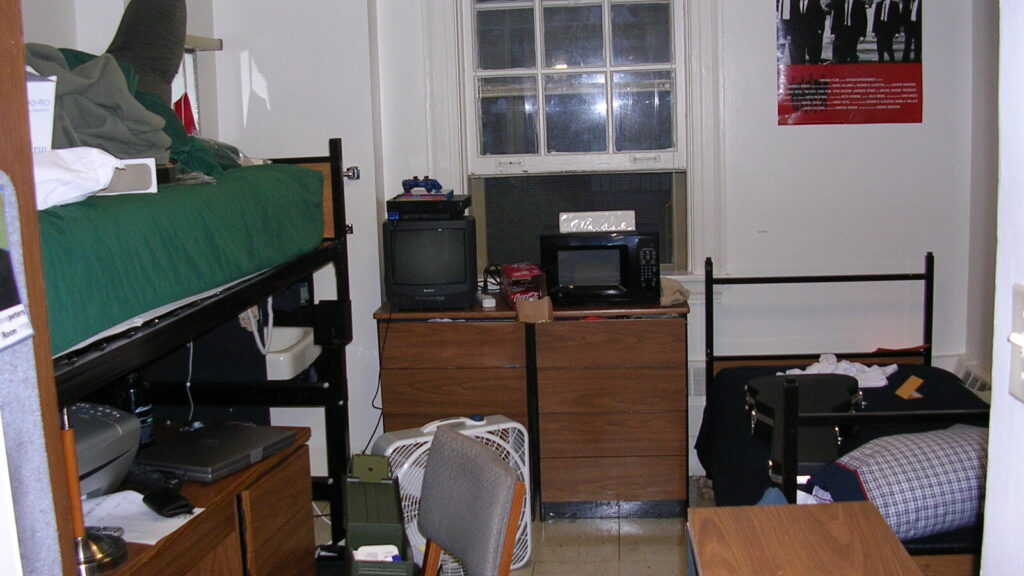
Walk past any student halls in the last week of June and you’ll see the same thing: a skip full of mattress toppers, bin bags of unopened stationery, a sandwich toaster still in its box. Britain buys its uni room essentials in a fortnight of panic between A-level results and freshers’ week, and a decent chunk of that spend goes straight in a skip ten months later. With results landing this week, the panic shopping is about to begin. So here’s the counter-argument: £250, spent with a bit of thought, covers everything a fresher will actually use. The rest is guilt spending by parents who feel like they should be doing something.
In This Article
- The £250 rule – and why the supermarket bundle is a trap
- The sleep kit: where uni room essentials start
- The shared-kitchen kit: one pan, two plates, a tin opener
- Storage: the six-hanger problem
- Desk, lamp and the tech that earns its keep
- What goes home in the bin bag
- IKEA, Dunelm or Argos: where the £250 goes furthest
- The boring bits: laundry, bathroom, fan
I’ve helped move three nephews and a niece in and out of halls over the past six years, from a 1960s tower in Sheffield to a new-build in Bristol with a rent figure I’d rather not repeat. The keep pile and the bin pile are remarkably consistent. This is a breakdown of both, with prices, and an honest look at where the money goes furthest.
The £250 rule – and why the supermarket bundle is a trap
Every August the supermarkets roll out “uni essentials” bundles: 16-piece dinner sets, colour-matched kitchen kits, duvet-pillow-protector packages shrink-wrapped into a cube. They look like value. They mostly aren’t.
The problem isn’t price, it’s quantity. A fresher in catered halls needs almost none of it. A fresher in self-catered halls shares a kitchen with between five and eleven other people, and a 16-piece dinner set in a shared kitchen is just fifteen pieces waiting to be absorbed into the communal pool. You need two of everything, not four, and the two should be cheap enough that losing one doesn’t sting. The bundle also fills the car boot before you’ve packed a single piece of clothing, which matters more than you’d think when the drop-off is a Ford Focus and a 250-mile round trip.
The £250 figure isn’t scientific. It’s what the keep pile has consistently cost, priced against Money Saving Expert’s student pages, which have been making a similar argument about start-of-term overspending for years. Spend it across the categories below and there’s nothing left to throw away in June.
One timing point that saves real money: buy almost nothing before the accommodation offer is confirmed. Results week has a way of rearranging plans – clearing moves people between cities, waiting lists clear, and the difference between catered and self-catered halls is about £75 of kitchen kit. The family that fills a car boot in early August is betting on an offer that doesn’t exist yet. Order the topper and bedding once the room is confirmed, click and collect the rest the week before move-in, and let the student buy the last 20 per cent after they’ve seen the room. Nobody has ever correctly guessed a halls room’s storage situation from a brochure photo.
The sleep kit: where uni room essentials start
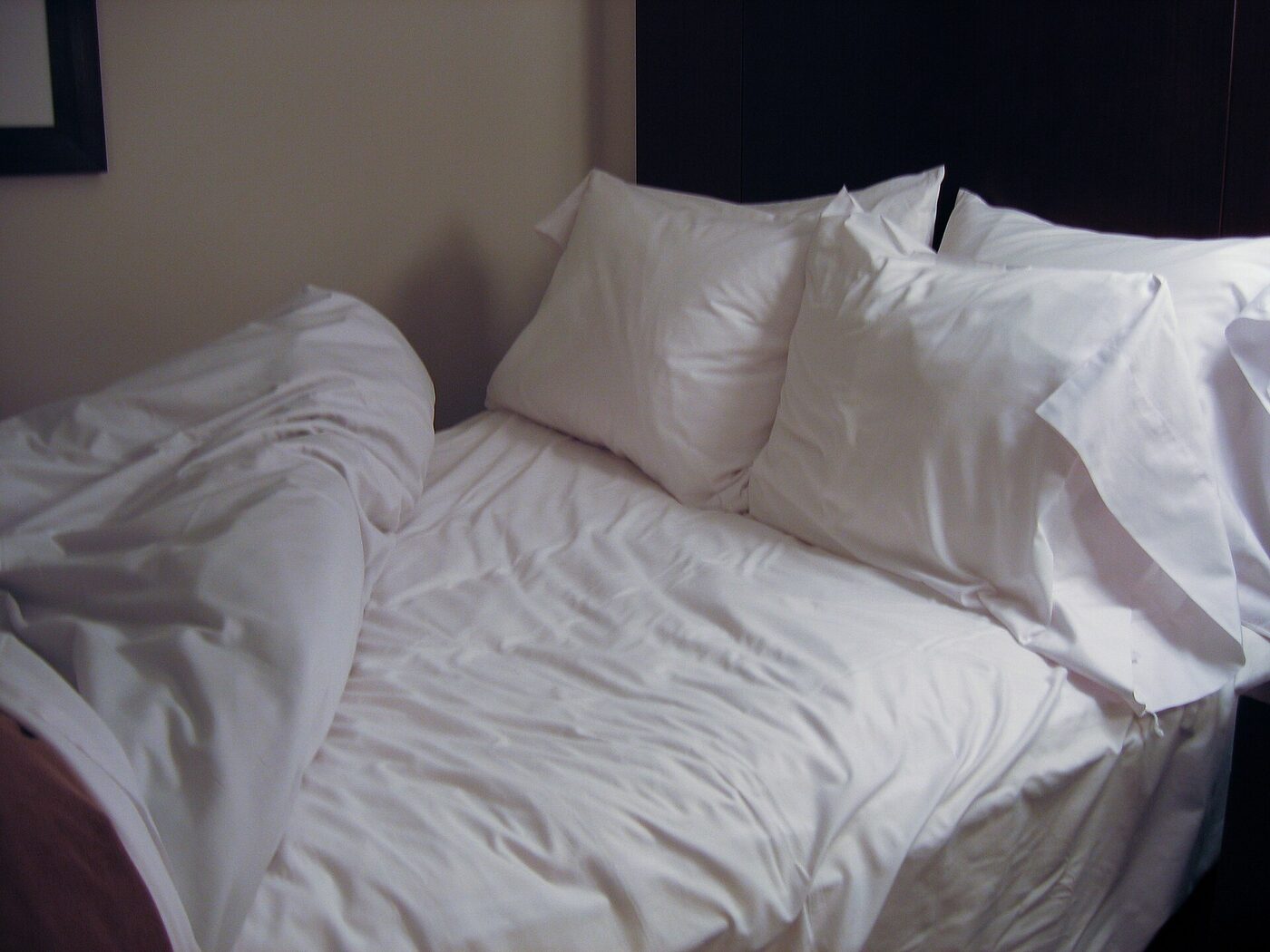
Halls mattresses are dreadful. Not neglected-dreadful – they’re usually newish, wipe-clean and about as forgiving as a gym mat. The single best purchase in the entire budget is a mattress topper, and it’s the one place I’d spend up rather than down. Around £35 to £45 gets a decent microfibre or memory foam one in a halls-standard small double or single; Dunelm’s own-brand version does the job and survives a hot wash. Every student I’ve moved out has kept the topper. Not one has kept the decorative cushions.
Beyond that: one duvet (a 10.5 tog all-rounder, about £18), two duvet cover sets so one can be in the wash without drama, two pillows, and a pack of foam earplugs. The earplugs cost £3 and will be the best-used item in the room by the end of freshers’ week. Corridor doors slam. Fire alarms get set off by toast at 2am. Somebody two rooms down owns a speaker. And if the room faces east, a £5 eye mask beats trying to fix halls curtains, which are thin for reasons no university has ever explained.
Running total so far: about £110.
The shared-kitchen kit: one pan, two plates, a tin opener
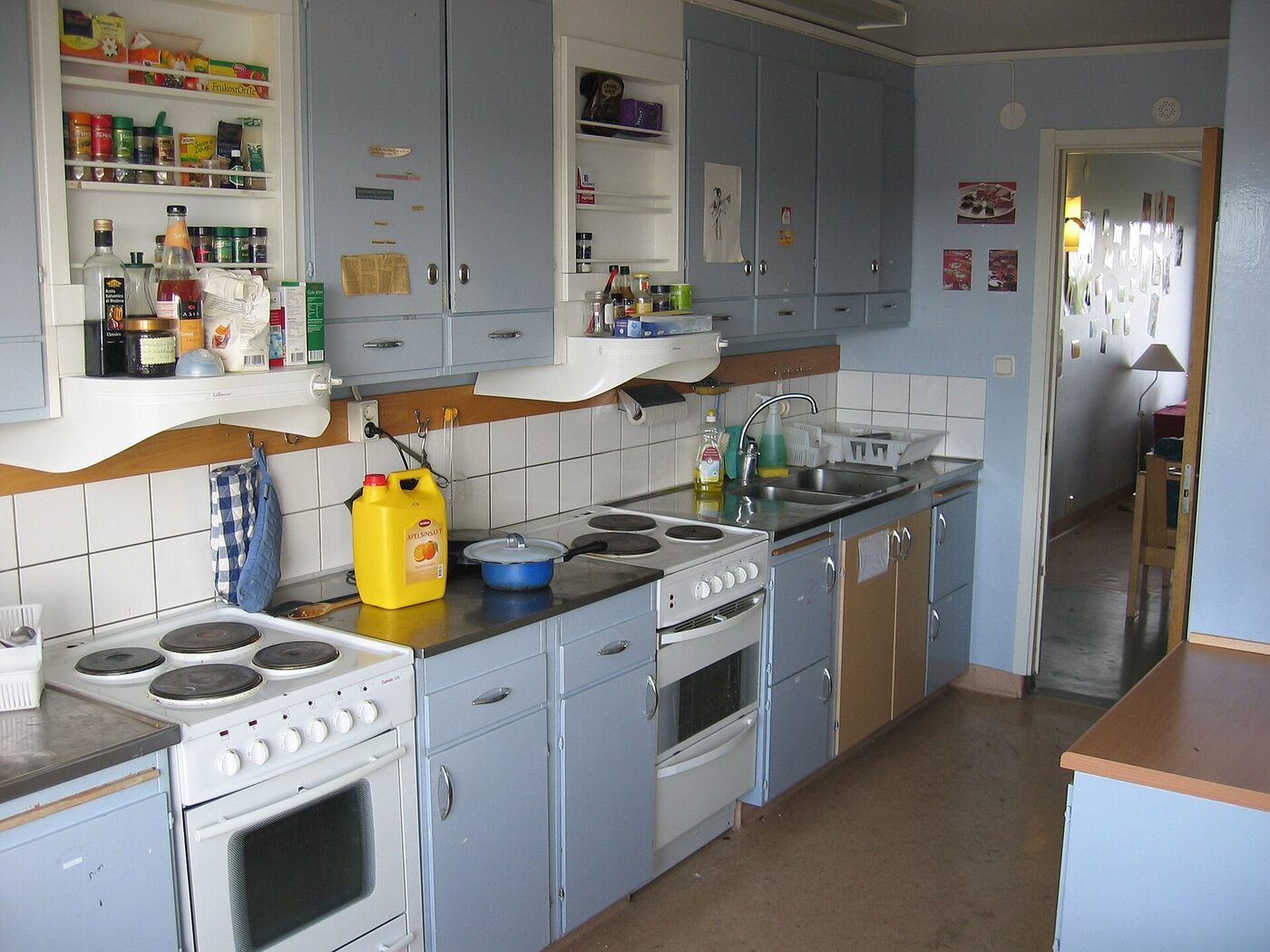
Shared kitchens operate under their own laws. Anything unnamed becomes communal within a fortnight. Anything communal migrates. By December there will be one tin opener among nine people and nobody will know whose it is.
So the kit is deliberately small: one decent non-stick frying pan (around £14 – this is the item that gets used daily, don’t buy the £4 one that warps by November), one medium saucepan, one sharp knife, a chopping board, two plates, two bowls, four mugs, basic cutlery, a wooden spoon, a tin opener, a peeler and four or five tupperware boxes. The tupperware earns its place twice over: leftovers, and transporting food home at Christmas. Write a name on everything in Sharpie. It looks childish on day one and like wisdom by week three.
All in, that’s about £75 from Argos or IKEA. What’s missing is deliberate. No baking trays, no wok, no knife block, no matching anything. The student who discovers a love of cooking in October can buy a wok in October, in the town where they live, for £10. Kit bought for the person you hope they’ll become is the single biggest source of June bin bags.
A note for catered halls, because about a fifth of first-years still end up in them: cut the kitchen kit to four mugs, two bowls, cutlery, the tin opener and the tupperware. Catered students still make tea, still eat cereal at midnight, and still need somewhere to put the leftover birthday cake. But the pan and saucepan can wait for second year. That’s £50 back in the budget, which in my experience gets spent on the train tickets home nobody budgeted for.
Storage: the six-hanger problem
Every halls wardrobe in Britain comes with roughly six wire hangers, a shelf at head height and a void underneath. It’s a strange constant across decades of university building. So hangers go on the list – a 20-pack costs about £6 – along with two or three under-bed storage boxes, because the gap under a halls bed is the only truly spare space in the room. IKEA’s fabric ones fold flat for the journey; Dunelm’s plastic ones stack better once there. Either way they swallow the out-of-season clothes, the spare bedding set and the growing archive of stuff that has no home.
Vacuum compression bags divide opinion. I think they’re worth the £8 for the drive alone: a winter coat, spare duvet and hoodie collection compress to the size of a pillow, which is the difference between one car trip and two. The counter-argument is that nobody ever re-vacuums them at the other end, and it’s true, they don’t. The bags do one journey each way per year. At £8, that’s still decent value per cubic foot of Ford Focus.
What doesn’t earn a place: freestanding drawers, shoe racks, over-door organisers bought before seeing the door. Halls rooms are small and their layouts vary wildly. Storage bought blind is furniture-shaped guesswork, and it’s exactly the category the June skips are fullest of.
Desk, lamp and the tech that earns its keep
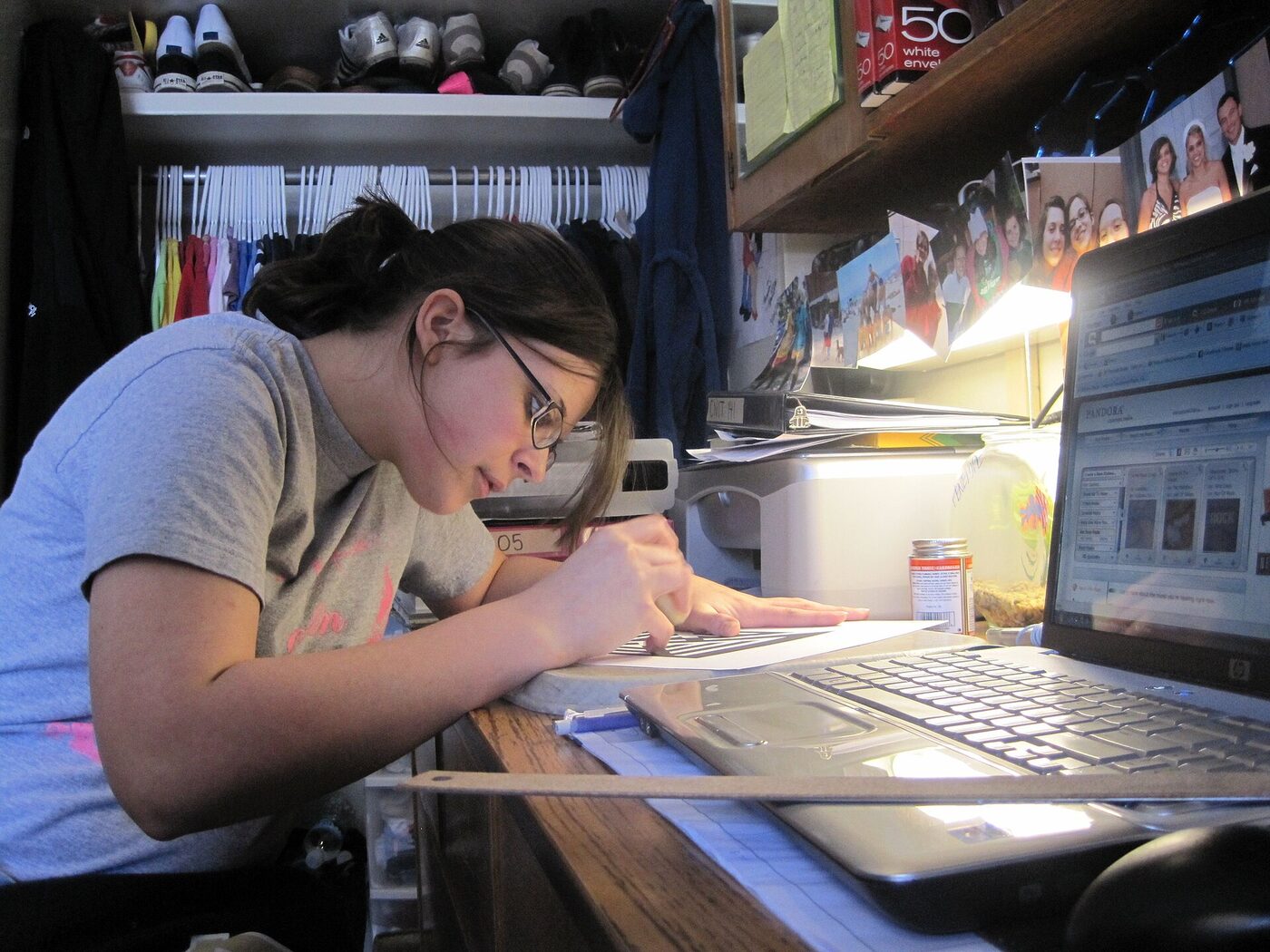
Two purchases matter here. A desk lamp, because halls rooms are lit by a single overhead bulb of the type that makes 9pm feel like an interrogation – the same big-light problem we wrote about in living rooms applies double in a 12-square-metre box. IKEA’s basic angled lamp is about £12 and outlives the degree. And a surge-protected four-way extension lead, about £12, because halls rooms were wired by people who believed students would need two sockets, both behind the bed.
The laptop is the big-ticket item and sits outside this £250 – if it’s on this year’s shopping list, our back-to-school laptop guide covers the under-£400 options and the supermarket deals to avoid.
Fairy lights, posters and Command strips are the cheapest décor per pound of homesickness prevented. House & Garden can keep its linen lampshades; a £10 string of warm-white lights does more for a breeze-block wall than anything else sold in August.
What goes home in the bin bag
This list is written from direct observation of four move-outs, and it barely changes. The printer goes home unused – every campus has print rooms that cost pennies a page, and nobody prints lecture notes anymore anyway. The iron and ironing board go home unused, usually still in the plastic. The kettle and toaster go home confiscated or unused, because most halls ban them in bedrooms and the kitchen already has both. The TV goes home because everything is watched on a laptop from under the duvet. The bulk stationery – the 12-pack of highlighters, the lever-arch files, the academic diary – goes home about 90 per cent intact, because a first-year humanities degree generates roughly one folder of paper, and science students work on screens. The second set of saucepans goes home crusted. The decorative cushions, as established, go home flat. If the family machine it goes home to is on its last legs, our home printer guide runs the ink maths on the two models actually worth the money.
One thing that is never on the standard list and probably should be: how you are getting to lectures. Campus bus passes add up quickly over three years, and a budget e-bike often pays for itself before the end of first year – we have broken down what your money actually buys in a commuter e-bike. If you are flying to university rather than driving, the current hand luggage rules will decide most of what makes the cut anyway.
Buy none of it and the budget suddenly looks roomy.
One item that looks like bin-bag material but isn’t: a wedge doorstop. Costs about £3. An open door in freshers’ week is how corridors turn into friendships, and every hall veteran I’ve asked names it unprompted. Cheapest social software ever written.
IKEA, Dunelm or Argos: where the £250 goes furthest
Having priced the same basket at all of them this summer, the honest answer is a split. Dunelm wins on the sleep kit – toppers and duvet sets are better quality at the same price than the supermarket equivalent, and there are 200-odd stores for click and collect. IKEA wins on the lamp, storage boxes and kitchen basics, but only if there’s a store on the route; £4 plates stop making sense with a £40 delivery charge on top. Argos takes the rest on pure convenience – the pan, the extension lead, the fan – because collection from a Sainsbury’s counter en route to the halls beats everything else during move-in weekend.
The supermarkets are for top-ups, not the main shop. And the charity shops in any university town deserve a mention: crockery for pence in September, and they’ll take most of it back in June. The circular economy has been running in student towns since before anyone gave it a name.
The boring bits: laundry, bathroom, fan
A laundry bag, not a basket – it folds flat in the boot and carries to the launderette over a shoulder. A shower caddy and flip-flops if the bathrooms are shared; our small bathroom storage piece has more on surviving tiny shared washrooms, most of which applies directly to an en-suite the size of a phone box.
And a cheap desk fan, about £15. New-build halls are built warm and glazed generously, September heat spikes are now a fixture of the British calendar, and the window will open ten centimetres for insurance reasons. The physics from our piece on keeping a house cool in a heatwave applies in miniature: shade the glass, move the air. The fan gets used until November, ignored until May, then used through exams.
Two unglamorous additions finish the budget. A small medicine kit – paracetamol, plasters, a thermometer – because freshers’ flu is real, it arrives in week two, and the campus pharmacy queue on a Monday morning is not where anyone wants to discover they own no paracetamol. The whole kit is under £8 in any supermarket. And detergent pods rather than liquid, because a 3kg bottle of Persil in a laundry bag carried across a car park is a lesson everyone only learns once.
That’s the lot. Add it up – sleep kit, kitchen, desk, boring bits – and it comes to a shade over £250, with the topper as the only splurge. The Guardian’s student pages are full of first-years saying some version of the same thing every autumn: the stuff mattered less than they expected, and the room felt like theirs once there was something on the walls and someone in the doorway.
The laptop is the one item on the list that deserves real research. Apple’s £499 MacBook Neo has changed the sums; our guide to the best student laptop under £500 compares it with the two Windows machines that still beat it.
If you’ve already done a year in halls, you know exactly what your June bin bag held. The interesting question for this year’s freshers is which of these purchases they’ll still own at graduation – in my experience it’s the topper, the lamp and, oddly, the doorstop.