Why Padel Took Over Britain in 2026 – And Whether It Actually Counts as Exercise
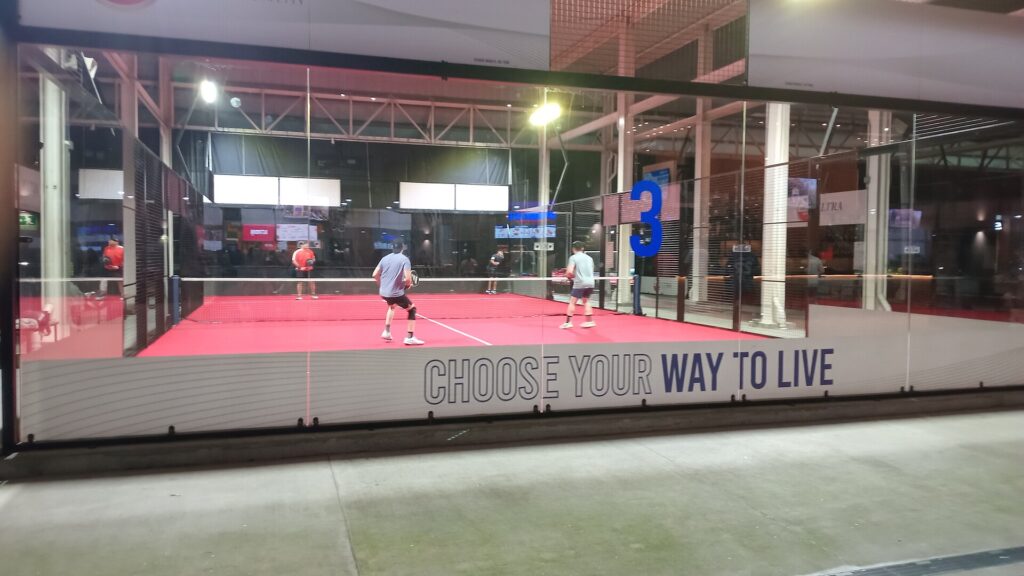
Try booking a padel court in any British city after six o’clock on a weekday and you will run into the same wall: nothing free until next week, and even then only an awkward 9pm slot two postcodes away. Five years ago almost nobody in the UK could have told you what padel was. Now it is the reason a generation of lapsed gym members are suddenly texting each other on a Tuesday night, racket bag over one shoulder, asking who is in for a court.
In This Article
This is the fastest growth British sport has seen in living memory, and it has happened almost entirely since 2020. The numbers behind padel in the UK are genuinely startling, the social pull is obvious to anyone who has played once, and the fitness case is more complicated than the marketing suggests. So before you spend £100 on a racket, it is worth asking what is actually driving this – and whether the sport earns its place in your week as exercise, or just as a very good night out with a scoreboard attached.
From 15,000 players to over a million: how fast padel actually grew
The scale is the part that stops people in their tracks. According to figures released by the Lawn Tennis Association in March 2026, 860,000 adults and juniors in Britain played padel at least once during 2025 – more than double the 400,000 recorded a year earlier. Rewind a little further and the curve looks almost vertical: 129,000 players at the end of 2023, and just 15,000 in 2019. By the LTA’s own account, participation has since pushed past a million.
The courts have followed the players, though never quite fast enough to meet demand. Britain had 1,553 padel courts across 559 venues at the close of 2025, up from 870 courts a year before, and a mere 69 when the LTA took over governance of the sport in 2020. Awareness has climbed just as sharply: the LTA reckons 57% of British adults – roughly 31 million people – now know what padel is, against 38% in late 2024. More than 10 million say they want to try it.
“With 860,000 people playing in 2025, over 10 million expressing interest in trying the sport, and around 1,600 courts now in place across hundreds of venues, padel’s momentum is undeniable,” said Tom Murray, the LTA’s Head of Padel, when the figures landed. That is governing-body language, and governing bodies are paid to be upbeat, but in this case the enthusiasm tracks the data. Few sports anywhere have gone from niche curiosity to a million participants inside half a decade.
To put that in perspective, it took parkrun the better part of a decade to build the kind of weekly following padel has assembled in two or three years, and parkrun is free. The sport was already enormous in Spain and Argentina, where it has been a fixture of suburban life for a generation, but Britain came to it late and then made up the ground at remarkable speed. The pandemic did much of the early work: an outdoor, socially-distanced racket sport you could play in a bubble of four was close to the ideal lockdown activity, and the habit stuck once restrictions lifted.
Why padel hooks the people the gym never reached
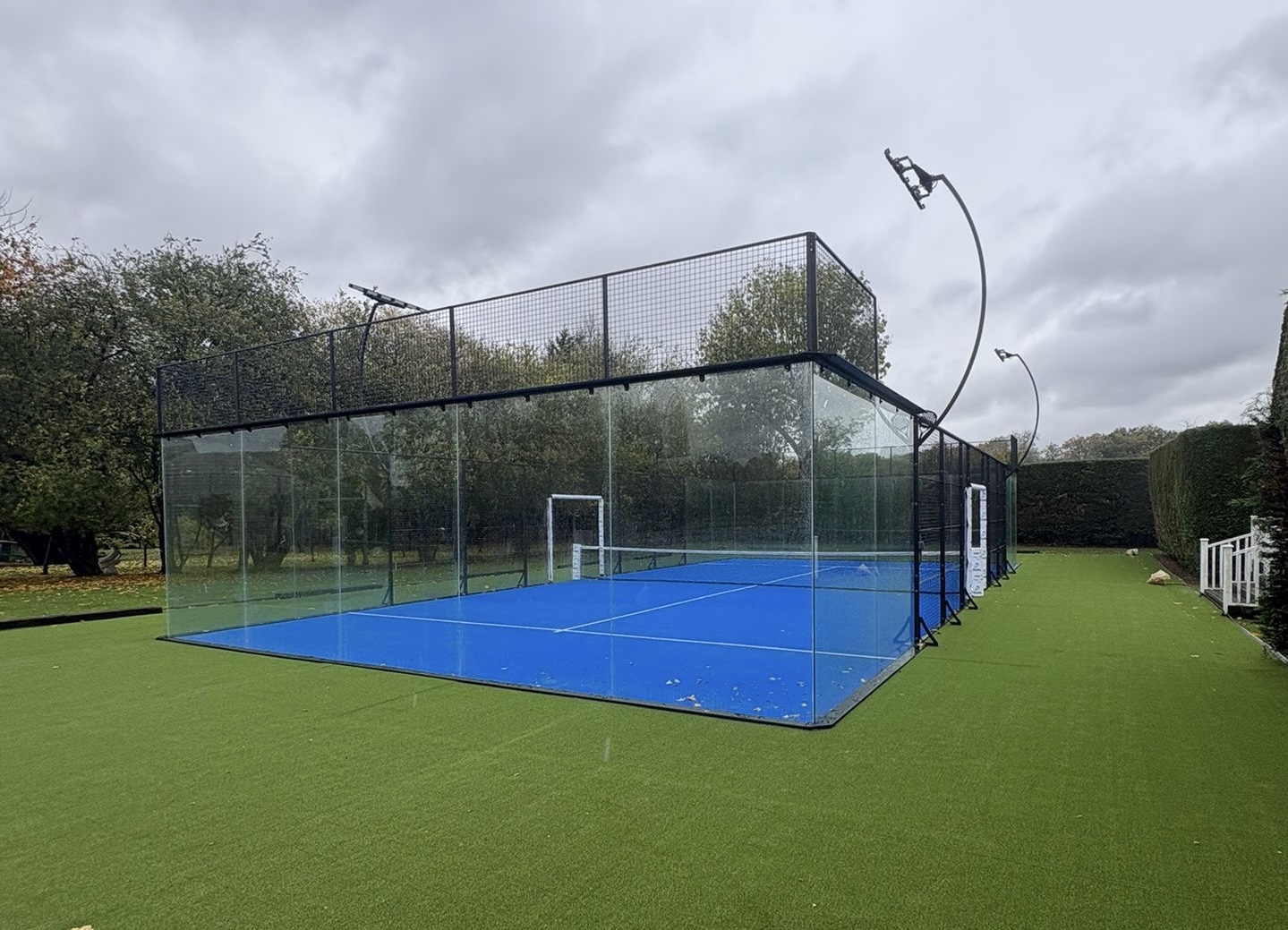
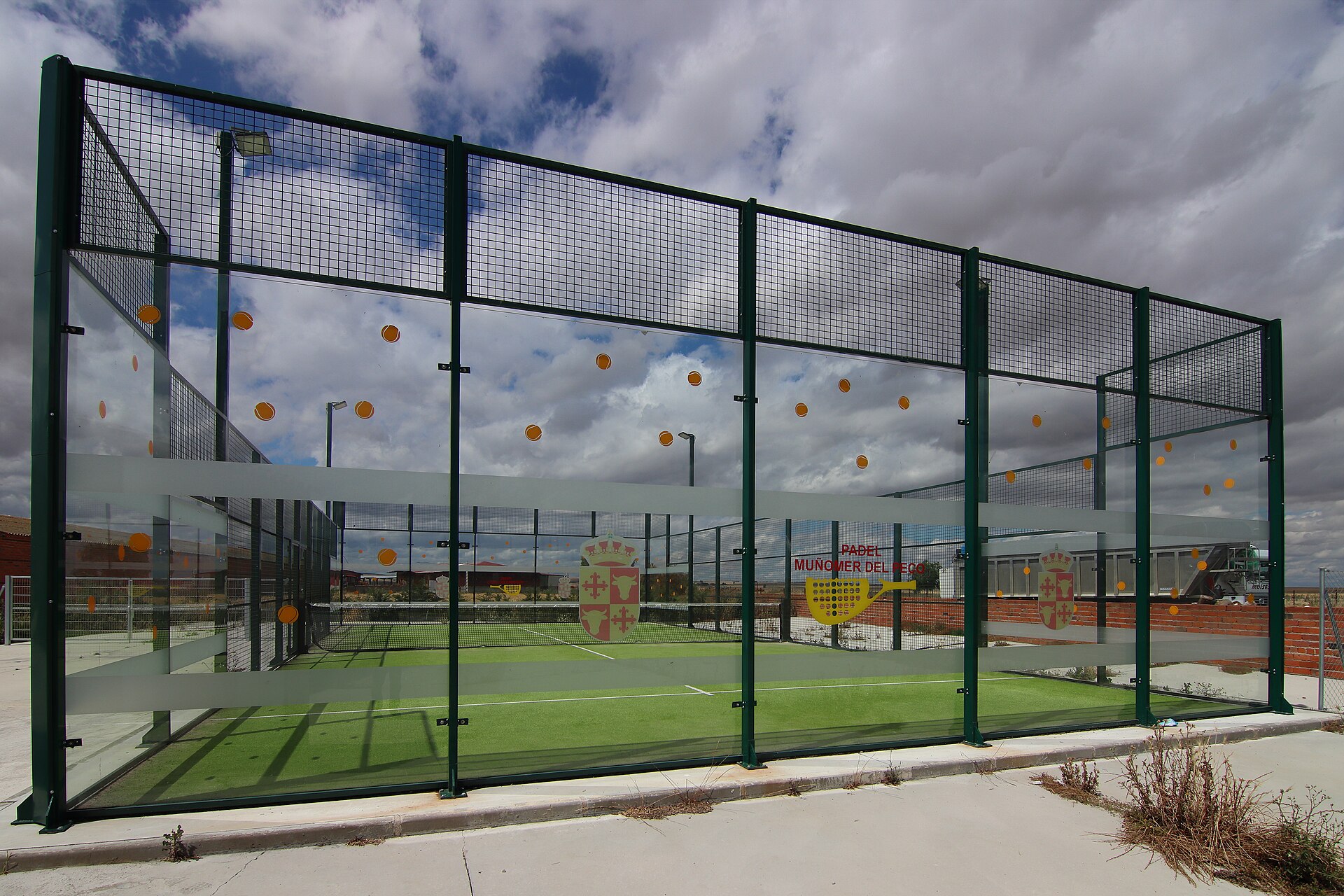
Plenty of sports are good for you. Very few are this easy to start. That, more than anything, explains the rise of padel in the UK. The court is roughly a quarter the size of a tennis court, the walls are in play so the ball keeps coming back, and the underarm serve means a complete beginner can rally within minutes rather than weeks. You do not need to be fit, coordinated or young to have a genuinely competitive first game. That is a rare and powerful thing, and it is the single biggest reason the sport has spread faster than tennis ever managed.
It is also, by design, social. Padel is played almost exclusively in doubles, four people to a court, which turns it into a fundamentally different proposition from a solitary treadmill session or a silent weights circuit. You are talking, laughing, blaming each other for the ball that went long. For a lot of people in their thirties and forties – the sport’s core demographic – it has quietly replaced both the five-a-side football their knees gave up on and the after-work drinks their livers were grateful to lose.
There is a thread running through several of the fitness trends Britain has taken to lately, from the rise of the wellness conversation happening on British podcasts to the boom in communal sauna culture: people increasingly want movement that comes bundled with other people. Padel delivers that better than almost anything else on offer. The exercise is close to a side effect. You turn up to see your mates and beat them, and the cardiovascular work happens whether you were paying attention to it or not.
The forgiving learning curve has a second benefit that the gym rarely offers, which is fast, visible progress. Because the walls keep points alive and the court is small, beginners experience long rallies and real tactical decisions almost immediately, rather than the demoralising stop-start of two novices missing a tennis ball into the net for an hour. That sense of getting better quickly is powerfully addictive, and it is why so many people who try padel once book again before they have even left the venue.
But is padel actually a workout?
Here is where the marketing gets ahead of itself, and where it is worth being honest. Padel is genuinely good exercise – but it is not the calorie-torching, all-body workout some venues imply, and how hard it works you depends enormously on who you are playing and how seriously everyone is taking it.
The research that exists is encouraging. Heart rate during recreational padel typically sits between roughly 70% and 80% of maximum, the moderate-to-vigorous zone that public health guidance is built around, with the game alternating between short bursts of effort and lower-intensity recovery in a pattern not unlike interval training. Estimates of energy expenditure vary widely depending on intensity, but a recreational hour tends to land somewhere in the region of 400 to 600 calories. A narrative review of padel and physical fitness published in the International Journal of Environmental Research and Public Health concluded that regular play can improve cardiovascular fitness, agility and coordination, while noting that the evidence base is still young and that most studies are small.
The catch is that a relaxed social game between beginners, with long gaps between points and plenty of standing around, sits a long way below a fast doubles match between experienced players. Both are “an hour of padel”. They are not the same hour. If your only physical activity is a gentle Sunday knockabout, padel is a pleasant addition to your week rather than a serious training stimulus. That is fine – just do not let it crowd out everything else. It complements, but does not replace, the dedicated strength and cardio work that drives numbers like the VO2 max figures runners obsess over.
It helps to be specific about what padel does and does not train. It is good for your heart, your reactions and your lateral agility, and the constant changes of direction quietly build the kind of balance and coordination that tends to erode with age. What it does not do is build much strength, and it works the body asymmetrically – one dominant arm, one favoured side – in a way that makes some complementary work in the gym sensible rather than optional. As a writer at National Geographic put it in a 2025 feature, padel’s real strength may be that its controllable intensity makes it unusually well suited to people easing back into exercise, precisely because you can dial the effort up or down without ever leaving the game.
The injuries nobody warns you about
For a sport sold on its gentleness, padel sends a surprising number of people to the physio. The most-cited systematic review puts the injury rate at around three per 1,000 hours of play, which is not high in absolute terms, but the pattern is distinctive: a notably greater share of elbow problems than you see in most racket sports, alongside complaints in the shoulder, knee, ankle and lower back, particularly among adult recreational players.
“Padel elbow” – essentially the same overuse tendon injury as tennis elbow – is common enough to have earned its own nickname. The usual culprits are familiar: too much play too soon, no warm-up, poor technique on the wrist-heavy shots, and a racket that is too heavy or too stiff for the player swinging it. The quick starts and sudden direction changes on a small court also put real strain on knees and ankles, which is exactly the load profile that catches out the weekend player who has not run for anything in a decade.
None of this is a reason to avoid the sport, and the injuries are overwhelmingly the nuisance kind rather than the serious kind. But it does argue against the most common beginner’s mistake, which is to fall hard for padel and immediately play five times a week. Warm up properly, build the volume gradually, get a couple of coaching sessions to fix your technique before bad habits set in, and treat the small stabilising muscles in your forearm and shoulder with some respect. The people who get hurt are almost always the ones who skipped that part – and a softer, well-balanced racket bought on advice rather than looks will do more to protect your elbow than any amount of strapping after the fact.
The injury picture has firmed up since we first wrote this. Padel injuries now run higher than tennis – roughly three per 1,000 hours played – and the elbow, the shoulder and the glass wall account for most of it.
The £7 question: who padel is really for
Padel has an image as an accessible, everyone-welcome sport, and on the court that is true. The economics are a little less democratic. The LTA’s own research puts the average off-peak court at around £7 per person per hour, or £27 for a doubles booking. That is reasonable. Peak-time bookings in city-centre venues, where almost all the demand is, routinely run well above it – and that is before the racket, the shoes and the inevitable second racket once you decide the first one was wrong.
The deeper problem is supply. Courts are concentrated where money and demand already are, which means padel’s growth has so far favoured affluent urban and suburban players over everyone else. The LTA says it is trying to address this, pointing to more than £7.5 million of its own investment in court construction, a further £18 million unlocked alongside partners, and government money earmarked for covered community facilities in underserved areas. Whether that genuinely broadens the sport or simply adds courts where the waiting lists are longest is the open question of the next few years.
It is worth being clear-eyed about the upsell, too. Padel arrives wrapped in the full modern wellness apparatus – premium rackets, branded kit, recovery products, the lot. Some of it earns its place; plenty of it does not, in much the same way that the electrolyte powders marketed to amateur athletes mostly solve a problem a glass of water and a normal diet had already handled. You need a racket, court shoes and a willingness to lose to people better than you. Everything beyond that is optional, and most of it can wait until you actually know whether the sport has its hooks in you.
Where padel goes after London’s big summer
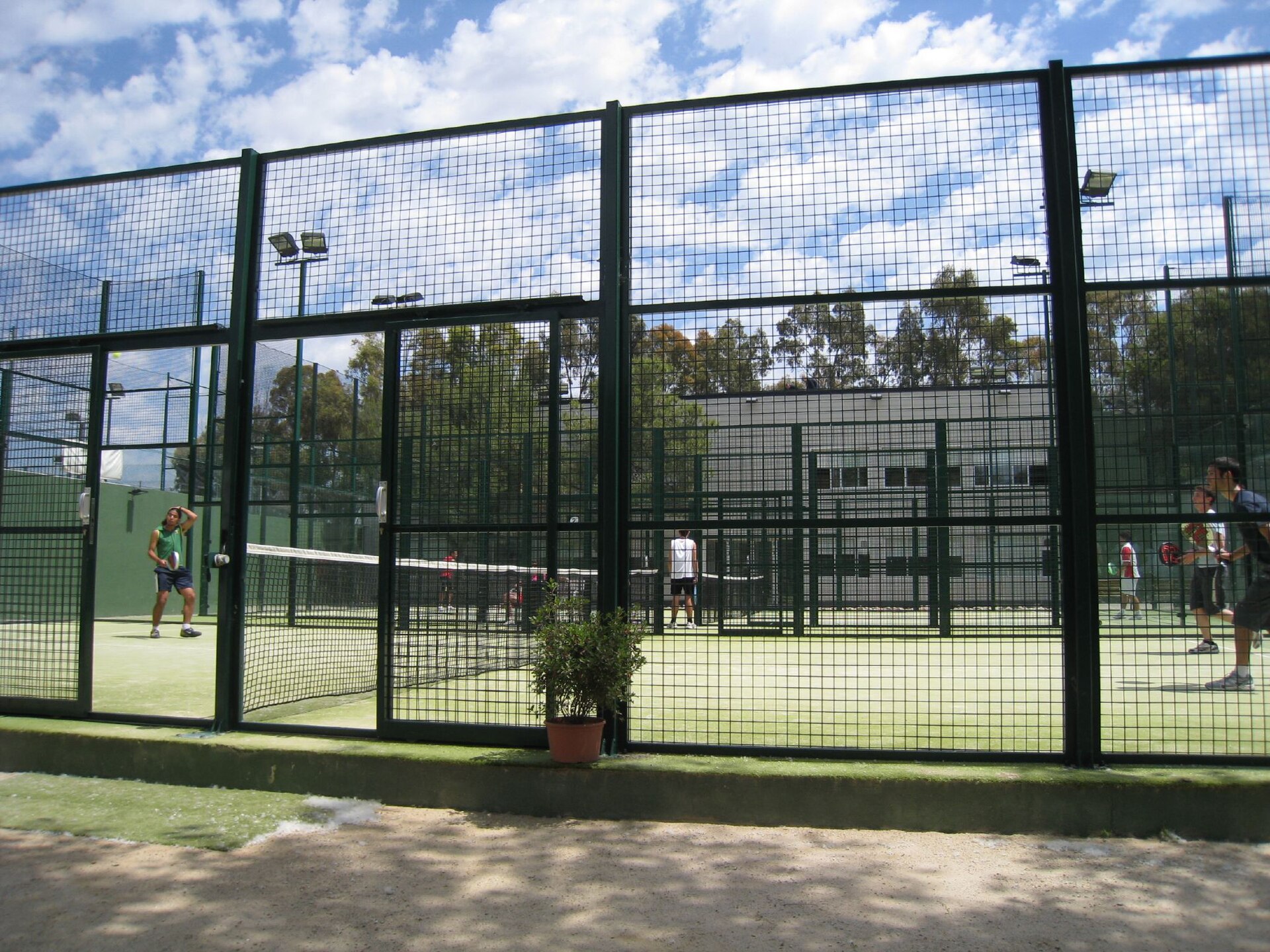
The professional game is about to get its loudest British moment yet. In August 2026 the Qatar Airways Premier Padel Tour stops in London, staged as a P1 event – the second tier of the elite circuit, just below the Majors – and the first time most British fans will see world-class padel in the flesh rather than on a phone screen. Governing bodies have long understood that a visible professional spectacle pulls amateurs onto courts, and the LTA is openly betting on exactly that effect.
British players are starting to give the home crowd something to follow, too. Catherine Rose became the British women’s number one earlier in 2026 and has been collecting FIP titles on the international tour, part of a small but growing performance pathway the LTA is building out with 35 weeks of competition planned across the year. Padel in Britain is no longer just a participation story; it is slowly acquiring the professional scaffolding – rankings, tournaments, recognisable names – that turns a craze into an established sport.
The honest forecast is that the curve cannot keep doubling forever, and at some point the growth flattens as the easy converts run out and the court shortage bites. The sport’s biggest medium-term risk is not waning interest but the opposite: demand so far ahead of supply that newcomers cannot get a court at a sensible hour and drift away frustrated. Solve the facilities problem and padel has every chance of settling in as a permanent fixture of British life rather than a passing fad. There is little sign of the peak arriving in 2026, though. With 10 million Britons saying they want a go and a flagship pro event landing in the capital, this is a sport still very much on the way up.
So play it, by all means – padel deserves the hype as a way to move, socialise and compete without it feeling like a chore. Just go in with clear eyes: warm up, build slowly, get the racket right, and treat it as one good piece of an active week rather than the whole thing. The real test is not whether padel is fun. It plainly is. The question worth asking yourself before you book that next court is simpler: is padel adding to how much you move each week, or has it quietly become the only time you move at all?
If you would rather train than rally, plenty of converts are also trying zone 2 running.
Padel is not the only sport quietly rewiring British weekends – our guide to the best parkruns in the UK looks at why 260,000 people now start Saturday with a barcode.