Best Pizza Oven Under £300 for the August Bank Holiday: Skip Wood, Buy Gas, Ignore the Snobs
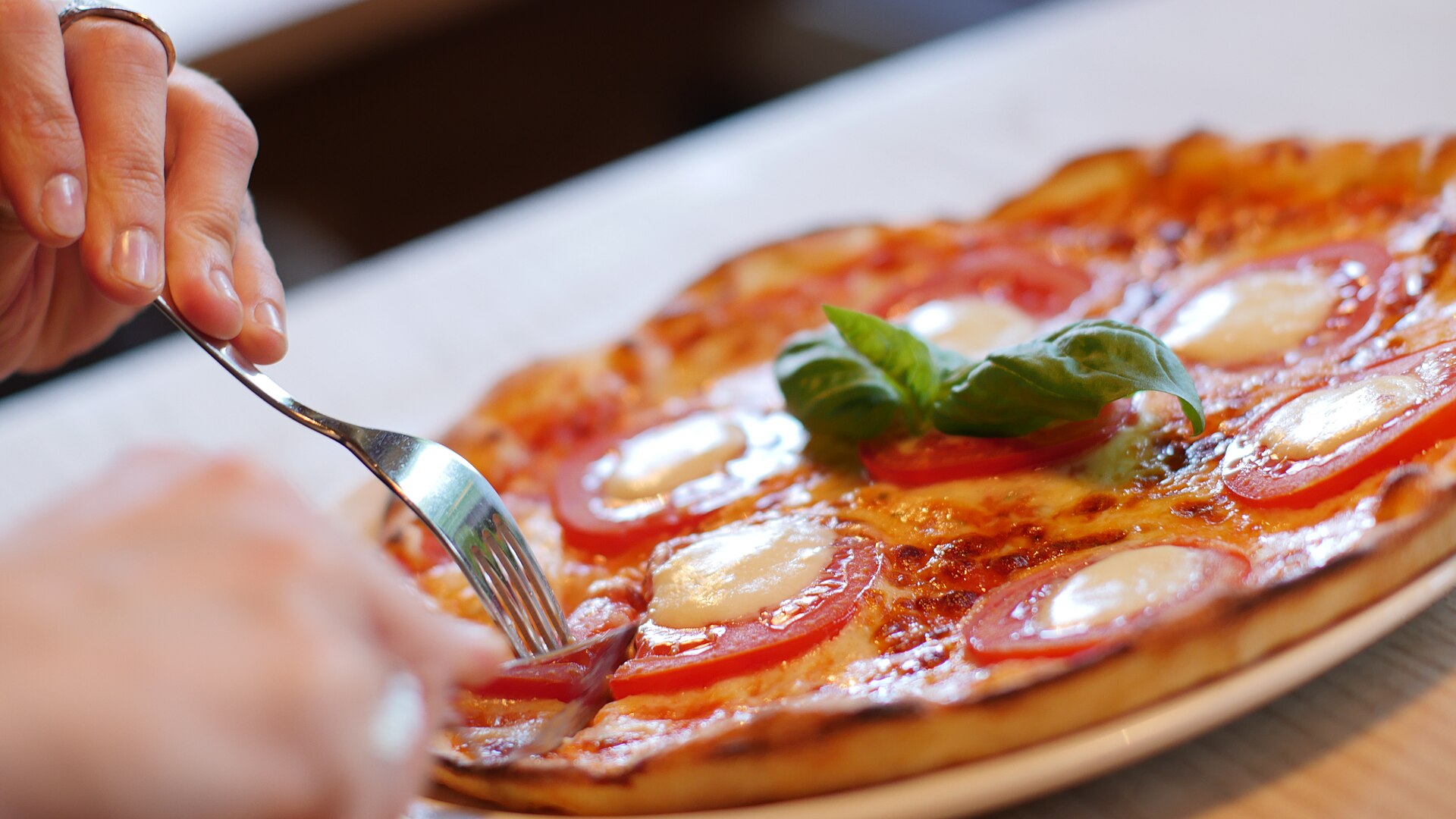
Six adults, two margheritas, one awkward silence. Last Saturday I ran a blind taste test on my parents’ patio in Somerset: one pizza from a gas-fired oven, one from a wood pellet model, both cooked at around 480°C in a little over a minute. Nobody guessed right more often than a coin flip. My father, who has spent three years telling anyone who’ll listen that “you can’t beat proper wood-fired”, picked the gas one as his favourite. Twice.
In This Article
- The wood-fired myth, and the 75 seconds that kill it
- The best pizza oven under £300 for most gardens: Ooni Koda 12
- The £70 question: Aldi’s middle-aisle special
- Pellets and patience: the Fyra 12, for a certain kind of person
- No garden? The balcony and rental answer
- What £400-plus buys, and why most gardens don’t need it
- The costs nobody prints on the box
- Your first afternoon: where new owners go wrong
- Buy this week or wait for September?
That result matters if you’re shopping for the best pizza oven under £300 before the August bank holiday, because the entire premium end of this market is built on the idea that wood tastes better. It doesn’t – not at the speeds these ovens cook at – and once you let go of that idea, the buying decision gets cheaper and much less complicated.
The timing matters too. The bank holiday lands on Monday 31 August, which gives you three weekends of British summer worth planning for, and pizza ovens have quietly become the centrepiece purchase of late-summer garden entertaining in the way the plug-in BBQ was a couple of years back. Here’s where the money actually goes. If the garden it is going into looks scorched after this summer, our guide to the drought tolerant garden covers what actually survived.
The wood-fired myth, and the 75 seconds that kill it
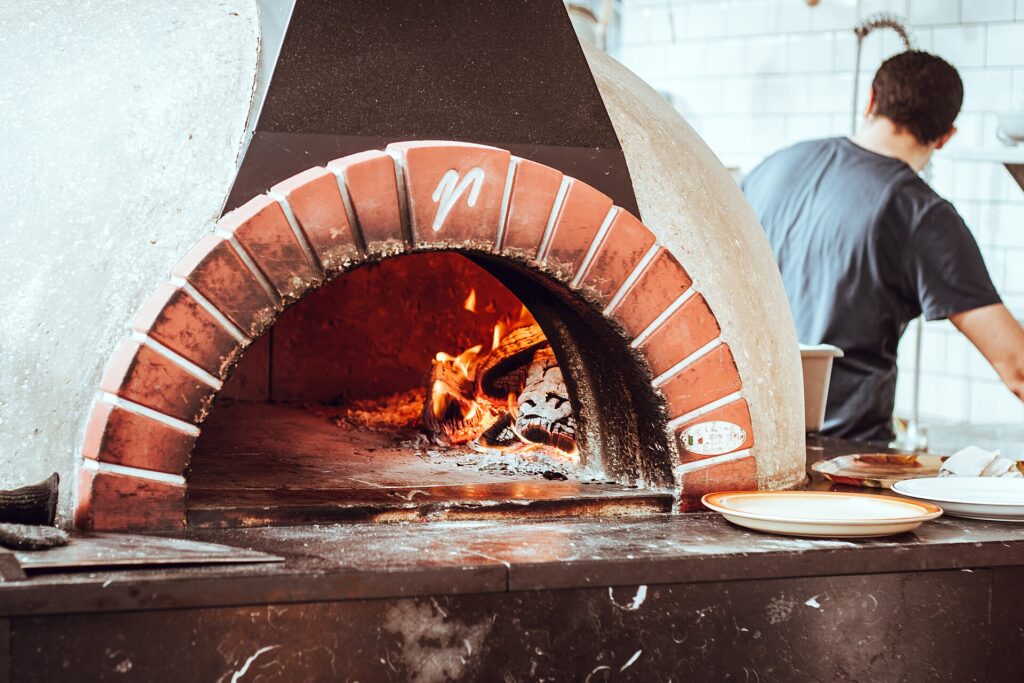
The myth survives because it’s half true. A proper Neapolitan restaurant oven – a tonne of brick, lit for hours before service, seasoned by years of combustion – does contribute something to the crust. But your garden oven isn’t that. A domestic pellet burner gets a pizza in and out in 60 to 90 seconds, and in that window the smoke simply doesn’t have time to register on the dough. What you’re tasting in any of these ovens is heat: the 450°C-plus stone that blisters the base and puffs the cornicione before the toppings dry out. Your kitchen oven tops out around 250°C, which is why homemade pizza usually disappoints. The fuel behind the flame is close to irrelevant; the temperature of the flame is everything.
Run the test yourself if you don’t believe me. Same dough, same tin of San Marzanos, don’t tell anyone which is which.
And the myth isn’t free. Wood and pellet models demand constant feeding, take longer to recover between pizzas, and leave you scrubbing ash out of a burner tray on Sunday morning. Gas lights with a dial, holds its temperature while you faff with toppings, and switches off. You’re paying extra, in money and effort, for theatre. If the theatre is the point for you, fine – that’s a real reason. Just don’t call it flavour.
The best pizza oven under £300 for most gardens: Ooni Koda 12
The Koda 12 has been around for years, and that’s the point of it. At £299 it sits exactly on the cap, it’s gas-only, there’s nothing to assemble beyond screwing in a regulator, and it reaches full temperature in about 15 minutes. The 12-inch stone suits the pizzas most people actually make. Which? rates gas models highly for exactly this controllability in its pizza oven testing, and the used market agrees: secondhand Kodas hold their value in a way the novelty brands don’t.
It isn’t perfect. The flame sits at the back, so you’re turning every pizza with a peel a quarter-rotation at a time or you’ll serve something charred on one edge and pale on the other. There’s no door, so a windy patio steals heat. And the price on the box is not the price of your first pizza – you’ll need a patio gas bottle and possibly a peel, of which more below.
But as a thing you ignore for 51 weekends a year and then cook fourteen pizzas on in an afternoon, it’s the strongest case for £299 in this category.
The £70 question: Aldi’s middle-aisle special
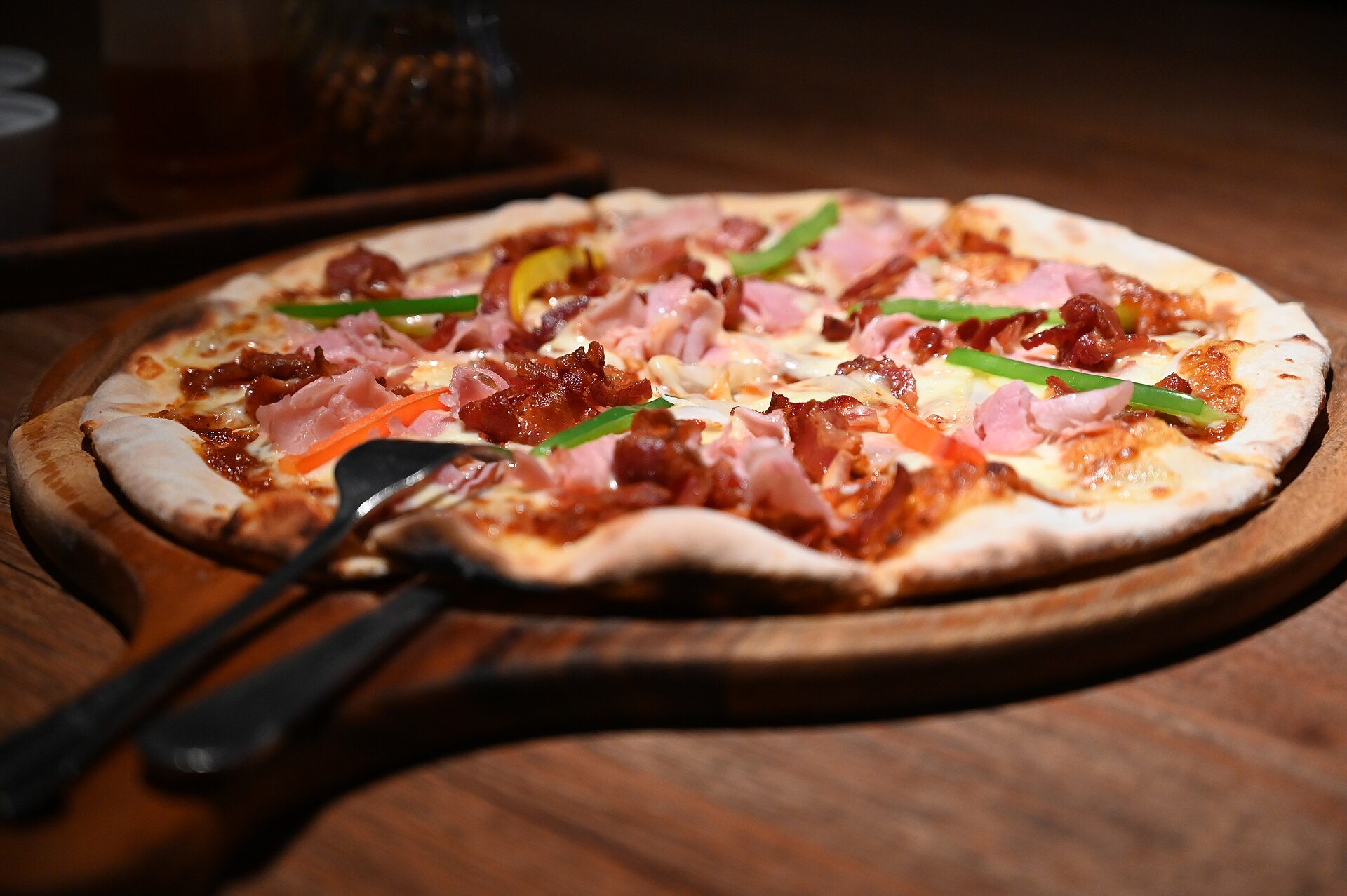
Aldi’s gas pizza oven came back this year at £69.99, in a fashionable green this time, with a ceramic stone and a built-in thermometer. Ideal Home clocked it as £230 cheaper than the Koda 12, which is the sort of gap that deserves an explanation.
Here’s the explanation, having cooked on one that belongs to a friend in Sheffield: the stone is thinner, so the first pizza is great and the second one sticks unless you give the oven four or five minutes to recover. The thermometer reads optimistic. Build quality is middle-aisle standard, which means the hinges and fittings feel like they’re on a five-summer countdown rather than a fifteen-year one.
None of that is a reason to avoid it. For two or three pizza nights a summer, it’s the rational buy, and the money left over funds a lot of decent mozzarella. The real catch is availability – it’s a Specialbuy, stock comes and goes, and waiting for the bank holiday week to find one is a gamble. If Aldi’s gone by the time you read this, VonHaus does a £150 full kit with the peel, cutter and carry bag included, which quietly solves the accessories problem the big brands leave you to discover at the checkout.
Pellets and patience: the Fyra 12, for a certain kind of person
Ooni’s Fyra 12 is the wood-pellet option that usually lists around £249, and at 9.9kg it’s the one you can genuinely carry to a campsite – if you’re already the sort of household that takes a family tent and half the kitchen away in August, it earns its place in the boot.
Be honest with yourself about the workflow, though. The hopper needs topping up with pellets every few minutes, the temperature swings when you do, and your first three or four sessions will produce at least one pizza you quietly bin. It’s a hobby oven. Lovely if tending a fire while holding a beer is your idea of a Saturday. Maddening if you just want to feed six people before the kids melt down.
My contrarian position, for what it’s worth: the Fyra is the oven people buy for the person they’d like to be, and the Koda is the one for the person they are.
No garden? The balcony and rental answer
A quarter of the people reading this don’t have a patio, and the pizza oven industry mostly pretends they don’t exist. If you’re on a balcony, check your lease before anything else – plenty of blocks ban open flames outright, and a gas oven at 500°C counts. Where gas is out, the honest answer at this budget is an electric tabletop model. The G3 Ferrari Delizia has been the default for years at around £100: it only reaches about 400°C and takes closer to four minutes a pizza, but four minutes still beats your kitchen oven by a street, and it works in a kitchen in January, which none of the garden ovens do. Sage’s indoor Pizzaiolo is the proper version of this idea, but at over £700 it’s playing a different sport.
One product to skip entirely: the £40 BBQ-top pizza boxes that sit over your existing grill. The physics doesn’t work – the stone heats from below far too slowly while the top of the box scorches, so you get pale, bendy bases under burnt edges. Every summer they fill the returns shelves. Cheap isn’t the problem; the geometry is.
What £400-plus buys, and why most gardens don’t need it
Above the cap sits the serious hardware. Ooni’s newer Koda 2 is £399 with a wider mouth and more even heat, so less turning. Gozney’s Roccbox, also £399, has an unusually thick stone that holds temperature beautifully between pizzas – olive’s Gozney vs Ooni comparison is fair on the trade-off, which comes down to build quality versus price. Keep climbing and you reach the £899 Koda 2 Max, a 24-inch monster for people who host like it’s a job.
The extra hundred pounds buys real things: faster recovery, better wind resistance, less peel work. What it doesn’t buy is noticeably better pizza on the plate. The gap between a kitchen oven and a £299 Koda is enormous. The gap between the £299 Koda and the £399 Roccbox is a rounding error your guests will never detect. Spend up if you’ll cook weekly through winter; otherwise the cap holds.
The costs nobody prints on the box
Budget for the ecosystem, because the oven is not the whole bill. A 5kg patio gas bottle plus regulator is £40-60 depending on how the deposit games go at your local garage. A metal peel, if your oven doesn’t include one, is £20-35 – don’t buy the wooden ones that swell in the rain. A rain cover is another £20. And these ovens run ferociously hot underneath, so they need a stone, steel or solid timber surface; the £15 plastic garden table won’t survive the introduction. That’s potentially £100 on top of the sticker price, which is worth knowing before you congratulate yourself on the Aldi bargain.
The running cost, at least, is nothing to fear. A gas oven sips propane – a 5kg bottle sees most households through a full summer of pizza nights, which works out at well under a pound a session. Pellet ovens burn through a £10 bag rather faster, another quiet entry on the wood-romance invoice.
Flour is the cheap bit. A kilo of 00 from the supermarket runs under two quid and makes six bases. The dough is genuinely a ten-minute job the night before – it’s the same logic that makes the current wave of at-home entertaining work: preparation moved to Friday, showing off on Saturday.
Your first afternoon: where new owners go wrong
Whichever oven you buy, the bank holiday performance is decided the night before, so a few field notes from three summers of doing this badly.
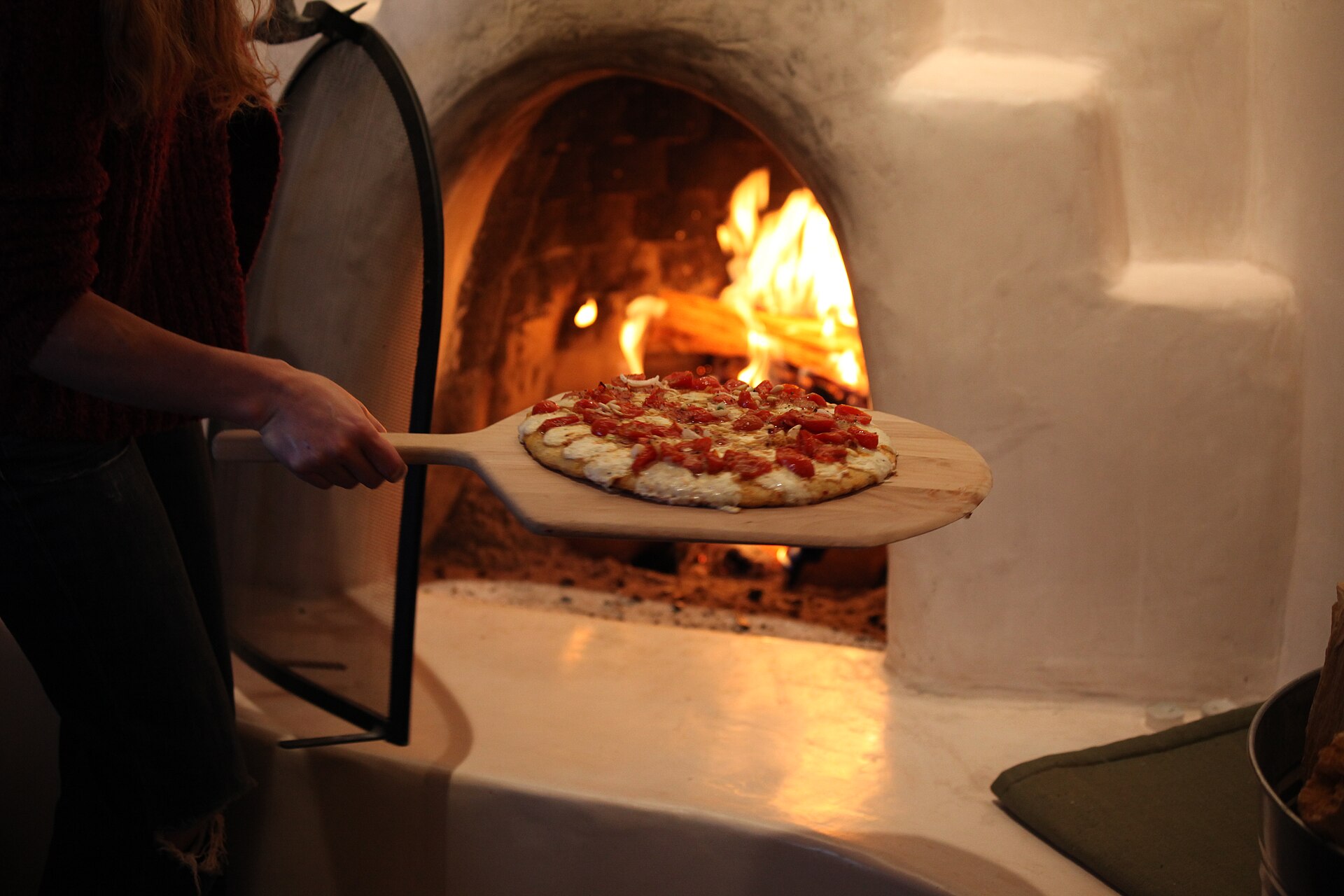
Semolina, not flour, on the peel. Flour burns bitter at these temperatures and turns to glue under a wet dough; a handful of coarse semolina acts like ball bearings and the pizza slides off first time. Nothing else you do matters if the launch fails – a pizza that folds onto a 450°C stone is a cleaning job, not a course.
Drain the mozzarella. The supermarket balls sit in water, and that water becomes a grey lake in the middle of an otherwise decent margherita. Tear it, sit it on kitchen roll for an hour, and use less than feels right. Overloading is the classic first-timer error anyway – these ovens reward thin and sparse, and a pizza carrying five toppings cooks unevenly no matter what you paid.
Let the stone recover. The dial says 480°C two minutes after your first pizza comes out, but the dial reads the air, and the stone that actually cooks the base is still recharging. Give it three or four minutes between launches, use the gap to stretch the next dough, and the sixth pizza comes out as well as the first. Rush it and everything after pizza two arrives pale underneath.
And make more dough than the maths suggests. Fourteen bases for six adults sounds absurd on paper. It never is.
Buy this week or wait for September?
There’s a real case for waiting. Kitchen kit runs the opposite way – stand mixers get more expensive the closer Bake Off gets, so buy that one now and the pizza oven later. Outdoor cooking kit gets cleared from late September as retailers make room for Halloween tat, and pizza ovens have followed the same end-of-season markdown pattern as cool boxes in recent years. If your honest use case starts next spring, wait and save the money.
But if the point is this bank holiday – and the weather forecasts are currently promising the kind of weekend Britain gets about twice a summer – then the discount maths doesn’t help you. A September bargain cooks nothing on 31 August. Buy the Koda 12 if the budget stretches, the Aldi or VonHaus if it doesn’t, and skip the pellet romance unless fire-tending is the hobby you’re actually shopping for. Come autumn, the whole operation moves back indoors anyway, along with the rest of British entertaining.
One last thought for the wood-fired holdouts. If six people on a Somerset patio couldn’t taste the difference, what exactly is the log-fire romance worth to you in pounds – and would you still pay it after running the blind test yourself?