Lymphatic Drainage Drops: 5 Herbs, Thin Evidence – Inside TikTok’s Puffiness Cure of 2026
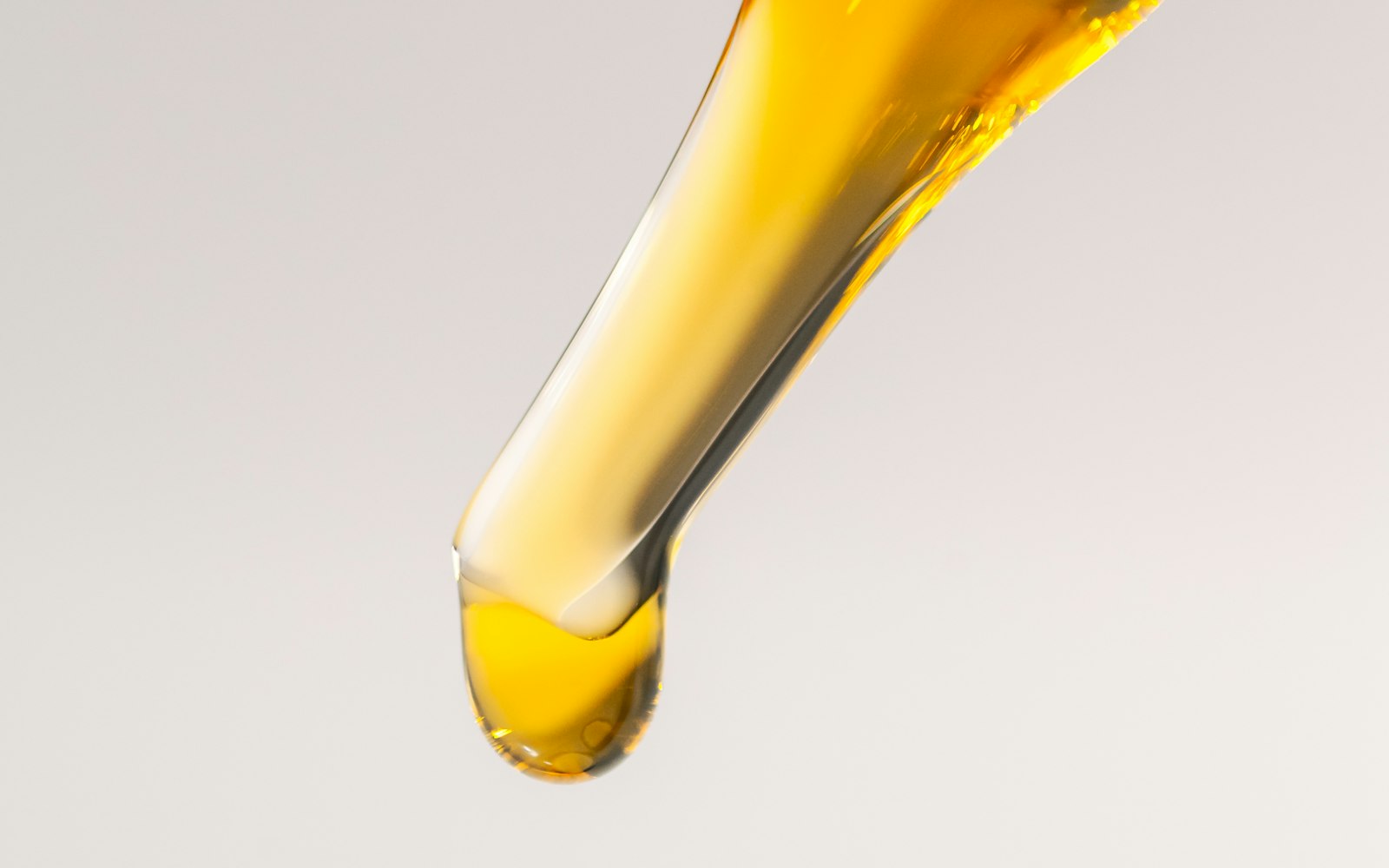
The supplement that outsold protein on TikTok Shop UK this summer wasn’t a protein at all, and it’s still going now the tans have faded. It’s a small glass bottle of herbal tincture called lymphatic drainage drops, squeezed under the tongue morning and night by people who want to “drain” puffiness from their faces, bloat from their stomachs and, depending on which TikTok you land on, toxins from their entire bodies. The videos follow a template: day one, puffy face, sceptical expression. Day fourteen, sharper jawline, evangelical caption.
In This Article
- How a Herbal Tincture Became Summer 2026’s Answer to Puffiness
- Your Lymphatic System Isn’t a Blocked Drain
- The Five Herbs in Lymphatic Drainage Drops, Taken One at a Time
- Cleavers
- Dandelion
- Echinacea
- Red clover
- Burdock
- The Five Herbs Side by Side
- Why People Swear They Work Anyway
- Four Things the Videos Get Wrong
- The Label Trick Hiding in Plain Sight
- The One Group Who Genuinely Needs Lymphatic Help
- Would a 30-Day Self-Test Even Tell You Anything?
- What Actually De-Puffs
- What £25 Buys Instead
- Questions People Actually Search
- Do lymphatic drainage drops work?
- Are there side effects?
- How long do you need to take them?
- Are they the same as lymphatic drainage massage?
- Which is the best brand in the UK?
Here’s the problem. Your lymphatic system isn’t blocked. It doesn’t need draining. And the herbs in these bottles have somewhere between weak and zero evidence of doing anything to it at all.
That hasn’t slowed sales. The best-known brand, MaryRuth’s, sits comfortably in Amazon UK’s supplement charts, TikTok Shop is thick with copycats at £15-25 a bottle, and the hashtag has racked up hundreds of millions of views. So it’s worth doing what the videos never do: going through the bottle one herb at a time and asking what each one has actually been shown to do.
How a Herbal Tincture Became Summer 2026’s Answer to Puffiness
The lymphatic obsession didn’t start with the drops. Gua sha stones, dry brushing, vibration plates, “lymphatic” facials at £90 a session – the idea that sluggish lymph is behind puffy faces and soft jawlines has been circulating on beauty TikTok for years. We covered a cousin of this theory in our piece on the cortisol detox myth, and the pattern is identical: take a real piece of physiology, blame it for a vague cluster of complaints, then sell the fix.
The drops are simply the supplement industry’s entry into that market. Most are glycerin-based tinctures containing four to seven herbs. MaryRuth’s version – the one in most UK videos – blends echinacea, elderberry, blue vervain, yarrow, myrrh and thyme. The copycats lean on a slightly different cast: cleavers, dandelion, burdock, red clover, astragalus, sometimes sea moss for good measure.
What’s changed this summer is the delivery mechanism. TikTok Shop has made the path from video to checkout about four seconds long, and the drops are a perfect fit for it: cheap enough to buy on impulse, vague enough to credit with anything, and photogenic in that amber-glass, apothecary way that reads as “natural” on camera. Sellers bundle them with dry brushes and gua sha stones into “lymphatic reset kits”, which is clever, because at least two items in that kit will produce a visible short-term effect the tincture can then take credit for.
None of this is cheap water, exactly. Herbs cost money to grow and extract. But you’re paying £20-odd for a month of something no regulator has ever agreed does what the caption says.
Your Lymphatic System Isn’t a Blocked Drain
A quick anatomy detour, because the whole trend rests on a misunderstanding.
The lymphatic system is a network of vessels and nodes that collects the fluid that naturally leaks out of your blood vessels into surrounding tissue, filters it, and returns it to the bloodstream. It has no pump. Unlike blood, which the heart pushes around, lymph moves when your muscles contract, when you breathe deeply, when you walk. The NHS makes exactly this point in its guidance on lymphoedema: the system relies on “the massaging effect of surrounding muscles to move the fluid”.
The nodes along the way – the ones that swell in your neck when you have a sore throat – filter the fluid and host immune cells. So the system is real, it matters, and it’s already working. In a healthy person it runs constantly and silently. There’s no backlog to clear, no sludge to flush, and no plausible mechanism by which a swallowed herb would speed the process up. A morning-puffy face is mostly fluid redistribution from lying flat for eight hours, plus salt, alcohol and sleep quality. It resolves on its own within an hour or two of being upright – which, not coincidentally, is exactly the window in which people take their drops and film their results.
The Five Herbs in Lymphatic Drainage Drops, Taken One at a Time
Look across the UK-available bottles and the same names keep appearing. Some formulas pad things out with astragalus or sea moss, but five herbs do the heavy lifting in the marketing. Here’s the honest evidence position on each.
Cleavers
The sticky hedgerow weed that attaches itself to your jumper on country walks. Herbalists have used it as a “lymphatic tonic” since at least the medieval period, and it’s the ingredient most often cited in marketing copy. Human trials testing cleavers for lymphatic function: none that I can find. The entire case is traditional use. That’s not nothing – traditional use is how we found aspirin – but after several centuries you’d hope someone would have run a study.
Dandelion
The most defensible inclusion, and even then only barely. Dandelion has a folk reputation as a diuretic (the old French name, pissenlit, translates exactly as you’d guess), and one small 2009 pilot study in 17 people found increased urination frequency after dandelion extract. Seventeen people, no placebo-controlled follow-up in the sixteen years since. If dandelion does anything in these drops, it’s making you wee slightly more – which will reduce water retention the same way skipping a bag of crisps would.
Echinacea
The headline herb in MaryRuth’s blend, and a familiar face from the cold-and-flu aisle. It’s been studied properly, which is more than the others can say – but for colds, not lymph. A large Cochrane review found no consistent benefit even there. For lymphatic drainage there’s no direct evidence at all; it’s in the bottle because “immune support” and “lymph” live in the same mental neighbourhood.
Red clover
Genuinely interesting herb, wrong bottle. Red clover contains isoflavones that have been tested in dozens of trials for menopausal hot flushes, with modest and mixed results. Lymphatic effects: untested. Its presence here seems to rest on a 19th-century reputation as a “blood purifier”, which isn’t a concept modern physiology recognises.
Burdock
Beloved of herbalists and the soft drinks industry of the north of England. Traditional diuretic and “detoxifier”, near-total absence of human evidence. The dandelion-and-burdock bottle from your childhood corner shop has roughly the same clinical backing, and it’s 90p.
The Five Herbs Side by Side
Marketing copy is written to blur the five together into one warm, hedgerow-flavoured promise. Pulling them apart is more useful, because the honest position on each is different, and none of them lands where the caption says.
| Herb | What the sellers claim | Best human evidence | Where you already get it |
|---|---|---|---|
| Cleavers | “Lymphatic tonic”, moves stagnant lymph | No human trials found; traditional use only | Your dog’s coat after a walk |
| Dandelion | Flushes water retention | One 17-person pilot study (2009) on urination; no placebo follow-up | A 90p can of dandelion and burdock |
| Echinacea | “Immune and lymph support” | Well studied for colds (Cochrane: no consistent benefit); nothing on lymph | Any pharmacy cold-and-flu shelf |
| Red clover | “Blood purifier”, clears the system | Dozens of trials, all on menopausal flushes; lymph untested | The verge outside your house |
| Burdock | Detoxifies, drains, cleanses | Near-total absence of human data | See dandelion, same can |
Two things jump out. The only herb with a real evidence base (echinacea) has it for a completely different complaint. And the only one with any diuretic data at all (dandelion) rests on a study smaller than a Year 9 form group.
Why People Swear They Work Anyway
Start with the videos themselves. A “day one” clip is filmed straight out of bed, flat light, neutral face. The “day fourteen” clip has daylight, a slight smile, often a head tilt and a touch of make-up. Photograph anyone under those two conditions a fortnight apart and the second version wins, tincture or no tincture. Before-and-after content rewards the transformation, so the framing quietly does half the transforming. It’s the same grammar the at-home teeth whitening boom runs on: lighting does half the work and the small print does the rest.
Watch enough of them and you’ll also notice the confounders stacking up. People start the drops as part of a reset: less alcohol, less salt, more water, earlier nights, usually some face massage on the side. Any one of those would de-puff a face in a fortnight. The drops get the credit because they’re the thing that was purchased.
There’s also a subtler effect. A twice-daily ritual makes you pay attention, and paying attention changes behaviour. We saw the same dynamic with greens powders and bovine colostrum: the supplement is often a subscription to noticing yourself.
And some of the adjacent trend does work, briefly. I’ll break with the full-sceptic position on one point: manual de-puffing is real. Gua sha, a cold spoon, ten minutes of firm upward face massage – these physically move interstitial fluid and will visibly sharpen a morning face for a few hours. The effect is mechanical, temporary and free. The mistake isn’t believing your face can de-puff; it’s believing a swallowed tincture is what did it.
Four Things the Videos Get Wrong
“Sluggish lymph” is a diagnosis. It isn’t. There’s no test for it, no reading a GP could take, no threshold below which you’re “sluggish”. It’s a marketing adjective wearing a lab coat. Real lymphatic problems have a name (lymphoedema), a cause, and a clinic. The same trick powers the cortisol trend, which we took apart in our piece on so-called cortisol face: take a real hormone or system, declare it broken, sell the fix.
Under the tongue means it “bypasses digestion”. Sublingual delivery is real for a handful of small, fat-soluble drug molecules. A glycerin tincture of plant material held under the tongue for thirty seconds is, for practical purposes, swallowed. You’re drinking sweet herb water with extra steps.
The drops are why the bloat went. Nearly every fortnight-long “test” on the app quietly coincides with the start of a new routine, and the routine is what moves the needle. The drops are the receipt, not the reason.
“Natural” means harmless at any dose. Mostly true for a healthy adult, but echinacea interacts with immunosuppressants, red clover isoflavones are a question mark for anyone on hormone-sensitive treatment, and diuretic herbs plus a hot day plus a run is how you end up light-headed. And there’s a quality issue the caption never mentions: when an accredited lab tested six popular creatine gummies bought off Amazon, four of them contained almost no creatine at all. Nobody has run that test on TikTok Shop tinctures, which tells you how little anyone checks.
The Label Trick Hiding in Plain Sight
Here’s the detail that should end most arguments: in the UK, these products are sold as food supplements, not medicines. That single classification means they can’t legally claim to treat, prevent or drain anything. The words on the front – “lymphatic support”, “flow”, “cleanse” – are chosen precisely because they sound clinical while promising nothing a trading standards officer could pin down.
Britain does have a route for herbal products with real standing: the MHRA’s Traditional Herbal Registration scheme, which certifies quality and manufacturing standards for herbal medicines with at least 30 years of documented traditional use. Even a THR, mind, certifies tradition rather than proof of effectiveness. The lymphatic drops on TikTok Shop don’t tend to hold one. They’ve taken the cheaper food-supplement route, where quality control is lighter and claims must stay vague.
If a product genuinely moved fluid around your body on the scale implied, it would be a drug, it would be regulated as one, and your GP would have opinions about you taking it unsupervised.
The One Group Who Genuinely Needs Lymphatic Help
Lymphatic drainage is a real clinical field – just not for healthy 25-year-olds with morning face. Around 200,000 people in the UK live with lymphoedema, chronic swelling caused by a damaged or overloaded lymphatic system, often after cancer treatment. For them the NHS prescribes decongestive lymphatic therapy: compression garments, skin care, exercise plans and manual lymphatic drainage performed by trained specialists, sometimes daily for weeks.
Notice what’s not on that list. No tinctures. No herbs. The people who treat actual lymphatic failure for a living, with decades of clinical experience behind them, use muscles, compression and trained hands – because that’s how lymph physically moves. Macmillan Cancer Support and specialist NHS clinics like the Royal Marsden publish detailed guidance on these techniques, and none of it mentions a herb.
One practical flag while we’re here: swelling that’s persistent, one-sided or doesn’t settle overnight isn’t a wellness problem, it’s a GP appointment. Don’t spend six weeks tincturing something that needs examining.
Would a 30-Day Self-Test Even Tell You Anything?
A fair question at this point: why not just try them? They’re £20, they’re herbs, what’s the harm?
Mostly there isn’t any, for a healthy adult – though echinacea can interact with immunosuppressants, and anyone pregnant or on regular medication should run any tincture past a pharmacist rather than a comment section. The real cost of the 30-day test is that it can’t tell you what you want to know. Puffiness swings daily with salt, sleep, alcohol, hormones, weather and how late you ate. Against that much noise, a subtle herbal effect – if one existed – would be invisible without a control. You’d need the same fortnight twice, one with drops and one without, and you can’t live the same fortnight twice. That’s why single-person before-and-afters are the weakest form of evidence there is, and why they’re also the entire evidence base of this trend.
What Actually De-Puffs
The boring list, cheaper than any bottle. Cut back salt in the evening, since a salty late dinner is the single most reliable morning-puff generator. Ease off alcohol, which dilates facial capillaries and disrupts the sleep that would otherwise sort the fluid out. Sleep with your head slightly raised. Move – a brisk 20-minute walk does more for lymph flow than any herb, because muscle contraction is literally the drainage mechanism. For bloat itself, fibre and regularity beat everything on TikTok Shop; our fibre supplements piece found a 40p tin of beans outperforming most of the powders. And fix the sleep before you fix the lymph – a run of short nights will put more fluid in your face than any herb can take out, a theme that came up in our look at magnesium for sleep too.
And if you love the ritual, keep the gua sha stone. It’s a one-off £8 purchase, the effect is real if short-lived, and nobody has to swallow anything.
The drops themselves? Save your £25. This one joins the long list of products selling you back your own circulation.
What £25 Buys Instead
A month of drops costs roughly what a mid-range bottle does on Amazon UK or TikTok Shop, give or take a few pounds for the copycats. For the same money you could have a gua sha stone (about £8, effect real but temporary), a tub of decent fibre supplement with actual trial data behind it, or two thirds of the £39 that gets you a sauna session at most council leisure centres. Sauna is the interesting one: the Finnish cohort data behind Britain’s 2026 sauna boom is the kind of long-term evidence the herb sellers can only dream of, and a hot room does more for circulation in twenty minutes than a dropper does in a month.
Or spend nothing. Salt, sleep and a walk are the three levers with the largest effect on morning puffiness, and none of them has a checkout page.
Questions People Actually Search
Do lymphatic drainage drops work?
Not in the sense the videos mean. There’s no human trial showing any of the common herbs changes lymphatic flow, and the physiology doesn’t offer a route for a swallowed tincture to do it. If you feel less puffy after a fortnight, look at what else changed.
Are there side effects?
For most healthy adults, little beyond an odd taste and a lighter wallet. Echinacea can interact with immunosuppressants; diuretic herbs can compound dehydration; anyone pregnant, breastfeeding or on regular medication should ask a pharmacist first. Persistent swelling, one-sided swelling, or swelling that doesn’t go down overnight needs a GP, not a herb.
How long do you need to take them?
Sellers say two to four weeks, which is conveniently long enough for a new sleep routine, less booze and a bit of face massage to show results. There is no evidence-based dosing schedule because there is no evidence.
Are they the same as lymphatic drainage massage?
No. Manual lymphatic drainage is a trained, hands-on technique used in NHS lymphoedema clinics and it works because muscles and pressure physically move fluid. The drops borrow the name and none of the mechanism.
Which is the best brand in the UK?
The wrong question, but since people ask: MaryRuth’s is the one most UK videos use and has the most consistent labelling. The TikTok Shop copycats undercut it on price with less transparency about what’s inside. Neither has evidence, so “best” here means “least likely to be mislabelled”, and even that is a guess.
Have you tried lymphatic drainage drops – and if you saw a difference, what else changed that fortnight? Tell us in the comments, because the answer is usually hiding in that second question.