
Limewash Paint in 2026: Why British Walls Went Cloudy – And Why Half of What You’re Seeing Isn’t Limewash
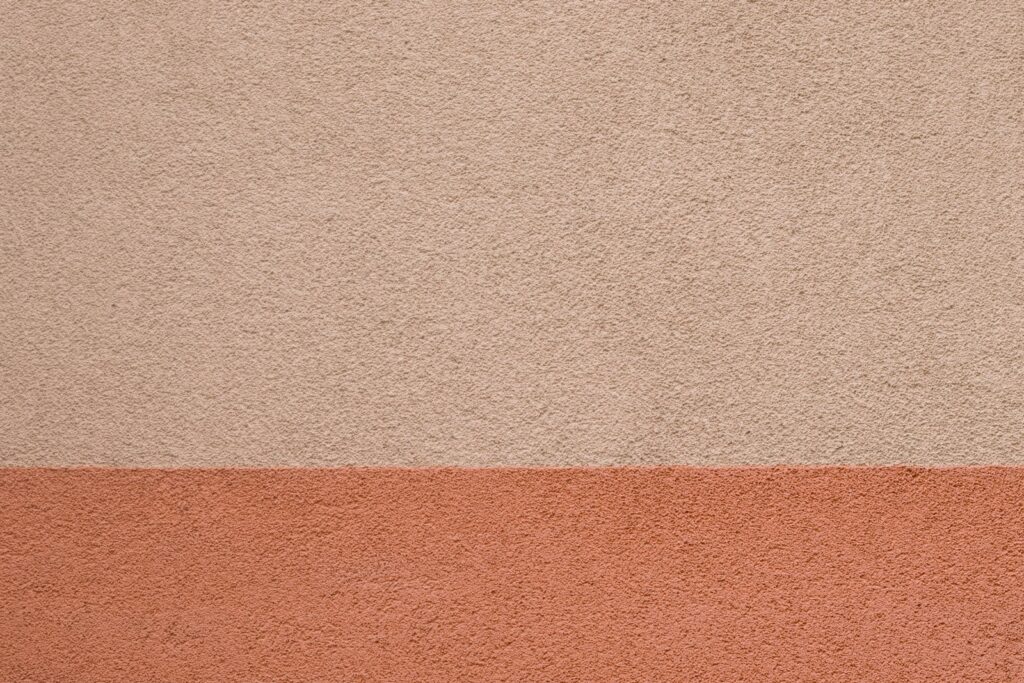
The most recognisable wall in Britain right now has no colour worth naming. It’s the texture doing the work: cloudy, chalky, faintly mottled, as if the paint went on eighty years ago and has been fading gracefully ever since. Limewash paint is having the kind of year the feature wall had in 2005 – it’s in rental listings, it’s behind every second pottery vase on Instagram, and since about last autumn it’s been creeping out of London terraces and into new-build semis in Stockport.
In This Article
- How a 2,000-year-old paint became a 2026 flex
- What limewash paint actually is – and what it isn’t
- The fake limewash boom
- Will your wall even take it?
- What it costs, from £6 to £600
- The brands worth buying it from
- Where it works, where it fails
- The colours that survive British light
- The touch-up problem nobody mentions
It’s part of the same rethink that has kitchen islands losing their grip on British floor plans: the expensive default, finally getting questioned.
And here’s the awkward bit. A decent chunk of the limewash you’ve been admiring online isn’t limewash at all. It’s ordinary emulsion, watered down and dragged across the wall in crossing strokes by someone who watched a 40-second tutorial. You could call that a scandal. I’d call it the smarter buy for most British houses – and I’ll make that case properly further down.
First, though: what actually is the real thing? The difference isn’t marketing. It’s chemistry.
How a 2,000-year-old paint became a 2026 flex
Limewash is about as old as walls. Crushed limestone gets burned, slaked in water and aged into a putty, which is then thinned and tinted with natural pigments. Farmhouses, churches and half the cottages in Dorset wore it for centuries because it was cheap, mildly antibacterial and let damp masonry breathe. Then plastic paints arrived after the war, dried faster, wiped clean, and limewash retreated to the heritage sector for fifty years.
Its comeback isn’t really about heritage. It’s a reaction. British interiors spent a decade chasing flat, uniform perfection – the wipeable grey box – and texture is the correction. The same appetite that brought back colour drenching and pushed chocolate brown into every second living room has now moved past colour altogether. The fashionable wall of 2026 doesn’t announce a shade. It has depth, movement, shadow. Terracotta, clay, bone, mushroom – colours that look sun-baked rather than chosen from a chart. The same revival is happening underfoot, where checkerboard floors pull the identical trick of making a new room look inherited. Even Dulux has caught the mood: its Colour of the Year for 2027 is a soft, greyed-off sage that a good chunk of Britain had already painted.
There’s also a harder-nosed reason estate agents have started mentioning it: a limewashed wall photographs like nothing else. Flat emulsion goes dead under a phone camera. Limewash catches light unevenly, which reads as expensive even at 1080 pixels wide.

What limewash paint actually is – and what it isn’t
Real limewash is a mineral coating, not a film. It soaks into a porous surface and carbonates as it dries – it effectively turns back into a thin layer of limestone bonded to your wall. That’s where the depth comes from: light is bouncing off crystals, not off a sheet of acrylic. It’s also why the finish is genuinely matt, why it feels chalky under your hand, and why the colour shifts as it dries, sometimes dramatically. Homebuilding & Renovating’s guide is good on the chemistry if you want the full detail.
What it isn’t: anything sold as “limewash-effect”, “lime-look” or “mineral-style”. Those are conventional paints engineered to dry with a bit of mottle. Some are decent products. None of them are limewash, in the same way oak-effect laminate is not oak.
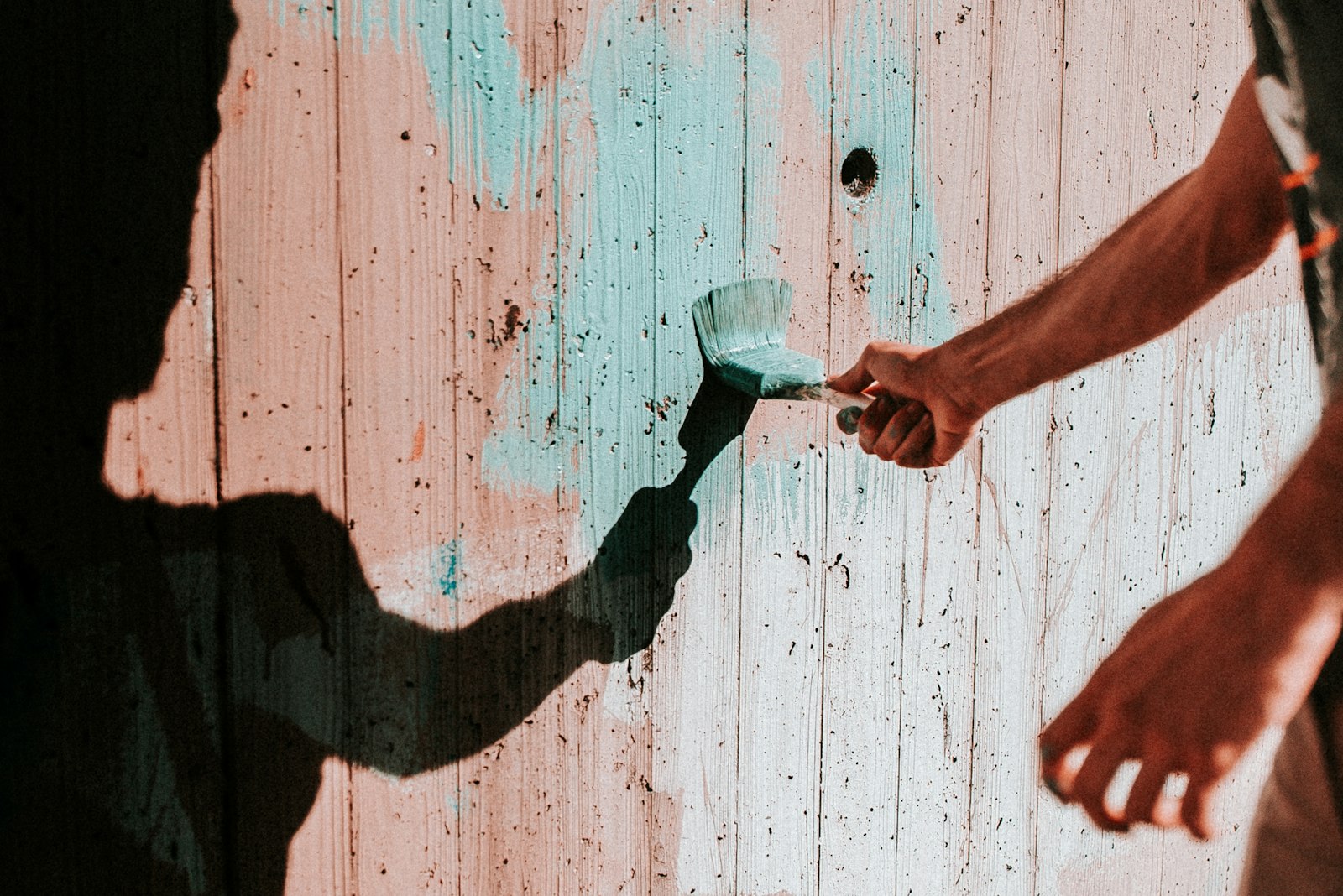
The real stuff has real conditions attached. It wants a porous wall – bare plaster, brick, stone, or a specialist mineral primer. It goes on with a big block brush in loose crossing strokes, usually two coats, sometimes four. And it won’t tolerate being scrubbed.
The fake limewash boom
Search “limewash hack” and you’ll find thousands of videos of people cutting cheap emulsion with water, or dry-brushing two tones of ordinary paint to fake the cloud. Livingetc covered one viral version that comes in under 20 dollars, which tells you how far this has travelled from the £50-a-litre designer tins.
The purists are furious. I’m not.
Here’s the contrarian position, stated plainly: for most modern British homes, the fake is the better product. If your walls are plasterboard coated in vinyl emulsion – which is nearly every house built or renovated since the 1980s – real limewash can’t do the thing it’s actually good at, because it can’t soak in. You’d be paying for breathability your wall can’t use, fragility you don’t want, and a priming stage that doubles the cost. A tinted emulsion applied with a bit of technique gets you 80% of the look, wipes clean when a child drags a scooter down the hallway, and touches up like any normal paint. The suede-effect disasters of the late 90s taught Britain to fear textured finishes; the difference this time is that the imitation is the sensible option rather than the embarrassing one.
Where the real thing earns its price is older housing stock. Solid walls, lime plaster, any house with a damp problem that vinyl paint has been quietly making worse – there, limewash isn’t a look, it’s the correct building material.
Will your wall even take it?
Before you spend anything, do the test decorators use: flick a few drops of water at the wall. If they soak in and darken the surface, you’ve got a porous wall and real limewash is on the table. If the water beads and runs, you’re looking at sealed emulsion, and you’ll need a mineral primer first – or you skip to the imitation route with a clear conscience.
Prep matters more than technique. Fill and sand as you would for any paint, then accept that limewash is messier than emulsion – it’s thin, it drips, and it flicks off the brush in a way roller paint doesn’t. Sheet the floor properly rather than optimistically, tape more than you think you need to, and wear something disposable. The crossing strokes themselves take about ten minutes to get the feel of; the internet makes a mystique of the technique, but if you can wash a window you can limewash a wall.
Renters, this trend is mostly not for you, at least not the real version. Limewash bonds into the wall; getting a landlord’s magnolia back at the end of a tenancy means priming and repainting the lot, and your deposit is the stake. The emulsion hack in a returnable colour is the sane compromise.
One more honest warning. Application isn’t hard, but it’s committal. The wet colour lies to you – it can look twice as strong going on, then dry pale and patchy-looking before the second coat evens it out. Every first-timer has a moment of horror around hour three. Push through it, and don’t judge anything until it’s fully dry, which in an August heatwave is quick but in a cold February front room can take a day per coat.
What it costs, from £6 to £600
The budget version: a couple of emulsion tester pots and a cheap block brush from B&Q, and you’re faking a cloud wall for under £10. Call it £6 if you already own a brush. It’s a weekend job, it’s forgiving, and if you hate it you paint over it on Sunday night.
The real thing, self-applied, is a different bracket. The fashionable brands – Bauwerk is the name you’ll see most, with its enormous shade range – sit somewhere around £30 to £50 a litre, and Livingetc’s buying guide puts coverage at roughly six square metres per litre for two coats. A typical bedroom wall might swallow a litre and a half once you’ve done the maths; a whole room, several litres, plus a proper block brush (£25-ish, and don’t skip it – a roller kills the finish) and possibly mineral primer on top. You’re realistically at £150 to £250 for a room done properly with the branded stuff.
Trade lime suppliers will sell you the same chemistry for a fraction of that, incidentally – bagged lime putty is not expensive. What you’re paying the design brands for is pigment consistency and not having to mix it yourself. Depending on your appetite for mess, that’s either £100 well spent or the best saving in decorating.
A professional doing prep, priming and three coats will charge broadly what decorators charge – £400 to £600 for a medium room in most of the country, more in London, and worth it on stairwells and double-height spaces where the crossing strokes need to stay consistent over a big drop.

The brands worth buying it from
The UK market has grown enough that you no longer have to import from Italy or wait six weeks for a small Devon supplier to mix a batch. Bauwerk Colour, Australian originally but widely stocked here now, is the name British designers reach for first – high pigment density, and a colour card that does the soft, dusty end of the spectrum better than anyone. The Organic and Natural Paint Co mixes traditional UK limewash to order in heritage shades, and Edward Bulmer’s lime-based range, blended in Herefordshire, has the sort of English palette a mass-market tin can’t manage.
On tighter budgets, Cornish Lime and Lime Stuff sell trade-quality limewash by the bucket at prices much closer to ordinary paint – that’s where the £6-a-litre end of this market lives. Farrow & Ball’s Limewash range exists too, though purists will tell you it sits somewhere between real limewash and a textured emulsion, and on the chemistry covered above, the purists have a point. Homes & Gardens has tracked the widening range if you want more names.
Whoever you buy from, two application habits make the difference. Mist the wall lightly with water before each coat, because limewash bonds better with a slightly damp surface. And brush in overlapping cross-strokes rather than tidy parallel lines – the mottling is the point, and applying it like emulsion gets you something flat and faintly disappointing. Cover the floors properly while you’re at it; drips wipe up wet but cure into whatever they land on.
Where it works, where it fails
Bedrooms first. Low traffic, soft lamplight, and a finish that’s at its best when light rakes across it at a shallow angle – this is the room limewash was reborn for. It’s no coincidence the look took off in the same houses that switched off the big light; under a single overhead bulb the mottling can flatten out, while lamps and candles make it shift all evening.
Sitting rooms and dining rooms, yes, with the traffic caveat. Home offices, surprisingly good – the texture reads beautifully on camera in video calls.
Kitchens are where I’d stop. Real limewash and cooking splatter are enemies: you can’t scrub it, and a greasy handprint by the toaster is there until you repaint. Bathrooms are more interesting than you’d think – lime handles moisture well and historically lived in damp rooms – but in a two-metre British bathroom where every wall doubles as a splash zone, choose the imitation or a proper sealed mineral paint instead. Hallways with children or dogs: fake it or skip it entirely.
The colours that survive British light
Most of the limewash imagery feeding this trend was shot in Mallorca, Marrakech or a Los Angeles loft with sun pouring through a window the size of a garage door. Britain doesn’t have that light for ten months of the year, and it changes which colours work.
Terracotta and the deeper clay shades – the poster colours of the trend – can turn oddly muddy in a north-facing room under a low grey sky. What looked sun-baked in the photo looks like builder’s plaster that never got painted. If you’re set on the warm end, sample it on two walls at once, one that gets afternoon sun and one that doesn’t, and live with it for a week before ordering litres of anything. The safer bets in most British rooms are the middle-ground neutrals: bone, putty, mushroom, a pinkish off-white. They keep the cloudy movement without gambling on sunshine the sky won’t provide.
Dark limewash deserves a mention because almost nobody does it and it’s spectacular. A deep green or near-black limewash in a small snug or downstairs loo has more depth than any flat dark emulsion, and because those rooms are lamp-lit anyway, British light stops being the enemy. It marks just as readily, mind. Choose the room accordingly.
Whatever the shade, buy from one batch. And remember the drying shift: limewash can dry noticeably lighter than it looks wet, so trust the chart and the dried sample, never the open tin.
The touch-up problem nobody mentions
This is the bit the pretty photos leave out, so it’s going in writing. You can’t spot-repair limewash. Dab fresh paint over a scuff and you get a bright cloudy patch that draws the eye from across the room, because the surrounding wall has aged and carbonated and the new bit hasn’t. The only clean fix for a marked wall is a full fresh coat, corner to corner.
Some people genuinely love this – the marks soften into the finish over time, and a limewashed hallway at year five has a patina you can’t buy. But you need to know which sort of person you are before you commit, not after the first bike handlebar hits the wall. If the phrase “it adds character” makes you twitch, buy the wipeable fake and sleep well.
Limewash also flatters old timber in a way modern emulsion doesn’t, which is half the reason brown furniture is quietly cheap right now. Keep a note of your exact colour and batch, either way. Limewash shades vary between mixes, and the wall you repaint in 2028 needs to match the tin you bought in 2026.
The bigger question is what this trend says about where British walls go next. We’ve done flat grey, we’ve done colour drenching, and now we’re paying for surfaces that look older than we are. Texture is only getting started – plaster finishes, clay paints and raw lime are all queuing up behind it. So before you repaint this autumn: is your wall’s problem really its colour, or is it that it has no surface worth looking at?