Full Body Health Scan 2026: The £299 Hour 100,000 Britons Queued For – And Who Actually Needs One
Of the first 2,707 people Neko Health scanned in Stockholm, 78.5% left with a finding of some kind. Around 14% were referred on for further investigation. Roughly 1% had something the company classes as significant. Those are Neko’s own published numbers, and they’re the most useful thing written about the full body health scan boom so far, because they tell you precisely what you’re paying for: a very high chance of being told something about your body, and a very low chance of that something mattering.
In This Article
- What a full body health scan actually measures at £299
- The four-figure end of the market, where the machine really does look inside
- Why the Royal College of Radiologists would rather you didn’t book one
- The cascade nobody puts on the price list
- Four situations where the scan earns its money
- The free check roughly half of Britain turns down
- What I’d do with the £299
- If you’re booking one anyway, ask these first
More than 100,000 people put their names down for the London clinic.
The scan costs £299 and takes about an hour. You lie in a booth, sensors photograph almost your entire skin surface, a machine takes cardiovascular readings, blood goes off to a lab, and then – this is the bit that genuinely impresses people – a doctor sits down with you and goes through everything before you’ve left the building. Try getting that from a GP surgery in August. You can’t, and that gap is doing an enormous amount of the selling here.
Neko now runs two London centres and has pushed past 15,000 scans in the city. A second-generation scan room went into testing this year, built to capture more signals across more of the body. The company is not, whatever the internet thinks, a fringe operation – it raised $260m at the start of 2025 and its co-founder is the man who built Spotify. This is a serious business betting that Britons will pay for prevention, and the waiting list suggests the bet was correct.
Whether the prevention works is a separate question, and a much harder one.
What a full body health scan actually measures at £299
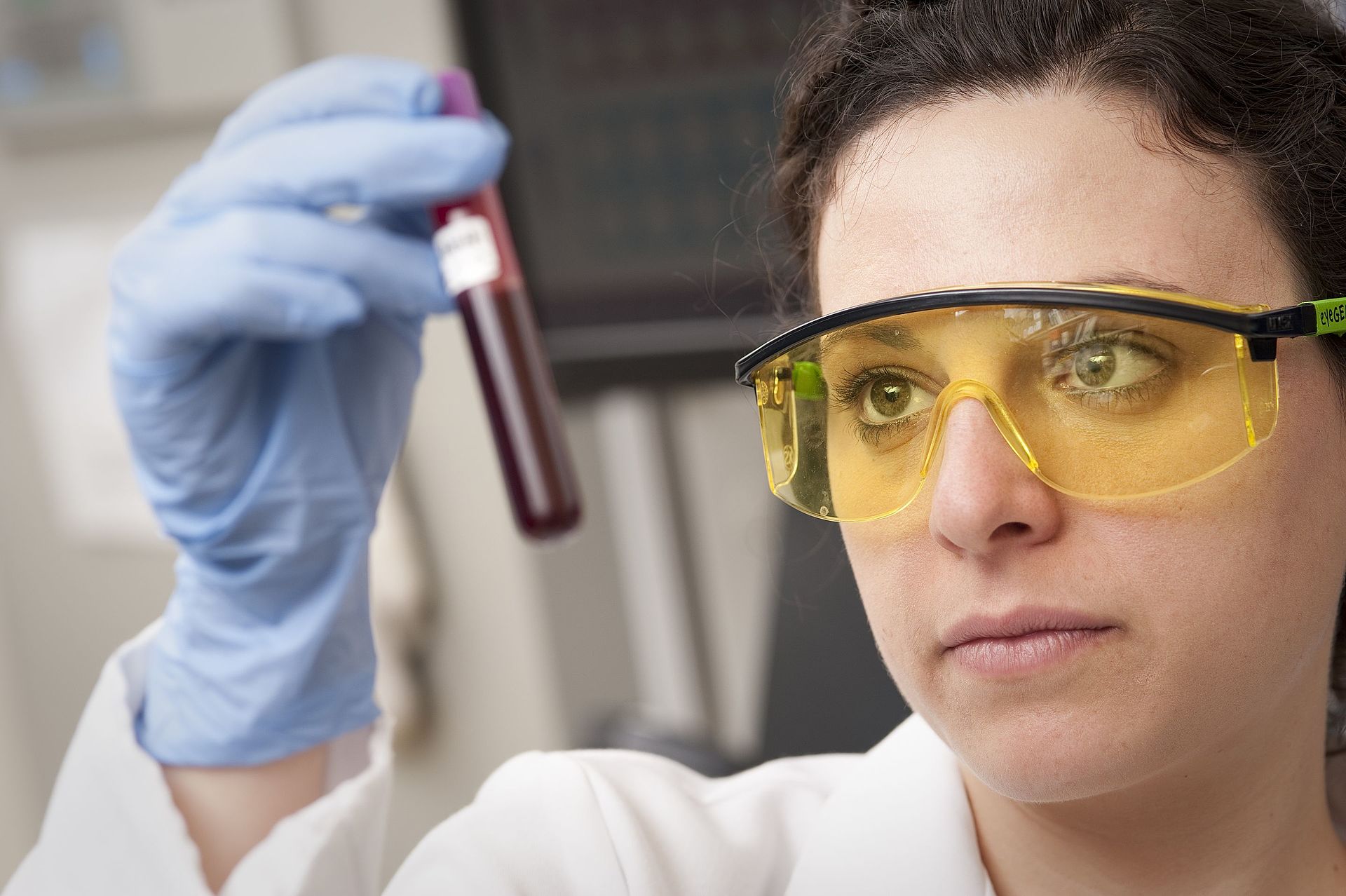
First, the correction almost everybody needs: Neko’s scan isn’t an MRI. It doesn’t look inside you. It photographs skin, measures the cardiovascular system from the outside, and runs bloods. That’s a different product from the whole-body MRI clinics, and conflating the two is the single most common mistake I see people make when they talk about this.
What it does well is the boring stuff, done properly and in one sitting. Blood pressure taken at multiple points rather than once on a rushed appointment. A lipid panel. Glucose markers. A trained eye across every mole on your back, which is the part of your body you’ll never inspect properly yourself and the part where a spot of vigilance genuinely pays off – the melanoma numbers in Britain are not going the right way.
And the same-hour doctor conversation is worth more than people credit. Not because the doctor has magic information, but because someone who isn’t in a hurry explains what your numbers mean, and most Britons have never had that conversation once in their adult lives.
The four-figure end of the market, where the machine really does look inside
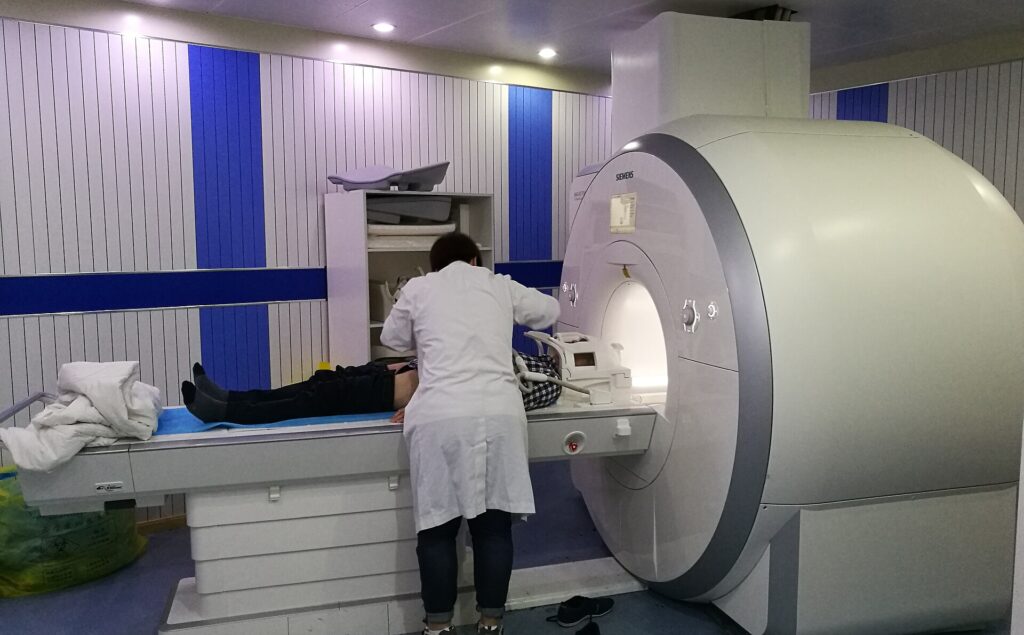
Whole-body MRI is the other half of this industry, and the pricing is a different sport. UK private clinics quote roughly £1,500 to £4,000 depending on the protocol and the postcode. Prenuvo, the best-known American operator, sits around $2,499 for its standard scan. An hour in the tube, no radiation, and a radiologist’s report covering most of your torso and head.
That sounds strictly better than the sensor version. It isn’t, and the reason is the thing the marketing never leads with.
Why the Royal College of Radiologists would rather you didn’t book one
The RCR’s position is about as blunt as a professional body gets. It doesn’t recommend elective MRI for people without symptoms, and it points out that pushing more of these scans through the system adds pressure to a service already sitting on a diagnostic backlog. If something doesn’t feel right, see a doctor and get referred. That’s the whole advice.
The Doctors’ Association UK has been noisier about it. Co-chair Dr Matt Kneale summed the objection up neatly: these services are sold as reassurance or early detection, but for most people without symptoms there’s no good evidence that whole-body MRI or CT screening improves outcomes. Not weak evidence. No good evidence either way, because the trials that would settle it – randomise thousands of healthy adults, scan half of them, follow everyone for a decade, count the deaths – largely haven’t been done.
So the honest position is that nobody knows whether scanning healthy people saves lives. What we do know is what it produces in the meantime.
The cascade nobody puts on the price list
Estimates suggest somewhere between 30% and 40% of full-body MRI screens throw up at least one incidental finding that needs following up. A small cyst on a kidney. A nodule on the thyroid. A shadow on an adrenal gland. The overwhelming majority turn out to be nothing at all, which is exactly the problem, because you don’t find that out on the day. You find it out after another scan, possibly a biopsy, a specialist appointment, and several months of your brain going somewhere unhelpful at three in the morning.
Medscape has been tracking what clinicians now call the cascade, and the pattern is consistent: one ambiguous image generates a chain of tests, each with its own small risk and its own cost. The costs mostly land on the NHS, because private clinics hand you a report and the follow-up goes to your GP. You paid £2,200 for the scan. The country pays for what the scan started.
This isn’t a reason to ban the things. It’s a reason to stop describing them as harmless.
There’s a second cost that never appears in any brochure, and it’s the one I’d think about hardest before booking. Insurance and mortgage protection applications ask what investigations you’ve had. A benign finding you’ve been told to ignore is still a finding you have to declare, and the underwriter doesn’t share your radiologist’s calm. People have found themselves loaded or excluded on the back of a nodule that will never do anything to them. Ask the clinic how it handles disclosure before you hand over a card, and if the answer is vague, that tells you something.
Four situations where the scan earns its money
I’m not against these clinics. I’m against the idea that everyone should use one. There’s a short list of people for whom the maths genuinely changes.
People with a diagnosed cancer predisposition syndrome – Li-Fraumeni is the textbook example – are the clearest case, because whole-body MRI surveillance is an established part of their care rather than a consumer purchase. That route goes through clinical genetics, not a booking page.
If weight is the worry behind the scan, our intermittent fasting for weight loss piece looks at what the evidence says works.
Then there’s the person with a strong family history of a cancer that has no NHS screening programme behind it. Pancreatic is the one that comes up in every conversation I’ve had about this. The evidence is still thin, but the anxiety is real and the alternative is nothing at all.
Third, the middle-aged man who has not seen a doctor since 2014 and won’t, on principle, until something falls off. For him the £299 sensor scan is a Trojan horse. It gets his blood pressure measured. That’s a low bar, and it’s the bar he’s been failing for a decade.
Fourth, and here I’d defend the cheaper end properly, anyone about to make a real change who wants a baseline. Numbers move behaviour in a way that advice doesn’t. If seeing your lipid panel is what gets you walking four times a week, that’s £299 well spent, even if the mechanism is psychology rather than medicine.
Everyone else, and I mean the healthy thirty-somethings booking these as a birthday treat, is buying a feeling.
The free check roughly half of Britain turns down
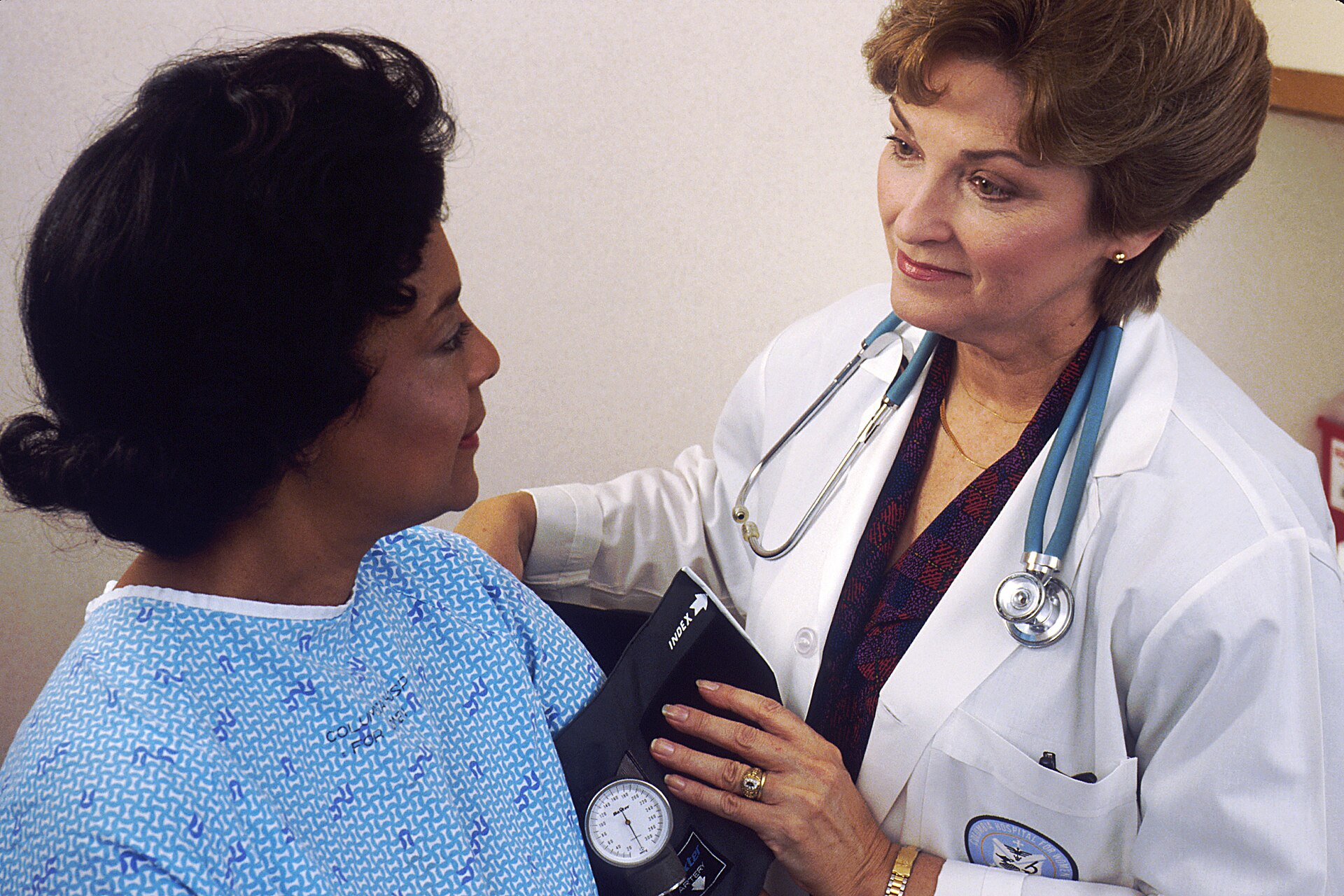
Here’s the bit that ought to embarrass the whole market. If you’re aged 40 to 74 in England and haven’t already been diagnosed with heart disease, diabetes, kidney disease or stroke, the NHS owes you a free Health Check every five years. Blood pressure, cholesterol, BMI, diabetes risk, a conversation. The government publishes quarterly figures on offers and uptake, and across the 2012-2017 cycle only about 53% of people offered one bothered to attend. Uptake varied wildly by council area – from around 25% in the worst-performing places to nearly 85% in the best. The same applies to the free flu jab, and we’ve set out who actually qualifies for a flu jab in 2026.
So roughly half of eligible adults declined a free version of the cardiovascular assessment that forms the actually-useful core of a £299 private scan. And a chunk of those same people are now on a waiting list.
To be fair to the sceptics, the NHS Health Check has its own evidence problem – large reviews of general health checks have struggled to show they reduce deaths, which is a finding that should make everyone in this argument a bit humbler. But it costs you nothing, it targets the risks that actually kill British adults in middle age, and it doesn’t generate a thyroid nodule for you to worry about.
What I’d do with the £299
An Omron upper-arm blood pressure monitor is about £35 and will give you a fortnight of readings at home, which is more informative than any single measurement taken in a clinic while you’re mildly nervous about the bill. A private lipid and HbA1c panel from one of the postal labs runs £40 to £70. That’s the diagnostic value of the sensor scan, minus the doctor, for under a hundred quid.
Spend the remaining £200 on something that changes the numbers rather than reports them. Shoes. Six months of a gym you’ll actually attend. A bike that isn’t rusting in the shed.
The counter-argument, and it’s a decent one: none of that comes with somebody sitting opposite you explaining what it means. The strongest case for these clinics has almost nothing to do with imaging technology. It’s that they’re one of the few corners of British healthcare where you can get an unhurried appointment with a doctor at a time of your choosing. That’s a damning thing to be able to say about 2026, and it’s why the waiting list is 100,000 people long.
Full body health scans are the expensive end of a habit that’s been building for years: healthy people buying medical-grade monitoring and then trying to work out what to do with the output. We’ve watched it with continuous glucose monitors strapped to arms that don’t need them, with sleep rings that give people insomnia about their sleep scores, and with an entire supplement industry built on trials too small to conclude anything.
The wellness market has learnt that data feels like control. It usually isn’t – the same instinct is what sells the herbal drops, just with better hardware and a nicer waiting room. A number without context is noise, and context is the expensive, human, scarce part that no scanner provides.
What the scan can’t tell you is whether you’re eating enough of the right things, moving enough, sleeping enough, drinking too much. You already know those answers. The £299 buys you a very sophisticated way of not thinking about them – and if you’ve already sorted the basics, right down to the protein arithmetic, then honestly, you’re the person least likely to need the scan and most likely to book it.
If you’re booking one anyway, ask these first
Nobody’s going to be talked out of a scan by an article, so here’s the practical version. Ask what happens to abnormal results: does the clinic write to your GP, or hand you a PDF and wish you luck? Ask who reports the images – a consultant radiologist on the GMC register, or an outsourced reading service. Ask what proportion of their clients get referred onward, and treat evasiveness as an answer. Ask whether follow-up scans are included or billed separately, because a £2,200 scan that generates a £700 repeat in six months is a £2,900 scan.
And ask yourself the question the clinic never will: what will you actually do differently if everything comes back clear? If the honest answer is nothing, you’ve bought reassurance, which is a legitimate thing to want. Just call it what it is.
Booking is straightforward at both ends of the market. Restraint afterwards is the hard part.
And the instinct that books the scan is the same one that fills the online basket with brighteners and strips – our look at teeth whitening kits found money moving faster than the evidence there too, with regulation trailing both.
So here’s what I’d genuinely like to know: if a clinic sold you the unhurried hour with a doctor and nothing else – no booth, no report, no scan – what would that hour be worth to you?