
Beef Tallow Skincare UK: The TikTok Moisturiser Splitting British Dermatologists
Beef tallow skincare is the most divisive thing to land in the UK beauty conversation this year. Spend ten minutes on TikTok and you’ll see British creators slathering rendered cow fat on their cheeks, claiming it has cleared their eczema, faded scars and replaced an entire shelf of moisturisers. Spend ten minutes in a dermatology clinic and you’ll hear the opposite: that beef tallow skincare is occlusive, comedogenic and overhyped. Both camps can’t be right. Here is what the science, the regulators and a working aesthetician’s eye actually say about it.
In This Article
- What beef tallow skincare actually is
- What it costs, and what the money buys
- Why the trend exploded
- The case from supporters
- The case from sceptics
- Two tallow claims that don’t survive contact
- What British dermatologists are saying
- If you want to try beef tallow skincare anyway
- The questions to ask a tallow seller before you buy
- Better alternatives if you’d rather skip the beef
What beef tallow skincare actually is
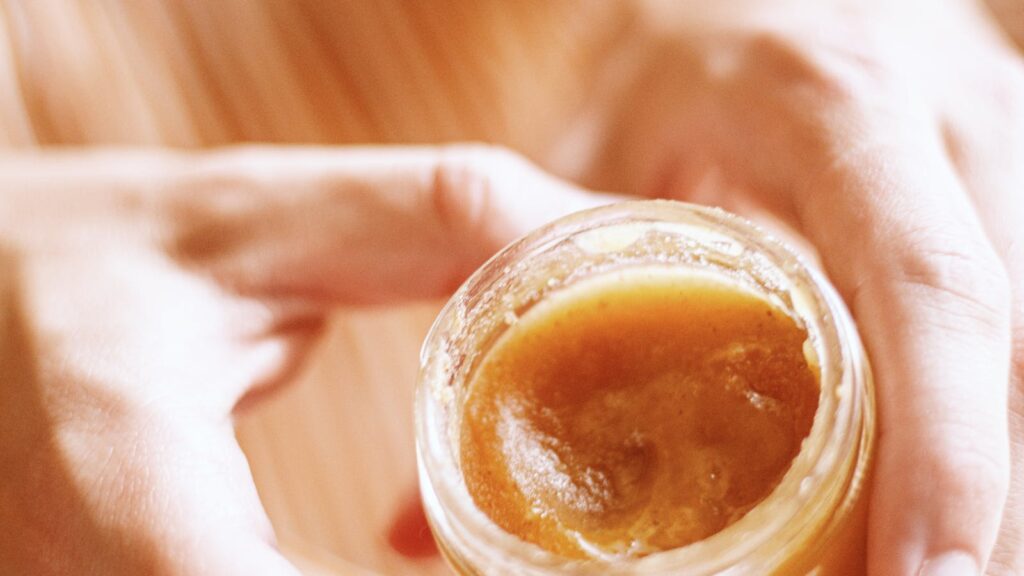
Beef tallow is rendered fat from cattle – usually the suet around the kidneys – melted down, strained and solidified at room temperature. In a skincare context it is sold either as a pure single-ingredient balm or whipped with carrier oils, essential oils and sometimes vitamin E. Small UK brands have leant into the “ancestral” framing, with names like Toplofty and Tallow & Co popping up at independent stockists and on Etsy.
The pitch from supporters is straightforward: tallow is roughly 50 per cent saturated fat, around 42 per cent monounsaturated and the rest polyunsaturated, with a fatty acid profile said to mirror human sebum more closely than most plant oils. It also contains fat-soluble vitamins A, D, E and K when sourced from grass-fed cattle. That biochemistry is the backbone of every supportive claim made about it.
What it costs, and what the money buys
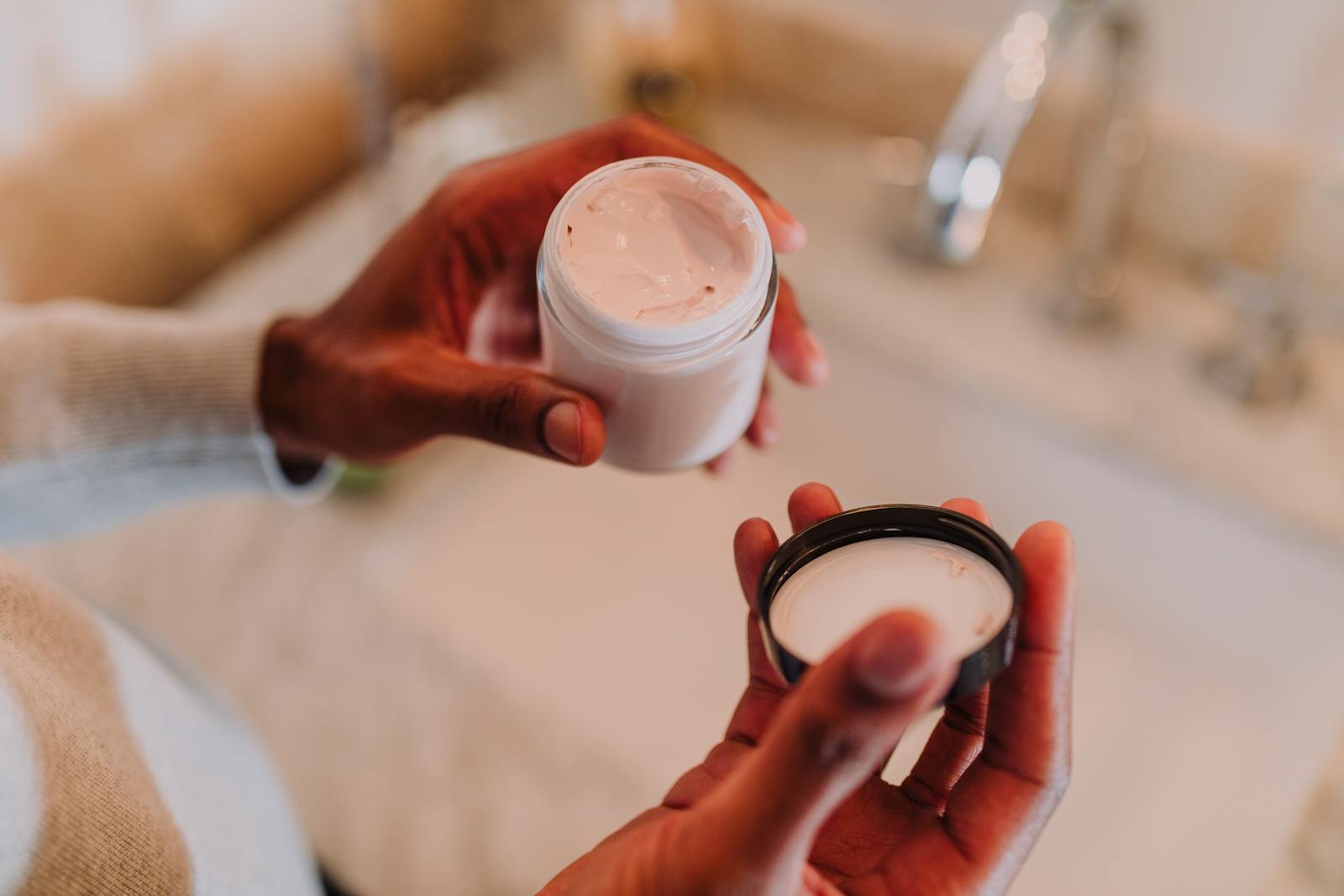
Here’s the part the TikTok videos skip. A 100ml tub of small-batch British tallow balm runs somewhere between £18 and £28 depending on the brand and how much lavender oil has gone in. That’s boutique-moisturiser money for rendered suet.
Put it next to the things dermatologists actually reach for and the arithmetic gets uncomfortable. Prices drift, but the shape of the comparison doesn’t.
| Product | Typical price | What you’re paying for |
|---|---|---|
| Small-batch tallow balm, 100ml | £18-£28 | One ingredient, no preservative system, a shelf life measured in months |
| CeraVe Moisturising Cream, 454g | around £13 | Ceramides and humectants in a tested, stable formulation |
| Diprobase Ointment, 500g | around £10 | An NHS-listed occlusive emollient – the boring, proven option |
| The Ordinary Squalane, 100ml | around £8 | Lipid mimicry without the oxidation risk or the smell |
| White soft paraffin / Vaseline, 250ml | about £2 | Still the strongest occlusive of the lot, gram for gram |
Gram for gram, tallow costs roughly ten times what the NHS-listed ointment does. And the ointment won’t go rancid on the shelf. If the appeal is thrift or simplicity, tallow delivers neither – it’s a premium product wearing peasant clothes.
Why the trend exploded
Three things converged. First, the broader “ancestral skincare” movement, which treats anything pre-industrial as inherently better. Second, a growing scepticism of long ingredient lists and synthetic-sounding names – tallow has one ingredient and your great-grandmother probably knew what it was. Third, TikTok’s algorithm rewards before-and-after content, and tallow’s heavy occlusive feel produces the kind of immediate plumping effect that films well.
UK searches for beef tallow skincare have climbed steadily since late 2024, and the trend now overlaps with adjacent conversations about seed oils, ultra-processed food and the wider wellness backlash against modern formulations. It’s as much an identity signal as a skincare choice, which is part of why the debate gets heated.
The case from supporters
The strongest argument for tallow is lipid similarity. Healthy skin barrier function depends on a specific ratio of ceramides, cholesterol and free fatty acids, and animal-derived lipids do share more structural overlap with human sebum than, say, coconut or argan oil. For very dry, mature or eczema-prone skin, an occlusive that sits on top and slows transepidermal water loss can feel transformative within days.
Anecdotally, people with stubborn xerotic patches, perioral dermatitis flares triggered by stripped barriers, and post-retinoid irritation report that tallow calms things down faster than their usual ceramide cream. Whether that is the tallow specifically or simply any heavy occlusive doing its job is the question dermatologists keep returning to.
The case from sceptics
The clinical objections are real. Beef tallow is highly comedogenic for many skin types – meaning it can clog pores and trigger breakouts – particularly on combination, oily or acne-prone faces. The fatty acid profile that supporters celebrate is exactly what makes it problematic for anyone whose sebum already runs heavy. People who have spent months getting their congestion under control with a salicylic acid routine often find tallow undoes the work in a fortnight.
Oxidation is the second concern. Animal fats turn rancid more readily than refined plant oils, and most small-batch UK tallow products contain no preservatives beyond vitamin E. A tub left on a steamy bathroom shelf for six months is a different product from the one you bought. Smell is the third – even well-rendered tallow has a faint beefy note that no amount of lavender essential oil fully masks, and that is before you get to the question of whether you want to apply a slaughterhouse byproduct to your face at all.
Then there is the marketing. Claims that tallow “feeds your skin” with vitamins A and D rely on the assumption that meaningful quantities of those vitamins survive rendering and absorb through the stratum corneum, which is not well established. The retinol you can buy for £15 at Boots is a known quantity. Tallow’s vitamin A content is not.
Two tallow claims that don’t survive contact
“It’s basically the same as your sebum.” It isn’t. Human sebum is a specific cocktail – triglycerides, wax esters, squalene and free fatty acids in ratios your skin regulates on its own. Tallow shares some of the fatty acids and none of the wax esters, and its squalene content is negligible. Sharing a few ingredients with sebum doesn’t make something sebum, any more than sharing flour makes a bagel a croissant. The overlap is real but partial, and the marketing rounds “partial” up to “identical”.
“Grass-fed tallow feeds your skin vitamins A, D and K.” The vitamins are there, technically. In quantities that matter? Nobody has shown that. Rendering involves prolonged heat, which degrades retinoids, and what survives still has to cross the stratum corneum in a meaningful dose – something no tallow brand has demonstrated. A £15 encapsulated retinol from Boots is a measured dose with decades of data behind it. Tallow’s vitamin content is a rounding error with a good publicist.
What British dermatologists are saying
The British Association of Dermatologists has not issued a formal position on tallow specifically, but its general guidance on heavy occlusives applies: they can be useful for genuinely dry or compromised skin, and counterproductive for everyone else. Consultant dermatologists I have spoken with privately split roughly the way you would expect – those who treat a lot of eczema and ichthyosis are open to it as one option among many; those who treat acne and rosacea see the breakouts in clinic and warn against it.
The NHS doesn’t list tallow among recommended emollients, which matters because the prescribed alternatives – emulsifying ointment, 50/50 white soft paraffin, or branded options like Diprobase and Cetraben – are formulated, stabilised and tested. They also don’t smell of beef. The British Skin Foundation has cautioned more broadly against social-media-driven swaps for evidence-backed treatments, particularly for conditions like eczema where the wrong product can trigger a flare.
If you want to try beef tallow skincare anyway
Sensible rules apply. Patch test on the inside of your forearm for at least 48 hours before going anywhere near your face. Source from a UK brand that lists rendering date, batch number and storage advice rather than from an unmarked Etsy jar. Keep it in the fridge if your bathroom gets warm. Use it at night only, on clean dry skin, in genuinely small amounts – less than half a pea for the whole face.
Shelf life deserves more attention than it gets. Fresh tallow oxidises from the moment it’s rendered, and warmth, light and every dip of an unwashed finger speed the process along. The vitamin E most small brands add slows rancidity; it doesn’t stop it. A reasonable working assumption is three to six months from rendering date if fridge-stored, less on a bathroom shelf. Your nose is the test – the faint beefy note is normal, but anything sharp, sour or crayon-like means the fats have turned, and oxidised lipids are actively irritating to the barrier you were trying to repair. If a seller can’t tell you the rendering date, that’s your answer on whether to buy.
Skip it altogether if you’re acne-prone, currently breaking out, treating active rosacea, or on prescription retinoids that have already thinned your barrier. If you’re perimenopausal and your skin has shifted into a drier register, tallow is more defensible than it would have been ten years earlier – though a well-formulated ceramide cream paired with a humectant like polyglutamic acid will get you most of the way there without the ick factor. Our piece on perimenopause skincare walks through that combination in more detail.
The questions to ask a tallow seller before you buy
The UK tallow market is mostly cottage industry, and quality varies wildly between makers. Some render carefully in small batches and chill-store everything. Others are decanting wholesale suet into jam jars with a homemade label. Before parting with £25, ask five things.
When was this batch rendered? No date, no sale. Is the tallow from grass-fed, traceable British cattle – and can they name the supplier? What’s in it besides tallow, and why? (Essential oils are added for smell, not for your skin; fragrance is a common irritant and defeats the minimal-ingredient point.) How should it be stored, and what’s the realistic use-by? And is the product registered with a UK cosmetic product safety report? That last one catches most sellers out. Any cosmetic sold in Britain legally requires a safety assessment, and a maker who looks blank at the question is selling you an unassessed product.
A seller with good answers to all five is rare. That scarcity tells you something about the category.
Better alternatives if you’d rather skip the beef
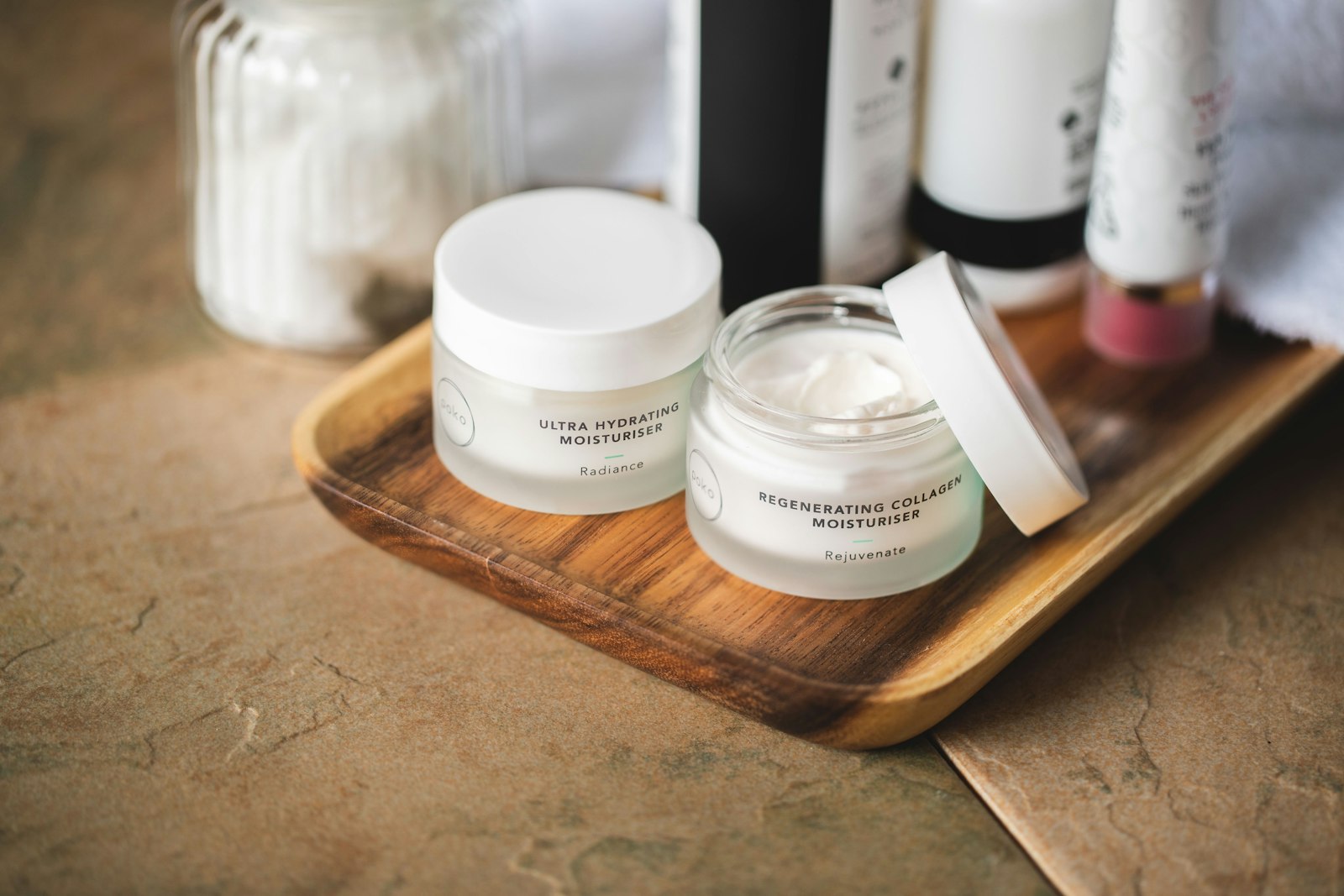
If what you actually want is barrier repair and a heavy-duty occlusive without the rendering, the options are stronger than they were even two years ago. A petrolatum-based balm at night still beats most things on transepidermal water loss. Squalane – now widely available from olive or sugarcane sources at British high-street brands – delivers similar lipid mimicry without the oxidation risk. Newer humectants like polyglutamic acid and ectoin hold water in the upper layers of the skin while a lighter occlusive seals it in. If your barrier is also reactive or red – or you suspect rosacea rather than plain dryness, in which case azelaic acid is the better-evidenced route – a soothing step such as heartleaf or madecassoside calms things down without the comedogenic risk of a heavy animal fat.
If your interest in tallow is really about minimal-ingredient skincare, you can get to a similar place with a two-product routine: a fragrance-free cleanser and a barrier cream containing ceramides, cholesterol and fatty acids in physiologic ratio, plus daytime SPF – and if you’re unsure whether your SPF moisturiser actually counts as sunscreen, it usually doesn’t. That is more or less what tallow’s supporters claim it does, but in a stable, tested, non-rancid form.
Beef tallow skincare isn’t the miracle its loudest advocates claim, and it isn’t the disaster its harshest critics suggest. It’s a heavy occlusive with a passable fatty acid profile, no preservation system, real comedogenic risk and a strong identity-politics charge attached. For a small subset of people – very dry, barrier-compromised, not acne-prone, willing to manage storage carefully – it can earn a place in the routine. For everyone else, the modern formulations developed in the last decade do the same job better, and your bathroom will smell less like Sunday lunch.
The deeper question is whether the desire for “ancestral” skincare is really about ingredients at all, or about wanting fewer decisions to make. If you’ve read this far and you’re still curious, would you actually use beef tallow on your face for three months to find out – or is the appeal mostly the story?





Honest reaction – the idea of putting actual rendered fat on my face still makes me wince a bit. But a friend swears by it for her eczema. The dermatologist split makes sense though, the comedogenic risk seems real. Has anyone tried it on skin that’s already prone to congestion or is that asking for trouble?
Completely with you on the wince factor. A friend has been raving about it for six months and I still can’t bring myself to put rendered fat on my face. Did you decide either way? Curious whether anyone you know has actually stuck with it.
I’ve been seeing this everywhere on TikTok and was so close to ordering until my dermatologist’s nurse practically begged me not to. The lipid mimicry argument is interesting in theory but I can’t get past the smell reports. Has anyone with sensitive skin actually trialled it past the two-week mark without a reaction?
My nan used dripping on her hands her whole life so the idea is not as wild as TikTok thinks. The dermatologist split is interesting though – is it really comedogenic or is that based on old data from products with added scent?