
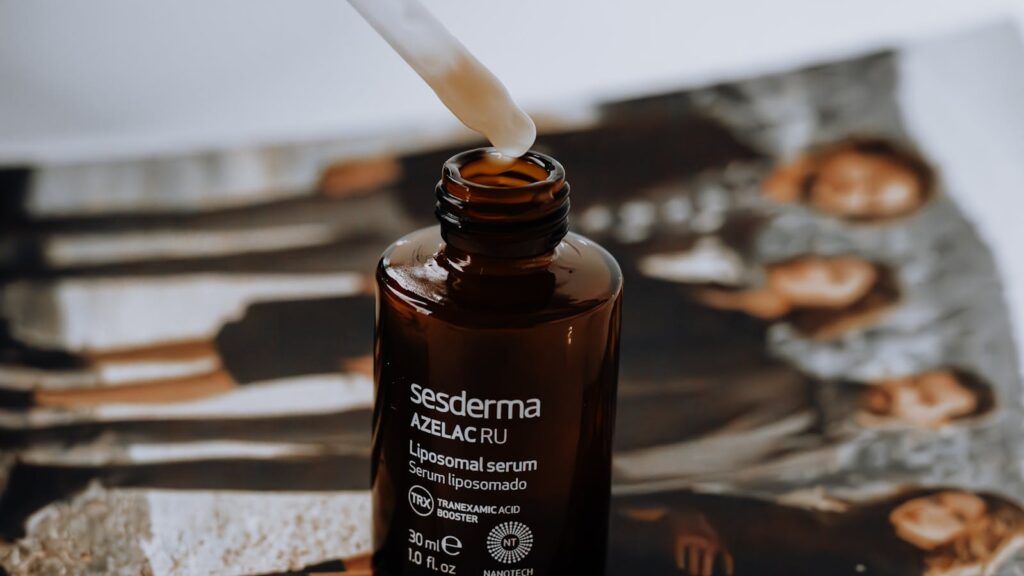
Madecassoside UK: The Cica Compound Reactive Skin Has Been Quietly Waiting For
Madecassoside UK: The Cica Compound Reactive Skin Has Been Quietly Waiting For
If you have spent any time on the British skincare aisle in the last twelve months, you will have noticed the word “cica” stuck on tubes that have nothing in common except a green leaf and a calming claim. Behind most of those formulas sits a single triterpene molecule, and if you care about reactive skin, it is worth knowing its name. Madecassoside UK launches have crept up on Boots, Space NK and Cult Beauty shelves throughout 2026, and the ingredient is finally being talked about as something other than a polite K-beauty footnote. For sensitive, flushed, post-procedure or just plain over-stimulated British skin, it is one of the most useful additions to a routine right now.
In This Article
What madecassoside actually is
Madecassoside is one of four key bioactive triterpenes extracted from Centella asiatica, a small wetland plant better known in the UK as gotu kola or Indian pennywort. The Centella family on a label is usually some combination of asiaticoside, asiatic acid, madecassic acid and madecassoside, often grouped together as TECA or TTFCA. Of that quartet, madecassoside is the one with the strongest published evidence base for soothing inflammation and supporting barrier repair, and it is the molecule K-beauty formulators tend to chase when they are building a serious “cica” product rather than a marketing one.
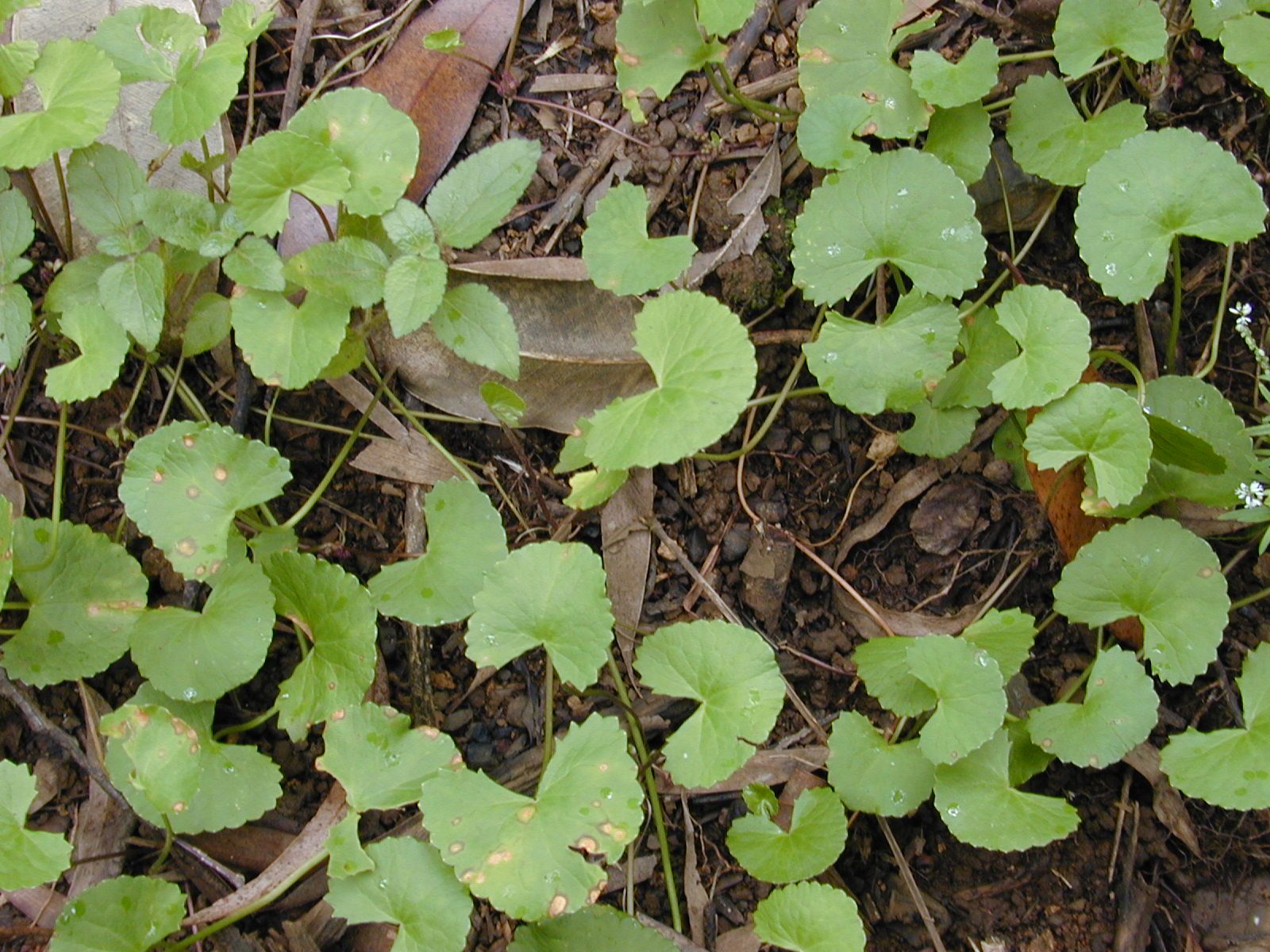
The British Skin Foundation describes Centella asiatica extracts as among the better-tolerated botanicals for sensitive skin, and madecassoside is the part doing most of the heavy lifting. It is non-irritating in concentrations up to around 0.2 to 1 per cent in finished formulas, and unlike many “calming” ingredients it has been studied in controlled human trials rather than just press-release dermatology.
Why it suits British skin in particular
British skin spends a lot of the year being mildly insulted. Cold mornings, central heating, hard water in much of the south east, the occasional spell of pollution-heavy commuting and the now-familiar pollen season that the NHS describes as lengthening year on year. The result, for a meaningful chunk of the population, is a low-grade reactive skin that flushes easily and never seems to fully calm down between flare-ups.
That is exactly the picture madecassoside was studied against. A 2008 randomised trial on volunteers with mildly reactive skin showed that a 0.4 per cent madecassoside cream improved redness scores after eight weeks compared with placebo, with no irritation reported. More recent work on post-laser and post-procedure skin has shown faster recovery of the barrier when madecassoside is included in the aftercare. None of that makes it a miracle, but it does make it one of the few “soothing” ingredients with data behind the marketing.
The eight-week figure matters. Most people who try a cica serum give it a fortnight, decide nothing has happened and move on. In practice the first thing that changes is how quickly your skin settles after being provoked – a hot shower, a retinoid night, a windy walk – and that usually shows up somewhere in week two or three. The baseline redness shift the trials measured came later. If you are going to try it, commit to two months.
The other British-specific point is that madecassoside plays nicely with the actives most of us are already using. Retinal, glycolic, salicylic and azelaic acid all tend to leave reactive skin a bit raw at first, and madecassoside slots in on the tolerance side of a routine without cancelling them out. If you have read our piece on retinal versus retinol, this is the calming sidekick that lets you actually keep using either of them through a British winter.
Madecassoside vs plain centella extract
This is where labels get sneaky. A product can list Centella asiatica extract on the back of the bottle and contain almost no madecassoside at all, because the leaf itself contains low concentrations of the active triterpenes and a generic extract may have been standardised for nothing in particular. The grown-up versions specify either a percentage of madecassoside, a TECA percentage, or an isolated madecassoside content.
If you are spending more than about £25 on a “cica” product, look for one of these things on the label: a stated madecassoside percentage (0.1 per cent and up is meaningful), TECA or TTFCA at a stated concentration, or the words “standardised Centella extract” alongside an INCI list that names madecassoside. If the only Centella reference is a vague “extract” and the marketing is heavy on green-leaf imagery, you are largely paying for the imagery.
What your money actually buys in the UK
Prices below are typical UK shelf prices as of mid-2026 and move around with discounting – Boots and Cult Beauty in particular run 15 to 20 per cent off these lines several times a year, so treat the numbers as a guide rather than gospel.
| Product | Typical price | What you get | Best for |
|---|---|---|---|
| Purito Wonder Releaf Centella Serum (unscented) | around £14 | 49% centella base with declared madecassoside, no fragrance | Budget buyers and anyone burned by fragranced “calming” products |
| SKIN1004 Madagascar Centella Ampoule | around £18 | Single-ingredient centella extract, 100ml | Minimalist routines, layering under stronger actives |
| COSRX Pure Fit Cica Serum | around £22 | Centella complex with named triterpenes | Oilier reactive skin that dislikes rich textures |
| La Roche-Posay Cicaplast B5 Serum | around £30 | Madecassoside with panthenol and hyaluronic acid | Dry skin, and anyone who wants to buy it in Boots today |
| Dr. Jart+ Cicapair Serum | around £39 | TECA complex plus niacinamide | Redness paired with uneven tone |
An honest note on that list: the Dr. Jart is a lovely product, but a fair slice of the price is department-store margin and tiger-themed packaging. The SKIN1004 ampoule does most of the same job for less than half the money, and it is the one I would point a first-time buyer at. The La Roche-Posay earns its premium mainly through availability – when your skin is having a moment on a Tuesday, being able to walk into any Boots matters more than an extra 0.1 per cent of anything.
Who actually benefits from it
Madecassoside is one of the few skincare ingredients where the audience is broader than the marketing suggests. Reactive and rosacea-prone skin will feel the difference quickest. People in perimenopause, where the British Association of Dermatologists notes a real uptick in barrier-related complaints, also tend to respond well, especially when madecassoside is layered with ceramides and a humectant. So do anyone using prescription tretinoin, isotretinoin or stronger in-clinic acids who needs calming support that does not undo the active.
It is also a sensible add for people with the kind of background inflammation that does not have a neat label. If your skin is “fine” but always a little pink at the cheeks by 4pm, or it stings briefly when you apply almost anything, madecassoside is the ingredient most likely to take the edge off without forcing you onto a steroid cream. For a fuller picture of how barrier-supporting actives stack up, our guide to beta glucan for reactive skin covers a complementary side of the same problem.
How to slot madecassoside into a UK routine
The simplest way to use madecassoside is as a serum or essence, applied morning and evening on damp skin before your moisturiser. Concentrations on the UK market vary wildly. The K-beauty originals sit between 0.1 and 0.5 per cent madecassoside. La Roche-Posay’s Cicaplast B5 line, widely stocked in Boots, uses madecassoside alongside panthenol and is the most accessible high-street version.
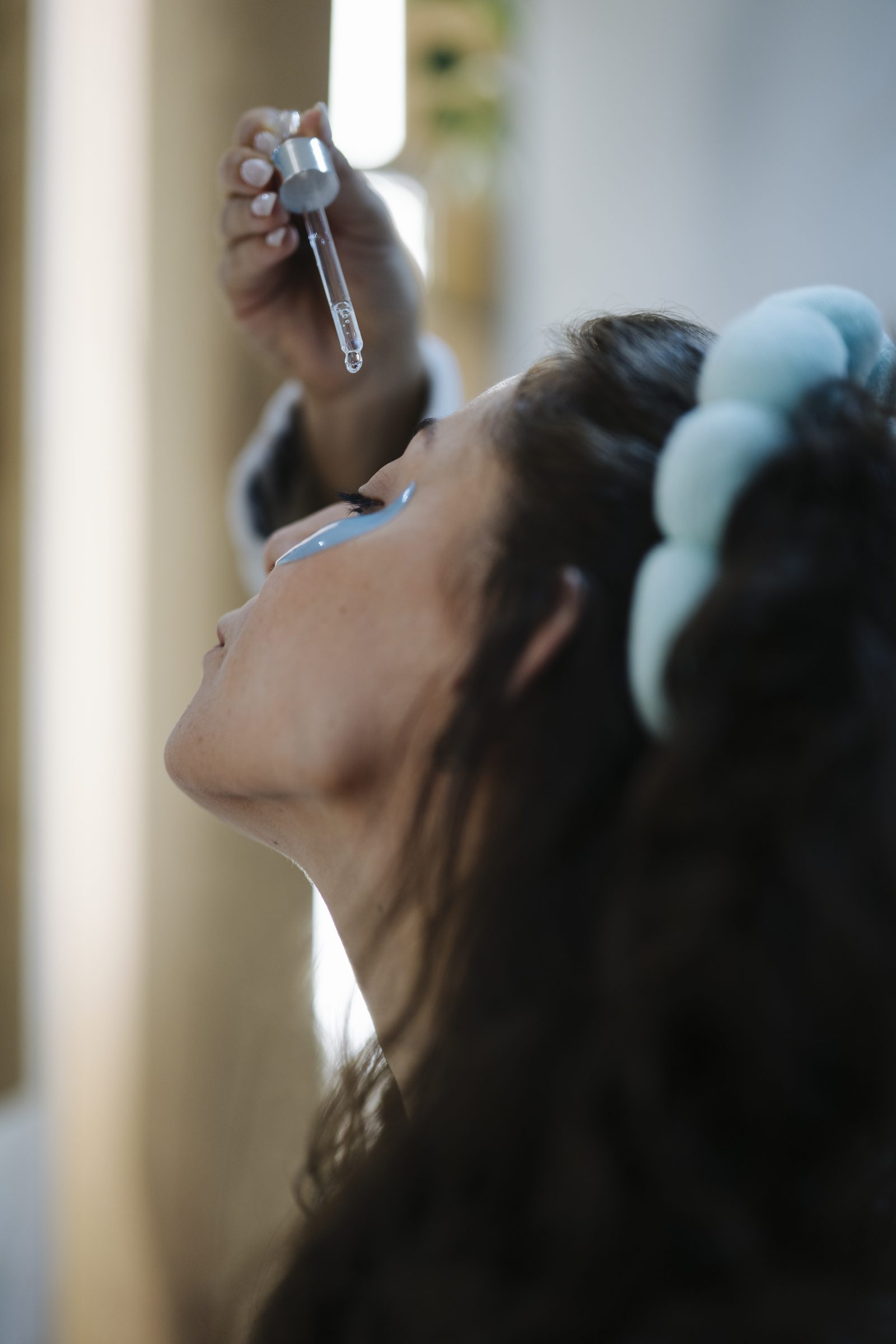
Layering matters more than concentration. Madecassoside does its best work on a slightly damp face, sandwiched between a hydrating toner and a moisturiser that contains ceramides or cholesterol. If you are using retinal at night, apply madecassoside first, wait two minutes, then apply your retinal. In the morning, it sits cleanly under SPF and does not interfere with mineral or chemical filters.
One small note for British buyers: avoid the strongly fragranced Centella products. Several of the “Cica” colognes-in-disguise on the European market use the name as a marketing flag without much active in the formula, and the added fragrance defeats the point if your skin is already reactive. The British Skin Foundation has flagged fragrance as one of the more common, and most avoidable, irritants in calming claims.
Four cica myths worth ignoring
“Cica on the label means madecassoside inside.” It does not. “Cica” is a marketing term with no regulated meaning, and plenty of products wearing it contain a token dose of generic leaf extract. Check the INCI list for madecassoside or a TECA percentage before paying cica prices.
“A higher percentage is always better.” The useful range in the published work sits between roughly 0.1 and 0.5 per cent, and benefits plateau rather than climb. A well-built 0.2 per cent serum in a ceramide-friendly base will outperform a bare 1 per cent solution that leaves your barrier to fend for itself.
“It calms skin overnight.” The instant relief you feel from most cica products is the glycerin and panthenol doing their job. The madecassoside effect – measurably less reactive skin – took eight weeks to show in trials. And that is fine, as long as you know which one you are buying it for.
“A cica serum can replace your moisturiser.” Most are watery, fast-absorbing textures with little occlusive content. Without a proper moisturiser on top, you lose a good chunk of the barrier benefit you paid for.
What it will not do
Madecassoside is not a treatment for active rosacea, eczema or perioral dermatitis. It is a useful adjunct to whatever you are doing under medical advice, and it can shorten flare-ups and reduce day-to-day reactivity, but it is not a substitute for prescription care. It also will not lighten pigmentation, smooth deep lines, or replace a vitamin C if antioxidant defence is what you are after. Sold honestly, it is a tolerance and barrier ingredient, and that is enough.
The most common reason people try madecassoside, decide it does not work and quietly drop it is that they layered it under or over a stronger irritant on the same night. A 0.4 per cent madecassoside serum will not save you from a poorly tolerated retinoid at the wrong frequency. If you are starting out with a reactive routine from scratch, our postbiotic skincare guide covers the order in which to introduce calming and microbiome-supportive ingredients without overloading the barrier.
The honest verdict
Madecassoside is one of the few K-beauty crossover ingredients that has earned its place on a UK shelf rather than been hyped onto it. The data is decent, the tolerance is excellent, the price range is sensible and the formulating standards have improved as more brands have started declaring percentages on the label. If you have reactive skin, are using actives that occasionally bite back, or you spend most of the year mildly inflamed by British weather and central heating, it is one of the most low-risk additions you can make to your routine in 2026. If madecassoside still does not settle your skin, heartleaf is the gentler soothing botanical worth trying in its place. If you are layering cica with heavier occlusives, our piece on slugging skincare in the UK looks at when the petroleum-on-top approach actually helps a reactive barrier – and when it makes things worse.
For the natural-barrier end of the same debate, see our look at beef tallow skincare.
Have you noticed a difference in your reactivity since adding a cica product to your routine, or does your skin still flush through it? I would be curious to know whether the K-beauty originals or the high-street British versions have worked better for you.
If visible redness rather than general sensitivity is the problem, azelaic acid for rosacea is the ingredient worth reading up on next.


Really useful breakdown – I’ve been using the Purito Centella Green Level toner for years and never realised madecassoside was the actual workhorse rather than just “cica”. Has anyone here tried switching from the Anua heartleaf toner to a madecassoside-led one for properly reactive skin? Curious whether the difference is noticeable day-to-day.
Made the switch about six months ago from the Anua toner to the Skin1004 Madagascar Centella ampoule and the difference for me was meaningful but subtle – day-to-day calmness was similar, but recovery time after an obvious trigger (long-haul flight, hot yoga) was noticeably quicker on the madecassoside one. If your skin is reactive rather than just dry, I’d say yes.