
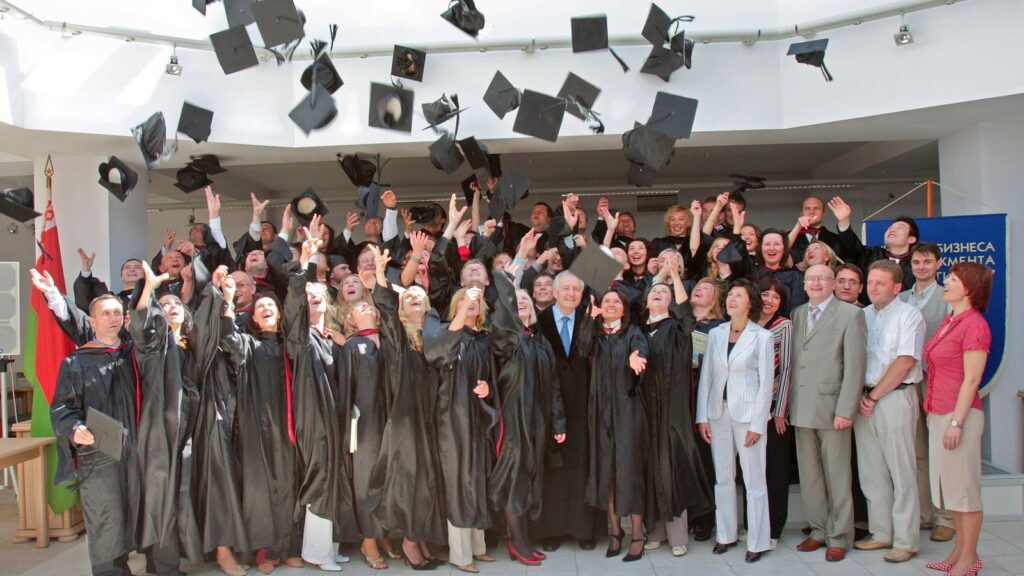
Graduation Outfits UK 2026: The High Street Edit for Graduands and Their Guests
Graduation season across the UK runs from late June into July, so mid-May is the sensible moment to think this through rather than the night before. Good graduation outfits UK families can rely on share a few traits: they photograph well, they survive a long day on your feet, and they suit a room that is part formal ceremony, part celebration. The brief is narrower than a wedding and dressier than a normal weekday, which is exactly why it trips people up.
In This Article
- Graduation outfits UK ceremonies actually call for: start with the venue
- What graduands should wear under the gown
- Dressing for the family: smart, but not a wedding
- The footwear question: cobbles, grass and a long day standing
- Weather-proofing a British summer ceremony
- Colour and print: what actually photographs well
- Five outfit formulas that work
- The one thing people forget
This guide covers both sides of the day: what graduands should wear under the gown, and what parents, partners and guests should reach for. None of it requires a new wardrobe. Most of it is about choosing pieces you can re-wear.
Graduation outfits UK ceremonies actually call for: start with the venue
Before buying anything, find out where the ceremony is held. A cathedral, a Victorian great hall and a modern campus auditorium all set a slightly different tone. Cathedrals and historic halls lean formal and tend to be cool inside even in July. Newer venues are warmer, often with raked seating and long waits. The university website usually states a dress code, and it is almost always “smart” or “formal” with no further detail.
The other venue fact worth knowing: where the photographs happen. Most UK universities run gown hire and professional photos outside or in a quad, which means cobbles, grass and queues. That single detail decides your shoes more than anything else.
What graduands should wear under the gown
The gown does most of the visual work, so the outfit underneath only needs to read well from the chest up and at the hem. Necklines matter because the gown frames them. A collared shirt, a smart knot-detail top or a simple crew neck all sit cleanly under a hood. Avoid anything with a fussy collar that fights the gown, and skip statement necklaces that disappear anyway.
For the lower half, think about the walk across the stage and the sitting down. Tailored trousers, a midi skirt or smart culottes all work. A dress is fine, but a very short hemline looks awkward once the gown is on and off for photos. Colour is a personal call, though mid-tones photograph more reliably than bright white, which can blow out under venue lighting.
One practical note: gowns are warm, polyester and worn for two to three hours. Dress for a room several degrees warmer than it looks. Breathable natural fabrics underneath are worth the effort.
Dressing for the family: smart, but not a wedding
Guests consistently over-think this. A graduation is not a wedding, so a formal occasion dress with a hat can feel like too much. It is also not a garden party, so jeans read as under-dressed in the photos your family will keep for decades. The target is “polished daywear”: the level you would wear to a nice lunch or a christening.
For women, a midi dress in a plain or small-print fabric, a co-ord, or tailored trousers with a good top all land correctly. The same thinking that works for summer wedding guest dressing applies here, just dialled down one notch in formality. For men, chinos or tailored trousers with a shirt, optionally a blazer, is the safe and correct answer. A full suit is rarely wrong but rarely necessary.
If the day rolls into a restaurant booking afterwards, choose something that carries from a warm hall to dinner without a change. That is the real test of a good guest outfit.
The footwear question: cobbles, grass and a long day standing
This is where most graduation outfits fall down. The day involves more standing and walking than anyone expects: car parks, gown collection, the ceremony itself, then photographs on uneven ground. A stiletto on cobbles or grass is a genuine problem, and the photos rarely show your feet anyway.
Block heels, smart flats, low wedges and clean leather loafers all solve it. If you want height, a block heel under 6cm gives you the line without the instability. Whatever you choose, wear them in beforehand. The same logic that governs a long day at a warm office applies to a long day at a graduation: comfort is not the enemy of looking pulled together.
Weather-proofing a British summer ceremony
A UK graduation can deliver 28 degrees and full sun or 14 degrees and drizzle, sometimes in the same afternoon. Layering is the answer. A blazer or a lightweight jacket that can come off, a dress you do not have to think about if it gets warm, and a bag big enough for a compact umbrella will cover almost every scenario.
Avoid anything that only works in one weather condition. A heavy occasion coat is a liability if the sun comes out; a strappy sundress alone leaves you cold and under-dressed if it does not. The most reliable graduation outfits hold up across a ten-degree swing, which is the realistic British summer range. The Guardian’s fashion desk has made the same point about UK occasion dressing for years: plan for the weather you might get, not the one you hope for.
Colour and print: what actually photographs well
Graduation photographs tend to be taken in bright, mixed light – sun outdoors, then warm artificial light inside – and that affects what works. Very bright white can lose its detail in strong sun, and tightly packed small prints can shimmer oddly in photos. Mid-tones, soft solids and larger, calmer prints hold up better across both settings.
There is also the group-photo factor. You will be standing next to a graduand in a black gown for most of the day, so colours that sit well against black are a safe bet: navy, sage, dusty pink, terracotta, denim blue. If several family members are dressing for the same day, a loose nod to a shared palette stops the photos looking accidental without anyone matching outright. None of this needs to be rigid – it just saves you from the one outfit that fights everything else in the frame.
Five outfit formulas that work
If you would rather not start from scratch, these combinations cover most graduands and guests. A midi dress in a mid-tone with a cropped blazer and block heels. Tailored wide-leg trousers, a tucked-in shirt or knit, and clean loafers. A summer co-ord in linen or a linen blend with smart flat sandals. A plain shift dress with a longline jacket and a structured bag. For men, tailored trousers, an open-collar shirt and a blazer left undone.
Each of these re-wears easily, which is the point. The pieces that earn their place at a graduation are the ones you will also wear to work, to a day at the races or to a summer lunch. British Vogue has long argued that occasion dressing works best when it is not single-use, and a graduation is the clearest example of that principle in action.
The one thing people forget
Comfort and re-wearability aside, the practical detail most people miss is the bag. You will be handed a programme, possibly a scroll, your phone, keys and an umbrella, and you will be photographed holding all of it. A structured medium bag or a smart tote solves it. A tiny occasion clutch does not, and you will spend the day looking for somewhere to put it down.
Graduation outfits UK ceremonies reward are the practical ones: pieces that photograph well, move easily and come back out for the rest of the summer. Get the shoes and the bag right, layer for the weather, and the rest follows.
What is the venue for the graduation you are dressing for – a historic hall, a cathedral or a modern campus auditorium? That single answer should shape every other choice you make.
If you are dressing for warm-weather events beyond the ceremony, our guide to tailored shorts for summer 2026 covers the smartest way to do bare legs at a semi-formal do.